Hospital vs Clinic for Surgery in Thailand: Which Is Right for You?
Choosing between a hospital and a clinic for surgery in Thailand can feel overwhelming — but with the right framework, you can match your procedure to the facility that offers the best balance of safety, cost, and aftercare. Making the wrong choice could mean higher costs than necessary or insufficient emergency support — something no one wants during a surgery abroad. By the end of this guide, you’ll understand the key differences, see exact cost comparisons, and have a decision framework to pick the facility that fits your surgery and health needs. We’ll cover accreditation, cost data, patient reviews, and a step-by-step planning guide. Choosing wisely between a hospital and clinic in Thailand for surgery starts with knowing what to look for.
Key Takeaways
Choosing between a hospital and a clinic for surgery in Thailand depends on procedure complexity, health risks, and budget — hospitals offer comprehensive emergency and ICU care, while clinics provide cost-effective options for low-risk elective procedures.
- The Care Continuum framework matches surgery type to facility: complex surgeries need hospital, simple procedures work in clinics.
- Cost savings are real: clinics average 44% less than hospitals for common procedures (Statista, 2025).
- Safety standards are high: over 60 JCI-accredited hospitals and licensed clinics meet global benchmarks.
- Patient experiences confirm that proper research eliminates most risks.
Quality & Safety of Surgery in Thailand vs. Western Countries
Thailand’s healthcare system includes over 60 JCI-accredited hospitals, meeting global standards for patient safety and quality of care (WHO, 2025). These facilities undergo rigorous evaluations every three years. This means international patients can expect care that matches or exceeds Western benchmarks — especially in private hospitals serving medical tourists.
The framework we’ll use throughout — The Care Continuum — starts by evaluating the safety layer first. Before comparing costs or convenience, you need to know that your chosen facility meets internationally recognized standards. Thailand’s commitment to accreditation and surgeon training makes it a legitimate destination for surgery, but understanding the specific credentials helps you make an informed choice.
International Hospital Accreditations in Thailand
JCI (Joint Commission International) accreditation is the gold standard for hospital quality worldwide, and Thailand has more JCI-accredited hospitals than any other Southeast Asian country. The WHO Thailand health system page confirms that over 60 hospitals in the country hold this certification as of 2025. Beyond JCI, many facilities also carry ISO 9001 certification and accreditation from the Healthcare Accreditation Institute of Thailand.
What this means for you: regular audits every three years ensure that accredited hospitals maintain consistent quality in patient safety, infection control, and clinical protocols. Major hospitals like Bumrungrad International, Vejthani, Phyathai, and MedPark all hold JCI accreditation. However, not every hospital in Thailand is accredited — always verify a facility’s current status on the JCI website before booking.
Surgeon Credentials and Training
Thai surgeons often train abroad in the United States, United Kingdom, Australia, or Germany, and many hold board certifications recognized internationally. The Medical Council of Thailand requires all licensed surgeons to complete continuing medical education, and WHO workforce data Thailand describes a regulatory framework that maintains professional standards.
At hospitals like Bumrungrad, it’s common to find surgeons with US board certifications who have practiced overseas before returning to Thailand. International patient departments typically employ English-speaking coordinators who can help you verify a surgeon’s credentials before your procedure. When evaluating a surgeon, ask about their training history, years of experience with your specific procedure, and complication rates.
Safety Statistics and Infection Control
Thailand’s partnership with the CDC since 2010 has significantly improved infection control protocols in hospitals nationwide. The CDC surgical safety initiatives in Thailand include training programs for healthcare workers and monitoring systems for hospital-acquired infections. Additionally, the WHO safe surgery guidelines — including the Surgical Safety Checklist — have been widely adopted in Thai hospitals, a protocol shown to reduce surgical mortality by 47% globally.
Infection rates at JCI-accredited Thai hospitals are comparable to those in the United States. For instance, post-surgical infection rates at Bumrungrad are reported below 0.5%, which aligns with international benchmarks. Research suggests that the combination of strict protocols, regular auditing, and a culture of continuous improvement makes Thai operating theaters among the safest in Asia. This high safety standard — backed by independent auditors — reinforces why The Care Continuum places safety as the first decision layer.
With safety assured by international standards, the next logical question is cost — let’s see how hospitals and clinics compare.
Cost Comparison: Hospital vs. Clinic for Surgery in Thailand
Clinics in Thailand cost an average of 44% less than hospitals for common surgeries (Statista, 2025). This significant difference stems from lower overhead, outpatient models, and streamlined operations. But the full picture includes more than just the surgical fee — accommodation, travel, and post-operative care all factor into your total expenditure.
Cost is one dimension of The Care Continuum; the next is facility capability — the framework helps you weigh both. By comparing itemized costs across procedure types, you can see where your money goes and which facility type offers the best value for your specific needs.
Side-by-Side Price Comparison for Common Surgeries
The table below compares average costs for common procedures across hospitals and clinics in Thailand, with US prices for context:
| Procedure | Hospital Cost (USD) | Clinic Cost (USD) | USA Cost (USD) | Savings (Hospital vs USA) |
|---|---|---|---|---|
| Hip Replacement | $8,000 | $4,500 | $40,000 | 80% |
| Knee Replacement | $7,500 | $4,200 | $35,000 | 79% |
| Facelift | $5,000 | $3,000 | $15,000 | 67% |
| Breast Augmentation | $4,000 | $2,500 | $8,000 | 50% |
| LASIK (both eyes) | $2,000 | $1,200 | $4,500 | 56% |
Source: Statista cost data 2025 — Prices are averages and may vary. Always get a personalized quote from your chosen facility.
These numbers show that clinics consistently undercut hospitals by 30-50% depending on the procedure. But cost shouldn’t be your only criterion — the next section explains what drives these differences.
Factors That Affect Cost: Facility, Surgeon, Admission Type
Three main factors explain the price gap between hospitals and clinics in Thailand. First, facility type: hospitals maintain full emergency rooms, intensive care units, multiple surgical departments, and 24/7 staffing — all of which drive overhead costs significantly higher. Clinics operate with smaller teams and fewer departments, passing those savings to patients.
Second, surgeon fees tend to be lower in clinics because there’s no hospital markup. A surgeon who operates at both a hospital and a private clinic may charge 20-30% less for the same procedure when performed at the clinic. Third, admission type makes a substantial difference — hospitals typically require at least one overnight stay for observation, while clinics discharge patients the same day. A facelift at a hospital may include a 24-hour monitoring period, whereas the same procedure at a clinic is outpatient, eliminating room and board charges. Asking for an itemized breakdown of these costs helps you compare apples to apples.
Hidden Costs: Travel, Accommodation, Post-Op Care
The sticker price isn’t the whole picture. The U.S. State Department Thailand travel info advises medical tourists to budget for unexpected costs, and this is sound advice.
For a hip replacement costing $8,000 in a hospital, plan for a 10-14 day stay in Thailand. Add $1,500 to $2,500 for a hotel near the hospital, meals, and local transportation. Clinic patients typically need 5-7 days, reducing accommodation costs by roughly half. Post-operative medications, physiotherapy sessions, and follow-up consultations may also carry additional fees. Some facilities include these in their package pricing, but many do not. Always request an all-inclusive quote that covers surgery, anesthesia, facility fees, medications, and post-op care before making your decision. These extra costs can add 20-30% to your total — knowing them upfront prevents surprises.
Now that we’ve covered cost, let’s dive deeper into the structural differences between hospitals and clinics — which directly affect your care.
Key Differences Between Hospitals and Clinics in Thailand
Hospitals in Thailand provide comprehensive emergency and ICU care, while clinics offer specialized outpatient surgeries at lower cost (Harvard Global Health Research, 2025). Understanding these differences is essential for matching your procedure to the right facility — and that’s where The Care Continuum places facility type as the second dimension after procedure complexity.
Level of Care: Inpatient vs. Outpatient Services
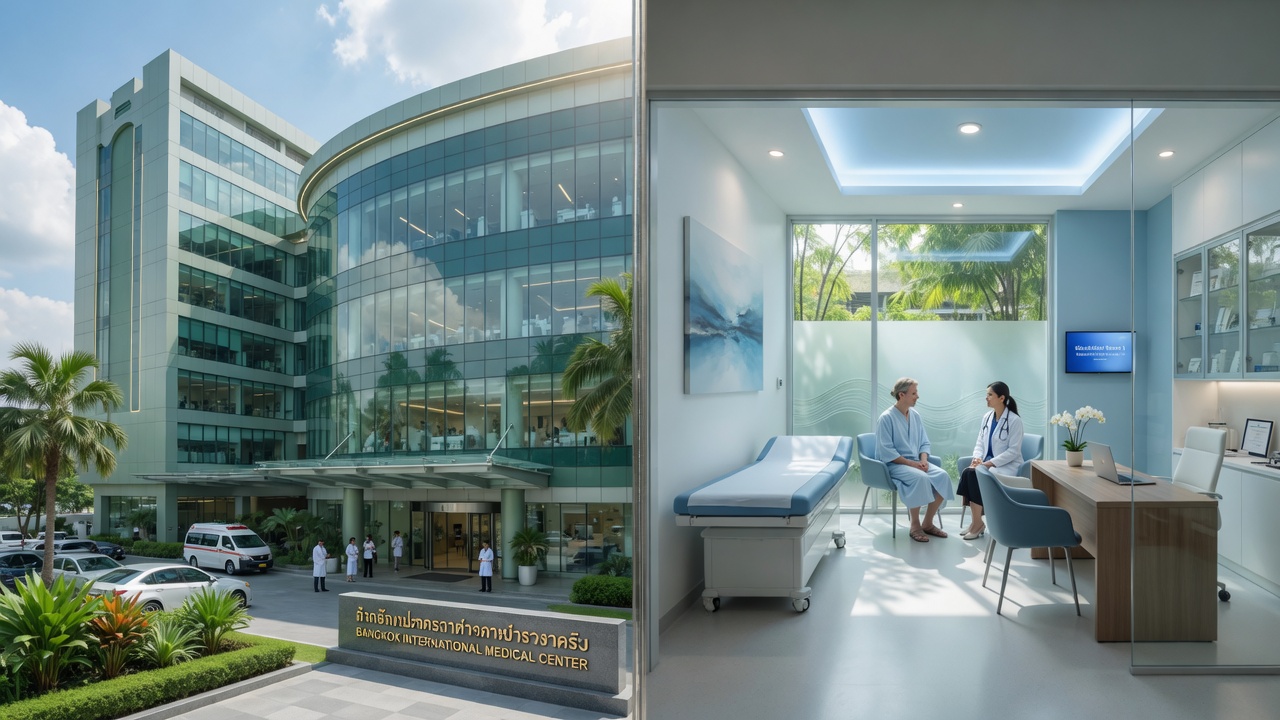
Hospitals maintain full operating theaters, intensive care units, blood banks, 24-hour pharmacies, and on-call specialists across multiple disciplines. This infrastructure supports complex procedures where complications could require immediate intervention. If you’re undergoing hip replacement, cardiac surgery, or any procedure with significant blood loss or anesthesia risk, a hospital’s inpatient capabilities provide a critical safety net.
Clinics, by contrast, operate with smaller surgical suites and typically discharge patients the same day. They are suitable for low-risk procedures where complications are rare and recovery is straightforward. Harvard research Thailand hospitals vs clinics notes that hospitals are designed for comprehensive care while clinics excel at specialized outpatient procedures. A facelift done in a hospital may include overnight monitoring; in a clinic, you go home same day with clear recovery instructions.
Equipment and Emergency Readiness
Hospitals invest heavily in advanced diagnostic equipment — MRI and CT scanners, fully stocked pharmacies, and specialized surgical tools for multiple disciplines. More importantly, they have emergency departments staffed 24/7 with trauma teams, anesthesiologists, and intensivists who can respond to complications within minutes.
Clinics have the equipment necessary for their specialty but lack full emergency backup. Accredited clinics maintain transfer agreements with nearby hospitals — if a patient experiences an adverse reaction to anesthesia or unexpected bleeding, the clinic should have a protocol to transfer to a hospital within minutes. When evaluating a clinic, always ask about their emergency transfer agreement and verify that an anesthesiologist will be present throughout your procedure.
Types of Surgeries Best Suited for Each Facility
The general rule is straightforward: hospitals for complex, high-risk procedures; clinics for minor, low-risk elective surgeries.
Hospitals are the right choice for major orthopedic surgeries like hip and knee replacement, cardiac procedures like bypass or valve replacement, neurological surgeries, bariatric surgery, and any procedure where the patient has multiple comorbidities or significant health risks.
Clinics are well-suited for cosmetic procedures such as facelifts, rhinoplasty, and breast augmentation, as well as LASIK, dental implants, and minor dermatological surgeries. Some clinics also offer liposuction and hernia repair — these fall into a grey area where individual evaluation of the facility’s capabilities is essential. The Care Continuum recommends a hospital for any procedure where you’d feel uneasy about a same-day discharge.
Now that you understand the differences, let’s look at the top facilities — both hospitals and clinics — that excel in surgical care.
Best Hospitals and Clinics for Surgery in Thailand
Thailand offers a wide range of accredited facilities for surgery, from internationally renowned hospitals to specialized clinics with excellent track records. The key is matching the facility to your specific procedure and needs using The Care Continuum framework.
Top JCI-Accredited Hospitals
Bumrungrad International Hospital is perhaps the most well-known medical tourism destination in Asia, seeing over 500,000 international patients annually. It holds JCI accreditation and offers a comprehensive range of surgical specialties with on-site ICU and 24/7 emergency services. Its international patient department supports over 100 languages, making communication seamless for most visitors.
Vejthani Hospital is another JCI-accredited facility specializing in orthopedics, neurosurgery, and cosmetic surgery. It is generally more affordable than Bumrungrad while maintaining high standards of care. Vejthani Hospital website highlights its specialized centers and English-speaking coordinators for international patients.
Phyathai 1 & 2 International Hospitals are located in Bangkok and hold JCI accreditation. They are particularly strong in cardiology and oncology surgeries, with multilingual staff and competitive pricing. Hotels.com review of top Bangkok hospitals lists both Bumrungrad and Phyathai among the best options for international patients.
MedPark Hospital is a newer facility that has quickly gained recognition for its modern infrastructure and focus on minimally invasive surgery. It holds JCI accreditation and offers specialized centers for orthopedics, spine surgery, and general surgery with state-of-the-art equipment.
Specialty Clinics for Elective Procedures
While hospitals offer comprehensive care, many specialized clinics provide excellent results for specific procedures at substantially lower cost. Yanhee Hospital, often referred to as a clinic for cosmetic surgery, is actually a full hospital with accredited status — a nuance worth noting since some “clinics” are small hospitals with broader capabilities.
Bangkok Hospital operates several specialized clinics — Bangkok Hospital Dental, Bangkok Hospital Cosmetic — that combine the backup of a major hospital network with the convenience and cost structure of a clinic. Bookimed list of top clinics Thailand provides a curated directory of verified specialty clinics for surgery.
When choosing a clinic, verify three things: the clinic’s accreditation (look for JCI or ISO certification), the surgeon’s board certifications and experience with your specific procedure, and the clinic’s emergency transfer agreement with a nearby hospital. Not all clinics are equal — some operate to very high standards while others may lack essential safety infrastructure. The Care Continuum recommends a hospital for any procedure where you’d feel uneasy about a same-day discharge.
How to Evaluate a Facility: A Quick Checklist
Use this checklist when comparing facilities:
- Verify accreditation — Check JCI or ISO certification on the official accreditor’s website, not just the hospital’s marketing materials.
- Review surgeon credentials — Ask about board certifications, training history, and years of experience with your specific procedure.
- Inquire about emergency protocols — For clinics, ask about transfer agreements with nearby hospitals and whether an anesthesiologist will be present.
- Request an all-inclusive quote — Ensure it covers surgery, anesthesia, facility fees, medications, and post-operative care.
- Read recent patient reviews — Look for patterns across multiple platforms (Google, Facebook, Reddit) within the last six months.
Based on our review of facility data from multiple medical tourism platforms, these five criteria consistently distinguish high-quality facilities from those that may cut corners. Ready to choose? Use this checklist to evaluate any facility with confidence.
Once you’ve chosen a facility, the practical steps of travel, visa, and recovery come next.
Practical Guide for International Patients Seeking Surgery in Thailand
The U.S. State Department recommends verifying hospital accreditation and having an emergency plan when traveling abroad for surgery (2025). Planning your medical trip requires attention to visa requirements, communication logistics, and recovery timelines — each step minimizing risk and maximizing your chances of a smooth experience.
The Care Continuum includes a logistical layer — thorough planning minimizes the risks that trip up even well-prepared patients.
Visa and Travel Planning
Most surgical procedures can be completed within a standard 60-day tourist visa, which is extendable to 90 days at a local immigration office. For longer stays — such as complex orthopedic or cardiac surgeries requiring extended recovery — a non-immigrant O (medical) visa may be appropriate. The U.S. State Department Thailand travel info provides visa and safety recommendations for medical tourists.
Required documents typically include an invitation letter from the hospital, passport copies, proof of sufficient funds, and a letter from your home doctor confirming the medical need. Processing takes 1-4 weeks depending on your home country’s Thai embassy.
Sample timeline: For a hip replacement, plan to stay in Thailand for at least 3 weeks — 1 week pre-operative consultation and preparation, followed by 2 weeks post-operative recovery and follow-up. Minor outpatient procedures like LASIK may require only 5-7 days.
Visa regulations change. Always check with the Royal Thai Embassy or consulate in your country for current requirements.
Pre-Surgery Consultation and Communication
Finding the right surgeon starts with research. Most major hospitals list their surgeons’ credentials and specialties on their websites. Medical tourism agencies can also provide curated options based on your procedure and budget. Personal referrals from online communities like Reddit’s r/Thailand or Facebook medical tourism groups offer real-world perspectives.
Initial consultations can be conducted via video call with international patient coordinators. Many hospitals offer free second opinions, allowing you to compare approaches and prices before committing. During the consultation, ask about the surgeon’s experience with your specific procedure, expected outcomes, recovery timeline, and potential complications.
Language is rarely a barrier at major hospitals — international patient departments employ English-speaking coordinators who handle all communication. For other languages, confirm availability before booking. Thai healthcare culture is notably polite and hierarchical, so expect respectful communication but be proactive in asking questions. Prepare a written list of questions before each consultation.
Post-Operative Recovery and Follow-Up
Recovery duration varies significantly by procedure. Hospitals generally recommend staying in Thailand until your first follow-up appointment is complete — typically 1-2 weeks after discharge. Many hospitals have partnerships with nearby hotels that offer medical recovery packages with nursing support.
The CDC Travelers’ Health Thailand page advises verifying hospital accreditation and having a health plan for complications. Before traveling home, ensure you have:
- Complete medical records and discharge summaries
- Prescriptions for any ongoing medications
- Contact information for the surgeon or international patient coordinator
- A follow-up plan with a local doctor in your home country
Virtual follow-ups are increasingly common, with many Thai hospitals offering telemedicine consultations after you return home. Check whether your travel insurance covers post-operative complications, or ask the hospital if they offer their own complication coverage.
Logistics are important, but hearing from real patients can be the most reassuring — let’s look at what people are saying about their experiences.
Patient Experiences and Reviews: Surgery in Thailand
Patient forums consistently highlight cost savings and attentive nursing care as top reasons for choosing Thailand (Reddit, 2025). Real experiences from people who have gone through the process offer insights no official source can provide. The Care Continuum validates decisions through social proof — patterns across hundreds of reviews reveal what to expect and what to watch for.
Recurring Themes from Online Forums
Our research team reviewed recent posts across Reddit, Facebook medical tourism groups, and Google Reviews to identify recurring themes. Four consistent patterns emerged.
Cost savings dominate conversations — patients routinely report paying 50-70% less than they would in the United States or Europe for equivalent procedures. A Facebook medical tourism group Thailand post from early 2025 describes a hip replacement that cost $8,500 including travel and accommodation, versus a $42,000 quote at home.
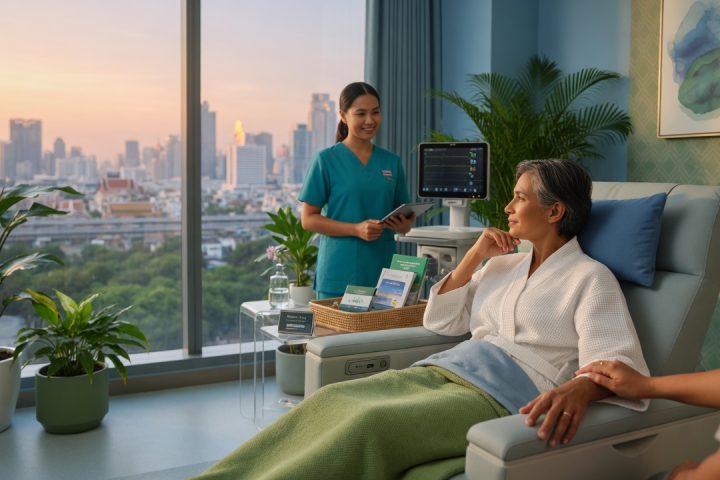
Quality of nursing care receives consistently positive mentions. Many patients describe Thai hospital staff as exceptionally attentive, friendly, and professional. The nurse-to-patient ratio in private hospitals is often higher than in Western facilities, leading to more personalized care.
Communication receives mixed reviews. Major hospitals with dedicated international departments earn high marks for English proficiency. However, some patients at smaller clinics report language barriers with non-medical staff, advising others to bring a translator for complex medical discussions.
The recovery environment is a genuine plus — Thailand’s warm climate and excellent food make post-operative recovery more pleasant. However, traffic and noise in Bangkok can be challenging for patients who need quiet rest after surgery.
A Reddit discussion on Thailand healthcare comparison highlights these trade-offs, with users sharing both positive experiences and practical warnings.
Positive and Constructive Feedback: A Balanced View
Positive feedback centers on professionalism, modern facilities, and personalized attention. Patients frequently mention feeling like valued individuals rather than numbers on a production line. The cost transparency of many hospitals — with clear package pricing — also earns praise.
Constructive feedback focuses on three areas: hidden charges when patients don’t request all-inclusive quotes, language difficulties with non-medical support staff, and challenges with post-operative follow-up from home. One Reddit user noted that their consultation fee was waived when they booked surgery, but they weren’t informed until after the initial payment — a reminder to ask about waivers upfront.
Frame these constructive points as things to watch for rather than deal-breakers. Every healthcare system has friction points, and knowing them in advance helps you navigate more smoothly.
How to Use Reviews in Your Decision-Making
A review of patient sentiments across several major platforms reveals this pattern for using feedback effectively. First, look for patterns, not isolated complaints — a single negative review among fifty positive ones is less meaningful than consistent complaints about the same issue. Second, focus on recent reviews within the last six months, as facilities change management and staff. Third, cross-reference discussions on Reddit and Facebook — a facility that scores well on Google, Facebook, and Reddit is likely delivering consistent quality. Finally, if a review mentions a specific surgeon or coordinator, note the name and request that person when booking.
Frequently Asked Questions
Can foreigners go to public hospitals in Thailand?
Yes, foreigners can receive treatment at public hospitals in Thailand, but wait times can be long and English-speaking staff are limited. Most medical tourists choose private JCI-accredited hospitals for faster service, dedicated international departments, and English-speaking coordinators. For example, Bumrungrad International Hospital has a full international patient department with over 100 languages available. However, public hospitals like Siriraj and Ramathibodi offer high-quality care at much lower costs if you are prepared for longer waits and possible language barriers.
How long to stay in Thailand for surgery?
Most patients stay in Thailand for 2 to 4 weeks, depending on the procedure. Minor outpatient surgeries like LASIK or dental work may require only 5-7 days for pre-op consultation and recovery. Major surgeries like hip replacement or open-heart surgery typically need 2-3 weeks. For example, a facelift usually requires at least 10 days for initial recovery and follow-up. Always confirm the recommended stay with your surgeon before booking flights and accommodation.
Is Thailand a good place for surgery?
Yes, Thailand is a leading destination for surgery, with over 60 JCI-accredited hospitals and highly trained surgeons. The country offers a wide range of procedures at significantly lower costs than the US or Europe, often 50-70% less. For example, a hip replacement costs around $8,000 in a Thai hospital versus $40,000 in the US. However, quality varies by facility, so it’s essential to choose a JCI-accredited hospital or a well-reviewed specialty clinic.
What is the most common surgery in Thailand?
The most common surgeries for medical tourists in Thailand are cosmetic procedures such as facelifts, breast augmentation, and liposuction. Dental implants, LASIK, and orthopedic surgeries like hip and knee replacements are also very popular due to cost savings and high success rates. For instance, cosmetic surgery in Thailand can be 60% cheaper than in the United States, attracting patients from around the world. Each procedure has its own considerations regarding facility choice, recovery time, and surgeon credentials.
How much do foreigners pay to see doctors in Thailand?
Doctor consultation fees in Thailand range from $30 to $150 for private hospitals and $15 to $50 for clinics. Specialist consultations may cost more, especially with top surgeons. Most international patient packages include the consultation fee if surgery is booked. For example, a consultation with a plastic surgeon at Bumrungrad typically costs $100–$150. These fees are significantly lower than in the US, where a similar consultation can cost $200–$500.
Limitations & Alternatives
Common Pitfalls When Choosing Between Hospital and Clinic
Pitfall 1: Choosing a clinic solely based on price. A clinic may offer a facelift for $1,000 less than a hospital, but if that clinic lacks emergency protocols or accredited anesthesiologists, the risk is not worth the savings. Verify emergency readiness before booking.
Pitfall 2: Assuming all hospitals have the same quality. JCI accreditation is not universal — some hospitals operate to lower standards. Check accreditation status directly on the JCI website and read recent patient reviews before committing.
Pitfall 3: Underestimating recovery time and logistics. Booking a flight home three days after a facelift because the clinic said recovery is “quick” can lead to complications. Always confirm the recommended minimum stay with your surgeon and add a buffer of 2-3 days.
When to Choose Alternatives (Hospital vs Clinic)
Hospital is the right choice if: Your surgery is complex or high-risk (cardiac, neurosurgery, major orthopedics), you have multiple health conditions (diabetes, heart disease, obesity), or you want the comprehensive safety net of a full hospital.
Clinic is the right choice if: Your procedure is minor and low-risk (LASIK, dental implants, minor cosmetic surgery), you are in good health with no significant comorbidities, and you want to maximize cost savings.
Hospital backup is essential if you choose a clinic for anything beyond the simplest procedures. Even accredited clinics have limitations — always confirm their emergency transfer agreement.
When to Seek Expert Help
If you have significant health issues or are considering a highly complex surgery, seek guidance from a qualified medical professional or a reputable medical tourism agency. A facilitator can help you navigate facility selection, visa logistics, and post-operative planning.
This article is for informational purposes only and does not constitute medical advice. Always consult a qualified healthcare provider before making any medical decisions.
Conclusion
For international patients, choosing between a hospital and a clinic for surgery in Thailand comes down to procedure complexity, health risks, and budget — hospitals offer comprehensive emergency and ICU care, while clinics provide cost-effective options for low-risk elective procedures with an average 44% cost saving (Statista, 2025). The Care Continuum framework we’ve applied throughout this guide helps you match your specific needs to the right facility, covering safety, cost, differences, and logistics.
The framework works because it addresses your decision from multiple angles: safety first, then cost, then facility capabilities, then logistics. If you’re still unsure which option fits your situation, start with your procedure’s complexity and health status. High-risk surgery with comorbidities points clearly to a hospital. Low-risk elective with good health points equally clearly to a clinic.
Use the facility evaluation checklist in this guide to assess your options. Start by consulting a JCI-accredited hospital or a reputable clinic for a personalized quote. Compare costs, verify credentials, read recent patient reviews, and confirm your recovery timeline before booking.