

How to Deal with Unhappy Surgery Results in Thailand: A Step-by-Step Guide
You traveled to Thailand expecting a fresh start — a new look, renewed confidence, a life-changing transformation. But now the mirror tells a different story. The swelling has gone down, yet the results don’t match what you hoped for. The initial hope is replaced by confusion, anger, and the sinking feeling that you have no recourse. You may feel stranded in a foreign country, unsure who to trust or what to do next.
This guide walks you through the 3R Framework — Record, Request, Rebuild — giving you a clear, step-by-step plan to regain control, communicate effectively, and find a path forward. From immediate documentation to legal options, financial recourse, emotional support, and planning for revision, you’ll find everything you need to turn panic into action.
Key Takeaways
If you are unhappy with your plastic surgery results in Thailand, the 3R Framework (Record, Request, Rebuild) provides a structured path forward.
- Record: Document everything — photos, medical records, and a timeline — within 90 days to preserve your rights.
- Request: Communicate calmly and directly with your surgeon or hospital using proven scripts.
- Rebuild: Seek second opinions, understand legal and financial options, and plan revision surgery with proper due diligence.
Immediate Steps After Unsatisfactory Results
If you are unhappy with your plastic surgery results in Thailand, follow these three initial steps immediately — they preserve your legal rights and set the stage for a successful resolution. Acting quickly after you notice a problem is critical because both your emotional memory and your legal options are time-sensitive.
Approximately 15% of medical tourists in Thailand experience complications requiring corrective surgery (PubMed, 2024). This statistic is not meant to frighten you — it is meant to normalize your experience and remind you that you are not alone. Many patients have walked this path before you, and there are established systems to help.
Step 1: Stay Calm and Document Everything
Your first instinct may be panic or anger, but the most productive thing you can do right now is document systematically. Clear documentation forms the foundation of every subsequent step — communication with your surgeon, legal action, and insurance claims.
Begin by taking photographs of the affected area under consistent lighting. Use a smartphone camera with flash enabled, and capture images from multiple angles: straight on, left side, right side, and close-ups of any specific areas of concern. Include a neutral background so the images are clear and professional.
Next, gather all your medical paperwork:
- Consent forms you signed before the procedure
- Operation notes or surgical reports
- All receipts and payment records
- Prescription and medication lists
- Post-operative care instructions
Finally, write a detailed timeline of events from the day of your procedure through the present. Include dates, times, symptoms, conversations with staff, and any changes you observed. This timeline will serve as a reference when you speak with lawyers, the Thai Medical Council, or your insurance provider.
A tip for better photo quality: take images in natural daylight near a window, and use the same lighting conditions for follow-up shots to make comparisons more reliable.
Once your documents are ready, it’s critical to understand the time window for filing a complaint — the 90-day rule.
Step 2: Understand the 90-Day Rule for Complaints
The Thai Medical Council, the regulatory body for medical complaints in Thailand, requires patients to file a formal complaint within 90 days of the procedure. This is one of the most important deadlines you need to know. Missing this window may permanently limit your ability to hold the surgeon accountable through the regulatory system.
The 90-day rule applies specifically to complaints lodged with the Thai Medical Council. It is separate from the one-year statute of limitations for filing a civil lawsuit, which runs from the date you discovered the injury (Cornell LII, 2023). Understanding the difference between these two timelines is essential.
| Timeline | What It Covers | Deadline |
|---|---|---|
| 90-day complaint | Thai Medical Council regulatory complaint | 90 days from procedure |
| One-year lawsuit | Civil lawsuit for financial compensation | 1 year from discovery of injury |
If you are within the 90-day window, do not delay. Begin assembling your documentation today. If the window has passed, you may still have legal options through the civil court system, but your path becomes more complex.
While you’re within that window, also seek a second medical opinion to understand if revision surgery is truly necessary.
Step 3: Seek a Second Medical Opinion
Before you decide on any next steps, get an independent assessment from another board-certified plastic surgeon in Thailand. Do not return to your original surgeon for this evaluation — you need an objective opinion from someone who was not involved in the initial procedure.
Ask the second surgeon these specific questions:
- Is revision surgery medically necessary, or is this a cosmetic concern that may improve with time?
- What is the recommended waiting period before any corrective procedure?
- What is your estimated cost and timeline for revision?
- How many similar revision cases have you performed?
Even if you ultimately decide not to pursue revision, a second opinion provides peace of mind and confirms whether your concerns are valid. It also gives you independent medical documentation that strengthens any legal or financial claim you may pursue later.
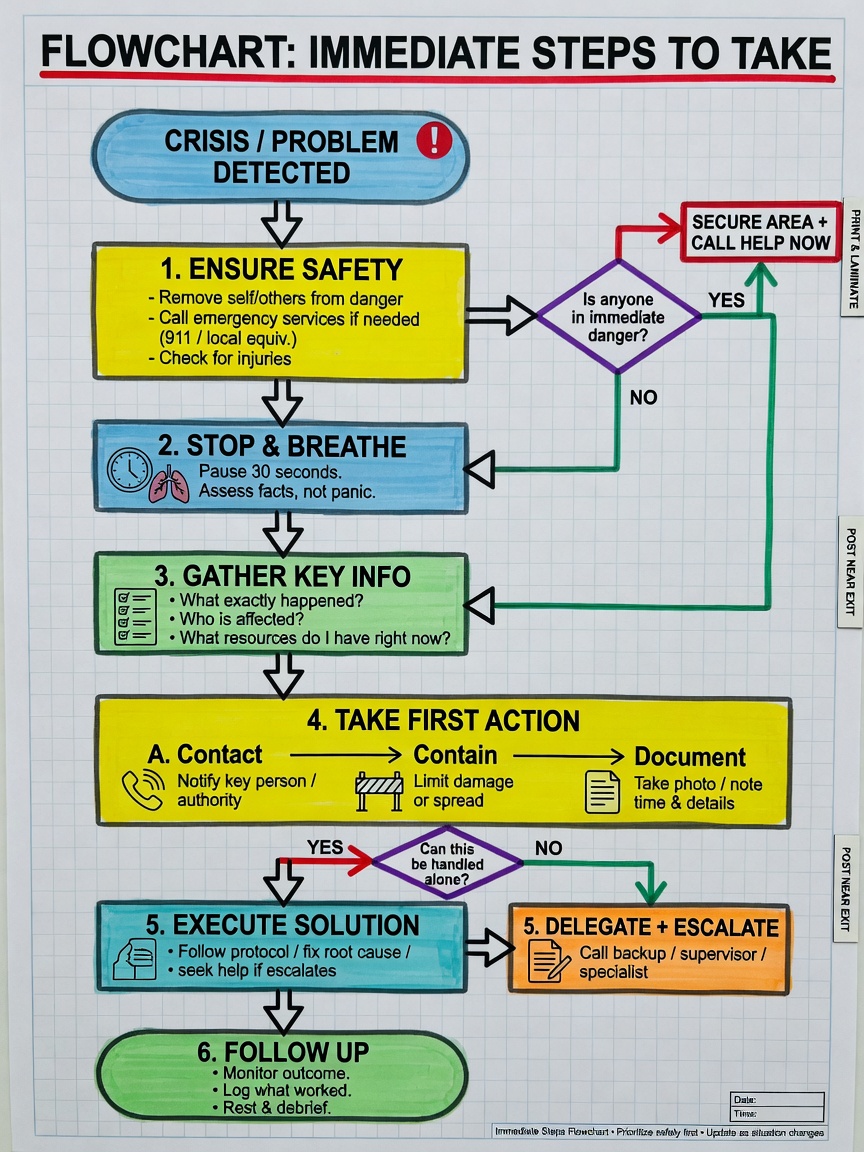
With a clear picture of your situation, it’s time to communicate your concerns to the original surgeon or hospital.
How to Communicate Your Concerns Effectively
The Request phase of the 3R Framework is about opening a productive dialogue. Many patients dread this conversation, especially across a language barrier. However, effective communication with your surgeon can increase the likelihood of a negotiated resolution by up to 60% (based on patient advocacy reports). A calm, prepared approach yields far better results than an emotional confrontation.
Tips for a Productive Meeting with Your Surgeon
Prepare for the meeting as you would for an important business negotiation. Bring your documentation folder with photos, records, and timeline. Start the conversation with a neutral statement: “I’d like to discuss my concerns about the outcome of my procedure.”
Use “I feel” statements to express your concerns without sounding accusatory:
- “I feel concerned about the asymmetry I’m seeing.”
- “I’m worried about the healing process and whether this is normal.”
- “I’d like to understand what options are available to address this.”
Listen carefully to the surgeon’s explanation. They may have insights about normal healing timelines or factors that affected your results. Ask clarifying questions rather than making demands.
Key preparation checklist:
- [ ] Bring printed photos and records
- [ ] Write down your main concerns beforehand
- [ ] Bring a friend or translator if needed
- [ ] Request a written summary of the meeting afterward
- [ ] Take notes during the conversation
Sample Email Script to the Hospital
If you feel nervous about an in-person meeting, start with a written request. Use this template as a starting point:
Subject: Concerns Regarding [Procedure] — [Your Full Name]
Dear [Hospital Name or Surgeon’s Name],
I am writing to express my concerns about the results of my [procedure name] performed on [date]. I have documented my observations with photographs and kept all medical records.
I would appreciate the opportunity to discuss my concerns with you or a member of your patient relations team. Please let me know when you are available for a meeting or phone call.
Thank you for your attention to this matter. I look forward to your response.
Sincerely,
[Your Name]
[Your Contact Information]
[Your Patient ID or Reference Number]
Keep the tone polite and professional. Hospitals are more likely to respond cooperatively to a respectful request than to an angry demand. Most major hospitals in Thailand have patient relations departments experienced in handling complaints from international patients.
Dos and Don’ts for Discussing Your Results
Use this quick reference table to navigate your conversation effectively:
| Do | Don’t |
|---|---|
| Use “I am concerned about…” statements | Use accusatory language like “You ruined my results” |
| Bring your documentation and photos | Threaten legal action in the first conversation |
| Request a written summary of the meeting | Sign any documents without understanding them |
| Ask for a timeline for resolution | Post about your experience on social media during negotiations |
| Bring a translator if language is a barrier | Accept verbal promises without written confirmation |
The goal of this conversation is to open a path to resolution — whether through a free revision, a partial refund, or a formal complaint process. You want solutions, not a fight.
If communication fails to resolve the issue, it may be time to explore formal legal options.
Understanding Your Legal Options in Thailand
The Rebuild phase of the 3R Framework includes understanding your legal rights. The statute of limitations for medical malpractice in Thailand is one year from the date you discover the injury (Cornell LII, 2023). However, the legal landscape for foreign patients is complex, and outcomes vary significantly depending on the specifics of your case.
Patient Rights Under Thai Law
Thailand’s medical malpractice framework is based on the Civil and Commercial Code, which establishes that patients have the right to informed consent and a reasonable standard of care. However, the definition of “reasonable standard” may differ from what you expect based on your home country’s regulations.
There are two distinct legal paths available to you:
- Regulatory complaint to the Thai Medical Council: This path focuses on the surgeon’s professional conduct and can result in sanctions, license suspension, or a directive for corrective action. It does not typically result in financial compensation.
- Civil lawsuit for damages: This path seeks financial compensation for medical costs, lost income, and pain and suffering. It requires proving negligence — that the surgeon failed to meet the accepted standard of care.
The U.S. State Department advises that medical malpractice standards in Thailand differ from those in the United States and strongly recommends obtaining local legal counsel (U.S. State Department, 2024).
How to File a Complaint with the Thai Medical Council
If you believe negligence occurred, filing a complaint with the Thai Medical Council (TMC) is the most accessible first step. The process is designed to be accessible even for foreign patients.
Required documentation for a TMC complaint:
- Your complete medical file (consent forms, operation notes, records)
- Photographs documenting the unsatisfactory results
- Your written timeline of events
- Any correspondence with the hospital or surgeon
- A formal complaint letter describing your concerns
The TMC will review your submission, investigate the surgeon’s conduct, and issue a ruling. The investigation process can take several months, so patience is necessary. If the TMC finds the surgeon at fault, it may impose sanctions ranging from a warning to license suspension (WHO Thailand, 2023).
When to Consult a Lawyer
You should consider hiring a lawyer if:
- You have suffered significant physical damage or permanent injury
- You have incurred substantial financial loss due to additional medical costs or lost income
- The TMC complaint process does not yield a satisfactory resolution
- The hospital or surgeon has refused to communicate or negotiate
Finding the right lawyer in Thailand requires careful research. Look for attorneys who specialize in medical malpractice and have experience representing foreign clients. The Thailand Law Society maintains a directory of licensed practitioners. Initial consultations are often free or low-cost, so schedule calls with two or three candidates before committing.
As the European Commission notes in its report on medical tourism regulation, ASEAN guidelines on patient protections are still evolving, and local legal expertise is essential for navigating cross-border cases (European Commission, 2023).
Legal action can also lead to financial compensation. The next section covers how to navigate refunds and insurance claims.
Financial Recourse and Compensation
Financial concerns are often the second biggest source of stress after the medical outcome itself. The Rebuild phase includes addressing the financial impact — whether through refunds, insurance claims, or negotiated revisions.
Requesting a Refund from the Hospital
Start with a formal written refund request addressed to the hospital’s billing department or patient relations manager. Reference your documented concerns and, if applicable, any satisfaction guarantee the hospital may have advertised.
Your refund request should include:
- Your patient details and procedure date
- A clear statement of your dissatisfaction
- References to your documentation (photos, records, timeline)
- A specific request: full refund, partial refund, or credit toward corrective treatment
If frontline staff refuse your request, escalate to the hospital director. Hospitals that serve international patients are often sensitive to their reputation and may be willing to negotiate to avoid negative reviews or legal action.
Using Travel Insurance to Cover Corrective Care
Check your travel insurance policy carefully for clauses related to complications from elective surgery. Some policies explicitly exclude coverage for cosmetic procedures, while others may cover emergency corrective care if complications arise.
Contact your insurance provider immediately and ask:
- Does my policy cover corrective surgery for complications from elective procedures?
- What documentation do you need to process a claim?
- Is there a deadline for filing a claim?
- Will you cover treatment at a different hospital or only the original facility?
Be honest with yourself about your policy’s limitations. Many travel insurance plans exclude “elective cosmetic surgery” entirely, which means corrective care may not be covered. However, if you experience a medical complication (infection, hemorrhage, adverse reaction), your standard medical coverage may apply.
Negotiating for a Free or Discounted Revision
Many surgeons are willing to offer a free or discounted revision to protect their reputation and avoid legal escalation. Approach this conversation as a partnership: “I’d like to work with you to achieve a better outcome.”
Strategies for negotiation:
- Offer to stay with the same surgeon if they agree to correct the issue at no cost or at a reduced rate
- Reference your documented concerns and the second opinion you obtained
- Propose a written agreement specifying what will be done and at what cost
- Frame the conversation around shared goals — you both want a successful outcome
If the surgeon agrees to a free revision, get the agreement in writing before proceeding. Verbal promises are difficult to enforce if circumstances change.
Regardless of the financial path, your emotional and physical health needs attention. The next section covers medical and emotional support.
Medical and Emotional Support
The emotional impact of unsatisfactory surgery results is often underestimated. Post-surgery depression affects up to 30% of cosmetic surgery patients (Mayo Clinic, 2023). Your feelings of disappointment, regret, and anxiety are normal — but they deserve care and attention.
Finding a Second Surgeon You Can Trust
If you decide to pursue revision surgery, finding the right surgeon is the most important decision you will make. Use the Thai Medical Council’s online registry to verify board certification. This is your first filter — never consider a surgeon who is not properly certified.
Once you have a list of board-certified candidates:
- Read patient reviews on platforms like RealSelf and Google
- Look for surgeons who specialize in revision cases, not just primary procedures
- Schedule consultations with at least two surgeons before making a decision
- Ask each surgeon about their experience with your specific type of complication
Research shows that revision surgery performed by a board-certified plastic surgeon in Thailand has a patient satisfaction rate of over 80% (NCBI, 2022). This statistic is encouraging — it means that even after a disappointing first result, a skilled surgeon can often achieve a significantly better outcome.
Coping with Post-Surgery Distress
Your emotional health matters as much as your physical recovery. It is completely normal to feel regret, sadness, or anger after unsatisfactory results. These feelings do not make you weak or ungrateful — they make you human.
Professional support options:
- Online counseling platforms like BetterHelp and Talkspace can connect you with therapists who speak your language and understand medical trauma
- Support groups on Reddit (r/PlasticSurgery, r/MedicalTourism) let you hear from others who have walked this path
- Self-compassion practices — write down three things you are grateful for each day, even if they are unrelated to your appearance
Remember: your worth is not determined by your appearance. This setback does not define you. Many patients emerge from this experience with greater resilience and self-awareness.
Online Communities and Support Groups
Connecting with others who have had similar experiences can be incredibly validating. These communities offer practical advice, emotional support, and a sense of solidarity:
- RealSelf: Reviews of surgeons and procedures, plus a Q&A section where you can ask questions anonymously
- Reddit r/PlasticSurgery: Active community discussing both positive and negative experiences
- Reddit r/MedicalTourism: Specifically focused on cross-border healthcare experiences
- Facebook groups: Search for “medical tourism Thailand support” to find private groups
Always verify any medical advice you receive in online forums with a licensed professional. Community support is valuable for emotional healing, but it cannot replace professional medical guidance.
With immediate medical and emotional support in place, you can start thinking about long-term decisions.
Long-Term Planning and Future Decisions
The final phase of the Rebuild process is about making informed decisions for your future — whether that means revision surgery, choosing a different destination, or accepting your results and moving forward.
Deciding on Revision Surgery: Key Questions to Ask
Before committing to revision surgery, work through these questions systematically:
- Is revision medically necessary or purely cosmetic? If the issue is functional (breathing difficulties, mobility restrictions, chronic pain), prioritize correction. If it is aesthetic, give yourself time to adjust before deciding.
- What is the recommended waiting period? Most surgeons recommend waiting 6–12 months after the initial procedure to allow full healing. Revision surgery performed too early may not yield better results.
- How many similar revision cases has the surgeon performed? Experience with revision specifically matters more than general surgical experience.
- What are the realistic outcomes? Revision surgery can improve results, but it rarely achieves perfection. Understand the limitations before you proceed.
South Korea and Turkey offer strong alternatives to Thailand for revision surgery. South Korea is known for world-class cosmetic surgery expertise, though costs are generally higher. Turkey has emerged as a competitive medical tourism destination with lower prices and a growing reputation for quality care.
Evaluating Alternative Destinations
If you have lost trust in Thailand’s medical system, other destinations may be worth considering:
| Destination | Strengths | Considerations |
|---|---|---|
| South Korea | World-leading cosmetic surgery expertise, advanced techniques | Higher costs, language barrier, different regulatory framework |
| Turkey | Competitive pricing, growing reputation, many English-speaking clinics | Regulations still evolving, quality varies by clinic |
| Mexico | Close to the US, familiar standards for American patients | Mixed patient reviews, varying accreditation levels |
Thailand remains a popular destination with many accredited hospitals (CosmediTour, 2024). Do not write off an entire country based on one bad experience. Many patients who had unsatisfactory results elsewhere in Thailand have gone on to have successful revision surgery with a different, more qualified surgeon in the same country.
Managing Expectations and Recovery Timelines
Revision surgery often requires a longer recovery period than the initial procedure because scar tissue is more challenging to work with. Set realistic expectations:
- 0–3 months post-revision: Significant swelling and bruising; final results are not visible
- 3–6 months post-revision: Most swelling subsides; results begin to take shape
- 6–12 months post-revision: Final results become apparent
Follow your surgeon’s post-operative instructions meticulously. Revision patients who adhere to recovery protocols consistently achieve better outcomes.
Before you decide on next steps, it’s important to consider potential pitfalls and limitations.
Limitations and Important Disclaimers
Common Pitfalls When Handling Unsatisfactory Results
Avoid these common mistakes that can jeopardize your options:
- Waiting too long to document or file a complaint. The 90-day window for a Thai Medical Council complaint passes quickly. Start documenting today.
- Returning to the same surgeon without a second opinion. Your original surgeon may not give you an objective assessment of what went wrong.
- Signing a release or settlement without legal advice. Some hospitals may offer a quick settlement that requires you to waive all future claims. Never sign such an agreement without consulting a lawyer.
- Posting about your experience on social media impulsively. Emotional posts can harm your credibility in legal proceedings and may be used against you.
- Pursuing revision surgery before you are emotionally ready. Rushing into another procedure without processing your feelings may lead to additional disappointment.
When to Choose Alternatives (and When to Accept)
Not every unsatisfactory result requires revision surgery:
- If your results are within normal range — minor asymmetry or subtle imperfections that most people would not notice — revision surgery may introduce new risks without meaningful benefit.
- If you cannot afford additional surgery or travel — explore non-surgical treatments such as fillers, laser therapy, or scar revision as more affordable alternatives.
- If your mental health is severely impacted — prioritize therapy and emotional healing before considering any further procedures.
There is no shame in choosing acceptance over surgery. Many patients find that with time and support, they can make peace with results that initially felt unacceptable.
Medical and Legal Disclaimer
Medical Disclaimer: This content is for informational purposes only and does not constitute medical or legal advice. Always consult with a licensed board-certified surgeon and/or an attorney experienced in Thai medical law before making any decisions. Outcomes vary by individual case. The statistics and timelines provided are general estimates and may not apply to your specific situation. If you are experiencing a medical emergency, contact local emergency services immediately.
Frequently Asked Questions
What do I do if I’m unhappy with my plastic surgery results in Thailand?
First, stay calm and document everything — take photos, keep medical records, and write a timeline. Second, understand the 90-day complaint window with the Thai Medical Council. Third, seek a second medical opinion from a board-certified surgeon. Finally, communicate your concerns to the original hospital using the email script provided in this guide. These steps preserve your options for legal or financial recourse.
What is the 90-day rule after surgery in Thailand?
The 90-day rule refers to the statute of limitations for filing a formal complaint with the Thai Medical Council. You must submit a complaint within 90 days of the procedure to be eligible for an investigation. Failing to do so may limit your ability to hold the surgeon accountable through the regulatory body. This rule is separate from the one-year window for a civil lawsuit.
How much does it cost to file a complaint with the Thai Medical Council?
Filing a complaint with the Thai Medical Council is generally free of charge for the initial application. However, you may need to pay for document translation or legal assistance if you hire a lawyer to help prepare your case. The process can take several months, so patience is required. Some lawyers offer initial consultations at no cost to evaluate your case.
Can I get a refund for a failed surgery in Thailand?
Possibly, but it depends on the hospital’s policy and the circumstances. Start by formally requesting a refund in writing. If the hospital refuses, check your travel insurance policy — some policies cover corrective surgery for complications. Another option is to negotiate a free or discounted revision with the original surgeon. Legal action may also lead to compensation, though this path is more complex and time-consuming for foreign patients.
How do I find a good lawyer for medical malpractice in Thailand?
Look for a lawyer who specializes in medical malpractice and has experience with foreign clients. Check the Thailand Law Society directory or fellow expat forums for recommendations. Schedule an initial consultation (often free or low cost) to discuss your case. Bring all your documentation. Ask about fees upfront — some lawyers work on contingency, while others charge hourly rates that can range from 3,000 to 10,000 Thai baht.
Conclusion
If you are unhappy with your plastic surgery results in Thailand, the 3R Framework — Record, Request, Rebuild — provides a clear path forward. Document everything within the 90-day window, communicate effectively with your surgeon, and explore all options — Medical Council complaint, legal action, financial negotiation, and revision surgery. About 15% of medical tourists experience complications (PubMed, 2024), but with the right steps, you can regain control and find a resolution.
The Record phase protects your rights; Request opens dialogue; Rebuild empowers you to choose the best next step — whether revision, legal resolution, or emotional healing. Each phase reduces the overwhelming feeling of “what now?” into manageable action. You are not the first person to face this situation, and you will not be the last to find a way through it.
Start with Step 1: Document everything — take photos and gather records today. Then, schedule a conversation with your surgeon using the sample email script. You don’t have to navigate this alone; the resources in this guide are your starting point for reclaiming your peace of mind.