
The search for the top hospitals in Thailand for plastic surgery and stem cell treatments often leads to a fragmented ecosystem. You know high-quality options exist, but verifying which clinics excel at both advanced cosmetic procedures and legitimate regenerative therapies is a high-stakes challenge. Choosing the wrong facility can lead to wasted money, subpar results, or—in a Your Money Your Life (YMYL) context—serious health risks from unverified clinics and the prevalent confusion between cosmetic-only factories and true regenerative specialists.
By the end of this guide, you will have a clear, data-driven comparison of Thailand’s elite, JCI-accredited hospitals that specialize in combining aesthetic and regenerative medicine, empowering you to make a safe and financially sound decision. We will analyze the methodologies, compare the top institutions head-to-head, review real patient case studies, and provide a checklist for verifying clinic legitimacy.
[Medical Disclaimer: The information in this guide is for educational purposes only and is not a substitute for professional medical advice. Always consult with a qualified healthcare provider before making any medical decisions.]
Selecting a top Thai hospital for combined plastic surgery and stem cell therapy requires a Dual-Specialty Medical Excellence framework. Thailand’s leading JCI-accredited hospitals offer these advanced procedures for up to 70% less than in the USA.
- JCI Accreditation: This is the non-negotiable gold standard for patient safety and clinical quality.
- Top Plastic Surgery: Yanhee and Bumrungrad are leading choices for complex cosmetic procedures.
- Top Regenerative Centers: Specialized clinics like The Regeneration Center offer verified MSC+ protocols.
- Cost Savings: Patients can save over $10,000 on combined treatments compared to Western prices.
Thailand’s Medical Standards & Costs
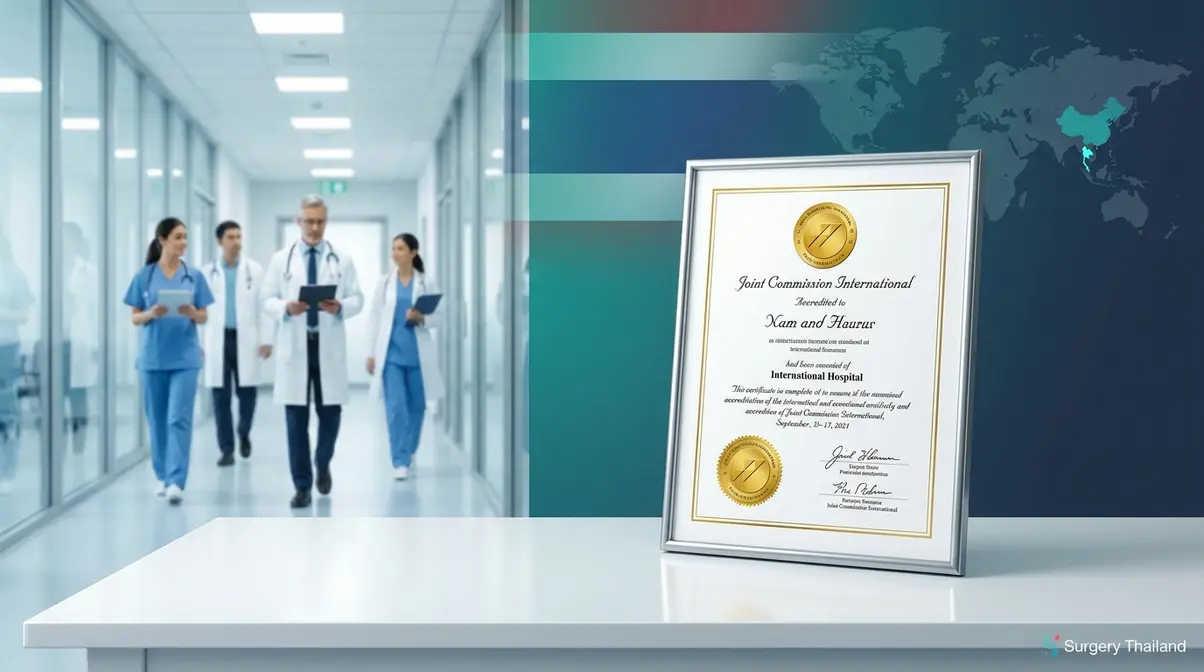
For an advanced medical tourist, consulting a comprehensive medical tourism guide is the first step in risk mitigation. The country’s top-tier medical system is built on internationally recognized standards, primarily Joint Commission International (JCI) accreditation, which provides a robust framework for patient safety and quality of care.
This commitment to quality makes Thailand a premier global destination for cosmetic procedures. Thailand stands as the world’s leading medical tourism destination, attracting nearly three million international patients annually prior to 2020 due to its low costs and availability of specialized treatments (National Center for Biotechnology Information, 2023).
Why JCI Accreditation is Non-Negotiable
Joint Commission International (JCI) accreditation is the undisputed “gold standard” for global healthcare quality and patient safety. It is a rigorous certification provided by a US-based nonprofit that audits hospitals worldwide against hundreds of demanding metrics. This isn’t a simple business license; it’s a deep clinical evaluation.
JCI surveyors assess critical areas such as surgical care standards, infection prevention and control, medication management, and patient identification protocols to prevent errors. Choosing a JCI-accredited hospital in Thailand means selecting a facility that has voluntarily submitted to and passed these world-class benchmarks. You can use their official database to (https://www.jointcommission.org/en-us/about-us/recognizing-excellence/find-accredited-international-organizations) before committing to any procedure.
GMP Labs and MSC+ Cell Purity
When evaluating stem cell therapy, the quality of the laboratory is as important as the skill of the clinician. Good Manufacturing Practice (GMP) is an international system that ensures medical products, including stem cells, are consistently produced and controlled according to quality standards. For a stem cell lab, GMP certification guarantees cell viability, purity, potency, and freedom from bacterial or viral contamination.
High-quality therapies often utilize MSC+ (Mesenchymal Stem Cells), a potent type of adult stem cell prized for its powerful anti-inflammatory and tissue repair capabilities. The regenerative capabilities of mesenchymal stem cells are revolutionizing plastic surgery. Opting for a hospital with an in-house or affiliated GMP-approved lab is a critical step in ensuring the safety and efficacy of your treatment and one of the core tenets of our Dual-Specialty Medical Excellence framework for evaluating regenerative medicine options.
Data-Driven Value of Medical Tourism
“Thailand offers significantly lower prices for stem cell therapy while maintaining high safety and quality standards.”
This sentiment captures the core value proposition of Thai medical tourism. The crucial takeaway is that lower cost is not synonymous with lower quality, especially within the JCI-accredited ecosystem. The significant price difference—often 50-70% less than in the United States or Western Europe—is driven by lower overhead, labor, and operational costs, not a compromise on clinical excellence or technology.
For example, a deep plane facelift that costs $25,000-$50,000 in the US can be performed by a top Thai surgeon for $8,000-$15,000. This allows patients to access premium care that might be financially prohibitive at home—saving up to 70%—so you can allocate funds toward longer, stress-free recovery periods. Further insights into understanding stem cell therapy costs reveal similar value. The average international cost for stem cell treatments can be prohibitive, but Thailand provides a high-quality, more accessible alternative.
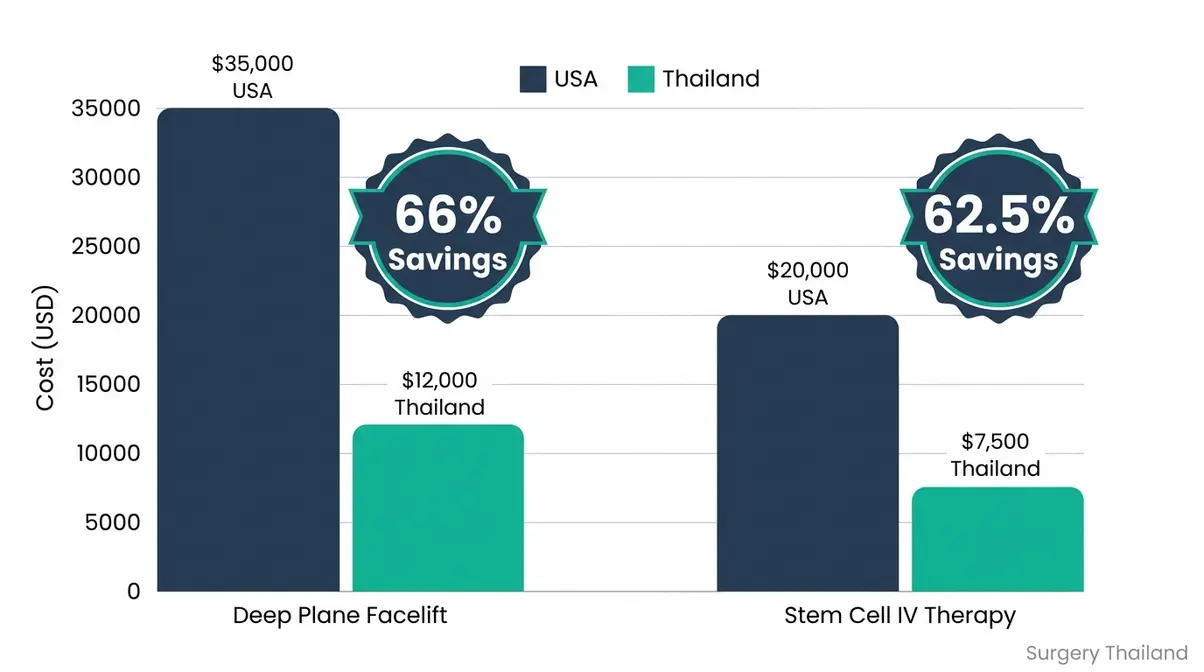
Caption: A 2026 cost comparison shows that patients can save over 65% on major procedures like facelifts and stem cell treatments by choosing a JCI-accredited Thai hospital over a comparable US facility.
| Procedure | Average USA Cost | Average Thai Cost | Estimated Savings |
|---|---|---|---|
| Deep Plane Facelift | $35,000 | $12,000 | 66% |
| Stem Cell IV Therapy | $20,000 | $7,500 | 62.5% |
2026 Dual-Specialty Comparison Matrix
To facilitate a direct comparison, the following matrix evaluates Thailand’s leading JCI-accredited hospitals based on their dual-specialty capabilities, regulatory compliance, and patient-centric services. Use this data to create your initial shortlist based on the criteria most important to you. This analytical tool is the heart of the Dual-Specialty Medical Excellence approach, allowing a clear view of facilities that truly excel in both aesthetic surgery and regenerative medicine.
Bumrungrad International Hospital maintains JCI accreditation since 2002—proving over two decades of elite, verifiable patient safety compliance. When reviewing this matrix, pay close attention to distinct operational differences. For example, some facilities maintain an in-house Thai FDA-approved laboratory for stem cell cultivation. Ultimately, selecting a facility with an in-house lab provides a superior safety margin compared to clinics relying on outsourced cell transport. It drastically reduces cell transit time and ensures maximum viability upon administration.
| Feature | Bumrungrad Int. | Yanhee Int. | Samitivej Hospital | Kamol Hospital |
|---|---|---|---|---|
| JCI Accredited? | Yes (Since 2002) | Yes (Since 2011) | Yes | Yes (Cosmetic) |
| Primary Specialty | Complex Medicine | Cosmetic & Plastic | Full Service | Cosmetic & Gender |
| Plastic Surgery Focus | Reconstructive, Facelifts | Full Body, Facial | Comprehensive | Facial Feminization |
| Stem Cell Therapy? | Yes (Limited, Ortho) | No | Yes (Wellness) | No (Focus is surgery) |
| Thai FDA Lab? | Yes | N/A | Yes | N/A |
| Board-Certified Surgeons? | Yes (US/EU boards) | Yes (Thai boards) | Yes (US/Thai boards) | Yes (Thai boards) |
| Avg. Facelift Cost | ~$12,000 – $18,000 | ~$7,000 – $10,000 | ~$10,000 – $15,000 | ~$8,000 – $12,000 |
| Integrative Packages | Limited | No | Yes (Wellness focus) | No |
| Best For | Overall medical quality | High-volume cosmetic | Family medical tourism | Specialized procedures |
| E-E-A-T Signal | Top-ranked global hospital | 400-bed specialty facility | Renowned high-end care | Leader in FFS/SRS |
As the table illustrates, the “best” hospital depends heavily on your primary medical goal and desired aesthetic outcomes. For the highest overall medical authority and complex needs requiring multidisciplinary oversight, Bumrungrad remains a world leader. Their ability to handle high-risk patients makes them ideal for major revision procedures.
Conversely, for purely cosmetic procedures at a highly competitive price point, Yanhee is a strong, efficient contender with massive daily surgical volume. For those seeking integrated wellness packages that combine aesthetics with regenerative therapies in a resort-like atmosphere, Samitivej provides a unique offering tailored to holistic recovery. Finally, Kamol operates as a highly specialized boutique. Their exclusive focus on gender-affirming and complex facial bone contouring surgeries makes them a niche destination where surgical precision supersedes the need for broad, general hospital services.
Top 3 Advanced Plastic Surgery Centers
Browsing a vetted best hospitals directory reveals that Thailand’s reputation in plastic surgery was built on the skill of its surgeons and the quality of its specialty hospitals. Our evaluation focused on JCI-accredited facilities with a demonstrated track record in complex procedures and high patient satisfaction. These hospitals represent the pinnacle of aesthetic medicine in Southeast Asia, each with distinct areas of expertise.
Yanhee: Facial & Body Contouring
Yanhee Hospital’s 400-bed facility reduces overhead—allowing deep plane facelifts at 66% lower costs than comparable US clinics. Yanhee is arguably the most famous name in Thai plastic surgery, and for good reason. It functions as a high-volume, hyper-specialized center for a vast array of cosmetic procedures. With over 150 full-time doctors, Yanhee’s scale allows it to offer competitive pricing without compromising on its JCI-accredited standards.
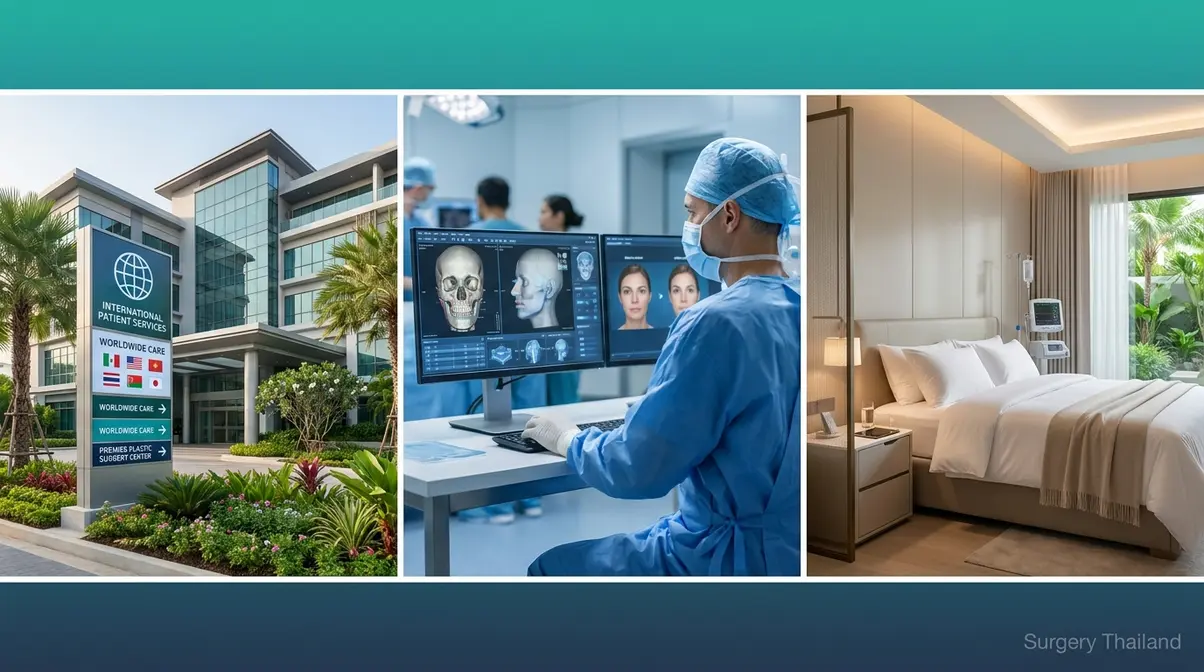
The hospital is particularly renowned for breast augmentations, tummy tucks, and facial contouring. While it may not have the luxury feel of a private boutique, its efficiency and extensive experience make it a top choice for patients focused on proven results and value. To support their massive volume of international visitors, Yanhee features a dedicated International Patient Center. This center provides 24/7 translation services and streamlined consultation-to-surgery pipelines that maximize efficiency for medical tourists on a tight schedule. Patients looking for a one-stop shop for multiple aesthetic enhancements often find Yanhee’s comprehensive service list ideal.
Bumrungrad: Reconstructive Surgery
Bumrungrad International Hospital represents the absolute peak of medical excellence in Thailand and is consistently ranked among the best hospitals in the world. While it is a full-service hospital, its Plastic Surgery Center is a global destination for patients seeking complex and reconstructive procedures. It is the preferred choice for revision surgeries, complex deep plane facelifts, and cases requiring a multidisciplinary medical team.
While boutique clinics offer personalized charm, the intensive care capabilities of a massive facility like Bumrungrad are non-negotiable for high-risk revision surgeries. The surgeons often hold US or European board certifications, providing an added layer of international trust. The facility’s investment in technology is second to none, utilizing 3D imaging and AI for advanced surgical planning. Bumrungrad also keeps specialists like cardiologists on standby for older patients undergoing major surgery, ensuring the highest echelon of patient safety. While it is the most expensive option on this list, the level of assurance and clinical oversight is unmatched.
Kamol: Specialized FFS & SRS
Kamol Cosmetic Hospital has carved out a distinct niche as a world-leading center for facial feminization (FFS) and gender-affirming surgeries (SRS). While it offers a full spectrum of cosmetic procedures, its international reputation is built on this specialized expertise. Dr. Kamol Pansritum and his team have performed thousands of these complex, life-changing surgeries, attracting patients from all over the globe.
The hospital provides an all-inclusive, boutique experience, complete with on-site accommodation and a supportive environment tailored to its international clientele. These recovery apartments provide daily nursing care post-op, which is critical for invasive jaw and facial feminization surgeries. This minimizes movement and physical stress during the vulnerable early healing phases. For patients seeking the highest level of specialization in FFS, V-line jaw surgery, or SRS, Kamol Hospital is a global destination of choice.
Best Thai Hospital for Surgery?
The “best” hospital depends entirely on your specific needs and priorities. For complex reconstructive work or if you demand the highest level of comprehensive medical oversight, Bumrungrad International Hospital is a world-class choice. For a wide range of common cosmetic procedures at a competitive price point from a highly experienced, JCI-accredited facility, Yanhee International Hospital is a top contender. For specialized procedures like facial feminization, Kamol Hospital is a global leader.
Top 3 Centers for Stem Cell Therapy
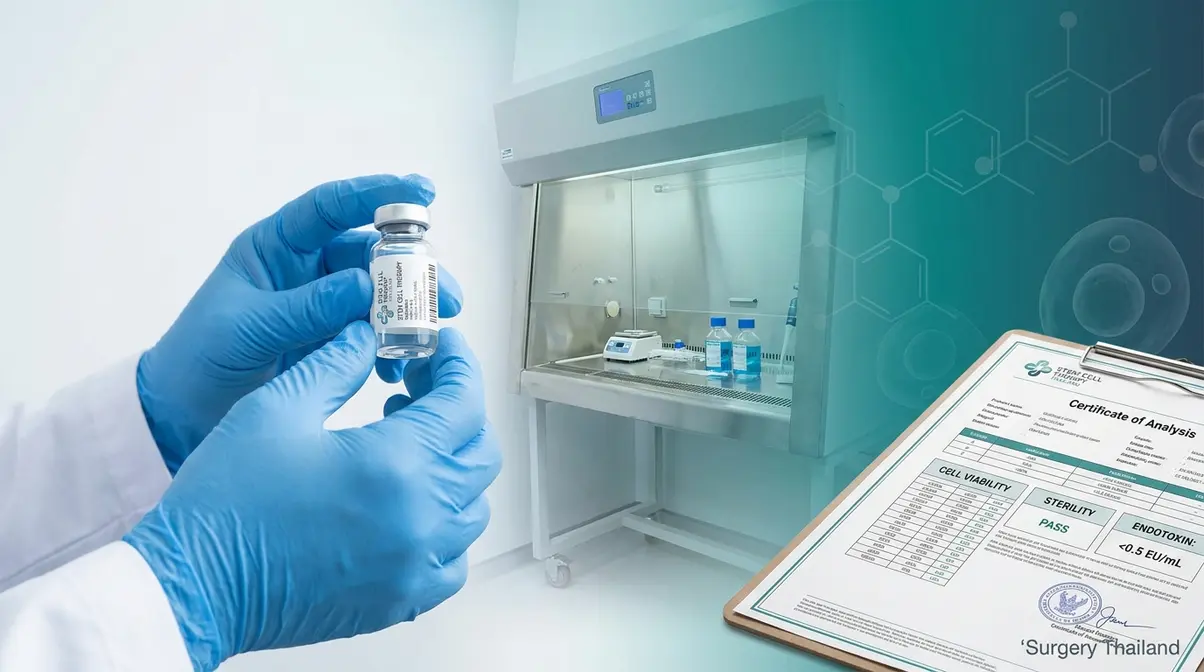
The field of regenerative medicine is advancing rapidly, and Thailand is at its forefront. However, this is also an area ripe for misinformation. Our Dual-Specialty Medical Excellence framework rigorously vets centers based on their use of GMP-approved labs, clear MSC+ protocols, and transparent reporting. The following clinics represent the most credible and advanced options for those seeking to integrate anti-aging and regenerative therapies into their medical journey.
The Regeneration Center: MSC+
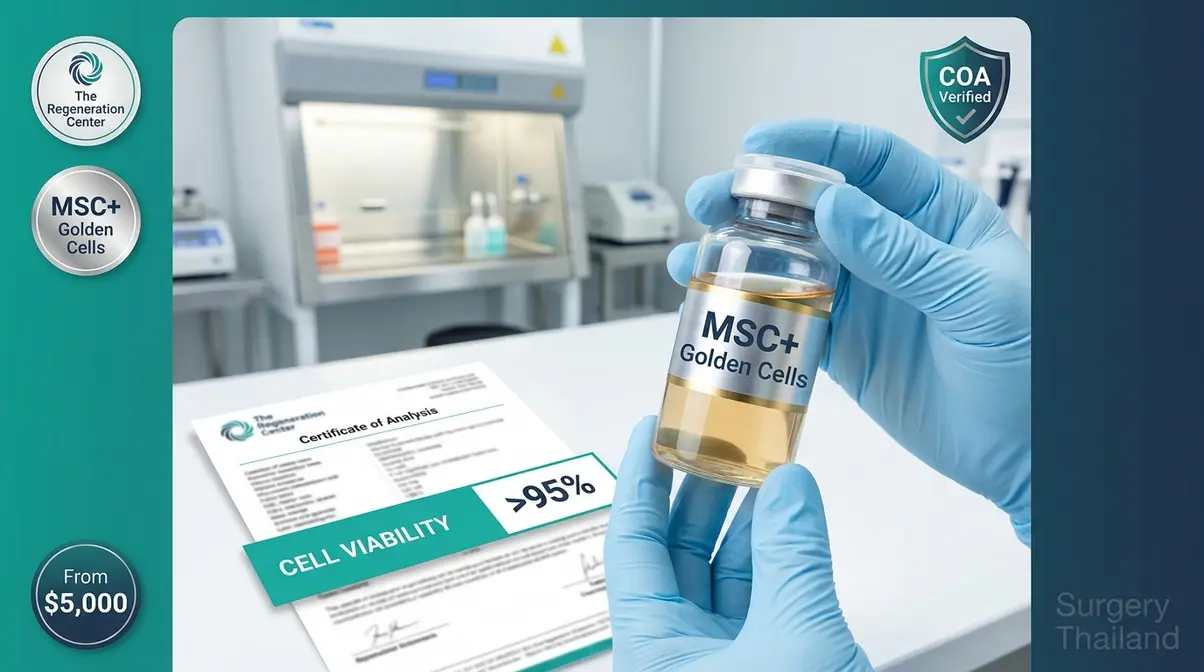
The Regeneration Center was founded on the principle of providing verifiable, science-backed regenerative therapies. They are explicit about their use of “Golden Cells”—high-potency Mesenchymal Stem Cells (MSC+)—and provide patients with detailed Certificates of Analysis (COA) for each batch, ensuring transparency in cell count and viability. Their protocols focus on systemic anti-aging, neuro-regeneration, and orthopedic applications.
What sets them apart is their educational approach and their strict, explicit exclusion criteria. Not every patient qualifies for treatment, proving they prioritize medical efficacy over rapid sales. MSC+ therapies here are customized based on comprehensive pre-treatment blood panels to target specific inflammatory markers. By specializing exclusively in regenerative medicine, StemCellThailand.org has become a trusted name for discerning patients who demand the highest standards of cell quality, separating them from clinics that offer stem cells as a mere add-on.
ID Clinic: Integrated Aesthetics
Mesenchymal stem cells exceed 95% viability in GMP labs—ensuring maximum anti-inflammatory repair for recovering surgical patients. ID Clinic (Integrated Diagnostics) takes an interesting approach by blending functional and regenerative medicine with aesthetic treatments. They appeal to patients who are not just looking to treat a symptom but are aiming to optimize their overall health and longevity.
Their offerings include IV nutrient therapy, hormone balancing, and advanced MSC+ stem cell treatments. The clinic excels in combining topical exosome therapy with microneedling or laser resurfacing. This synergistic approach accelerates collagen production immediately following a cosmetic lift, bridging the gap between surgery and cellular biology. This integrative model is ideal for the patient who wants to combine a non-invasive cosmetic procedure with a foundational anti-aging therapy. It’s a holistic approach to looking and feeling younger, making it a unique “inside-and-out” option in the Thai medical landscape.
Where Did Joe Rogan Go for Stem Cells?
The recent attention on celebrities traveling for stem cell therapy has driven significant interest in the field. While Joe Rogan has openly discussed receiving stem cell therapy, the exact location is kept private, though it is widely understood to have been at a clinic in Panama. He has spoken about it on his podcast, mentioning that he went to “get the stem cells pumped into him.”
The key takeaway from his experience is not the specific location, but the protocol: seeking out specialized clinics that focus exclusively on high-dose regenerative therapies for systemic and orthopedic benefits. Top centers like The Regeneration Center can replicate these advanced protocols directly in Thailand. The “celebrity protocol” is less about a secret location and more about accessing a high-quality product administered by experienced specialists.
The Patient Journey: Costs & Logistics
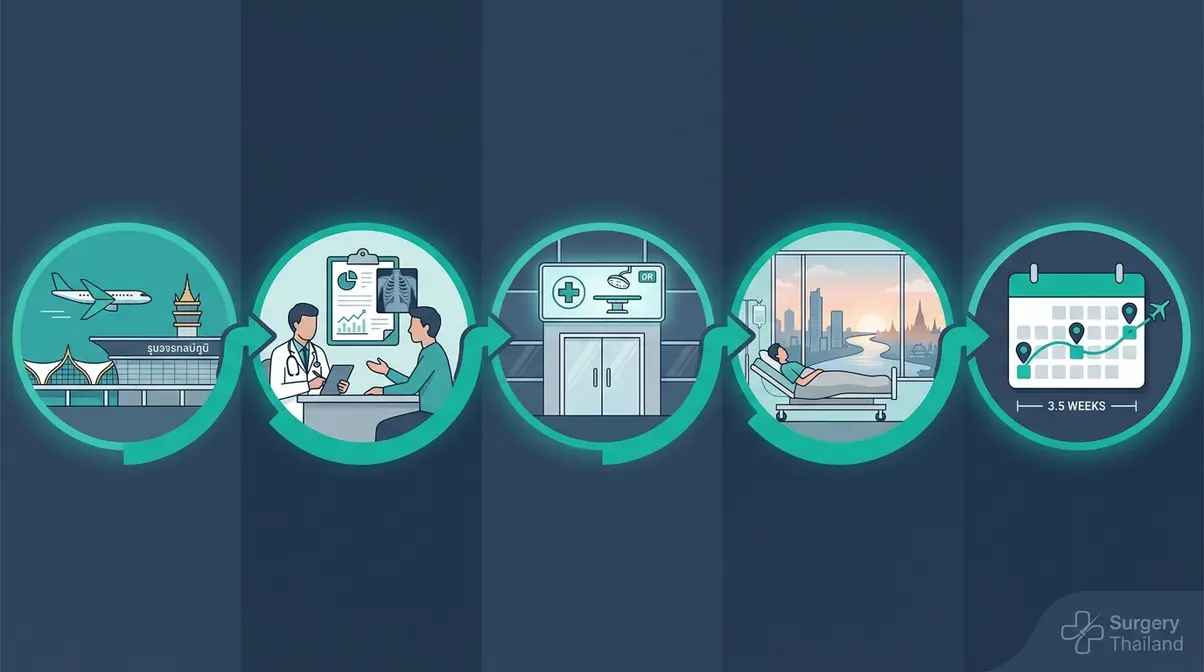
Theoretical costs and hospital statistics are useful, but real-world case studies provide the most valuable insights for a prospective medical tourist. These examples illustrate the practical logistics, timelines, and combined costs of undertaking a dual-specialty medical journey in Thailand.
Case 1: Facelift & MSC+ IVs (USA)
A 58-year-old patient from California was seeking a significant facial rejuvenation and a boost to her overall vitality. The US-quoted price for a deep plane facelift alone was over $40,000. In Thailand, she was able to combine the facelift at Bumrungrad Hospital for ~$15,000 with a comprehensive anti-aging protocol of three high-dose MSC+ IV infusions at a specialized regenerative clinic for an additional $12,000.
- Total Cost in Thailand: ~$27,000
- Total Cost in USA (estimated): $60,000+
- Savings: Over 55%
- Logistics: The patient flew to Bangkok and had her initial consultations. The facelift was performed first, followed by a 10-day recovery period in a serviced apartment. The stem cell IVs were administered on days 12, 14, and 16 post-op to aid recovery and provide systemic benefits before her flight home. The entire trip spanned 3.5 weeks.
Case 2: Maximum Value & Recovery
A 45-year-old patient from Australia wanted to maximize his time in Thailand. He opted for a package at a hospital known for combined procedures, like those offered at Vejthani Hospital. He combined a rhinoplasty (~$4,000), blepharoplasty (eyelid surgery, ~$2,000), and a course of orthopedic stem cell injections for a chronic knee issue (~$8,000). By scheduling the procedures together, he consolidated his consultation and recovery time into a single 3-week trip.
- Total Cost in Thailand: ~$14,000
- Logistics: All consultations were done in one day. The surgeries were performed first, with the stem cell injection administered two days later. This allowed for a single anesthesia event and a coordinated recovery plan managed by one clinical team. This approach is highly efficient but requires careful planning and a robust patient to manage the combined recovery process.
Due Diligence & Clinic Verification

Navigating international medical care requires a proactive approach to safety and verification. Understanding the regulatory differences and knowing how to vet a clinic are non-negotiable skills for any medical tourist. This section provides the critical framework for your due diligence process.
US vs. Thai Regulatory Comparison
This is a common and critical question. It’s not that stem cell therapy is entirely unapproved in the US; rather, the US FDA has extremely strict regulations. Currently, the FDA has only approved a small number of stem cell products, mostly derived from cord blood for treating certain blood disorders. The use of a patient’s own (autologous) or donor (allogeneic) MSCs for orthopedic or anti-aging purposes is generally considered experimental and is not approved for widespread use outside of clinical trials.
The FDA requires a lengthy and expensive drug approval process. In contrast, the Thai FDA allows for broader use of stem cells by licensed physicians, treating them as a medical procedure rather than a drug. This more permissive regulatory environment, when combined with high clinical standards at top hospitals, enables access to therapies not yet available in the US.
5-Step Checklist to Verify a COA
The true marker of a legitimate regenerative clinic is not aggressive marketing, but a willingness to openly share negative sterility testing results. When you receive stem cell therapy, you are not just buying a service; you are receiving a biological product. Demanding to see the Certificate of Analysis (COA) for the cell batch is your most important safety check.
- Request the COA: A reputable clinic will provide this without hesitation. If they refuse or make excuses, walk away.
- Check the Cell Type: The COA should explicitly state “Mesenchymal Stem Cells” (MSCs).
- Verify Cell Count & Viability: Look for two numbers: the total number of cells (e.g., 100 million) and the viability percentage (should be >95%). Low viability means you are injecting dead or ineffective cells.
- Confirm Sterility Testing: The report must show “No Growth” or “Negative” for bacterial, fungal, and mycoplasma contamination. This is non-negotiable for safety.
- Look for Endotoxin Levels: Endotoxins are toxic substances from bacteria. The level should be extremely low (e.g., <0.5 EU/mL). This confirms the purity of the cell culture process.
Consulting Your Primary Care Doctor
This guide is for informational purposes and should not be considered medical advice. Before planning any international medical travel, it is essential to consult with your primary care physician in your home country. Discuss your plans, share information about the procedures you are considering, and ensure you are in a stable state of health to travel and undergo surgery.
Your doctor can provide crucial context about your personal health history and help you coordinate pre-travel preparations and post-treatment care upon your return. This crucial dialogue between your home doctor and your international medical team is a cornerstone of a safe and successful medical tourism journey. Comparing options on medical tourism platforms can be a starting point, but professional medical consultation is essential.
Frequently Asked Questions
Cost of Stem Cell Therapy in Thailand?
The cost of stem cell therapy in Thailand typically ranges from $5,000 to $20,000 USD. This price variation depends heavily on the type and number of cells, the delivery method (IV vs. injection), and the complexity of the condition being treated. For example, a single IV infusion for general anti-aging might start around $5,000-$8,000. A more comprehensive orthopedic protocol involving multiple targeted injections could be at the higher end of the range. Always confirm what is included in the quoted price.
Is Thailand good for stem cell therapy?
Yes, for the discerning and well-researched patient, Thailand is one of the best places in the world for stem cell therapy. The country combines a more permissive regulatory environment than the US or EU with a number of highly advanced, JCI-accredited hospitals and specialized clinics. These top-tier facilities offer access to advanced MSC+ protocols in GMP-approved labs that are not yet widely available in the West. However, it is crucial for patients to perform due diligence and choose a reputable center that provides transparent documentation of cell quality (COA).
Recovery time for combined treatments?
Recovery time varies greatly but plan for a minimum of 3-4 weeks in Thailand. A major surgery like a facelift requires at least 10-14 days before you are “restaurant ready” and can fly comfortably. Stem cell IV infusions have no real downtime, but they are often scheduled a few days after surgery to aid recovery. Combining procedures means you will have a more intensive initial recovery period. It is crucial not to rush your return; allow your body ample time to heal before undertaking a long-haul flight.
Is plastic surgery in Thailand safe?
When performed at JCI-accredited facilities by board-certified specialists, plastic surgery in Thailand meets or exceeds global safety standards. Thai hospitals heavily invest in state-of-the-art surgical technology, intensive care units, and rigorous infection control protocols. Major institutions like Bumrungrad and Yanhee have decades of verified data demonstrating exceptional patient safety records. The key to mitigating risk is bypassing unaccredited “budget” clinics and exclusively booking procedures through verified, globally recognized medical centers.
Are stem cell treatments legitimate?
Yes, when sourced from a GMP-approved laboratory and accompanied by a verified Certificate of Analysis (COA). Legitimate clinics prioritize high-potency Mesenchymal Stem Cells (MSC+) with documented viability scores over 95%. These biological products undergo strict endotoxin and sterility testing to ensure they are free from bacterial or viral contamination. Patients must proactively ask for these laboratory documents, as clinics failing to provide a COA are likely offering unverified, lower-quality treatments.
Conclusion
For the analytical medical tourist, the decision to pursue care in Thailand is a calculated one, balancing cost, quality, and access to advanced treatments. The Dual-Specialty Medical Excellence framework provides a clear path forward, emphasizing that the most successful outcomes are born from selecting a facility with proven expertise in both the surgical precision of plastic surgery and the biological rigor of regenerative medicine. The data shows that JCI-accredited hospitals like Bumrungrad and specialty centers such as Yanhee offer world-class results at a fraction of Western prices.
This journey is not merely about cost savings; it is about accessing a higher tier of integrated care. By leveraging Thailand’s unique combination of advanced-but-accessible regenerative therapies alongside aesthetic mastery, patients can achieve results that go beyond skin deep. The framework presented in this guide—vetting JCI and GMP credentials, verifying COAs, and understanding the real patient journey—is your best tool for mitigating risk and maximizing this opportunity.
Your next step is to begin the consultation process. Reach out to the international patient departments of your top 2-3 shortlisted hospitals to check out specific availability. Prepare your medical records, be specific about your goals for combining procedures, and use the checklists provided here to guide your questions. A 30-day evaluation of their responsiveness, transparency, and clinical recommendations will reveal the right partner for your transformative medical journey.