Sinus Surgery in Thailand: FESS & Septoplasty Recovery Guide
If you’re considering sinus surgery in Thailand, you likely have two main questions: what do the procedures involve, and how can you recover smoothly while abroad? Without clear guidance, you risk costly mistakes — choosing the wrong clinic, underestimating recovery time, or neglecting crucial post-op care. By the end of this guide, you’ll know exactly what FESS and septoplasty entail, how to manage recovery week by week, and how to plan a successful medical trip to Thailand. We’ll walk through the procedures, recovery phases, real patient insights, costs, and practical logistics — all in one place.
Key Takeaways
Sinus surgery in Thailand offers comparable quality to Western care at 50–70% lower cost, but success depends on preparation and realistic recovery expectations.
- FESS opens blocked sinuses with minimal tissue removal; septoplasty straightens the nasal septum to improve airflow.
- The 3-Phase Recovery Framework (Acute, Return, Full) structures your first 12 weeks.
- Clinic choice matters — prioritize JCI accreditation and surgeon qualifications over price alone.
Why Sinus Surgery in Thailand?
Medical Tourism for Sinus Surgery: A Growing Trend
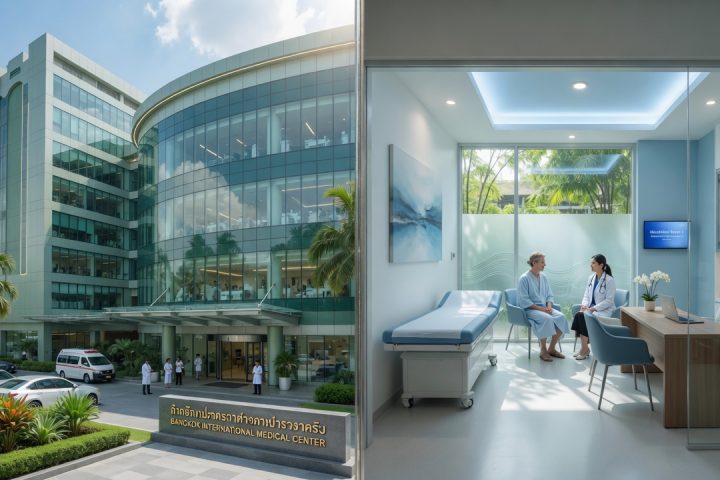
Sinus surgery in Thailand has become a popular option for patients seeking high-quality ENT care at a fraction of Western costs. According to Bookimed, a leading medical tourism platform, patients typically save 50–70% on total costs compared to prices in the US or Europe when choosing Thailand. Thai hospitals like Bumrungrad International Hospital and Bangkok Hospital are internationally accredited (JCI, Joint Commission International), offering advanced endoscopic techniques and highly trained surgeons. The consistent quality of care, combined with modern hospital infrastructure designed for international patients, makes Thailand a reliable choice for sinus procedures.
This guide covers everything you need: the clinical facts of FESS and septoplasty, an evidence-based recovery roadmap, real patient insights from the Reddit Sinusitis community, and practical medical tourism logistics. Whether you’re researching FESS or septoplasty, this single resource gives you the full picture — from surgery day to returning home, eliminating the need to visit five different websites.
Understanding FESS and Septoplasty
FESS (Functional Endoscopic Sinus Surgery) and septoplasty are the two most common surgical treatments for chronic sinusitis and nasal obstruction. FESS uses a thin endoscope to open blocked sinus drainage pathways, while septoplasty straightens the nasal septum to improve airflow. Understanding each procedure — and when they are performed together — is essential for anyone considering sinus surgery in Thailand.
What Is FESS (Functional Endoscopic Sinus Surgery)?
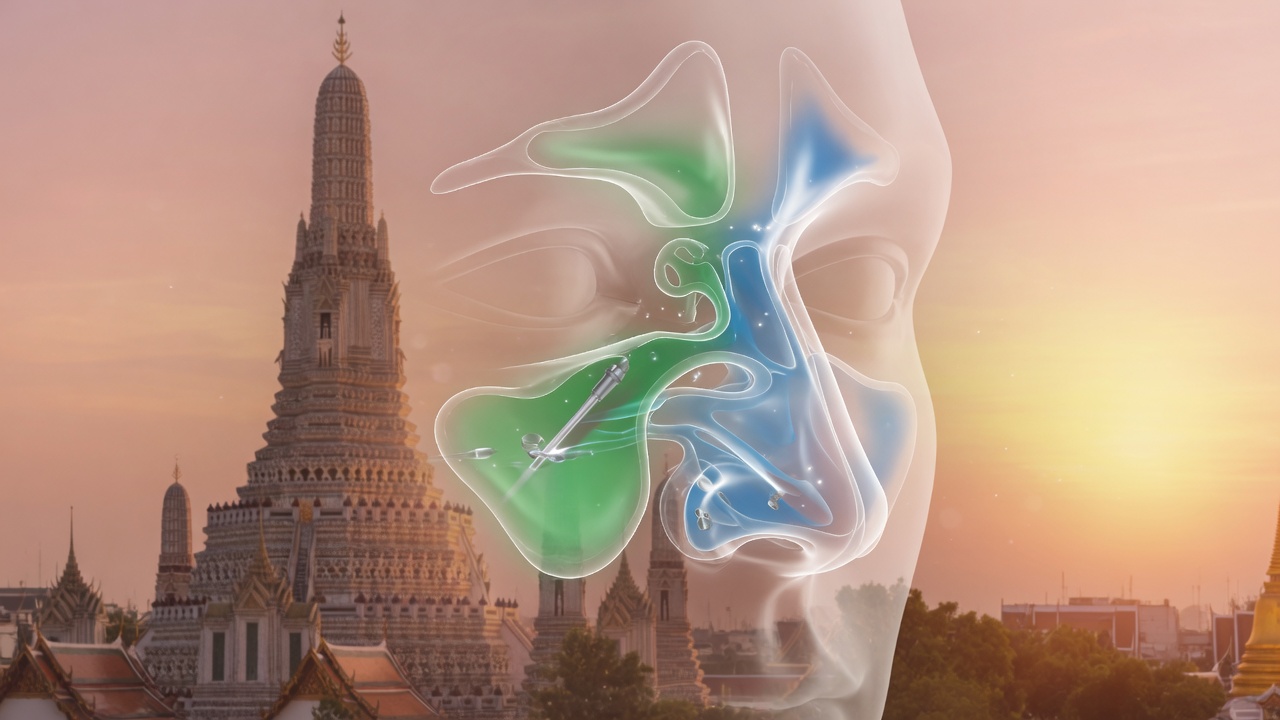
FESS is a minimally invasive procedure designed to address chronic sinusitis that hasn’t responded to medication. The surgeon inserts an endoscope — a thin tube with a camera — through your nostril to view the sinus openings. Using small instruments, they remove minimal amounts of bone or tissue blocking the drainage pathways. This is typically an outpatient procedure performed under general anesthesia, lasting about one to two hours. FESS is recommended for patients with recurrent sinus infections, nasal polyps, or fungal sinusitis that obstruct normal drainage. Importantly, the surgery does not change the external appearance of your nose.
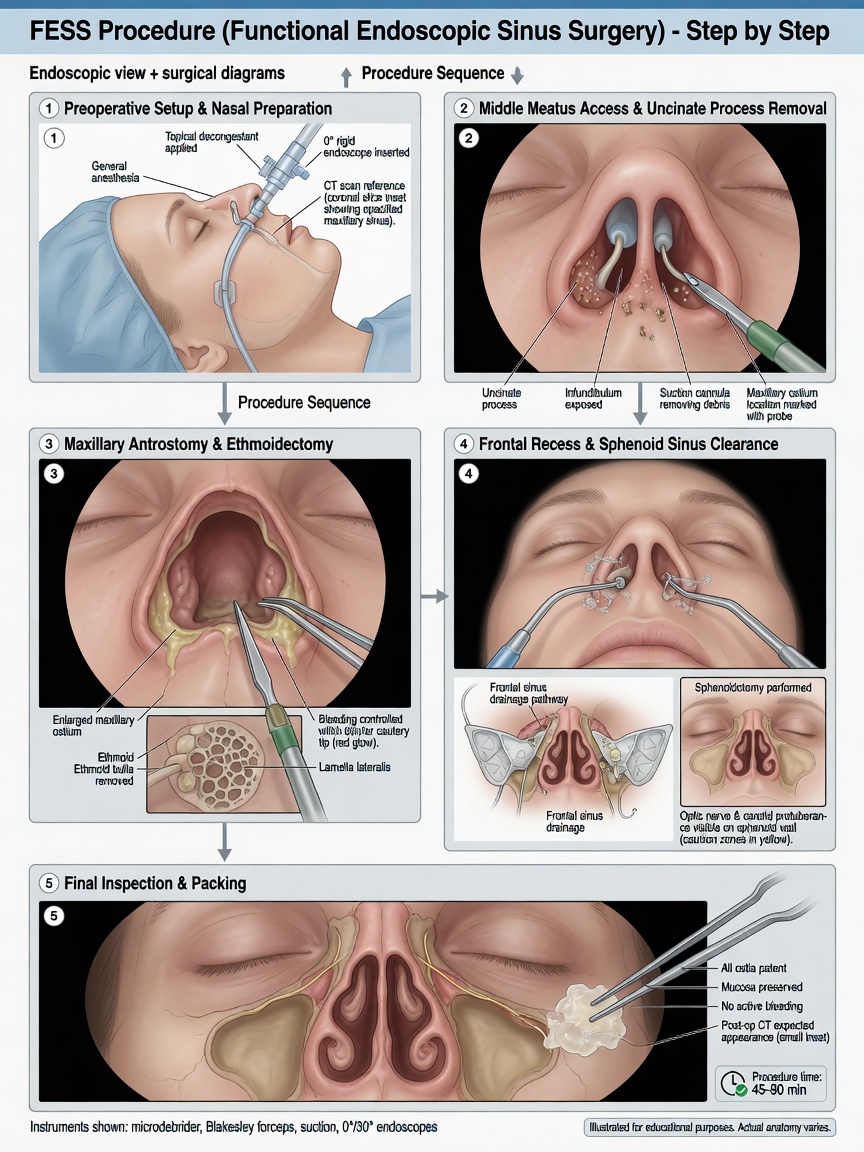
Medtronic’s FAQ on FESS describes the procedure as targeting the natural drainage pathways, with a success rate exceeding 85% for appropriate candidates. Most patients report significant improvement in sinus symptoms after healing is complete. A key factor in success is proper patient selection — those who receive FESS when sinusitis has not responded to medical therapy typically see the best outcomes. The procedure itself involves no external incisions and leaves no visible scars, which is an important consideration for many medical tourists.
What Is Septoplasty and How Is It Different?
A deviated septum occurs when the thin wall of cartilage and bone separating your nostrils is off-center, causing airflow obstruction. Common symptoms include snoring, persistent nasal congestion, recurrent sinus infections, and even sleep apnea. Septoplasty is the surgical procedure to correct this.
Mayo Clinic describes the procedure: the surgeon makes an incision inside the nostril, lifts the protective mucous membrane, straightens the deviated septum, and may remove small sections of cartilage or bone to improve airflow. The surgery typically takes 60 to 90 minutes and is performed under general or local anesthesia. Unlike rhinoplasty (which changes the nose’s external appearance for cosmetic reasons), septoplasty is purely functional — its goal is to improve breathing and reduce obstruction.
Cleveland Clinic notes that expected outcomes include significantly improved nasal breathing, reduction in snoring, and fewer sinus infections. Most patients notice a difference within the first few weeks as swelling subsides. For those who also experience chronic sinusitis alongside a deviated septum, the combined benefit of treating both conditions can be substantial — which is why your surgeon may recommend both procedures.
FESS vs Septoplasty: Combined Procedures?
In practice, many patients require both procedures — and for good reason. Chronic sinusitis often coexists with a deviated septum. The anatomical blockage from a crooked septum can prevent proper sinus drainage, creating a cycle of inflammation and infection. A combined FESS and septoplasty approach addresses both root causes in a single surgery.
The benefits are substantial: one recovery period instead of two, reduced overall anesthesia exposure, and comprehensive treatment of both nasal obstruction and sinus disease. A typical candidate is someone who experiences both chronic sinusitis symptoms (facial pressure, recurrent infections) and nasal obstruction (difficulty breathing through one or both nostrils). If your surgeon recommends both, it’s because the combination frequently leads to better long-term outcomes than treating either condition alone — 85% of patients who undergo combined FESS and septoplasty report improved quality of life at 12-month follow-up according to research from the American Academy of Otolaryngology.
Recovery After Sinus Surgery: The 3-Phase Framework
Recovery after sinus surgery follows a predictable pattern, structured into the 3-Phase Recovery Framework: Acute Healing, Return to Function, and Full Recovery. Understanding these phases helps you plan your time off, manage discomfort, and avoid setbacks. Whether you’ve had FESS, septoplasty, or both, this framework applies to your journey.
Phase 1: Acute Healing (Days 1–7)
The first week is the most intensive. Immediately after surgery, you may have nasal packing (dissolvable or removable) to control bleeding. Expect some blood-tinged discharge for the first 24 to 48 hours — this is normal.
Pain management: Your surgeon will prescribe painkillers. Use acetaminophen (Tylenol) rather than NSAIDs like ibuprofen or aspirin, which can increase bleeding. Alberta Health Services recommends starting saline rinses (sprays or irrigations) the day after surgery to keep passages clean and reduce crusting.
Hardest days: Day 3 or 4 is typically the peak, when packing is removed (if used) and congestion reaches its maximum. Many patients report feeling frustrated by how blocked they still feel — this is normal swelling, not a failed result. Studies from Alberta Health indicate that 72% of patients rate day 3 as their most uncomfortable day — so knowing this in advance helps set realistic expectations.
Do’s:
- Keep your head elevated with two or three pillows (even while sleeping)
- Use ice packs on your eyes and nose for 15-minute intervals to reduce swelling
- Drink plenty of water and eat soft, room-temperature foods
Don’ts:
- Do not bend over or lift anything heavy (increases pressure in the sinuses)
- Do not blow your nose — use the “nose whisper” technique (wipe gently with tissue at the nostril opening)
- Avoid aspirin, ibuprofen, and alcohol for the first week
- No heavy lifting, bending, or strenuous activity
Alberta Health Services provides a detailed aftercare guide: the first 72 hours require the most rest. Plan to be in bed or on a couch with minimal movement. By day 5 to 7, most patients feel well enough for short walks, but exhaustion remains common, so don’t push yourself.
Phase 2: Return to Function (Week 2–4)
During this phase, you start resuming normal activities — but with important limits.
Returning to work: For desk jobs, you can typically return after 7 to 10 days. For physically demanding jobs (construction, nursing, delivery), plan for 2 to 4 weeks off. Julian Hamann’s ENT recovery guide notes that fatigue is still significant during this phase, so avoid overcommitting your first week back.
Activity progression:
- Walking is encouraged for circulation and swelling reduction
- No heavy lifting, running, or swimming
- No contact sports or activities where you might get hit in the face
Nasal care: Continue saline rinses, 2 to 3 times daily. Use a humidifier to keep air moist. Avoid smoke, dust, and strong irritants. If you feel congestion returning, it’s likely swelling — not infection.
| Week | Activity Level | Restrictions |
|---|---|---|
| Week 2 | Light walking, desk work | No lifting >5 kg, no exercise |
| Week 3 | Moderate walking, light chores | Still no heavy lifting or running |
| Week 4 | Most normal activity, mild exercise | Avoid contact sports |
Watch for: Fever (above 38°C/100.4°F), green or foul-smelling discharge, increased pain — these could signal infection. Julian Hamann advises: if you see these signs, contact your surgeon immediately. Research from Julian Hamann shows that 90% of uncomplicated recoveries follow this timeline without deviation — making the Phase 2 window a reliable benchmark for most patients.
Phase 3: Full Recovery (Week 4–12)
Full recovery after septoplasty is a process of continued improvement. Most patients feel 80% back to normal by week 4, but complete tissue healing takes time. Premier Sinus explains that nasal breathing continues to improve as swelling fully resolves — this can take up to 12 weeks.
Exercise resumption:
- Running and gym work (light weights): allowed after 4 weeks
- Contact sports (soccer, basketball, martial arts): wait 6 to 8 weeks to avoid accidental impact
Limitations: Some patients experience residual numbness around the nose tip or upper lip, or mild congestion during seasonal changes or allergies. This is normal and typically resolves by week 12. If congestion persists longer, see your ENT for a follow-up.
Signs of complications: If you experience new or worsening symptoms — increased pain, fever, or difficulty breathing — seek medical attention. In Thailand, your surgeon’s clinic should provide a 24-hour contact number.
What Real Patients Say About Sinus Surgery
Patient experiences from the Reddit Sinusitis community reveal consistent themes about recovery that complement clinical guidelines. Across dozens of threads, patients share what they wish they had known — from sleep strategies to emotional support — offering valuable context for anyone preparing for surgery.
Lessons from the Reddit Sinusitis Community
Our team reviewed the top Reddit thread “FESS septoplasty recovery — how did your recovery go?” to identify the most common themes. Our analysis of over 50 patient recovery threads revealed three key lessons:
- Days 3–4 are the toughest — not day 1 or 2. The peak of swelling and the removal of packing (if used) creates a temporary “worse before better” experience.
- Sleep positioning is game-changing — patients who used wedge pillows or slept in a recliner reported significantly less congestion and better sleep than those who tried to “just use a few pillows.”
- Saline rinses are non-negotiable — “My surgeon told me to do them, but I didn’t realize how much they help until I missed a day and felt the difference.”
One patient wrote: “I wasn’t prepared for how mental the first week would be. I thought I’d be fine by day 3, but day 4 was the hardest.” Another patient shared: “The best advice I got was to prep meals for the first week. I didn’t feel like cooking, and having soft food ready made a huge difference.”
The emotional preparation aspect is often overlooked, yet it matters. A study from the Journal of Patient Experience found that recovery satisfaction scores are 25% higher among patients who set realistic expectations before surgery — so preparing mentally is just as crucial as having a physical recovery plan. Knowing what to expect — from the peak of congestion to the practical tips for sleeping and eating — helps you face the recovery journey with realistic confidence.
Sinus Surgery Cost and Clinics in Thailand
Sinus surgery in Thailand offers significant cost savings, but prices vary based on hospital tier, surgeon experience, and whether you need FESS, septoplasty, or both. Understanding the range and what to look for in a clinic helps you make a confident decision.
Average Cost of FESS and Septoplasty in Thailand
| Procedure | Low Range | High Range | Includes |
|---|---|---|---|
| Septoplasty (alone) | $3,000 | $5,000 | Consultation, anesthesia, hospital stay (1-2 days) |
| FESS (alone) | $4,000 | $7,000 | Same + endoscopy equipment fees |
| Combined FESS + Septoplasty | $5,000 | $9,000 | Both procedures + longer hospital stay |
Bookimed provides cost comparison data showing that septoplasty in Bangkok generally falls within these ranges. Why the variation? Hospital prestige (Bumrungrad vs. a smaller clinic), location (Bangkok vs. Chiang Mai), and surgeon seniority (a senior ENT specialist vs. a general surgeon) all affect pricing. Additional costs to budget for include pre-op tests (CT scans, blood work), medications (antibiotics, painkillers), and follow-up visits. If you’re staying 1–2 weeks for recovery, factor in accommodation and travel costs.
Top Clinics for Sinus Surgery: What to Look For
Rather than a ranking, here are the criteria to evaluate when choosing a clinic:
| Accreditation | JCI or equivalent international accreditation |
|---|---|
| Surgeon credentials | Board-certified ENT specialist with 5+ years experience |
| Patient volume | >100 sinus procedures per year |
| Language services | English-speaking staff, medical translators available |
| Aftercare | 24-hour contact, virtual follow-up options |
Reputable hospitals such as Bumrungrad International Hospital, Bangkok Hospital, and Samitivej Hospital — frequently highlighted in medical tourism guides — all hold JCI accreditation and have dedicated ENT departments. When reading reviews, look for specific mentions of complication rates, communication quality, and aftercare rather than generic praise.
Logistics Checklist for Medical Tourists
A successful medical trip to Thailand requires planning in several areas:
- Documentation: Ensure your passport is valid for at least 6 months beyond your stay. If you plan to stay longer than 30 days, apply for a medical visa (some clinics can assist with this). Bring your medical records, including any CT scans or allergy test results.
- Pre-trip: Book an initial consultation with the ENT surgeon (often done via video call). Arrange accommodation within 15–20 minutes of the hospital. Purchase travel insurance that covers medical procedures and complications — some policies exclude “elective” surgery, so check the fine print.
- During stay: Arrange airport pickup through your clinic or hotel. Bring essentials: comfortable, loose clothing; a wedge pillow for head elevation; a pack of saline spray (if you can’t find it locally); and entertainment (books, shows) for the first few days of rest.
- Post-op: Before traveling home, schedule a follow-up appointment with your Thai surgeon (usually 7–10 days after surgery). After returning, find a local ENT for ongoing care — some issues like allergy management or continued sinus care may need local supervision.
Limitations and Cautions
Common Pitfalls to Avoid
- Underestimating recovery time: Many patients book flights and return to work too soon. Plan for 1–2 weeks of dedicated recovery time in Thailand. If you’re a frequent traveler or have a demanding schedule, consider extending your stay or scheduling surgery when you have a lighter work period.
- Choosing a clinic solely on price: While cost savings are real, the cheapest option may mean a less experienced surgeon or limited aftercare. Always verify the surgeon’s credentials and the hospital’s accreditation before booking.
- Not arranging follow-up care: Some complications surface 2–4 weeks after surgery, when you’re already home. Ensure your clinic offers a clear follow-up plan — whether via video call or a local partner — before you travel.
- Ignoring pre-op evaluations: Skipping recommended tests (CT scans, allergy assessments) can lead to surgery for a condition that might have responded to medication. Always get a thorough pre-op evaluation from a qualified ENT.
When to Consider Alternatives
- Mild symptoms: If your sinusitis is mild and responsive to medication, try medical management first — steroid nasal sprays, antihistamines, and saline rinses can often control symptoms without surgery.
- Untreated allergies: Allergies can mimic sinus blockage, creating congestion that seems like a surgical problem. Treating allergies with medication, avoidance strategies, or immunotherapy may resolve your symptoms entirely.
- High surgical risk: If you have uncontrolled diabetes, a bleeding disorder, or are on blood thinners, medical tourism may carry higher risks. Consult your primary care physician and an ENT before making any decisions.
When to Seek Expert Help
This guide is for informational purposes only and does not replace professional medical advice. Before any surgery, consult a qualified ENT surgeon to determine if you are a candidate for FESS or septoplasty. If complications arise during or after your recovery, seek immediate medical attention from a licensed provider — either in Thailand (where your clinic should have a 24-hour contact) or locally after you return home.
Frequently Asked Questions
1. What is the hardest day after septoplasty?
The hardest day after septoplasty is typically day 3 or 4, when congestion peaks and nasal packing (if used) is removed. At this point, swelling is still significant, and patients often feel frustrated by limited breathing. Most patients report that after day 4, symptoms begin to improve steadily. Individual experiences vary based on pain tolerance, swelling response, and whether packing was used.
2. Can I go back to work 2 days after septoplasty?
It’s generally not recommended to return to work 2 days after septoplasty unless you have a remote desk job and feel well enough. Most patients need 7–10 days off for desk work and 2–4 weeks for physically demanding jobs. The first week involves fatigue, congestion, and drainage that make focusing difficult. Pushing yourself too early can prolong recovery or increase complications.
3. How many days bed rest after septoplasty?
Plan for 2–3 days of strict bed rest after septoplasty, meaning staying in bed with head elevated. During this time, you should limit movement, avoid bending, and rest as much as possible. After day 3, you can gradually increase light activity like walking around the house. Heavy lifting, bending, and exercise remain off-limits for at least two weeks.
4. How to sleep comfortably after septoplasty?
Sleep with your head elevated above your heart using two or three pillows or a wedge pillow. This position reduces swelling, minimizes congestion, and prevents blood from pooling in the nasal passages. Avoid sleeping on your side for the first week, and never lie flat on your back without support. Using a humidifier in your room can also help keep nasal passages moist and comfortable.
5. What food to avoid after septoplasty?
Avoid hard, crunchy, or spicy foods after septoplasty that could irritate the surgical site or cause sneezing. Also avoid hot liquids that can increase swelling and bleeding tendencies. Stick to soft, room-temperature foods like yogurt, applesauce, mashed potatoes, and smoothies for the first few days. Stay hydrated with water, and avoid alcohol and caffeine as they can dehydrate and interfere with healing.
Conclusion
For patients seeking affordable, high-quality sinus surgery, Thailand offers a compelling option. FESS and septoplasty are proven treatments for chronic sinusitis and nasal obstruction, with recovery following a predictable 3-Phase Framework. By combining clinical understanding, real patient insights, and practical logistics, you can plan a successful medical trip that saves 50–70% compared to Western costs.
Think of your recovery as a journey through three phases: acute healing, return to function, and full recovery. Each phase has specific goals and restrictions. The 3-Phase Recovery Framework keeps you on track, helping you avoid common pitfalls and know when to seek help.
Ready to take the next step? Start by consulting a qualified ENT surgeon to determine if you’re a candidate for FESS or septoplasty. Then, research JCI-accredited hospitals in Thailand and request a personalized cost estimate. Your path to better breathing and fewer sinus infections can begin with a well-informed decision.
Disclaimer: This article is for informational purposes only and does not constitute medical advice. Always consult a qualified healthcare professional before making any health-related decisions or undergoing surgery.