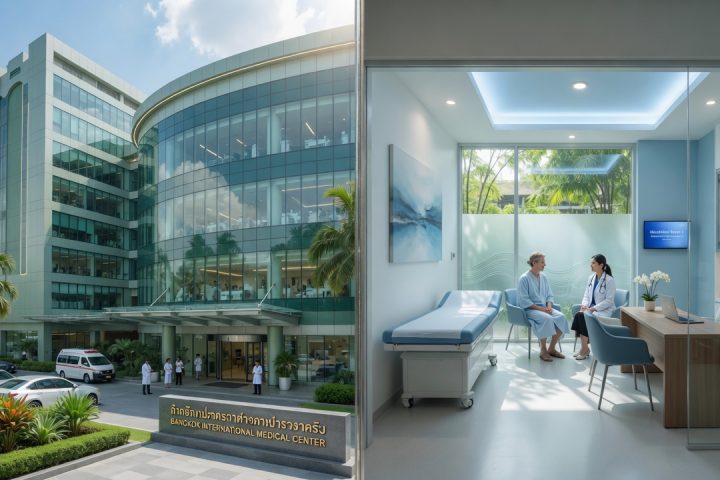

Plastic Surgery in Thailand: The Ultimate Guide to Safety, Costs, and Top Clinics
You have been thinking about plastic surgery for years — but the cost in your home country feels impossible. Maybe you have looked into local clinics only to find price tags that stretch far beyond your budget. Then you heard about Thailand: half the price, beautiful beaches, and world-class hospitals that attract patients from every corner of the globe. But a nagging question stops you: Is it safe? Is it worth the risk of traveling so far from home?
The fear of something going wrong in a foreign country can be paralyzing. Stories about botched surgeries and unregulated clinics circulate online, making it hard to separate fact from fear. And with so many clinics, price ranges, and conflicting information out there, knowing where to even begin can feel overwhelming.
By the end of this guide, you will know exactly how to evaluate safety, compare costs across procedures, plan your recovery timeline, and choose a top-rated clinic — so you can book with confidence. We will start with the basics of medical tourism, then explore safety data, popular procedures, transparent pricing, recovery planning, and finally the best clinics in Thailand.
Key Takeaways
Plastic surgery in Thailand can deliver excellent results at 50–70% less cost than in the US, UK, or Australia — provided you choose an accredited facility and prepare properly.
- Safety is manageable — JCI-accredited hospitals report low complication rates (2.5% in one major study).
- Costs are transparent — breast augmentation in Thailand averages $3,500 vs. $8,000+ in the US.
- Recovery requires planning — plan a 2–4 week stay depending on your procedure.
- 5 top-rated clinics — Bumrungrad, Yanhee, Bangkok Hospital, and others offer accredited care.
Understanding Plastic Surgery in Thailand: A Beginner’s Guide
Medical tourism means traveling to another country for healthcare, including cosmetic surgery. Thailand has become one of the world’s leading destinations, attracting over 2.5 million medical tourists annually (Johns Hopkins, 2023). This popularity stems from a combination of high-quality accredited hospitals, experienced surgeons, and significantly lower costs than Western nations. For anyone considering plastic surgery abroad, Thailand offers a compelling mix of expertise and affordability that is hard to match.
What Is Plastic Surgery Tourism?
Plastic surgery tourism — also called medical tourism for cosmetic procedures — refers to traveling abroad specifically to undergo cosmetic surgery. People choose this path for several reasons. The most common motivator is cost: a procedure that costs $10,000 in the United States may cost only $3,500 in Thailand, including hospital fees and aftercare. Others are drawn by shorter wait times, access to specialized surgeons who perform high volumes of specific procedures, or the appeal of recovering in a tropical setting.
WHO health statistics show that healthcare costs vary dramatically between countries, and this gap is the engine driving medical tourism worldwide. With proper research, having plastic surgery in Thailand can be as safe as having surgery at home. The key is understanding what to look for and how to prepare.
Why Choose Thailand for Cosmetic Surgery?
Thailand has several advantages that set it apart from other medical tourism destinations. First, the country has more than 60 JCI-accredited hospitals — more than any other country in Southeast Asia. JCI (Joint Commission International) accreditation means a hospital meets the same rigorous international standards for patient safety and quality of care as a top hospital in the United States. This matters because it gives you a reliable benchmark for quality.
Second, the cost savings are substantial. Patients typically save 50–70% compared to prices in the US, UK, or Australia. Third, many Thai plastic surgeons trained abroad in countries like the United States, Germany, or the United Kingdom. They are board-certified by the Thai Board of Plastic Surgery, which follows international training standards. A Johns Hopkins study on accreditation found that JCI-accredited hospitals in Thailand have lower complication rates and better overall outcomes, giving patients greater peace of mind.
What to Expect: From Research to Recovery
The typical journey from initial research to your surgery day takes about three to six months. Here is how the process generally unfolds: you research clinics and compare accreditations, submit your medical history for review, attend a virtual consultation with the surgeon, receive a detailed quote, book your travel and accommodation, undergo the procedure, recover in Thailand under medical supervision, and then return home with follow-up care instructions.
Most reputable clinics have dedicated international patient coordinators who speak English fluently and handle logistics like airport transfers, hotel bookings, and appointment scheduling. They are your point of contact for any questions before, during, and after your stay. While risks exist with any surgery — and medical tourism adds layers like travel and different healthcare systems — these are manageable when you choose an accredited clinic and follow your surgeon’s instructions.
How Safe Is Plastic Surgery in Thailand?
Safety is the number one concern for anyone considering plastic surgery in Thailand, and the data is reassuring. A retrospective study of 500 patients who underwent major plastic surgery in Thailand found a complication rate of just 2.5%, with infection being the most common issue (PubMed, 2024). To put this in perspective, the American Society of Plastic Surgeons reports similar complication rates of 2–4% for procedures performed in the United States. The evidence shows that when you choose an accredited facility with qualified surgeons, the risks are comparable to having surgery at home.
Safety Statistics and Complication Rates
Understanding what “complication” means is important. In the PubMed study, most complications were minor — things like small wound separations (wound dehiscence) or minor infections that resolved quickly with antibiotics or basic wound care. Only a small fraction required additional procedures or extended hospital stays. The 2.5% figure includes all complications, meaning 97.5% of patients had no major issues at all.
Several factors can increase your risk. Smoking significantly impairs healing and raises the chance of wound complications. Diabetes and other chronic conditions also increase risk. Flying too soon after surgery — especially on long-haul flights of ten hours or more — raises the risk of deep vein thrombosis (DVT), a blood clot that can be serious. Your surgeon will give you specific guidelines based on your health and procedure.
The key takeaway: 2.5% complication rate (PubMed, 2024) — meaning 97.5% of patients had no major issues, making the risk comparable to having surgery in the US. This data point alone should ease much of the anxiety around safety. The real risk reduction comes from choosing a JCI-accredited hospital with proper infection control protocols.
JCI Accreditation and Hospital Standards
JCI accreditation is the global gold standard for hospital quality. It is not easy to earn. Hospitals must undergo rigorous inspections covering hundreds of standards, including patient safety protocols, infection control measures, emergency preparedness, staff qualifications, and surgeon credentialing. When a hospital displays a JCI seal, it means an independent international team has verified that the facility meets the same standards required of top hospitals in the United States and Europe.
Thailand has over 60 JCI-accredited hospitals, second only to the United Arab Emirates in Asia. This high concentration of accredited facilities is one reason Thailand has become a trusted destination for medical tourism. The Johns Hopkins study on hospital accreditation found that patients treated at JCI-accredited hospitals had significantly better outcomes and fewer complications than those at non-accredited facilities.
How can you verify accreditation yourself? Visit the official JCI website at jci.org and search for the hospital name. If a clinic cannot provide proof of current JCI accreditation or hesitates when you ask, consider that a major warning sign. Accreditation should be transparent and easy to confirm.
Legal Protections and Patient Rights
What happens if something goes wrong? This is a legitimate concern for anyone traveling abroad for surgery. Reputable Thai clinics have contractual agreements that clearly spell out patient rights, including what happens in the event of complications. Many offer complication guarantee packages that cover additional treatment, extended hospital stays, or even revision surgery if needed — ask about this specifically before booking.
The U.S. State Department medical tourism guidelines recommend checking whether the clinic has professional liability insurance and a clear complaint process. They also advise patients to sign a detailed consent form in English and to keep copies of all medical records. Knowing your rights before you travel gives you an important safety net.
Some clinics offer comprehensive packages that include a patient advocate or coordinator who stays with you throughout your stay. This person can help navigate any issues that arise and ensure you receive proper care. Always ask about the clinic’s complication policy before you pay any deposit.
Most Popular Plastic Surgery Procedures in Thailand
Thailand’s plastic surgeons are known for their expertise across a wide range of procedures, from breast augmentation to facial reconstruction. The combination of high surgical volume, advanced techniques, and competitive pricing makes the country a top choice for both common and complex cosmetic surgeries. Below we break down the most requested procedures, what they cost, and what you should know before booking.
Breast Augmentation in Thailand
Breast augmentation is the most requested plastic surgery procedure in Thailand, with an average cost of $3,500 — less than half the US average (FlyMedi, 2025). Prices typically range from $3,000 to $4,500 depending on the type of implant, the surgeon’s experience, and the hospital where the procedure is performed. In the United States, the same procedure averages $7,500 to $12,000, so the savings are substantial.
Thai surgeons offer both silicone and saline implants. Silicone implants are more common because they feel more natural and are less likely to ripple under the skin. Many top clinics — including Bumrungrad International Hospital and Yanhee Hospital — have dedicated breast surgery departments with surgeons who perform these procedures daily. High volume translates to refined technique and consistent results.
| Procedure | Thailand Price Range | US Price Range | Typical Savings |
|---|---|---|---|
| Breast augmentation | $3,000–$4,500 | $7,500–$12,000 | 55–65% |
| Rhinoplasty | $2,500–$4,000 | $5,000–$10,000 | 50–60% |
| Liposuction (1 area) | $2,500–$4,000 | $3,000–$8,000 | 40–50% |
| Tummy tuck | $4,500–$7,000 | $8,000–$12,000 | 45–55% |
| Facelift | $4,000–$6,000 | $8,000–$15,000 | 50–60% |
| Mummy makeover (combined) | $8,000–$12,000 | $20,000–$30,000 | 55–65% |
Recovery from breast augmentation requires a minimum of 7–10 days in Thailand before you can fly home. You will need to wear a supportive surgical bra for several weeks and avoid heavy lifting for at least four to six weeks. Most patients return to desk jobs within two to three weeks.
Rhinoplasty (Nose Job) in Thailand
Rhinoplasty — reshaping the nose — is the second most popular cosmetic procedure in Thailand. The cost ranges from $2,500 to $4,000, compared to $5,000 to $10,000 in the United States. Thai surgeons have developed particular expertise in Asian rhinoplasty, which often involves building up the nasal bridge using cartilage grafts rather than simply reducing bone and cartilage.
There are two main techniques: open rhinoplasty, where the surgeon makes a small incision across the columella (the strip of tissue between the nostrils), and closed rhinoplasty, where all incisions are inside the nose. Open rhinoplasty gives the surgeon better visibility and is preferred for complex reshaping. Closed rhinoplasty leaves no visible scar and is suitable for simpler adjustments.
Initial healing takes about one to two weeks, during which you will have swelling and bruising around the eyes and nose. Most of the visible swelling subsides within three weeks, but the final result takes up to six months to fully settle. Plan to stay in Thailand for at least two to three weeks after surgery.
Liposuction and Body Contouring
Liposuction in Thailand costs between $2,500 and $4,000 per treatment area — such as the abdomen, thighs, or arms — compared to $3,000 to $8,000 per area in the US. Thai clinics offer several techniques, including tumescent liposuction (the most common method, where a saline solution with anesthetic is injected before fat removal), laser-assisted liposuction (which uses laser energy to liquefy fat), and VASER liposuction (which uses ultrasound waves to break up fat cells while preserving surrounding tissues).
Recovery involves about one to two weeks of downtime. You will need to wear compression garments for four to six weeks after surgery to minimize swelling and help your skin retract. Most patients can return to light activities within one week and resume exercise after four to six weeks. The full results become visible after three to six months, once swelling has completely resolved.
Facelift and Facial Procedures
Facelift surgery in Thailand costs $4,000 to $6,000, compared to $8,000 to $15,000 in the United States. This procedure tightens the underlying muscles and removes excess skin to create a more youthful appearance. Thai surgeons are known for achieving natural-looking results, particularly with Asian facial features, where preserving ethnic identity while rejuvenating appearance is a priority.
Other popular facial procedures include blepharoplasty (eyelid surgery) and brow lifts. Eyelid surgery costs $1,500 to $3,000 in Thailand versus $3,000 to $6,000 in the US. Recovery from a facelift requires two to four weeks in Thailand. You will have significant swelling and bruising for the first week, but most patients feel comfortable in public after about two weeks. Sutures are typically removed at day 10 to 14.
Mummy Makeover: Combining Procedures
The mummy makeover is a combination of procedures — typically breast surgery (augmentation or lift), a tummy tuck, and liposuction — designed to restore a woman’s body after pregnancy and childbirth. In Thailand, the full package costs $8,000 to $12,000, compared to $20,000 to $30,000 in the US.
Combined procedures are significantly cheaper in Thailand largely because you pay one surgical facility fee and one anesthesia fee rather than separate fees for each procedure. Many clinics offer package deals that include accommodation in a recovery hotel with dedicated nursing staff, airport transfers, and follow-up consultations.
Recovery from a mummy makeover is more demanding than for a single procedure. Plan to stay in Thailand for at least four to six weeks. You will need help with daily activities for the first week or two, and you should not drive or lift anything heavy for at least four weeks. The results, however, can be transformative.
How Much Does Plastic Surgery Cost in Thailand?
The cost difference between plastic surgery in Thailand and in Western countries is dramatic, and it is one of the main reasons patients choose to travel. Breast augmentation in Thailand costs an average of $3,500, compared to $8,500 in the United States — a savings of nearly 60% (CMS National Health Expenditure Data, 2025). When you add up all the savings across multiple procedures, the financial argument becomes compelling.
Cost Comparison Table: Thailand vs. US/UK/Australia
The table below provides a clear comparison of average costs for the most popular cosmetic procedures. These prices are averages compiled from clinic websites and medical tourism platforms as of early 2025. They typically include the surgeon’s fee, hospital stay, anesthesia, standard medications, and follow-up consultations unless otherwise noted.
| Procedure | Thailand Price Range | US Price Range | UK Price Range | Australia Price Range |
|---|---|---|---|---|
| Breast augmentation | $3,000–$4,500 | $7,500–$12,000 | £5,000–£8,000 | $9,000–$14,000 |
| Rhinoplasty | $2,500–$4,000 | $5,000–$10,000 | £4,000–£7,000 | $7,000–$12,000 |
| Liposuction (1 area) | $2,500–$4,000 | $3,000–$8,000 | £2,500–£5,000 | $4,500–$9,000 |
| Tummy tuck | $4,500–$7,000 | $8,000–$12,000 | £5,500–£9,000 | $10,000–$16,000 |
| Facelift | $4,000–$6,000 | $8,000–$15,000 | £6,000–£12,000 | $12,000–$20,000 |
| Mummy makeover | $8,000–$12,000 | $20,000–$30,000 | £12,000–£20,000 | $22,000–$35,000 |
CMS cost comparison data confirms that US cosmetic surgery costs are 50–70% higher than equivalent procedures in Thailand. Even after adding the cost of flights, accommodation, and meals, the total savings typically range from 40% to 60%.
What’s Included in the Price?
Understanding exactly what your quoted price covers is essential to avoid unexpected costs. Most all-inclusive packages from Thai clinics include the following:
- The surgeon’s professional fee
- Hospital or clinic facility fees (including operating room and recovery room)
- Anesthesia fees
- One to three nights of hospital stay (depending on the procedure)
- Post-operative medications (antibiotics, pain relievers, anti-inflammatory drugs)
- Follow-up consultations during your stay
- Compression garments (for procedures that require them)
- Airport transfer upon arrival
- Sometimes, several nights at a nearby recovery hotel
However, several costs are typically not included in the package price. You will need to budget separately for:
- International flights to and from Thailand (budget $600–$1,500 depending on your departure city)
- Extended hotel or recovery accommodation beyond what the clinic provides
- Food and incidental expenses during your stay
- A companion or caregiver if you need assistance after surgery
- Revision surgery if complications or unsatisfactory results occur
- Travel insurance that covers medical tourism (highly recommended)
- Routine follow-up care after you return home
Always request a fully itemized written quote before paying any deposit. A reputable clinic will provide a detailed breakdown without hesitation. If a clinic is vague about what is included, consider that a red flag.
Why Are Prices Lower in Thailand?
Many patients worry that lower prices mean lower quality. That concern is understandable, but the price difference is not driven by cutting corners on safety. Instead, it reflects structural differences in the healthcare economy. The cost of living in Thailand is significantly lower than in Western countries, which means salaries for nurses, administrative staff, and support personnel are lower, even though surgeon salaries remain competitive.
Medical malpractice insurance for Thai surgeons costs a fraction of what US surgeons pay, which dramatically reduces overhead. Additionally, Thai hospitals do not face the same regulatory and legal costs that drive up prices in the United States. The Thai government actively supports medical tourism through tax incentives and infrastructure investment, further reducing costs.
Finally, Thai surgeons who specialize in cosmetic procedures often perform high volumes of surgeries — sometimes several per day. This experience leads to excellent technical skill and efficiency, which lowers the per-procedure cost. A JCI-accredited hospital in Thailand meets the same international standards as a top US hospital. The difference is in overhead and operating costs, not in the quality of care you receive.
Recovery and Post-Operative Care in Thailand
Planning your recovery is just as important as choosing your surgeon and procedure. The American medical body MedlinePlus recommends a 2–4 week recovery period after most plastic surgeries, which matches the recommended stay in Thailand (MedlinePlus, 2024). Giving your body enough time to heal before you travel home is critical for safety and results.
Recovery Timeline by Procedure
The table below shows recommended minimum stays in Thailand, time before returning to work, and full recovery timelines for the most common procedures. These are general guidelines; your surgeon will give you personalized recommendations based on your health and the specifics of your surgery.
| Procedure | Minimum Stay in Thailand | Time Before Returning to Desk Job | Full Recovery |
|---|---|---|---|
| Rhinoplasty | 10–14 days | 2–3 weeks | 6 months |
| Breast augmentation | 7–10 days | 2–3 weeks | 6 weeks |
| Liposuction (1 area) | 7–10 days | 1–2 weeks | 3–6 months |
| Tummy tuck | 14–21 days | 4 weeks | 6–12 months |
| Facelift | 14–21 days | 3–4 weeks | 3–6 months |
| Mummy makeover | 21–30 days | 4–6 weeks | 6–12 months |
A general rule: plan to stay at least two weeks for minor procedures like rhinoplasty or liposuction, and at least three to four weeks for major procedures like a facelift, tummy tuck, or mummy makeover. Rushing home too early increases your risk of complications and may compromise your results.
What to Expect from Aftercare
Thai clinics that cater to international patients typically provide comprehensive aftercare services. During your hospital stay, nurses will check on you daily, change wound dressings, administer medications, and monitor your vital signs. Most clinics provide a 24-hour emergency contact number so you can reach a medical professional at any time.
Some clinics offer “recovery hotels” — accommodation facilities located near the hospital where nursing staff are available around the clock. These are particularly useful if you are traveling alone and need assistance during the first few days after discharge. The cost of a recovery hotel is often included in all-inclusive packages or available at an additional fee.
After you return home, many clinics offer virtual follow-up consultations via video call. You can send photos of your incisions and discuss any concerns with your surgeon or nurse. The Postoperative care guidelines from MedlinePlus recommend scheduling a follow-up visit with a local doctor within one week of returning home to ensure proper healing.
Packing List for Recovery
Packing the right items can make your recovery much more comfortable. Here is a practical checklist:
- Loose-fitting clothing that does not need to go over your head (button-front shirts, zip-up hoodies, elastic-waist pants)
- Slip-on shoes or sandals — you will not want to bend over to tie laces
- Compression garments if your procedure requires them (ask your clinic in advance)
- Any prescription medications you take regularly, with copies of your prescriptions
- Your passport, medical records, and insurance documents
- A tablet or e-reader loaded with books, shows, and movies — you will have plenty of downtime
- A travel pillow and blanket for the flight home
- Compression stockings for the return flight (to reduce DVT risk)
Leave jewelry, heavy makeup, and tight clothing at home. Keep your suitcase light — you will not feel like lugging heavy bags through the airport after surgery.
When Can You Fly Home?
Flying too soon after surgery increases your risk of blood clots and wound complications. The reduced cabin pressure and dry air on airplanes can also affect healing. Most surgeons advise waiting at least 7 to 14 days before flying, depending on the procedure. For major surgeries like a facelift or tummy tuck, the minimum wait is typically 14 to 21 days.
Long-haul flights of ten hours or more require extra precautions. Wear compression stockings to improve blood circulation in your legs. Get up and walk the aisle every hour. Drink plenty of water and avoid alcohol and caffeine, which can dehydrate you. Do some gentle ankle rotations while seated to keep blood flowing.
Your surgeon will give you written clearance to fly after examining you. Do not book your return flight until you have this clearance. If you develop any signs of a blood clot — such as swelling, pain, or redness in one leg, or sudden shortness of breath — seek medical attention immediately.
Top Clinics and Hospitals for Plastic Surgery in Thailand
Bumrungrad International Hospital in Bangkok is the most JCI-accredited hospital in the region, handling over 1 million international patients annually (Bumrungrad, 2025). It sets the standard for medical tourism in Thailand, but several other excellent facilities also deserve your attention. Below are the top clinics and hospitals for plastic surgery in Thailand.
Bumrungrad International Hospital
Bumrungrad International Hospital in Bangkok is widely regarded as the premier medical tourism hospital in Southeast Asia. It has been JCI-accredited since 2002 and treats over 1 million patients each year, including more than 500,000 international patients from over 190 countries. The hospital’s plastic surgery department is staffed by board-certified surgeons, many of whom trained in the United States, Europe, or Australia.
The hospital offers comprehensive services, from initial virtual consultations to post-operative recovery suites. Their international patient coordinators speak multiple languages and handle all logistics, including visa assistance, airport transfers, and accommodation bookings. Bumrungrad is known for its high standards of infection control, patient safety protocols, and modern facilities.
The main downside is cost — Bumrungrad is more expensive than smaller Thai clinics, though still far cheaper than equivalent care in the US or Europe. For patients who prioritize the highest level of accreditation and international standards, the extra cost is well worth it.
Yanhee Hospital
Yanhee Hospital, also located in Bangkok, is one of the most popular destinations for international cosmetic surgery patients. Unlike Bumrungrad, which offers a wide range of medical services, Yanhee specializes primarily in cosmetic and reconstructive procedures. This focused expertise makes it a top choice for rhinoplasty, breast augmentation, body contouring, and sexual reassignment surgery.
Yanhee is JCI-accredited and has a large international patient base. The hospital offers extensive before-and-after photo galleries on its website, which can help you evaluate the surgeon’s aesthetic style. Patient reviews on platforms like RealSelf and Trustpilot generally praise the quality of care and the professionalism of the nursing staff.
Prices at Yanhee fall in the mid-range compared to other Thai clinics — less expensive than Bumrungrad but higher than some smaller boutique clinics. The hospital offers package deals that include airport pickup, accommodation, and aftercare services.
Bangkok Hospital
Bangkok Hospital is part of the Bangkok Hospital Group, one of Thailand’s largest private healthcare networks. The hospital’s Plastic Surgery and Aesthetic Center is JCI-accredited and known for its high standards of care. It is particularly popular among expats living in Thailand, which speaks to the level of trust the local international community places in it.
The hospital offers the full range of cosmetic and reconstructive procedures, from facelifts and eyelid surgery to breast surgery and body contouring. Its international patient department provides personalized care coordination, including translation services, visa support, and travel planning.
Bangkok Hospital’s pricing is competitive, generally falling between Bumrungrad and Yanhee. The hospital is also well-equipped to handle complex cases and offers comprehensive complication management, which adds an extra layer of reassurance.
Other Notable Clinics
Several other Thai clinics deserve recognition for their specialized expertise and quality of care.
Samitivej Hospital in Bangkok is JCI-accredited and has a strong reputation for facial plastic surgery. It is part of the Bangkok Hospital Group and offers a warm, patient-centered approach. Samitivej is well-regarded for rhinoplasty and blepharoplasty (eyelid surgery).
Phuket Plastic Surgery Institute is the premier choice if you prefer to recover on the island of Phuket rather than in Bangkok. The clinic is well-known for body contouring, liposuction, and breast surgery. Recovering in a beachside setting can be a significant advantage for those who find the idea of resting in a Bangkok hotel less appealing.
Kamol Cosmetic Hospital is internationally recognized for gender affirmation surgery and body contouring procedures. It is located in Bangkok and caters to a diverse international patient base. Kamol is JCI-accredited and offers comprehensive packages that include psychological counseling, surgical care, and post-operative support.
How to Choose the Right Surgeon and Clinic for Your Needs
Research shows that choosing a JCI-accredited hospital reduces complication risk by up to 40% compared to non-accredited facilities (Johns Hopkins, 2023). With so many options available, having a clear decision-making framework will help you narrow down your choices and select the right clinic for your specific needs.
Key Factors to Consider
Start with accreditation. JCI accreditation is the single most important indicator of hospital quality and patient safety. If a clinic is not JCI-accredited, you should have a very good reason to consider it — and that reason should be backed by other equally rigorous credentials.
Next, evaluate the surgeon’s credentials. Look for board certification from the Thai Board of Plastic Surgery. Many top surgeons also have additional training or fellowships from countries like the United States, the United Kingdom, or Germany. A surgeon who trained internationally will be familiar with the standards and techniques you expect from Western medicine.
Patient reviews matter, but use independent platforms rather than testimonials on the clinic’s own website. RealSelf is a particularly useful resource because patients share detailed accounts of their experiences, including costs, results, and complications. Trustpilot and medical tourism forums can also provide valuable insights.
Finally, consider procedure specialization. Some clinics excel in specific areas. Yanhee, for example, is particularly strong in rhinoplasty and sexual reassignment surgery, while Bumrungrad is known for comprehensive care across all procedures. Choose a clinic where your desired procedure is performed frequently.
Questions to Ask Before Booking
Before you commit to any clinic, ask these specific questions:
- “Are you currently JCI-accredited, and can I see your current JCI certificate?”
- “What exactly is included in the quoted price? Please provide an itemized breakdown.”
- “What are the surgeon’s full credentials, including board certifications and training history?”
- “Can I see before-and-after photos of patients who had the same procedure I want?”
- “What happens if I have a complication after returning home? Do you offer virtual consultations or revision surgery at a reduced cost?”
- “What is your complication rate for this specific procedure?”
- “Do you have a written complication guarantee policy?”
A reputable clinic will answer all of these questions clearly and promptly. If you encounter hesitation, vague answers, or pressure to book quickly, consider that a warning sign.
Red Flags and Warning Signs
Knowing what to avoid is just as important as knowing what to look for. Here are the most common red flags:
- No accreditation proof. If a clinic cannot or will not provide proof of current JCI accreditation, walk away.
- Aggressive discounting. Messages like “50% off this week only” or “limited-time offer” are pressure tactics. Quality clinics do not need to pressure-sell.
- Poor communication. If the initial consultation is difficult to understand — whether due to language barriers or evasive answers — imagine how challenging post-operative communication will be.
- No clear complication policy. Every reputable clinic has a written policy for managing complications. If they cannot show you one, do not book.
- Unrealistic promises. If a clinic guarantees a perfect result or claims zero risk, they are not being honest. All surgery carries some risk.
- Pressure to pay a large deposit upfront. A reasonable deposit (typically 10–30%) is normal. Demanding full payment before you travel is a red flag.
The CDC travel advice for medical tourism recommends researching accreditation, verifying surgeon credentials, and understanding your insurance coverage before traveling. These simple steps can prevent most problems before they start.
Risks, Limitations & Alternatives
The U.S. Department of State advises that medical tourism carries additional risks, including language barriers, infection control differences, and limited legal recourse (U.S. State Department, 2024). Being aware of these risks does not mean you should not go — it means you should go prepared. Every medical procedure carries some risk, and traveling abroad for surgery adds unique considerations that you need to plan for.
Common Risks of Medical Tourism
Infection is a risk with any surgery, and the risk may be slightly higher in a foreign country where infection control protocols may differ. Mitigate this by choosing only JCI-accredited hospitals, which must meet strict infection control standards. Check the hospital’s infection rates if available.
Deep vein thrombosis (DVT) is a specific risk for medical tourists because of long flights. Sitting in a cramped airplane seat for ten or more hours after surgery significantly increases the chance of developing a blood clot. Mitigate this by wearing compression stockings, walking the aisle every hour, staying well hydrated, and waiting the full recommended time before flying.
Language barriers can lead to misunderstandings about your care plan. Mitigate this by choosing a clinic with dedicated English-speaking international patient coordinators and requesting all written materials in English. Ask questions until you fully understand every instruction.
Legal recourse is limited when you have surgery abroad. If something goes wrong, pursuing a malpractice claim in Thailand would be difficult and expensive. Mitigate this by choosing a clinic with a written complication guarantee, purchasing comprehensive medical travel insurance, and setting aside an emergency fund for unexpected stays or treatments.
When Plastic Surgery Abroad Is Not the Right Choice
Traveling to Thailand for plastic surgery is not the best option for everyone. Be honest with yourself about these scenarios:
If you have complex health conditions — such as uncontrolled diabetes, heart disease, or a weakened immune system — it is safer to have surgery at home where your existing medical team knows your history and can manage complications. A pre-existing condition that is well managed may still be safe, but only your doctor can make that determination.
If you cannot afford the full cost including a complication fund, reconsider. You should have enough savings to cover an extended stay, a return flight if needed, and potential revision surgery. Planning for the worst case ensures you are not stranded if something goes wrong.
If you are extremely anxious about travel or being away from your support system, the stress may negatively affect your recovery. Surgery is physically and emotionally demanding, and being far from family and friends can compound that stress. Listen to your instincts.
Alternatives to Surgery in Thailand
Thailand is not the only option for affordable medical tourism. Mexico and Costa Rica are popular choices for North American patients because of their proximity and lower travel costs. South Korea is a global leader in facial plastic surgery, particularly rhinoplasty and double eyelid surgery. India offers excellent value across a wide range of procedures and has many JCI-accredited hospitals.
If traveling abroad is not right for you, consider local alternatives. Many countries offer financing plans that spread the cost of surgery over several months or years. You can also explore second-tier cities in your home country, where prices may be lower than in major metropolitan areas.
The most important thing is to make a decision that feels right for your health, budget, and comfort level. Thailand offers an excellent balance of quality, safety, and value — but it is not the only path to achieving your aesthetic goals.
Frequently Asked Questions
How safe is plastic surgery in Thailand?
Plastic surgery in Thailand is comparable in safety to Western countries when performed in JCI-accredited hospitals, with complication rates around 2.5% (PubMed, 2024). Choosing an accredited facility reduces risks significantly. The main risks include infection (typically minor) and blood clots from long flights. For example, JCI-accredited hospitals like Bumrungrad and Yanhee have patient safety protocols that match top US hospitals. Always verify accreditation and consult with a board-certified surgeon before booking.
What is the #1 cause of death in Thailand?
The #1 cause of death in Thailand is cardiovascular disease, not medical tourism-related complications (WHO, 2024). This is an important distinction for anxious readers — the risk of dying from a car accident in Thailand is significantly higher than from a cosmetic surgery complication. For context, over 2.5 million medical tourists visit Thailand annually with a very low rate of serious adverse events. However, this is not medical advice; consult your doctor for personalized risk assessment.
Which hospital in Thailand is best for plastic surgery?
The best hospital depends on your specific procedure, but Bumrungrad International Hospital is widely considered the top choice for comprehensive, JCI-accredited care. Yanhee Hospital specializes exclusively in cosmetic surgery and is highly regarded for rhinoplasty and body contouring. Bangkok Hospital and Samitivej are also excellent options. A 2023 Johns Hopkins study found that JCI-accredited hospitals have the lowest complication rates. Compare two to three clinics before deciding, and always ask for surgeon credentials.
How much does plastic surgery cost in Thailand compared to the US?
Plastic surgery in Thailand costs 50-70% less than in the US. For example, breast augmentation averages $3,500 vs. $8,500 in the US. This price typically includes surgeon fees, hospital stay, anesthesia, and aftercare. Hidden costs like flights and hotel add $1,000–$2,000. CMS data shows US cosmetic surgery costs have risen 15% over five years while Thailand prices have remained stable. Always get a fully itemized quote to avoid surprises.
How long do I need to stay in Thailand after surgery?
The recommended stay in Thailand after plastic surgery is 2–4 weeks, depending on the procedure. For minor procedures like rhinoplasty or liposuction, 7–14 days is sufficient. Major procedures like facelift or tummy tuck require 3–4 weeks. MedlinePlus advises waiting at least 2 weeks before flying to reduce DVT risk. Your surgeon will give you specific clearance for travel.
What is the safest country to get plastic surgery?
No single country is universally safest, but Thailand is among the top safe medical tourism destinations due to its high number of JCI-accredited hospitals. Other safe options include South Korea, Mexico, and Costa Rica, each with strong accreditation systems. Thailand stands out for its long-established medical tourism infrastructure. A World Health Organization report ranks Thailand’s healthcare system 1st in Southeast Asia for quality. The safest choice is a qualified surgeon in an accredited facility, regardless of country.
Conclusion
For anyone considering plastic surgery in Thailand, this guide has shown that safety, cost, and quality can be achieved when you choose JCI-accredited hospitals and thoroughly research your options. With complication rates under 3% (PubMed, 2024) and savings of 50–70%, Thailand remains a top global destination for cosmetic surgery. The evidence is clear: when you follow a structured approach, the results are comparable to — and in many cases as safe as — having surgery in your home country.
The key is to follow a structured approach: verify accreditation, compare itemized costs, plan adequate recovery time, and select a clinic that specializes in your desired procedure. Do not let fear stop you, but do not skip the due diligence either. Every step you take to research and prepare reduces your risk and increases your confidence. The patients who have the best outcomes are those who take the time to do it right.
Start by identifying two to three JCI-accredited clinics that perform your desired procedure. Request virtual consultations and itemized quotes from each one. Compare not just the prices but the surgeon’s credentials, the clinic’s complication policy, and the quality of their communication with you. And always, consult with a board-certified plastic surgeon in your home country as a first step — they can help you understand whether you are a good candidate for surgery and what results are realistic. Thailand offers a safe, affordable path to the results you want, but the foundation of any successful outcome is the preparation you do before you go.