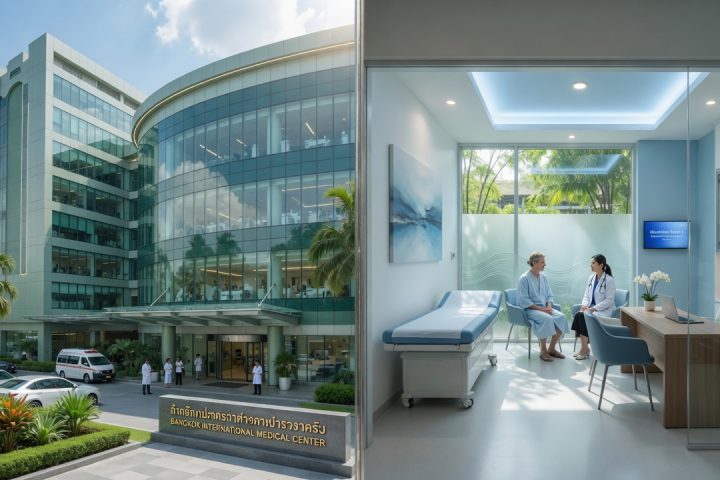


Plastic Surgery for Loose Skin After Weight Loss in Thailand: A Complete Guide to Procedures, Costs, and Recovery
After achieving significant weight loss, many patients face an unexpected challenge: loose, excess skin that can cause physical discomfort, hygiene issues, and emotional distress. This guide provides a comprehensive, transparent comparison of plastic surgery options in Thailand to help you make an informed decision. Without proper guidance, navigating the world of body contouring surgery can be overwhelming — from understanding which procedure addresses your specific concerns to evaluating the safety and cost of medical tourism. By the end of this guide, you’ll have a clear understanding of the procedures, costs, risks, and recovery timelines so you can confidently choose the right path for your body contouring journey. We’ll cover the causes of loose skin, compare surgical and non-surgical options, detail the top procedures, evaluate Thailand’s medical tourism landscape, and provide a step-by-step framework for making your decision.
Key Takeaways
Plastic surgery for loose skin after weight loss in Thailand offers significant cost savings — typically 40-60% less than in the US or UK — while maintaining high safety standards at JCI-accredited hospitals.
- Tummy tucks and body lifts are the most common procedures for abdominal and full-body contouring
- Thailand’s top hospitals (Bangkok Hospital, Vejthani, Kamol) meet international accreditation standards
- Recovery requires 2-4 weeks in Thailand before returning home, with full results visible at 6-12 months
- The Informed Choice Framework provides a 5-step process for evaluating your candidacy, procedures, costs, and recovery plan
Understanding Loose Skin After Weight Loss
Loose skin after weight loss is a common consequence of massive weight loss, affecting up to 70% of patients who lose 100+ pounds (Cleveland Clinic, 2024). This occurs because the skin’s collagen and elastin fibers are stretched beyond their capacity to retract, leaving excess tissue that can cause physical discomfort and emotional distress. Understanding this biological process is the first step toward evaluating your treatment options.
Why Loose Skin Happens After Weight Loss
The human skin is remarkably elastic, thanks to two key proteins: collagen and elastin. Collagen provides structural support, while elastin allows the skin to stretch and return to its original shape. When skin is stretched over a long period — such as during obesity — these fibers can sustain permanent damage, losing their ability to snap back into place. This is particularly pronounced after rapid weight loss, such as following bariatric surgery, where the skin has even less time to adapt to the changing body shape. Think of it like a stretched-out rubber band that no longer returns to its original length. Age, genetics, and the total amount of weight lost all influence the severity of loose skin. PMC research on skin biomechanics confirms that the structural changes in collagen and elastin are often irreversible without surgical intervention.
Common Areas Affected by Excess Skin
The distribution of excess skin after weight loss follows predictable patterns based on where fat was stored and the degree of skin stretching. The abdomen is the most commonly affected area, often presenting as a hanging apron of skin known as a pannus. The upper arms frequently develop what patients describe as “bat wings,” while the inner and outer thighs can show significant laxity. For women, the breasts often lose volume and sag after weight loss, and the back can develop rolls of excess tissue. According to the Cleveland Clinic, these areas are particularly prone to loose skin because they have a high concentration of fat cells that expand during weight gain and leave behind empty tissue pockets after weight loss.
The Physical and Emotional Impact of Loose Skin
The consequences of significant loose skin extend far beyond cosmetic concerns. Physically, excess skin can cause persistent skin rashes, infections in the folds (intertrigo), difficulty maintaining hygiene, mobility limitations, and even back pain from the weight of excess abdominal tissue. Emotionally, the impact can be equally severe. Many post-weight loss patients report feeling “trapped” in a body that doesn’t reflect their achievement, leading to body image dissatisfaction, depression, social withdrawal, and frustration with finding clothes that fit properly. PMC research on quality of life after weight loss surgery indicates that excess skin is one of the most common sources of dissatisfaction among post-bariatric patients, often motivating them to pursue skin removal after weight loss.
Once you understand why loose skin occurs and where it typically appears, the next natural question is whether non-surgical options can provide meaningful improvement — or whether surgery is the only realistic path forward.
Non-Surgical Options for Loose Skin
Non-surgical skin tightening treatments typically provide only 10-20% improvement for patients with significant loose skin (UT Southwestern Medical Center, 2024), making them unsuitable as a primary solution for most post-weight loss patients. While these technologies can stimulate collagen production and offer mild benefits, their limitations are important to understand before investing time and money.
Radiofrequency and Ultrasound Skin Tightening
Radiofrequency (RF) treatments work by delivering controlled heat to the dermis, the deeper layer of skin, stimulating collagen production and leading to mild tissue contraction. Ultrasound therapy uses focused sound waves to heat even deeper tissue layers, similarly promoting collagen remodeling. Both technologies have shown clinically measurable results for mild to moderate skin laxity — particularly on the face and neck. However, for patients who have lost 50-100+ pounds, the degree of skin redundancy far exceeds what these modalities can address. UT Southwestern Medical Center notes that while these treatments can improve skin quality, they cannot remove significant volumes of excess tissue.
Laser Therapy for Skin Tightening
Laser therapy uses light energy to heat the skin and stimulate collagen production, operating on a similar principle to RF and ultrasound. Fractional lasers, which create microscopic treatment zones, are sometimes used for skin tightening on smaller areas. However, the evidence supporting laser therapy for significant body contouring after massive weight loss is limited. Results are typically modest, multiple sessions are required — often 3-6 treatments spaced weeks apart — and the improvements rarely exceed what RF or ultrasound can achieve. Laser therapy is best reserved for facial skin tightening or treating superficial skin texture concerns rather than addressing large volumes of loose skin on the torso or limbs.
Topical Treatments and Exercise: What Works?
Many patients wonder whether creams, lotions, or exercise can tighten loose skin after weight loss. The honest answer is that no topical cream can significantly address the structural damage to collagen and elastin fibers. While ingredients like retinoids, vitamin C, and hyaluronic acid can improve skin hydration, texture, and superficial firmness, they cannot remove or tighten significant volumes of excess tissue. Exercise, on the other hand, can build muscle mass underneath loose skin, which may improve the appearance in some areas — for example, building arm muscles can reduce the prominence of “bat wings,” and strengthening the core can improve abdominal contours. But exercise cannot eliminate the excess skin itself.
Non-Surgical vs. Surgical: A Realistic Comparison
To help clarify the differences, here is a direct comparison of treatment options for loose skin after weight loss:
| Treatment Type | Typical Results | Sessions Required | Cost Range | Downtime | Best For |
|---|---|---|---|---|---|
| Radiofrequency | 10-20% improvement | 3-6 | $500-$2,000 | None | Mild laxity |
| Ultrasound | 10-20% improvement | 3-6 | $500-$2,000 | None | Mild laxity |
| Laser Therapy | 10-15% improvement | 3-6 | $1,000-$3,000 | 1-2 days | Mild laxity, face |
| Tummy Tuck | 80-100% improvement | 1 | $3,000-$15,000 | 2-4 weeks | Significant loose skin |
| Body Lift | 80-100% improvement | 1-2 | $5,000-$20,000 | 4-6 weeks | Massive weight loss |
For patients with significant loose skin after weight loss, surgical procedures remain the most effective solution. Understanding which procedure addresses your specific needs is the critical next step.
Plastic Surgery Procedures for Excess Skin Removal
A tummy tuck can remove 5-10 pounds of excess skin and tissue from the abdomen (American Society of Plastic Surgeons, 2024), providing dramatic improvement in body contour for post-weight loss patients. For those with substantial loose skin, surgical removal is the only method that reliably eliminates excess tissue and restores a more proportionate body shape.
Tummy Tuck (Abdominoplasty) After Weight Loss
A tummy tuck, or abdominoplasty, is one of the most common procedures for post-weight loss patients. The surgery involves a horizontal incision from hip to hip, through which the surgeon removes excess skin and fat, tightens the underlying abdominal muscles (which are often separated after weight loss, a condition called diastasis recti), and repositions the belly button for a natural appearance. The ideal candidate for a tummy tuck after weight loss has a stable weight, significant excess skin in the abdomen, and realistic expectations about the scar. Bangkok Hospital notes that this procedure can remove 5-10 pounds of excess tissue and dramatically flatten the abdominal contour, with recovery typically requiring 2-4 weeks before returning to normal activities.
Body Lift Surgery: Comprehensive Contouring
For patients who have lost 100 or more pounds, a body lift offers more comprehensive results. This procedure uses a circumferential incision around the torso — often likened to a belt that goes around the entire midsection — to remove excess skin from the abdomen, lower back, buttocks, and outer thighs simultaneously. A body lift is often performed in stages: a lower body lift addresses the abdomen and thighs, while an upper body lift targets the back and breasts. The recovery period is longer than a tummy tuck, typically 4-6 weeks before returning to full activity. Kamol Hospital describes body lift surgery as an ideal solution for massive weight loss patients who have loose skin encircling their entire midsection.
Arm Lift (Brachioplasty) and Thigh Lift
Patients with loose skin limited to specific areas may benefit from targeted procedures. An arm lift, or brachioplasty, removes excess skin from the underside of the upper arm, with an incision running from the armpit to the elbow. The resulting scar is permanent but generally fades over time and is positioned on the inner arm where it’s less visible. A thigh lift addresses loose skin on the inner or outer thighs through incisions in the groin area. Both procedures are often combined with a tummy tuck or body lift for comprehensive results. Vejthani Hospital emphasizes that these procedures are particularly effective when the patient has maintained a stable weight for at least 6-12 months.
Procedure Comparison Table
The following table summarizes the key differences between the most common body contouring procedures:
| Procedure | Target Area | Typical Incision | Recovery Time | Best For |
|---|---|---|---|---|
| Tummy Tuck | Abdomen | Hip-to-hip | 2-4 weeks | Excess skin and muscle separation |
| Body Lift | Full torso | Circumferential (belt-like) | 4-6 weeks | Massive weight loss (100+ lbs) |
| Arm Lift | Upper arms | Inner arm, armpit to elbow | 1-2 weeks | “Bat wings” loose skin |
| Thigh Lift | Inner or outer thighs | Groin area | 2-3 weeks | Inner or outer thigh laxity |
Chas Plastic Surgery recommends that patients consider which areas cause them the most physical discomfort or emotional distress, then prioritize those procedures, potentially staging surgeries over 12-18 months for safety and optimal recovery.
Once you understand the procedures available, the next step is evaluating where to have them performed. Thailand has emerged as a leading destination for plastic surgery, but quality varies significantly between facilities.
Plastic Surgery in Thailand: Quality and Safety
Thailand has over 60 JCI-accredited hospitals (JCI, 2024), making it one of the most accredited medical tourism destinations in Asia. The country has built a reputation for offering high-quality surgical care at a fraction of Western costs, but understanding the landscape of accreditations, hospital standards, and surgeon credentials is essential for making a safe choice.
Why Thailand is a Leading Destination for Plastic Surgery
Thailand’s medical tourism industry has grown dramatically over the past two decades, driven by several factors. The country has advanced clinical infrastructure, with many hospitals investing in state-of-the-art surgical suites and equipment. Thai plastic surgeons frequently receive international training and are often members of global professional organizations. Hospitals have extensive experience treating international patients, with English-speaking coordinators who manage everything from airport transfers to post-operative care. The cost advantage is significant: patients typically save 40-60% compared to US or UK prices for the same procedures. FlyMedi notes that a tummy tuck in Thailand ranges from $3,000-$6,000, compared to $8,000-$15,000 in the United States.
Top Hospitals for Plastic Surgery in Thailand
Three hospitals consistently appear among the top choices for International patients seeking plastic surgery in Thailand:
Bangkok Hospital is a JCI-accredited multi-specialty facility with a dedicated plastic surgery center. The hospital has extensive experience in post-weight loss body contouring and offers comprehensive pre-operative evaluation and post-operative care. Their international patient department provides translation services, visa assistance, and recovery accommodation coordination.
Vejthani Hospital is another JCI-accredited facility that specializes in medical tourism. Their excess skin removal procedures cover the full range of body contouring surgeries, and they offer tailored packages that include surgery, hospital stay, medications, and follow-up consultations.
Kamol Hospital has built a strong reputation specifically for body contouring procedures, including body lifts and tummy tucks after massive weight loss. The hospital is JCI-accredited and known for its specialized approach to post-weight loss body transformation. Bangkok Hospital provides a detailed overview of their abdominoplasty procedure, including pre-operative requirements and recovery expectations.
Safety Standards and Accreditation in Thailand
JCI (Joint Commission International) accreditation is the global gold standard for hospital quality and safety. JCI-accredited hospitals in Thailand meet the same rigorous standards as top hospitals in the US and Europe, covering areas such as infection control, patient safety protocols, medication management, and staff qualifications. Beyond JCI, the Thai Ministry of Public Health regulates all medical facilities, requiring licenses and regular inspections. Vejthani Hospital provides clear documentation of their accreditations and quality certifications on their website, which patients should verify before booking.
How to Choose a Surgeon in Thailand
Selecting the right surgeon is the most critical decision in your medical tourism journey. Start by verifying board certification from the Thai Board of Plastic Surgery, which requires extensive training and examination. Look for before-and-after photos of patients who had similar body types and weight loss histories to yours. Read patient reviews on independent platforms, not just the hospital’s website. Schedule a virtual consultation to assess the surgeon’s communication style and willingness to answer your questions. A reputable surgeon should be transparent about risks and realistic about outcomes. Kamol Hospital provides surgeon profiles with credentials and areas of specialization, which patients can use as a starting point for their research.
Cost considerations inevitably play a major role in the decision-making process. Understanding the full financial picture helps avoid surprises and ensures you budget adequately for the entire journey.
Cost of Plastic Surgery in Thailand
A tummy tuck in Thailand costs $3,000-$6,000, compared to $8,000-$15,000 in the US (FlyMedi, 2024), representing a savings of 50-60%. However, the total cost of your surgery depends on multiple factors beyond just the procedure itself.
Estimated Costs for Common Procedures in Thailand
The following table provides estimated price ranges for common body contouring procedures in Thailand. Note that these are all-inclusive estimates covering surgeon fees, hospital fees, anesthesia, and standard medications, but they may not include pre-operative testing or post-operative garments.
| Procedure | Thailand Cost Range | US Cost Range | Estimated Savings |
|---|---|---|---|
| Tummy Tuck (Abdominoplasty) | $3,000 – $6,000 | $8,000 – $15,000 | 50-60% |
| Body Lift | $6,000 – $12,000 | $15,000 – $30,000 | 50-60% |
| Arm Lift (Brachioplasty) | $2,000 – $4,000 | $5,000 – $8,000 | 50-60% |
| Thigh Lift | $3,000 – $6,000 | $7,000 – $12,000 | 50-60% |
Thailand vs. US/UK: Cost Comparison
The cost advantage of Thailand extends beyond the surgical fee itself. Hospital stays in Thailand are significantly cheaper — a private room in a JCI-accredited hospital might cost $200-$500 per night, compared to $1,000-$3,000 in the US. Medications are also considerably less expensive. Even when factoring in airfare, accommodation for 2-4 weeks, and incidental expenses, patients typically save 40-60% on their total surgical journey. However, it’s important to note that these savings must be weighed against the additional travel and logistics of medical tourism.
Factors That Affect the Cost of Surgery
Several variables influence the final cost of your surgery. The surgeon’s experience and reputation play a significant role — highly sought-after surgeons with extensive post-weight loss experience command higher fees. The hospital’s accreditation level and location also affect pricing; top-tier Bangkok hospitals are more expensive than facilities in smaller cities. The complexity of your specific case matters: a tummy tuck for a patient who has lost 100 pounds and has significant muscle separation is more involved than a standard procedure. Additional costs to consider include pre-operative testing, compression garments, medications, follow-up appointments, and any revision procedures.
Once you have a clear picture of the financial commitment, the next considerations are whether you are a suitable candidate and how to prepare for the journey.
Candidacy and Preparation for Surgery
Patients should maintain a stable weight for at least 6-12 months before undergoing body contouring surgery (American Society of Plastic Surgeons, 2024). Weight stability is one of the most important factors in determining candidacy, as significant weight fluctuations after surgery can compromise results.
Are You a Candidate for Plastic Surgery?
Ideal candidates for post-weight loss body contouring surgery meet several criteria. They have maintained a stable weight for at least 6-12 months, ideally within 10-15 pounds of their goal weight. They are non-smokers or willing to quit for at least 4-6 weeks before and after surgery, as smoking significantly impairs healing and increases complication risks. They have realistic expectations about what surgery can achieve — understanding that scars are permanent, recovery takes time, and results are transformative but not perfection. They are in generally good health, with well-managed chronic conditions. Patients with a BMI over 30-35 may be advised to lose additional weight before surgery, as higher BMI increases surgical risks.
Age and Plastic Surgery: What You Need to Know
Age alone is not a contraindication for plastic surgery, but it does affect candidacy in several ways. Older patients have thinner, less elastic skin, which may not retract as well after surgery, potentially affecting the final result. Healing capacity diminishes with age, and recovery times may be longer. However, many patients in their 60s and 70s successfully undergo body contouring surgery after weight loss. The critical factor is overall health status, not chronological age. A thorough pre-operative evaluation, including cardiac and pulmonary assessment, is essential for older patients. The decision should be made jointly with your surgeon and primary care physician, taking into account your individual health profile and surgical goals.
Step-by-Step Preparation Guide
Preparing for body contouring surgery involves several important steps:
- Achieve and maintain weight stability for at least 6 months before surgery
- Undergo a comprehensive medical evaluation including blood work, cardiac assessment, and any required specialist consultations
- Stop smoking at least 4-6 weeks before surgery — this is non-negotiable for optimal healing
- Adjust medications as directed by your surgeon, particularly blood thinners and certain supplements
- Arrange for post-surgery support — you will need someone to help with daily activities for the first 1-2 weeks
- Prepare your home with necessary supplies: compression garments, pillows for elevation, easy-to-prepare meals, and entertainment for bed rest
Preparing for Surgery as a Medical Tourist in Thailand
Medical tourism adds several logistical considerations to your preparation. Plan to arrive in Thailand at least 2-3 days before surgery for pre-operative consultations and testing. Budget for a total stay of 3-4 weeks — 1-2 weeks for the procedure and initial recovery, plus additional time for follow-up appointments before you’re cleared to fly. Arrange for a companion to accompany you if possible, as you will need assistance during the first week of recovery. Ensure your passport is valid for at least 6 months beyond your planned departure date, and purchase comprehensive travel insurance that covers medical complications.
Even with thorough preparation, understanding the risks, recovery timeline, and expected results is essential for a successful experience.
Risks, Recovery, and Results
Body contouring surgery carries a complication rate of 15-30% for major procedures like body lifts (American Society of Plastic Surgeons, 2024), with wound healing issues being the most common. While the majority of complications are minor and treatable, understanding these risks and the recovery process is essential for setting realistic expectations.
Potential Risks and Complications
All surgical procedures carry inherent risks, and body contouring surgeries performed after massive weight loss have some specific considerations. The most common complications include seroma (fluid accumulation under the skin), wound dehiscence (delayed wound healing or wound separation), infection, hematoma, and unfavorable scarring. Patients undergoing body lifts or combined procedures face higher overall risk due to the length and complexity of the surgery. Blood clots (deep vein thrombosis) are a concern with any prolonged surgery, and preventive measures such as compression devices and early mobilization are standard. The risk of complications is higher in patients who smoke, have poorly controlled diabetes, or are significantly overweight. UT Southwestern Medical Center emphasizes that choosing an experienced, board-certified surgeon and following all pre- and post-operative instructions are the most effective ways to minimize these risks.
Recovery Timeline: What to Expect Week by Week
Recovery from body contouring surgery follows a predictable trajectory, though individual experiences vary.
Week 1: You will spend 1-3 days in the hospital, followed by discharge with drains, compression garments, and detailed wound care instructions. Pain is managed with prescription medications. Mobility is limited — you can walk to the bathroom, but bending, lifting, and driving are prohibited.
Weeks 2-3: Drains are typically removed during this period. Swelling and bruising begin to subside. You can gradually increase light activity but should avoid strenuous exercise, heavy lifting, or prolonged standing. Most patients can return to desk jobs at this point.
Weeks 4-6: Swelling continues to decrease, and you can slowly resume normal activities and light exercise. Scars begin to mature but will continue to fade for 12-18 months. Follow-up appointments with your surgeon are essential to monitor healing.
Months 3-6: Most swelling has resolved, and the final contour starts to become visible. You can resume full exercise and normal activities without restrictions.
Months 6-12: Final results are fully apparent. Scars have faded significantly (though they will never disappear completely). The body has fully adapted to its new contour.
Setting Realistic Expectations for Results
Body contouring surgery after weight loss is transformative, but it’s important to understand what it can and cannot achieve. Surgery can remove excess skin, tighten underlying tissues, and dramatically improve your body’s silhouette. It can make clothes fit better, eliminate rashes and hygiene issues, and significantly improve quality of life. However, surgery cannot make scars invisible — you will have permanent scars, though they typically fade significantly over 1-2 years. Surgery cannot prevent future weight gain or the effects of aging. And surgery cannot change your fundamental body shape — it removes excess tissue but doesn’t alter your skeletal structure or natural proportions.
Tips for a Smooth Recovery in Thailand
Recovering in a foreign country adds complexity, but proper planning makes it manageable. Choose a hospital with a dedicated international patient department that can assist with aftercare coordination. Book a recovery accommodation (hotel or serviced apartment) that is close to the hospital and has accessibility features such as an elevator and ground-floor access. Stock up on supplies — compression garments, wound care materials, and easy-to-prepare meals — before surgery. Keep your surgeon’s contact information readily available and know the emergency protocol. Most importantly, budget extra time in Thailand beyond the minimum recommended recovery period. Rushing home before being medically cleared can jeopardize your results and safety.
With a thorough understanding of procedures, costs, risks, and recovery, you are ready to apply a structured approach to your decision-making process.
The Informed Choice Framework
The Informed Choice Framework provides a structured, 5-step process for evaluating your body contouring options and making a confident decision. This framework synthesizes everything we’ve covered into actionable steps.
Step 1: Assess Your Candidacy
Begin by honestly evaluating your readiness for surgery. Have you maintained a stable weight for at least 6-12 months? Are you in good overall health, with well-managed chronic conditions? Are you a non-smoker or willing to quit? Do you have realistic expectations about what surgery can achieve, including acceptance of permanent scars? If you answer yes to these questions, you are likely a good candidate. If not, address these factors before moving forward — rushing into surgery before you’re ready increases risks and compromises results.
Step 2: Research Procedures and Surgeons
Identify which procedure(s) address your specific concerns. Does your loose skin affect your abdomen only, or do you need comprehensive contouring? Research surgeons who specialize in post-weight loss body contouring, not just general plastic surgery. Verify their credentials — board certification, hospital affiliations, and before-and-after photos of similar cases. Schedule virtual consultations with at least 2-3 surgeons to compare approaches, communication styles, and comfort levels.
Step 3: Evaluate Costs and Financing
Get detailed, itemized quotes from each surgeon or hospital you’re considering. The quote should include surgeon fees, hospital fees, anesthesia fees, pre-operative testing, post-operative garments, and medications. Factor in travel costs — airfare, accommodation for 3-4 weeks, meals, and local transportation. Compare the total cost with what you would pay in your home country, and consider whether the savings justify the added complexity of medical tourism.
Step 4: Plan Your Recovery
Develop a comprehensive recovery plan that covers your hospital stay, accommodation, support system, and timeline. Who will accompany you or assist you after surgery? Where will you stay, and does it have the necessary accessibility features? How long will you stay in Thailand, and what is your backup plan if recovery takes longer than expected? Do you have travel insurance that covers medical complications? A thorough recovery plan is the difference between a smooth experience and a stressful one.
Step 5: Make Your Decision
With all the information gathered, take time to reflect. Which surgeon inspired the most confidence? Which hospital offered the best combination of quality, safety, and value? Does the total cost fit within your budget? Are you comfortable with the recovery timeline and the time away from home and work? Trust your instincts — if something feels off during the consultation process, continue your search. The right decision balances medical excellence, financial feasibility, and personal readiness.
Limitations & Counterarguments
No guide to medical tourism would be complete without an honest discussion of the risks and limitations. Being aware of these factors is essential for making a truly informed decision.
The Risks of Medical Tourism
Medical tourism introduces risks that domestic surgery does not. The most significant is the challenge of managing complications. If you develop a wound infection, seroma, or other complication after returning home, your surgeon in Thailand cannot easily provide follow-up care. You may need to find a local doctor familiar with post-bariatric body contouring, or you may need to return to Thailand for revision surgery. The long flight home soon after surgery also carries a small risk of blood clots. Language barriers, while minimal at top international hospitals, can still lead to misunderstandings about pre- and post-operative instructions. And the regulatory environment in Thailand, while robust, may not have the same legal recourse options as in your home country if something goes wrong.
When Surgery May Not Be the Right Choice
Surgery is not the right choice for everyone. Patients who have not maintained a stable weight for at least 6 months should postpone surgery until their weight is stable. Those with uncontrolled medical conditions like diabetes, hypertension, or heart disease should work with their doctors to optimize their health before surgery. Patients who smoke and are unwilling to quit are at significantly higher risk of wound healing problems and should consider postponing until they can stop. And patients who are not emotionally prepared for the recovery process — which can be physically and mentally challenging — should take more time to build their support system and prepare mentally. Non-surgical options, despite their limitations, may be a better fit for patients with mild to moderate skin laxity who are not ready for surgery.
The Importance of Follow-Up Care
Follow-up care is perhaps the most overlooked aspect of medical tourism. After you return home, you need a local healthcare provider who can monitor your healing, manage any minor complications, and provide ongoing scar management guidance. Before you travel, identify a primary care physician or plastic surgeon in your area who is willing to provide follow-up care. Bring detailed discharge instructions, including your surgical report, medication list, and the contact information of your Thai surgeon. Establish a follow-up schedule that includes regular check-ins with your local provider, and have a plan for how to reach your Thai surgeon if questions arise.
Frequently Asked Questions
Is surgery the only way to get rid of loose skin after weight loss?
For significant loose skin after losing 50-100+ pounds, surgery is the only effective solution. Non-surgical treatments like radiofrequency and laser therapy provide only 10-20% improvement and cannot remove excess tissue. Topical creams and exercise can improve skin quality and muscle tone but cannot eliminate loose skin. The American Society of Plastic Surgeons confirms that surgical excision remains the gold standard for significant excess skin after weight loss.
How much is loose skin surgery in Thailand?
Loose skin surgery in Thailand typically costs 40-60% less than in the US or UK. A tummy tuck ranges from $3,000-$6,000, a body lift from $6,000-$12,000, and an arm lift from $2,000-$4,000. These prices usually include surgeon fees, hospital fees, anesthesia, and standard medications. Total costs, including travel and accommodation, remain significantly lower than domestic options.
Is Thailand a good place to go for plastic surgery?
Yes, Thailand is a leading destination for plastic surgery, with over 60 JCI-accredited hospitals. Top facilities like Bangkok Hospital, Vejthani Hospital, and Kamol Hospital meet international safety standards and have extensive experience with international patients. The combination of high-quality care, experienced surgeons, and significant cost savings makes Thailand an excellent option for body contouring surgery.
Which hospital in Thailand is best for plastic surgery?
Bangkok Hospital, Vejthani Hospital, and Kamol Hospital are among the top choices for plastic surgery in Thailand. Bangkok Hospital and Vejthani Hospital are JCI-accredited multi-specialty facilities with dedicated plastic surgery departments and comprehensive international patient services. Kamol Hospital specializes in body contouring procedures and has a strong reputation for post-weight loss surgeries. All three hospitals have English-speaking staff and international patient coordinators.
What should I be careful of in Thailand?
The main concerns with medical tourism in Thailand are follow-up care, complication management, and verifying credentials. Choose a JCI-accredited hospital and a board-certified plastic surgeon. Have a plan for follow-up care with a local provider after returning home. Purchase comprehensive travel insurance that covers medical complications. And be prepared to spend 3-4 weeks in Thailand for the procedure and initial recovery before flying home.
Conclusion
Plastic surgery for loose skin after weight loss in Thailand offers a powerful solution for patients seeking to complete their transformation. The combination of high-quality JCI-accredited hospitals, experienced surgeons, and cost savings of 40-60% makes Thailand a compelling destination for body contouring surgery. As we’ve seen, tummy tucks and body lifts address the most common areas of concern, while arm lifts and thigh lifts target specific zones. The informed choice framework provides a structured approach to evaluating your candidacy, researching procedures and surgeons, understanding costs, planning your recovery, and ultimately making a confident decision.
The Informed Choice Framework we’ve outlined is designed to guide you through every step of this journey. By assessing your candidacy first, researching thoroughly, evaluating all costs, preparing for recovery, and taking time to make your decision, you position yourself for the best possible outcome. Remember that the most successful results come from patients who are well-informed, realistic about expectations, and committed to the recovery process.
Start your journey by scheduling virtual consultations with at least two board-certified plastic surgeons at JCI-accredited hospitals in Thailand. Ask for detailed quotes, review before-and-after photos of similar cases, and trust your instincts about which surgeon makes you feel most confident and comfortable. With the right preparation and the right team, your body contouring surgery in Thailand can be the final, empowering step in your weight loss journey.