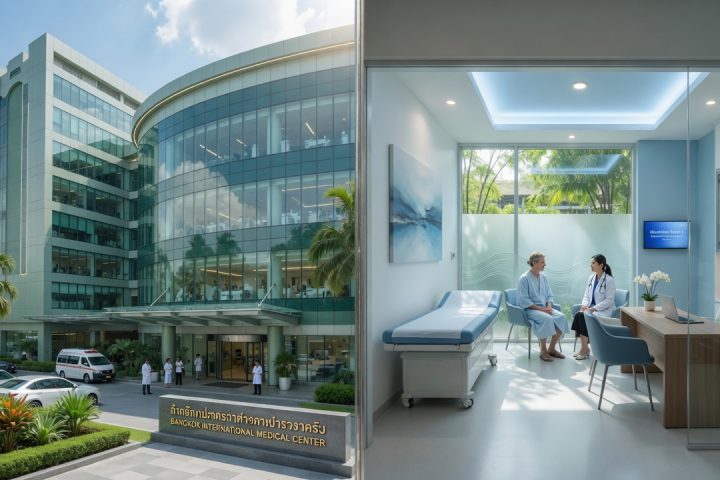

Best Laparoscopic Cholecystectomy in Thailand: Top 5 Hospitals
If you’re considering laparoscopic cholecystectomy in Thailand, you’ve likely heard about the significant cost savings — up to 80% less than in the US (Pew Research Center, 2024). But cost is only one part of the decision. The real challenge isn’t just finding a cheap option; it’s finding a hospital where quality, safety, and recovery support match your needs without hidden surprises. By the end of this guide, you’ll have a clear framework — the Medical Tourism Value Triangle — to compare hospitals on cost, quality, and recovery so you can book with confidence. We’ll cover the procedure, recovery timeline, cost breakdown, and the top 5 hospitals, plus answer your most pressing questions.
⚠️ MEDICAL DISCLAIMER: This content is for informational purposes only and does not constitute medical advice. Consult a qualified healthcare provider for diagnosis and treatment.
Key Takeaways
Laparoscopic cholecystectomy in Thailand costs $2,500–$6,500 — up to 80% less than in the US — with recovery typically allowing return to work within 3–5 days.
- Procedure: Minimally invasive with small incisions, same‑day discharge common
- Recovery: Manage pain with NSAIDs; most resume normal activity in 1–2 weeks
- Cost: $2,500–$6,500 average depending on hospital tier and location
- Hospitals: JCI‑accredited hospitals like Bumrungrad, Bangkok Hospital, and Phyathai offer world‑class care
Understanding Laparoscopic Cholecystectomy: Procedure & Benefits
Laparoscopic cholecystectomy is a minimally invasive surgical procedure to remove the gallbladder through small incisions, typically resulting in less pain and faster recovery than open surgery. According to the Mayo Clinic, most patients go home the same day and can return to work within 2 to 3 weeks. For medical tourists, this means less time in Thailand and a quicker return to normal life — a key advantage over open surgery.
What Is Laparoscopic Cholecystectomy?
Laparoscopic cholecystectomy is a minimally invasive surgery to remove the gallbladder via small incisions using a camera (laparoscope). The procedure typically takes 1-2 hours under general anesthesia and follows a precise sequence of steps.
The surgeon begins by making 4-5 small incisions, each about 0.5-1 centimeter in length, in the abdomen. Carbon dioxide gas is then gently introduced to inflate the abdominal cavity — this creates working space for the surgeon and improves visualization of the gallbladder and surrounding structures.
Through one incision, a laparoscope (a thin tube with a high-definition camera) is inserted, transmitting magnified images to a monitor that guides the surgical team. Using specialized instruments inserted through the other incisions, the surgeon carefully dissects and separates the cystic duct and cystic artery that supply the gallbladder. These structures are clipped and divided. The gallbladder is then freed from its attachment to the liver bed and removed through the umbilical incision. Finally, the gas is released, the small incisions are closed with sutures or surgical tape, and bandages are applied (Mayo Clinic, 2024).
Consider a typical patient scenario: A 50-year-old woman with recurrent gallstones and two episodes of biliary colic undergoes the procedure at 8 AM. She wakes up in recovery by 10:30 AM, begins walking by late afternoon, and is discharged the same evening with a prescription for ibuprofen and clear discharge instructions.
Understanding how the procedure is done naturally leads to one question: how does it compare to traditional open surgery?
Key Advantages Over Open Surgery
Minimally invasive gallbladder surgery offers several significant advantages over the traditional open approach, which require a large 5-7 centimeter incision and longer recovery periods. The benefits are substantial enough that laparoscopic cholecystectomy is now the standard of care for most patients.
The most immediate difference is pain. Smaller incisions mean less tissue trauma, which translates to significantly less post-operative discomfort. Most patients describe the pain as a dull ache rather than sharp or severe, and it’s typically well-controlled with over-the-counter NSAIDs like ibuprofen (StatPearls, 2024).
Hospital stay is dramatically shorter. While open surgery requires 3-5 days of inpatient monitoring, laparoscopic patients are often discharged the same day or after a single overnight observation. This difference is particularly meaningful for medical tourists traveling to Thailand — it means less time away from home and lower overall accommodation costs.
| Aspect | Laparoscopic | Open |
|---|---|---|
| Incisions | 4-5 small (0.5-1 cm) | 1 large (5-7 cm) |
| Hospital stay | 0-1 night | 3-5 days |
| Return to work | 2-3 weeks | 4-6 weeks |
| Pain level | Mild to moderate | Moderate to severe |
Recovery time also favors the laparoscopic approach. Patients typically return to desk-based work within 2-3 weeks, compared to 4-6 weeks after open surgery (Cleveland Clinic, 2024). The infection risk is lower as well — smaller wounds provide fewer entry points for bacteria, and reduced tissue exposure means less opportunity for contamination.
It’s worth noting a few trade-offs. The laparoscopic procedure may take slightly longer to perform than open surgery, typically 1-2 hours versus 45-90 minutes. There’s also a small chance (5-10%) that the surgeon may need to convert to an open approach if complications arise, such as severe inflammation, dense scar tissue from previous surgeries, or difficulty visualizing the anatomy.
Now that you know why laparoscopy is preferred, who exactly is a good candidate?
Who Is a Good Candidate?
Gallbladder removal surgery is most appropriate for patients experiencing recurring gallbladder problems that significantly impact quality of life. Understanding who qualifies helps you determine if this procedure aligns with your situation before you begin planning your medical trip.
The primary candidates are patients with symptomatic gallstones. This includes individuals who have experienced biliary colic — intermittent pain in the upper right abdomen, often triggered by fatty meals — or more serious conditions such as acute cholecystitis (gallbladder inflammation), pancreatitis (inflammation of the pancreas caused by gallstones), or choledocholithiasis (gallstones lodged in the bile duct). These conditions indicate that the gallbladder is no longer functioning properly and removal will relieve symptoms and prevent future complications.
Not everyone with gallstones needs surgery. Patients with asymptomatic gallstones — stones found incidentally on imaging that have never caused symptoms — are typically advised against surgery. The risk of developing symptoms from such stones is only about 1-2% per year, and the risks of surgery generally outweigh the benefits for those without symptoms.
There are specific contraindications that may disqualify a patient from laparoscopic cholecystectomy. Previous major upper abdominal surgeries, especially those involving the stomach or liver, can create adhesions that make laparoscopic access difficult or dangerous. Severe liver disease or cirrhosis with portal hypertension increases bleeding risk. Bleeding disorders, coagulopathy, and late-stage pregnancy are also contraindications that may require alternative approaches or postponement.
Thai hospitals typically assess international patients through a standardized pre-operative process. This includes a telehealth consultation where the surgeon reviews your medical history and current symptoms, a request for recent imaging studies (ultrasound, CT scan, or MRI), and blood work to assess liver function, coagulation status, and overall fitness for anesthesia. If you qualify, the hospital will provide a pre-operative checklist and schedule surgery within your preferred timeframe.
If you qualify for laparoscopic cholecystectomy, your next focus is understanding the recovery process. Let’s dive into what to expect day by day.
Recovery & Pain Management After Gallbladder Surgery
Recovery after laparoscopic cholecystectomy is generally swift, but knowing what to expect day by day helps you plan your time in Thailand and avoid unnecessary discomfort. The Medical Tourism Value Triangle — balancing cost, quality, and recovery — applies directly here: understanding your recovery timeline lets you choose a hospital and schedule that aligns with your personal and professional commitments.
Day-by-Day Recovery Timeline
Gallbladder surgery recovery time varies depending on your general health, age, and physical condition, but most patients follow a predictable pattern. Here’s what a typical recovery looks like:
- Day 0 (Surgery Day): You’ll spend 1-4 hours in recovery after the procedure. Most patients are discharged same-day or after one overnight stay. You’ll be encouraged to walk short distances within 4-6 hours to prevent blood clots. Pain is minimal due to residual anesthesia and the first dose of pain medication. You’ll be on a liquid diet initially, advancing to solid food as tolerated.
- Day 1-3: Mild to moderate pain is normal. You’ll manage this with NSAIDs like ibuprofen every 6-8 hours. Shoulder tip pain from residual CO2 gas may persist — walking and gentle stretching help it resolve. You can shower after 24-48 hours if your incisions are covered with waterproof dressings. Light activities like walking, using the bathroom, and preparing simple meals are encouraged.
- Day 4-7: Most pain subsides significantly. You can return to desk-based work, provided you take frequent breaks to walk and avoid sitting for more than 30-45 minutes at a stretch. Avoid lifting anything heavier than 5-10 pounds (about 2-5 kilograms). Driving is permissible if you’re not taking narcotic pain medication and can stomp your foot on the brake without hesitation.
- Week 2-3: Full recovery for most patients. You can resume exercise, starting with low-impact activities like walking, swimming, and gentle yoga. Heavy lifting over 20 pounds (about 10 kilograms) should still wait until after week 3. By week 3, most patients feel completely back to normal (Cleveland Clinic, 2024).
While pain is part of recovery, it’s usually well-controlled. Let’s look at the best ways to manage it.
Managing Post-Operative Pain
Post-operative pain after gallbladder surgery is typically mild to moderate and well-controlled with a combination of medication and simple self-care strategies. Understanding what’s normal and what’s not helps you recover confidently.
The most common pain sensations after laparoscopic cholecystectomy include incisional soreness — a dull ache around each small incision — and referred shoulder tip pain caused by residual CO2 gas irritating the diaphragm. The shoulder pain is perhaps the most surprising for patients, as it can feel sharp despite being far from the surgical site. This usually resolves within 48-72 hours as the body absorbs the remaining gas.
For pain management, the first-line treatment is NSAIDs like ibuprofen (Advil, Motrin) taken every 6-8 hours as needed. Most patients require NSAIDs for only 2-4 days before the pain becomes manageable without medication. For breakthrough pain or patients who cannot tolerate NSAIDs, a mild opioid like tramadol may be prescribed for short-term use. Aspirin and any blood-thinning medications are avoided for at least one week post-surgery due to increased bleeding risk.
When to call your surgeon or seek emergency care: a fever above 100.4°F (38°C), increasing pain rather than decreasing pain after the first 48 hours, redness, swelling, or drainage around incision sites, persistent nausea or vomiting, or jaundice (yellowing of the skin or eyes) (CDC, 2024). These warning signs are rare — occurring in less than 2% of patients — but prompt attention is essential if they appear.
Once pain is under control, the next big milestone is returning to work and normal life.
Returning to Work and Normal Activities
Return to work after gallbladder surgery depends largely on the physical demands of your job and how well your recovery is progressing. For medical tourists planning their return home, activity guidelines also help determine how long to stay in Thailand after discharge.
For desk-based workers — office jobs, remote workers, writers, administrators — returning to work within 3-5 days is realistic. The key is to avoid prolonged sitting, which puts pressure on the healing incision sites. Use a standing desk or take a 5-minute walking break every 30 minutes. For manual labor jobs — construction, nursing, warehouse work, childcare — 2-3 weeks off is recommended to allow the internal tissues to heal sufficiently for physical demands.
Driving restrictions are important. You should not drive for at least 24 hours after general anesthesia, and you should wait one full week if you’re taking narcotic pain medication. Even after that, test your ability to hit the brakes quickly and twist to check blind spots without discomfort before getting behind the wheel.
Exercise can resume gradually. Light walking immediately after surgery is encouraged — it reduces gas pain and prevents blood clots. Avoid heavy lifting over 10 pounds (about 5 kilograms) for the first 2 weeks. After week 2-3, you can gradually resume running, cycling, swimming, and non-contact sports. Weight training should wait until week 4-6 for heavy lifts.
For medical tourists, the travel timeline is critical. Most surgeons recommend staying in Thailand at least 5-7 days after surgery for follow-up evaluation, monitoring for any complications, and ensuring you’re stable for air travel. Flying itself is safe within 1-2 days after discharge, but you should avoid lifting heavy luggage — pack light or arrange for airport assistance.
Now that you know what recovery looks like, the next critical factor is cost. Let’s compare prices across top Thai hospitals.
Cost of Laparoscopic Cholecystectomy in Thailand
Cost is the second vertex of the Medical Tourism Value Triangle, and it’s often the primary driver for patients choosing Thailand. The financial picture, however, goes beyond just the base price — understanding what’s included, what’s not, and how different hospitals structure their fees is essential for accurate budgeting.
Average Cost Range and What’s Included
Gallbladder surgery cost in Thailand averages around $4,000, with a typical range of $2,500 to $6,500 depending on the hospital and location (Statista, 2024). This figure represents a significant savings opportunity compared to Western countries, but the precise cost depends on which hospital you choose and what their package includes.
| Hospital | Base Price (USD) | Anaesthesia | Hospital Stay | Medications | Total Estimated (with extras) |
|---|---|---|---|---|---|
| Bumrungrad | $5,500 | Included | 1 night | Included | $5,800 |
| Bangkok Hospital | $4,200 | Included | 1 night | Included | $4,500 |
| Phyathai 2 | $2,800 | Included | 1 night | Included | $3,100 |
Most hospital packages cover pre-operative tests (blood work, ECG, chest X-ray), surgeon and anaesthesiologist fees, the operating room charge, a one-night private room stay, all medications during the hospital stay, post-operative follow-up visits within the first week, and discharge medications (pain relievers, antibiotics if prescribed).
What’s typically not included in the package price: international airfare, local transportation, accommodation for companions, visa fees (if applicable), treatment for complications requiring extended hospitalization, and dental or vision exams that might be bundled as part of a “health checkup” package. Always ask for a complete itemized list before booking.
The base price is just one part — several factors can push the final bill higher or lower.
Factors That Influence the Final Price
Laparoscopic cholecystectomy cost in Thailand varies based on several key factors that patients should understand before comparing quotes. These variables explain why two hospitals in the same city might quote significantly different prices.
Hospital tier is the largest determinant. Luxury hospitals like Bumrungrad International Hospital command premium pricing due to their international reputation, celebrity clientele, hotel-like amenities, and comprehensive support services for international patients. Mid-range hospitals like Bangkok Hospital offer excellent care at moderate prices with strong JCI accreditation. Budget-friendly hospitals like Phyathai 2 provide quality care at the lowest price point while maintaining accreditation standards.
Geographic location also influences cost. Bangkok hospitals tend to be pricier due to higher operating costs, real estate expenses, and concentrated demand. Hospitals in Chiang Mai, Phuket, or Pattaya may offer lower prices due to reduced overhead, and they can be attractive options for patients who prefer a quieter recovery environment away from Bangkok’s congestion.
Surgeon experience and credentials affect the fee component of the package. A senior surgeon who is board-certified and fellowship-trained in the US or Europe commands a premium over a junior surgeon with fewer years of experience. While both may produce excellent outcomes, patients should weigh the fee difference against the surgeon’s track record with complex cases (Pew Research Center, 2024).
Case complexity matters. If the gallbladder is severely inflamed, if the patient has previous abdominal surgeries with adhesions, or if unexpected complications arise during surgery that require conversion from laparoscopic to open approach, the cost can increase by $1,000 to $3,000 due to longer operative time, additional supplies, and extended hospital stay.
Understanding the local price is only useful if you know how it compares to your home country.
Cost Comparison: Thailand vs. Western Countries
The savings from traveling to Thailand for laparoscopic cholecystectomy are substantial, but the exact difference depends on your home country’s healthcare costs and your insurance status. Here’s how Thailand compares with several Western countries:
| Country | Typical Cost (USD) |
|---|---|
| USA | $15,000–$35,000 |
| UK (private) | $6,000–$10,000 |
| Canada (private) | $8,000–$14,000 |
| Australia (private) | $6,500–$10,500 |
| Thailand | $2,500–$6,500 |
In the United States, laparoscopic cholecystectomy typically costs $15,000 to $35,000 depending on the hospital, region, and insurance status. This includes hospital fees, surgeon fees, anaesthesia, and facility charges, but patients with high-deductible plans may face significant out-of-pocket costs even with insurance. The savings of 70-80% by choosing Thailand is the most common reason medical tourists cite for traveling abroad.
In the United Kingdom, private treatment costs £5,000 to £8,000 (approximately $6,000 to $10,000 USD), which is still significantly higher than Thai prices. While NHS treatment is free at the point of use, waiting times for non-emergency gallbladder surgery can be 3-6 months or longer in some regions. This waiting period drives many UK patients to consider private treatment abroad.
In Canada and Australia, private surgery costs range from $8,000 to $14,000 and $6,500 to $10,500 respectively, depending on the province or state. Public waiting times vary but can exceed 6 months for elective gallbladder surgery (Pew Research Center, 2024).
When factoring in the cost of travel — airfare, accommodation for 7-10 days, meals, and local transportation — the total medical tourism package typically still represents a 40-60% savings compared to paying for surgery in the patient’s home country without insurance coverage.
Once you understand the savings, the next question is how to pay for it.
Insurance and Payment Options
Navigating payment for international surgery can feel complex, but most Thai hospitals have streamlined processes for international patients. Understanding your options helps you plan financially without surprises.
US health insurance rarely covers elective surgery performed outside the country. Most plans have network restrictions that limit coverage to facilities within the United States. However, some PPO plans may offer out-of-network coverage for international care if you obtain pre-approval before travel. Contact your insurance provider directly, request a written explanation of coverage, and ask specifically about international surgical benefits and reimbursement rates.
International travel insurance plans vary widely in their coverage of planned medical procedures. Standard travel insurance excludes planned surgery. However, some specialized medical tourism insurance policies offer coverage for planned procedures, including coverage for complications, medical evacuation, and trip cancellation. These policies typically cost $200-$500 depending on the procedure cost and your age (Medical News Today, 2024).
For most medical tourists, self-pay is the standard approach. Thai hospitals make this straightforward by providing a detailed cost estimate before you travel, often within 24-48 hours after reviewing your medical records. Payment is typically accepted by credit card (Visa, Mastercard, Amex), wire transfer, or cash. Many hospitals require a deposit of 50-80% upfront, with the balance due upon discharge.
Hospital international patient coordinators are invaluable resources. They can provide a comprehensive financial package, arrange payment schedules, assist with currency exchange, and help you understand any refund policies if your surgery is delayed or cancelled.
With a clear picture of costs, it’s time to choose the right hospital. Let’s examine the top options in Thailand.
Choosing the Best Hospital in Thailand for Gallbladder Surgery
The third vertex of the Medical Tourism Value Triangle is quality — and this is where hospital choice matters most. Thailand has 68 JCI-accredited facilities as of 2025, making it a top destination for safe medical tourism (Joint Commission International, 2025). The hospitals profiled below represent the best options across different price points and geographic preferences.
Top 5 Hospitals for Laparoscopic Cholecystectomy
Top hospitals for gallbladder surgery in Thailand share common characteristics: JCI accreditation, experienced surgeons with international training, dedicated international patient departments, and transparent pricing. Here are the five hospitals that consistently receive top ratings from medical tourists and peer reviews.
-
Bumrungrad International Hospital (Bangkok)
- Price range: $4,500–$6,500
- Accreditation: JCI, ISO 9001
- Distinction: Bumrungrad is Thailand’s most recognized international hospital, treating over 1.1 million patients annually, including 520,000 international patients from 190 countries. The hospital has 580 beds and a dedicated international patient center with 200+ multilingual staff. Its general surgery department performs high volumes of laparoscopic procedures, and its state-of-the-art laparoscopy equipment includes 3D visualization and fluorescence imaging for precise bile duct mapping. Patients consistently report excellent communication, minimal wait times, and attentive post-operative care. “Bumrungrad makes the entire process feel seamless — from the initial video consultation to the follow-up call after I returned home,” is a common sentiment among patients.
-
Bangkok Hospital (Bangkok)
- Price range: $3,500–$5,000
- Accreditation: JCI, HA (Thai Hospital Accreditation)
- Distinction: As part of the Bangkok Dusit Medical Services (BDMS) network — Thailand’s largest private hospital group with 50+ hospitals — Bangkok Hospital offers excellent surgical outcomes backed by substantial resources. The hospital’s general surgery department is well-regarded for minimally invasive techniques, and its international patient coordinators handle everything from visa letters to hotel booking. Multilingual staff cover English, Arabic, Chinese, Japanese, and Russian.
-
Phyathai 2 International Hospital (Bangkok)
- Price range: $2,500–$3,500
- Accreditation: JCI
- Distinction: Phyathai 2 offers an excellent value proposition for budget-conscious medical tourists without compromising on accreditation or safety. The hospital has modern facilities, experienced surgeons, and a well-organized international patient center. Patients often choose Phyathai 2 for its competitive pricing while still having full JCI accreditation, which guarantees adherence to international patient safety standards. The more affordable price does not mean lower quality — surgeon credentials and equipment standards are comparable to higher-priced hospitals.
-
Chiang Mai Ram Hospital (Chiang Mai)
- Price range: $3,000–$4,000
- Accreditation: JCI
- Distinction: Located in northern Thailand, Chiang Mai Ram Hospital appeals to patients who prefer a quieter, less congested environment for recovery. The hospital is JCI-accredited and offers experienced surgeons at lower cost than Bangkok counterparts. The city of Chiang Mai provides a relaxed atmosphere with fresh air, mountain views, and a slower pace of life that many patients find conducive to healing. Recovery here means combining your post-operative rest with access to affordable short-term rentals, healthy northern Thai cuisine, and peaceful surroundings.
-
Bangkok Hospital Phuket (Phuket)
- Price range: $3,500–$4,500
- Accreditation: JCI
- Distinction: For patients who want to combine gallbladder surgery with a beach recovery, Bangkok Hospital Phuket offers the best of both worlds. The hospital is fully JCI-accredited and equipped with modern surgical facilities. Its location on the island of Phuket means you can recover in a beachfront hotel or rental, with access to mild tropical weather, fresh seafood, and gentle ocean walks. The hospital coordinates closely with local hotels to offer medical tourism packages that include transportation and post-operative care.
All these hospitals are accredited, but what does accreditation really mean for your safety?
Accreditation and Quality Standards
Accredited hospitals in Thailand for surgery are evaluated against rigorous international standards that directly impact patient safety and outcomes. Understanding these certifications helps you make an informed choice.
JCI (Joint Commission International) accreditation is the gold standard for hospital quality worldwide. It evaluates hospitals against over 1,200 measurable standards covering patient safety, infection control, medication management, facility safety, staff qualifications, and patient rights. A JCI-accredited hospital in Thailand is held to the same standards as a JCI-accredited hospital in the United States or Europe. As of 2025, Thailand has 68 JCI-accredited facilities — more than any other country in Southeast Asia (JCI, 2025).
JCI accreditation is not a one-time certification. Hospitals undergo rigorous on-site surveys every three years, with periodic unannounced inspections in between. This ongoing evaluation ensures that quality standards are maintained consistently rather than just on the day of an audit.
Beyond JCI, many Thai hospitals hold ISO 9001 certification for quality management systems, and all Thai hospitals must be licensed by the Thai Ministry of Public Health through the Hospital Accreditation (HA) program. The HA program evaluates hospitals on structural standards, process quality, and patient outcomes specific to the Thai healthcare context.
For medical tourists, the practical implication of accreditation is straightforward: a JCI-accredited hospital follows the same protocols for preventing surgical site infections, ensuring proper sterilization, verifying surgeon credentials, and managing medications as a top-tier US hospital would.
Even within JCI-accredited hospitals, surgeon experience varies. How do you pick the right surgeon?
How to Select the Right Surgeon
Best surgeons for gallbladder removal in Thailand combine international training with high case volumes and transparent communication. The surgeon you choose affects your outcome as much as the hospital does, so investing time in this decision is worthwhile.
First, ask about fellowship training. Many top Thai surgeons have completed fellowships in minimally invasive surgery at prestigious institutions in the United States, United Kingdom, Germany, or Japan. A surgeon who trained at places like Johns Hopkins, Mayo Clinic, or Cleveland Clinic brings international standards of technique and patient care back to Thailand. This training is particularly relevant for complex cases involving severe inflammation, obesity, or previous abdominal surgeries.
Second, verify board certification. The Thai Medical Council maintains a registry of certified surgeons. You can request the surgeon’s certification number and verify it through the hospital or the council’s website. Board certification ensures the surgeon has completed the required years of training, passed comprehensive examinations, and maintains continuing medical education credits.
Third, ask about case volume. The number of laparoscopic cholecystectomies a surgeon performs annually correlates with better outcomes — lower complication rates, shorter operative times, and fewer conversions to open surgery. A high-volume surgeon performing 100+ laparoscopic cholecystectomies per year is preferable to one who performs only occasional gallbladder surgeries.
Fourth, ask about conversion rates. Even the most experienced surgeons occasionally need to convert a laparoscopic procedure to an open one due to unexpected findings. A conversion rate of 2-5% is typical for experienced surgeons; rates above 10% may indicate lower experience. Be wary of any surgeon who claims a 0% conversion rate — this may reflect avoidance of complex cases rather than exceptional skill.
Most Thai hospitals have surgeon profiles on their websites that include credentials, training history, and areas of specialization. Cross-reference this information with the hospital’s international patient department, which can often arrange a video consultation before you book your travel.
Once you’ve chosen your hospital and surgeon, the final step is planning your trip.
Planning Your Medical Trip to Thailand
Medical tourism in Thailand for gallbladder surgery requires advance planning to ensure a smooth experience from arrival to departure. The following timeline and checklist will help you organize your trip effectively.
Before you travel (4-6 weeks before surgery):
- Schedule a telehealth consultation with the surgeon to discuss your medical history, current symptoms, and expectations
- Submit your medical records: recent ultrasound or CT scan, blood work results, and any relevant surgical history
- Receive a cost estimate and make a payment deposit (typically 50% of total)
- Obtain a medical visa if staying longer than 30 days — many hospitals provide visa invitation letters
- Book flights and accommodation. Most hospitals can recommend partner hotels within walking distance or with shuttle service
During your stay in Thailand (suggested itinerary):
- Arrive 2 days before surgery — Allows time to rest after travel, complete pre-operative testing, and meet your surgical team
- Surgery day — Procedure (1-2 hours) followed by recovery observation
- 1-2 days post-surgery — Hospital stay or follow-up visit; initial recovery monitoring
- 3-7 days post-surgery — Recovery at your hotel or hospital-provided accommodation; follow-up visit before discharge
- Return home — Most patients fly home 5-7 days after surgery
Post-travel follow-up: Most Thai hospitals offer telemedicine follow-up appointments within 2-4 weeks after you return home. Your surgeon can review your recovery progress, discuss any concerns, and guide you on when to resume full activity. Ensure you have emergency contact information for the hospital’s international patient coordinator before you leave.
Travel insurance is strongly recommended. Look for a policy that specifically covers planned medical procedures and includes emergency medical evacuation coverage and coverage for complications requiring extended hospital stay.
While the vast majority of surgeries go smoothly, it’s important to acknowledge potential risks and alternatives.
Limitations & When to Consider Alternatives
Transparency about risks and alternatives is a key component of the Medical Tourism Value Triangle’s “quality” vertex. Acknowledging when laparoscopic cholecystectomy may not be appropriate demonstrates the balanced perspective that builds trust with informed medical tourists.
Potential Risks and Complications
All surgeries carry some risk, but laparoscopic cholecystectomy has a strong safety profile when performed by experienced surgeons at accredited hospitals. The most common complications include bile duct injury, which occurs in 0.1-0.5% of cases and is more likely with inexperienced surgeons; bleeding at the incision sites or from the liver bed, typically minor and self-limiting; and surgical site infection, which affects less than 2% of patients. The risk is lowest when performed at JCI-accredited hospitals with high surgical volumes.
Post-surgical warning signs that require immediate attention include fever above 100.4°F (38°C), worsening rather than improving abdominal pain, redness, swelling, or drainage around incision sites, and jaundice (yellowing of the skin or eyes) (CDC, 2024). These symptoms are rare but should prompt an immediate call to your surgeon.
When Laparoscopic Surgery May Not Be Suitable
Laparoscopic cholecystectomy is not appropriate for everyone. Previous major upper abdominal surgeries — particularly gastric bypass, gastrectomy, or liver resection — can create adhesions that make laparoscopic access dangerous. Severe cirrhosis with portal hypertension increases the risk of bleeding from dilated blood vessels in the liver bed. Bleeding disorders or coagulopathy may require an open approach where the surgeon can control bleeding more effectively.
If laparoscopy is not suitable or if unexpected findings during surgery make it unsafe to continue laparoscopically, the surgeon will convert to open cholecystectomy. The conversion rate is approximately 5-10% overall, though it varies based on patient factors and surgeon experience. Open surgery is not a failure — it’s the safe alternative when laparoscopy presents unacceptable risk.
Alternatives to Laparoscopic Cholecystectomy
For patients who are not surgical candidates or who prefer to avoid surgery, non-surgical alternatives exist but have important limitations. Ursodeoxycholic acid (Actigall) is an oral medication that dissolves small, non-calcified cholesterol gallstones. It requires 6-24 months of daily treatment, works only for stones smaller than 1.5 centimeters that are composed primarily of cholesterol, and has a recurrence rate of 50% within 5 years after stopping the medication.
Watchful waiting is appropriate for patients with asymptomatic gallstones or very mild, infrequent symptoms. Studies show that only 1-2% of asymptomatic patients per year develop symptoms requiring surgery. For patients with mild symptoms, lifestyle modifications — avoiding fatty meals, eating smaller portions, maintaining a healthy weight — may reduce symptom frequency.
For most patients with symptomatic gallstones, however, laparoscopic cholecystectomy remains the gold standard. These alternatives are appropriate only for specific situations under a doctor’s guidance.
Frequently Asked Questions
How long does recovery take after laparoscopic cholecystectomy?
Most patients can return to work within 3-5 days after laparoscopic cholecystectomy. Full recovery, including resuming vigorous exercise, typically takes 2-3 weeks. The first week involves light activities and possible mild pain managed with NSAIDs. By the second week, most restrictions are lifted. Travel back home is usually safe after 1-2 days post-discharge. According to the Cleveland Clinic, most patients feel back to normal within 2-3 weeks.
How much pain is normal after gallbladder surgery?
Mild to moderate pain is normal for 3-5 days after laparoscopic cholecystectomy. The most common sensations are incisional soreness and referred shoulder pain from the CO2 gas used during surgery. NSAIDs (ibuprofen) control the pain for most patients. Severe pain, fever, or increasing pain after the first week warrants contacting your surgeon. Research published in StatPearls confirms that most patients report mild to moderate pain that resolves within 3-5 days.
Is laparoscopic cholecystectomy safe in Thailand?
Yes, laparoscopic cholecystectomy in Thailand is safe when performed at JCI-accredited hospitals. Thailand has 68 JCI-accredited facilities, and the procedure is routine for experienced surgeons. Results are comparable to Western countries, but choosing a hospital like Bumrungrad or Bangkok Hospital with high case volume and board-certified surgeons further reduces risk. The Joint Commission International maintains an updated list of accredited facilities.
How much does gallbladder removal cost in Thailand?
The cost of gallbladder removal in Thailand ranges from $2,500 to $6,500, depending on the hospital and complexity. The average is around $4,000 (Statista, 2024). This typically includes all medical costs: surgeon fee, anaesthesia, hospital stay, medications, and follow-up visits. Not included are travel, accommodation, and optional extras.
What are the top hospitals for gallbladder surgery in Thailand?
The top hospitals for gallbladder surgery in Thailand include Bumrungrad International Hospital (high-end, $4,500–$6,500), Bangkok Hospital (mid-range, $3,500–$5,000), and Phyathai 2 International Hospital (budget-friendly, $2,500–$3,500). All are JCI-accredited and offer experienced surgeons, English-speaking staff, and international patient coordinators.
Conclusion
For medical tourists seeking laparoscopic cholecystectomy, Thailand delivers a compelling combination of affordability, safety, and recovery support. With costs 80% lower than the US and JCI-accredited hospitals offering world-class care, the decision comes down to aligning your priorities — cost, quality, or recovery speed. The Medical Tourism Value Triangle helps you weigh these factors to choose the best hospital for your needs.
The Medical Tourism Value Triangle — balancing cost, quality, and recovery — provides a simple decision framework. If budget is your primary driver, a mid-tier hospital like Phyathai offers excellent care at $2,500. If you prioritise luxury and speed, Bumrungrad’s higher cost may be justified by its faster recovery protocols and premium service.
Start by requesting a free cost estimate from at least two of the hospitals profiled above. Include your medical history, preferred travel dates, and any special needs. With estimates in hand, apply the Value Triangle to make your decision. Most hospitals offer a free telehealth consultation to answer your specific questions — book one today.