
Endoscopic vs Bariatric Surgery in Thailand: A Complete Comparison Guide
If you’re considering weight loss surgery in Thailand, you’ve probably heard about endoscopic options like gastric balloons and ESG — but are they as effective as gastric bypass? And what about safety and cost? The sheer number of choices — from temporary balloons to permanent surgical alterations — can be overwhelming. Make the wrong choice and you risk inadequate weight loss, unnecessary recovery time, or financial loss.
By the end of this guide, you’ll understand the key differences between each endoscopic and surgical procedure, their real-world outcomes, and a simple framework — the “Middle Ground Protocol” — to match the right option to your BMI, risk tolerance, and lifestyle. We’ll start with the basics of endoscopic weight loss, then compare the most popular procedures head-to-head, and finish with Thailand-specific costs and safety data.
Key Takeaways
Endoscopic weight loss (balloon and ESG) offers a safe, minimally invasive alternative to surgery, but long-term results vary — ESG achieves ~20% TBWL at 5 years.
- Intragastric balloon is best for temporary weight loss (6 months) with low commitment.
- ESG offers a middle ground between balloon and surgery: effective, reversible, and low risk.
- Gastric bypass provides the highest sustained weight loss (60–80% EWL at 10 years) but carries greater surgical risks.
- Thailand offers accredited bariatric programs at 50–70% less cost than the US, with comparable outcomes.
What Is Endoscopic Weight Loss? (Overview)
Endoscopic weight loss refers to minimally invasive procedures performed through the mouth using an endoscope — no incisions, no scars, and typically same-day discharge. For patients with moderate obesity (BMI 27–40), these options provide a bridge between lifestyle changes and major surgery.
Understanding Bariatric Endoscopy
Bariatric endoscopy is a subspecialty of gastroenterology that uses an endoscope — a thin, flexible tube with a camera — to perform weight loss procedures without external incisions. Unlike laparoscopic surgery, which requires several small cuts in the abdomen, endoscopic procedures access the stomach through the mouth under sedation or light anesthesia.
The key advantage is recovery: patients are often discharged the same day and return to normal activity within 1–3 days. According to Johns Hopkins Medicine, bariatric endoscopy offers a safe, effective alternative for those not ready or eligible for surgery. Complication rates are significantly lower — under 5% for major events — compared to 10–15% for traditional bariatric procedures.
To understand the specific options available, let’s look at the two most common endoscopic procedures.
Types of Endoscopic Procedures
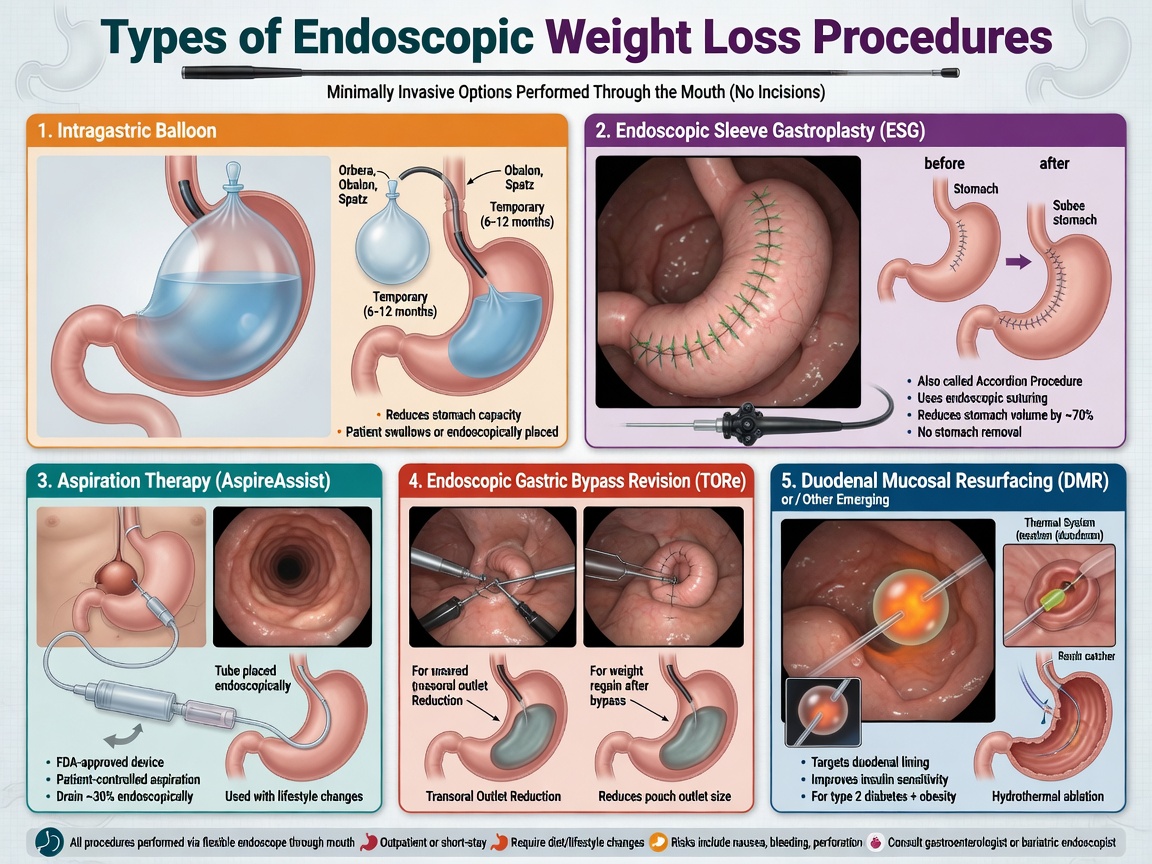
Intragastric Balloon (IGB): A soft silicone balloon is placed in the stomach and filled with saline, occupying space to induce early fullness. It remains for 6 months and is then removed. Average weight loss: 10–15% total body weight (TBWL). Recovery is immediate; mild nausea in the first week.
Endoscopic Sleeve Gastroplasty (ESG): A suturing device attached to the endoscope places full-thickness stitches in the stomach, reducing its volume by about 70% — permanently. Weight loss averages 15–20% TBWL at 1 year, with 15–20% maintained at 5 years. It’s an outpatient procedure under general anesthesia.
Other less common options include POSE (Primary Obesity Surgery Endoluminal) and AspireAssist, but IGB and ESG dominate current practice in Thailand. Bumrungrad International Hospital offers both procedures with a comprehensive care pathway.
Now that you know the basics, let’s compare IGB and ESG directly to see which might suit your needs.
Comparison to Surgery
Endoscopic procedures occupy a distinct middle ground between diet/exercise and full bariatric surgery. The following table summarizes key differences:
| Procedure | Invasiveness | Recovery Time | Expected Weight Loss | Reversibility |
|---|---|---|---|---|
| Intragastric Balloon | None (no cuts) | 1 day | 10–15% TBWL at 6 mo | Yes (removed @ 6 mo) |
| Endoscopic Sleeve (ESG) | None | 1–2 days | 15–20% TBWL at 1 yr | Partially reversible |
| Sleeve Gastrectomy | Laparoscopic (5 cuts) | 2–4 weeks | 25–30% TBWL at 1 yr | No |
| Gastric Bypass | Laparoscopic | 2–4 weeks | 30–35% TBWL at 1 yr | Rarely reversed |
According to GI Solutions, endoscopic options are best suited for patients with BMI 27–40 who want effective weight loss without the risks and downtime of surgery. The Middle Ground Protocol — introduced here — uses three factors (BMI, risk tolerance, and lifestyle commitment) to guide patients toward the most appropriate procedure.
Many patients adopt a staged approach: start with an endoscopic option to see if it meets their goals, then upgrade to surgery if needed. This strategy minimizes initial risk while preserving future options. Consistent lifestyle habits, such as regular exercise and dietary adjustments, further improve results.
With the big picture in mind, let’s examine the two most popular endoscopic procedures in detail.
IGB vs ESG: Head-to-Head Comparison
ESG generally provides more significant and sustained weight loss than the intragastric balloon, but the balloon may suit patients seeking a temporary, less invasive option. The Middle Ground Protocol assigns each procedure to a specific patient profile based on BMI and commitment level.
Intragastric Balloon: How It Works
The intragastric balloon is a temporary, space-occupying device placed in the stomach during a 20-minute endoscopic session. Once filled with 400–700 mL of saline, it promotes early satiety and slows gastric emptying. The balloon remains for 6 months (some dual-balloon systems last up to 12 months) and is then removed in a similar procedure.
Key points:
- Weight loss: Average 10–15% TBWL at 6 months; ~20% excess weight loss (EWL)
- Safety: Complication rate under 5% — mostly nausea, vomiting (manageable with medication), balloon deflation (<1%)
- Contraindications: Prior gastric surgery, large hiatal hernia, inflammatory bowel disease, pregnancy
- Ideal patient: BMI 27–35, wants a temporary jumpstart, hesitant about permanent procedures
A 2021 PMC review of 10 studies found that patients lost an average of 14% TBWL at 6 months, with 85% of the balloon removals uneventful. The balloon works best when combined with a structured lifestyle program — it is not a standalone solution.
For patients seeking more sustained results, the endoscopic sleeve offers a permanent reduction in stomach size.
ESG: A Deeper Look
Endoscopic sleeve gastroplasty is a suture-based procedure that reduces stomach volume by approximately 70% without any incisions. A specialized suturing device on the endoscope places a series of full-thickness stitches, creating a tubular sleeve similar in shape to a surgical sleeve but without cutting or stapling.
Key features:
- Procedure time: 60–90 minutes under general anesthesia; same-day discharge
- Weight loss: 15–20% TBWL at 1 year; 15–20% maintained at 5 years (Yoon 2021)
- Safety: Adverse event rate ~2% — most minor post-procedure nausea or abdominal pain; no staple line leaks
- Durability: The suture line can loosen over time (5–10% of patients may require revision after 5 years), but the procedure is revisable
- Ideal patient: BMI 30–40, good dietary commitment, comfortable with a permanent change
According to Clinical Endoscopy (2021), ESG maintains 15–20% TBWL at 5 years — a durability that rivals laparoscopic sleeve gastrectomy with a fraction of the early complication rate.
Now let’s put them head-to-head to help you decide.
ESG vs IGB: Head-to-Head Comparison
| Criteria | Intragastric Balloon | Endoscopic Sleeve (ESG) |
|---|---|---|
| Weight loss @ 1 yr | 10–15% TBWL | 15–20% TBWL |
| Invasiveness | None (sedation only) | None (general anesthesia) |
| Permanence | Temporary (6 mo) | Permanent (revisable) |
| Side effects | Nausea, vomiting (30%) | Mild pain (10%) |
| Cost (Thailand) | ~$3,000–$5,000 | ~$6,000–$10,000 |
| Reversibility | Fully reversible | Partially reversible |
Verdict: ESG is generally better for sustained weight loss, while IGB is better for temporary need or low commitment. The Middle Ground Protocol recommends:
- IGB for short-term jumpstart or if you are uncertain about surgery
- ESG if you want significant, lasting weight loss without open surgery
Now that you understand the endoscopic landscape, let’s see how ESG compares to the gold standard of surgical weight loss — gastric bypass.
ESG vs Gastric Bypass: Which Is Right for You?
ESG offers a middle ground: less invasive than gastric bypass with meaningful weight loss, while bypass provides higher excess weight loss but with greater surgical risks and longer recovery. The Middle Ground Protocol decision matrix matches each procedure to a specific patient profile.
Understanding ESG as a Middle Ground
ESG sits between the balloon and surgery on the intervention spectrum. Compared to the intragastric balloon, ESG delivers more durable weight loss (15–20% TBWL vs 10–15%) and is a permanent gastric reduction. Compared to gastric bypass, ESG requires no incisions, has a 2% complication rate versus 10–15%, and recovery takes 1–2 days instead of 2–4 weeks.
The trade-off is weight loss magnitude: bypass achieves 60–80% EWL at 2 years, while ESG achieves 45–60% EWL. For patients with BMI 30–40, the Middle Ground Protocol places ESG as the recommended middle ground — effective enough to produce meaningful health improvements, safe enough to minimize risk.
Aliva Weight Loss notes that ESG is ideal for patients who need more than a balloon but want to avoid surgery, especially those who value rapid recovery and low complication rates.
At the opposite end of the spectrum, gastric bypass remains the most effective long-term weight loss procedure.
Gastric Bypass: Gold Standard
Roux-en-Y gastric bypass creates a small gastric pouch (about 30 mL) and reroutes the small intestine to bypass a segment of the duodenum and jejunum. This combination of restriction and malabsorption produces the most significant and durable weight loss among bariatric procedures.
Key points:
- Weight loss: 60–80% EWL at 2 years; ~60% maintained at 10 years
- Complications: Overall rate 10–15% — includes dumping syndrome (10–20%), vitamin deficiencies (B12, iron, calcium), staple line leak (1–2%), bleeding (2–3%), mortality <0.5%
- Recovery: 2–4 weeks for return to normal activity; full recovery at 6 weeks
- Reversibility: Technically possible but rarely done due to complexity
- Ideal patient: BMI 40+ or BMI 35+ with obesity-related comorbidities; willing to commit to lifelong vitamins and dietary changes
Bumrungrad Hospital reports that their gastric bypass program maintains outcomes consistent with global benchmarks, with 60% of patients achieving durable weight loss at 10 years.
Now let’s put them side by side in a comprehensive comparison.
ESG vs Bypass: Comparison Table
| Criteria | ESG | Gastric Bypass |
|---|---|---|
| Weight loss (TBWL @ 1 yr) | 15–20% | 25–35% |
| Weight loss (EWL @ 5 yr) | 45–60% EWL | 60–70% EWL |
| Invasiveness | None (no incisions) | Laparoscopic (5–6 cuts) |
| Recovery time | 1–2 days | 2–4 weeks |
| Complication rate | ~2% | 10–15% |
| Reversibility | Yes (revision possible) | Rarely reversed |
| Cost (Thailand) | $6,000–$10,000 | $8,000–$15,000 |
| Dietary commitment | Moderate | High (lifelong supplements) |
| Best for BMI | 30–40 | 40+ or 35+ with comorbidities |
Research from a 2021 PMC study confirms that ESG’s complication rate (2%) is dramatically lower than gastric bypass (10–15%), making it a safer first-line option for moderate obesity. However, for patients who need maximum weight loss, bypass remains the gold standard.
Knowing the differences, which procedure is right for you? Let’s match them to patient profiles.
Patient Profiles: Who Benefits Most?
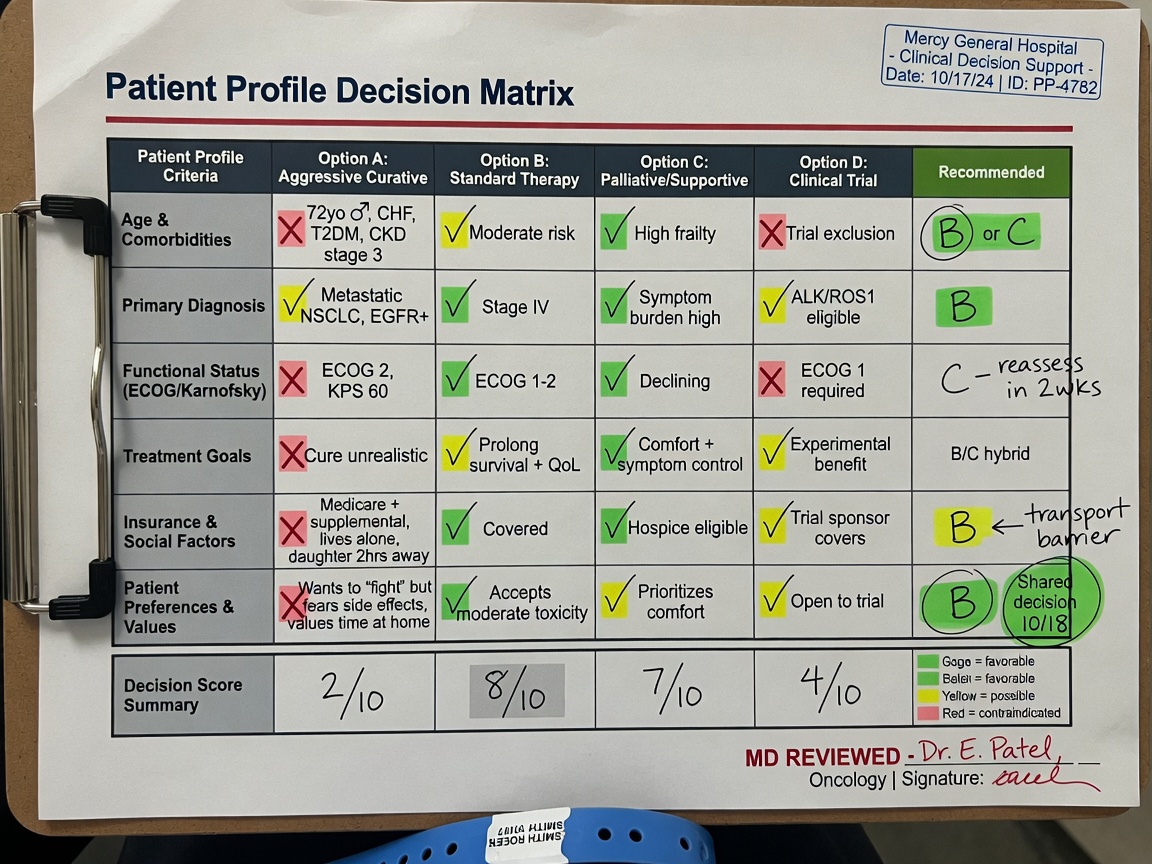
The Middle Ground Protocol defines four archetypes to help you match your personal situation to the right procedure:
| Profile | BMI | Recommended Procedure | Rationale |
|---|---|---|---|
| The Cautious Beginner | 27–32 | Intragastric Balloon | Low commitment, temporary, minimal risk |
| The Moderate Seeker | 30–40 | ESG | Significant weight loss without surgery |
| The Maximum Results Seeker | 40+ | Gastric Bypass | Highest sustained weight loss |
| The Staged Approach | 30–40 | ESG → Bypass if needed | Start low risk, upgrade if results insufficient |
If you’re considering surgery, Thailand is one of the most popular medical tourism destinations. Next, we’ll break down costs and options.
Bariatric Surgery in Thailand: Costs & Options
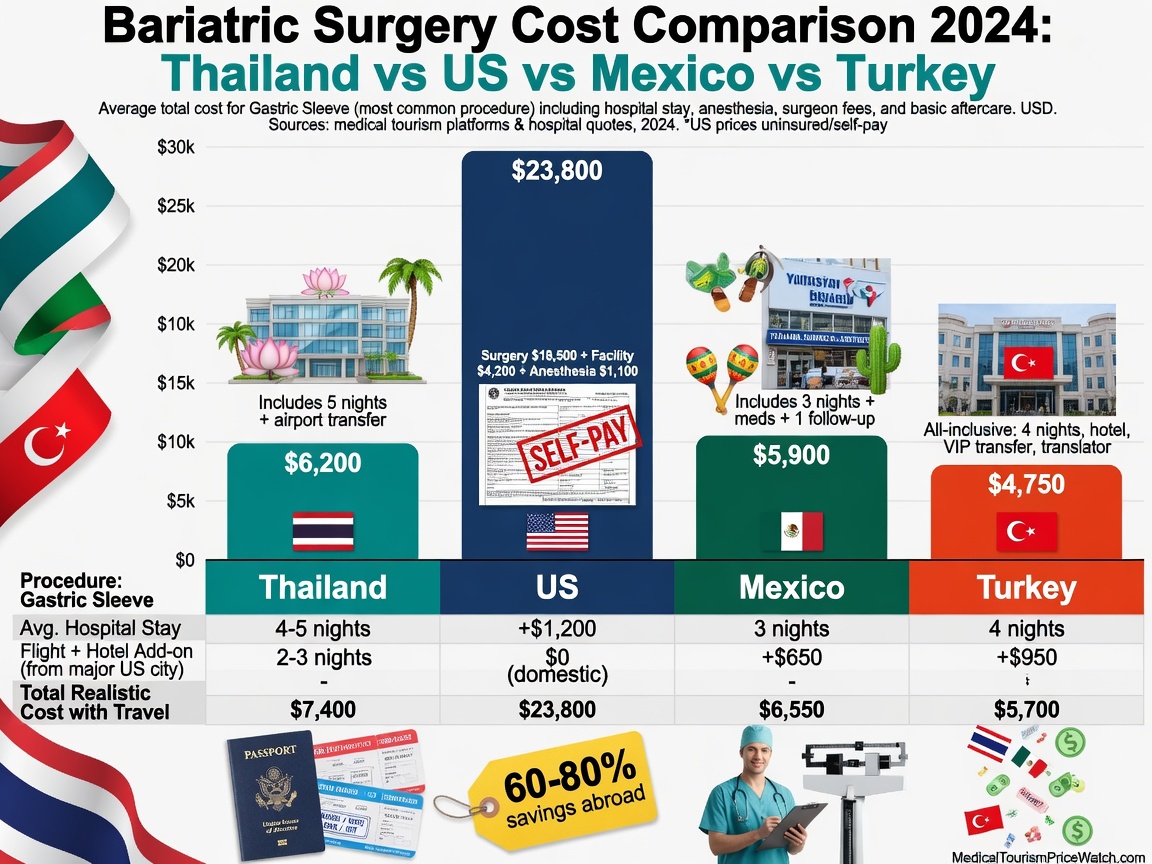
Thailand offers high-quality bariatric surgery at 50–70% lower cost than the US, with accredited hospitals and experienced surgeons. This section uses the Middle Ground Protocol to help you choose not only the procedure but also the clinic based on accreditation level and support services.
Why Thailand for Weight Loss Surgery?
Bariatric surgery in Thailand has become a leading option for medical tourists seeking affordable, high-quality care. Cost savings are substantial: 50–70% less than the US, and 20–30% less than Mexico for comparable outcomes. But price is only part of the story.
Key advantages:
- Accreditation: Several hospitals hold Joint Commission International (JCI) accreditation — the gold standard for international healthcare quality. Bumrungrad, Bangkok Hospital, and Yanhee are among the most recognized.
- Surgeon experience: Many Thai bariatric surgeons trained abroad and perform high case volumes (100+ procedures per year), which correlates with better outcomes.
- Travel convenience: Direct flights to Bangkok from most major cities; affordable accommodation; English-speaking coordinators at accredited hospitals.
FlyMedi reports that gastric bypass in Thailand costs between $8,000 and $15,000, compared to $20,000–$30,000 in the US — a savings of 50–70%. Studies presented at SAGES indicate that outcomes at JCI-accredited Thai centers are comparable to US standards.
Let’s look at the two most common procedures in detail.
Gastric Sleeve in Thailand: Costs
Gastric sleeve in Thailand — technically laparoscopic sleeve gastrectomy — removes approximately 80% of the stomach, leaving a narrow tube-like pouch. It’s a restrictive, irreversible procedure that significantly limits food intake.
Cost ranges:
- Bumrungrad International Hospital: $9,000–$12,000
- Bangkok Hospital: $6,000–$9,000
- Other accredited private hospitals: $6,000–$8,000
- Average: $6,000–$12,000 all-inclusive
Success rates: 70–80% EWL at 1 year; 50–60% at 5 years
Recovery: Typically 2–4 weeks; some patients return to desk work after 2 weeks
Important: Sleeve gastrectomy is irreversible. Patients must commit to lifelong lifestyle changes and nutritional monitoring. The SAGES abstract archive confirms that sleeve gastrectomy in Thai centers produces outcomes on par with international standards.
For more significant weight loss, gastric bypass offers superior results.
Gastric Bypass in Thailand: Costs
Gastric bypass in Thailand — the Roux-en-Y procedure — combines restriction with malabsorption. It’s the most effective surgical option for severe obesity.
Cost ranges:
- Bumrungrad International Hospital: $12,000–$15,000
- Bangkok Hospital: $8,000–$12,000
- Other private hospitals: $8,000–$10,000
- Average: $8,000–$15,000 all-inclusive
Success rates: 60–80% EWL at 2 years; 60% maintained at 10 years
Complication rates: 10–15% overall (dumping syndrome, vitamin deficiencies, leak risk)
Long-term requirements: Lifelong vitamin supplementation (B12, iron, calcium) and regular follow-up. Most patients report high satisfaction but emphasize the need for dietary discipline.
Bumrungrad Hospital reports that their gastric bypass program maintains complication rates consistent with global benchmarks thanks to experienced surgeons and rigorous preoperative selection.
With so many choices, how do you pick the right clinic? This checklist will help.
Choosing a Clinic: Checklist
Use the Middle Ground Protocol to match your risk tolerance with the appropriate clinic tier:
Decision checklist:
- Verify JCI accreditation — The gold standard for international quality. Ask for the hospital’s JCI certificate number.
- Review surgeon credentials — How many bariatric procedures has the surgeon performed? What is their complication rate?
- Read patient testimonials — Look for reviews on independent platforms (e.g., Google, WhatClinic, RealSelf).
- Request a transparent quote — Ensure the package includes pre-op testing, surgery, hospital stay (3–7 days), and post-op follow-up (telemedicine or in-person).
- Assess post-op support — Will the hospital provide virtual follow-ups after you return home? Is a dietitian available?
- Check travel logistics — Is the hospital near an international airport? Are accommodation packages available?
Clinic tier guidance (Middle Ground Protocol):
- Premium tier (Bumrungrad, Bangkok Hospital): Choose if you want maximum support, English-speaking staff, and comprehensive follow-up. Higher cost but lower risk for first-time medical tourists.
- Value tier (accredited private hospitals): Choose if you are comfortable managing follow-up independently and want to save money. Still JCI-accredited but less handholding.
Now that you know costs and options, how safe are these procedures in the long run? Let’s look at the data.
Safety & Long-Term Results
Both endoscopic and surgical procedures have established safety profiles; long-term data shows ESG maintains 15–20% TBWL at 5 years, while gastric bypass sustains 60% EWL at 10 years with proper follow-up. This section uses the Middle Ground Protocol to help patients set realistic expectations.
Short-Term Safety Comparison
The 30-day complication rates differ dramatically between minimally invasive and surgical procedures. The table below summarizes the data:
| Procedure | Major Complication Rate | Mortality | Typical Recovery |
|---|---|---|---|
| Intragastric Balloon | <1% (deflation, migration) | 0% | 1 day |
| ESG | ~2% (pain, nausea) | 0% (recent series) | 1–2 days |
| Sleeve Gastrectomy | 5–10% (leak 1–2%, bleeding 2–3%) | 0.1% | 2–4 weeks |
| Gastric Bypass | 10–15% (leak, dumping, deficiencies) | 0.3% | 2–4 weeks |
Endoscopic procedures are significantly safer in the short term, with no reported mortality in recent large series. Clinical Endoscopy (Yoon 2021) confirms ESG’s 2% adverse event rate, mostly mild. For patients needing maximum weight loss, the surgical risk is acceptable but must be weighed against the lower risk of endoscopic alternatives.
Short-term safety is clear; but how do results hold up over time?
3-Year and 5-Year Outcomes
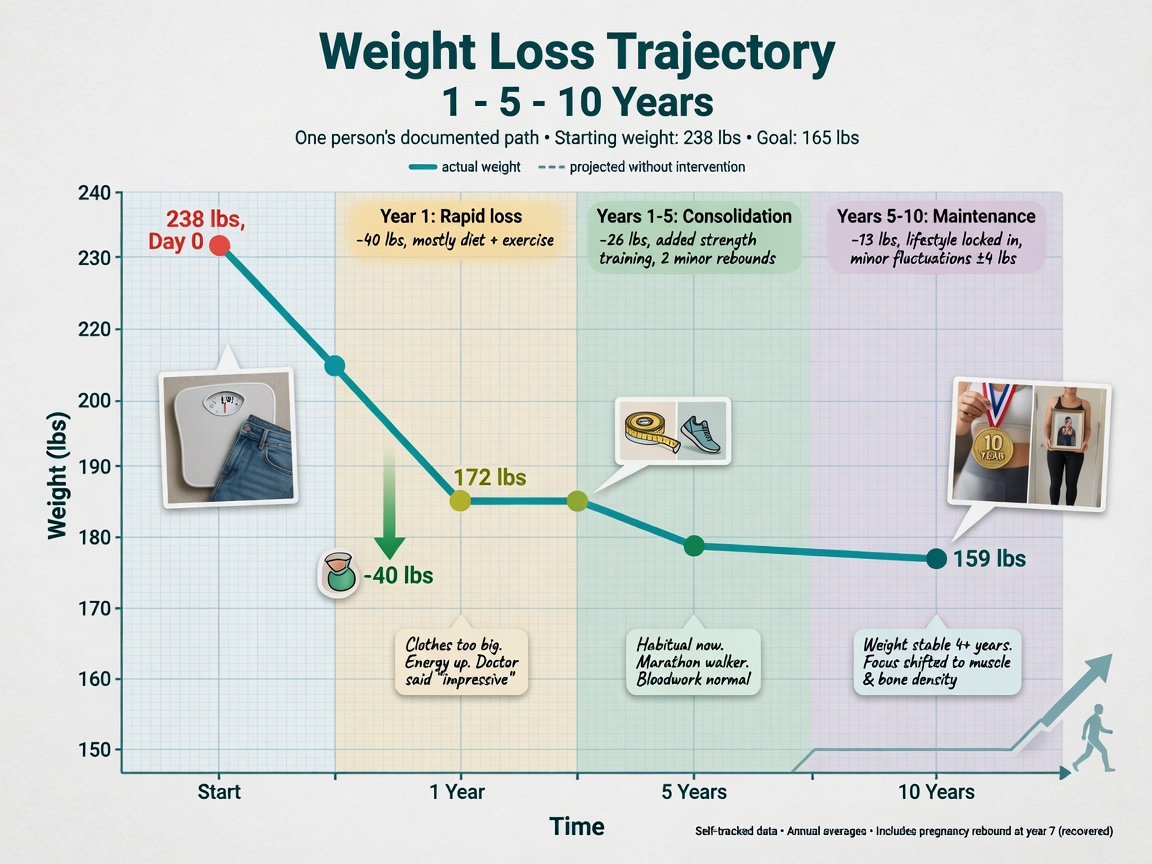
Weight loss trajectories diverge after the first year. Here’s what the data shows at mid-term follow-up:
- Intragastric balloon: Weight loss peaks at removal (6 months). Approximately 30% of lost weight is regained within 12 months. Long-term data beyond 2 years is limited because most patients go on to other procedures.
- ESG: 15–20% TBWL maintained at 3 years; ~15% TBWL at 5 years. Regain of about 5% occurs between years 3 and 5 (Yoon 2021).
- Sleeve gastrectomy: 50–60% EWL at 3 years; 50% at 5 years. Regain of ~10% after 3 years.
- Gastric bypass: 70% EWL at 3 years; 60% at 5 years. Regain of ~10% after 5 years.
A 2021 PMC analysis (Singh 2020) showed that endoscopic procedures (especially ESG) have narrower weight loss but also narrower variability — patients are less likely to have extreme regain or complications.
For patients considering surgery, the 10-year horizon is critical.
10-Year Outcomes: How Results Last
Longest available data for surgical procedures paints a clear picture:
- Sleeve gastrectomy: 40–50% EWL at 10 years; about 20% of patients experience significant weight regain after 5 years. Nutritional deficiencies (B12, iron) are common and require supplementation.
- Gastric bypass: 60% EWL at 10 years; weight regain of 10–15% after 5 years is typical. Lifelong vitamins are mandatory.
- ESG: No 10-year data yet (procedure only gained FDA recognition in 2018). Best available is 5-year data showing 15–20% TBWL, with some patients maintaining well into 6–7 years.
Key insight: Long-term success depends more on patient adherence than on the procedure itself. Patients who follow dietary guidelines, exercise regularly (150+ min/week), and attend regular follow-ups maintain better results. Clinical Endoscopy (2021) notes that for medical tourists, arranging ongoing follow-up — through telemedicine or local bariatric clinics — is essential for sustaining weight loss.
Data shows that results vary by individual. What factors maximize your chances?
Factors for Long-Term Success
The following factors have been shown to significantly affect weight maintenance after any procedure:
- Dietary adherence: High protein intake (60–80 g/day), adequate hydration, and portion control are non-negotiable. Post-procedure nutritional counseling doubles the likelihood of long-term success.
- Physical activity: Consistent exercise (150+ minutes per week) correlates with 30–50% lower weight regain across all procedure types.
- Follow-up engagement: Patients who attend regular check-ins with their bariatric team maintain 10–15% more weight loss at 5 years. For medical tourists, telemedicine programs at Thai hospitals (e.g., Bumrungrad’s remote follow-up) can bridge the gap.
- Psychological readiness: Addressing eating disorders, depression, or emotional eating before surgery increases success rates. Most accredited Thai hospitals include a psychological evaluation as part of the preoperative workup.
The Middle Ground Protocol includes a lifestyle score: the higher your commitment to diet, exercise, and follow-up, the more aggressive a procedure you can sustain. A staged approach — starting with ESG and progressing to bypass if needed — works well for patients with moderate scores.
No procedure is perfect. Understanding limitations helps you make an informed choice.
Limitations & Alternatives
Every weight loss procedure has scenarios where it may fall short. Acknowledging these limitations demonstrates balanced, nuanced understanding and helps you plan accordingly.
Common Pitfalls
- Intragastric balloon: Nausea/vomiting leads to early removal in 5–10% of patients. Balloon deflation is rare (<1%) but requires emergency removal. Weight regain after removal is common if lifestyle changes are not maintained.
- ESG: Suture line loosening affects 5–10% of patients at 5 years, sometimes requiring a revision procedure. Weight loss is less than surgery — patients with BMI >40 may be disappointed.
- Sleeve gastrectomy: Staple line leak (2%) is a serious complication requiring additional surgery. Severe GERD can develop or worsen. The procedure is irreversible.
- Gastric bypass: Dumping syndrome causes nausea, sweating, and diarrhea after high-sugar meals. Nutritional deficiencies require lifelong monitoring. The malabsorptive component increases risk of gallstones, ulcer, and nutrient malabsorption.
When to Choose Alternatives
- If your BMI is above 40, endoscopic options (balloon or ESG) alone are unlikely to provide adequate weight loss. Bypass or sleeve is more appropriate.
- If you are unwilling or unable to commit to a lifestyle program, the intragastric balloon will result in significant regain after removal. Consider dietary counseling first.
- If you have a history of severe GERD, sleeve gastrectomy may worsen symptoms; gastric bypass is preferred.
- For patients with BMI 27–35 who are hesitant about any procedure, a structured medical weight loss program (diet, exercise, medication) should be the first line.
When to Seek Expert Help
Before any procedure, undergo a comprehensive evaluation by a multidisciplinary bariatric team, including a gastroenterologist (for endoscopic options) or a bariatric surgeon (for surgical options), a dietitian, and a psychologist. For medical tourists, schedule a pre-travel teleconsultation with the Thai hospital to ensure you meet their criteria. If complications arise — severe abdominal pain, fever, vomiting — seek immediate medical attention.
Frequently Asked Questions
1. What is bariatric endoscopy?
Bariatric endoscopy is a minimally invasive branch of gastroenterology that uses an endoscope to perform weight loss procedures without external incisions. Unlike traditional bariatric surgery, it requires no skin cuts and recovery is same-day. Common procedures include intragastric balloon placement and endoscopic sleeve gastroplasty (ESG). A 2024 evidence review found bariatric endoscopy achieves 15–20% total body weight loss on average. It’s ideal for patients with BMI 27–40 who want effective weight loss with minimal downtime.
2. Is endoscopic sleeve better than gastric balloon?
Yes, endoscopic sleeve gastroplasty (ESG) generally outperforms the intragastric balloon in sustained weight loss. ESG produces 15–20% total body weight loss at one year, compared to the balloon’s 10–15%. However, ESG is a permanent procedure requiring commitment, while the balloon is temporary and removed after 6 months. The balloon may be better for patients who want a trial run or have low risk tolerance. Use the “Middle Ground Protocol” to decide based on your BMI and long-term goals.
3. What is safer, gastric sleeve or balloon?
The intragastric balloon is safer than gastric sleeve surgery, with a complication rate under 5% versus 10–15% for sleeve. Balloon risks include nausea and discomfort, while sleeve risks include staple line leaks and infections. However, balloon weight loss is temporary, and sleeve provides more durable results. For patients prioritizing safety over magnitude of weight loss, the balloon is the safer choice. Always discuss risk profiles with a qualified bariatric specialist.
4. How much does gastric bypass cost in Thailand?
Gastric bypass in Thailand costs between $8,000 and $15,000, depending on the hospital and package. Top-level JCI-accredited hospitals like Bumrungrad charge toward the high end ($12,000–$15,000). Other accredited private hospitals offer packages from $8,000 to $10,000. This is 50–70% less than the average US cost of $20,000–$30,000. Price often includes pre-op testing, surgery, hospital stay, and limited post-op follow-up.
5. What happens 10 years after gastric sleeve?
Ten years after gastric sleeve, patients typically maintain 40–50% excess weight loss, though some regain occurs. Studies show that about 20% of patients experience significant weight regain after 5 years. Long-term success depends strongly on adherence to diet and exercise. Nutritional deficiencies, particularly vitamin B12 and iron, are common and require lifelong supplementation. Regular follow-up with a bariatric team is essential to monitor and mitigate issues.
Conclusion
For patients considering weight loss procedures in Thailand, the spectrum from endoscopic balloons to gastric bypass offers solutions for every BMI and lifestyle. The Middle Ground Protocol simplifies the choice: IGB for temporary risk-free weight loss, ESG for sustainable medium-term reduction, and gastric bypass for maximal long-term results. Thailand’s accredited hospitals provide these options at 50–70% lower cost than the US, with comparable safety outcomes when patients choose JCI-accredited centers.
The Middle Ground Protocol is a practical framework that maps your BMI, risk tolerance, and lifestyle commitment to the optimal procedure. By following its guidelines, you avoid the common pitfalls of choosing based on cost or hearsay alone. Use the protocol as a starting point for your consultation.
Begin by scheduling consultations with at least two accredited hospitals in Thailand — ask about their all-inclusive packages and postoperative support. Consider beginning with an endoscopic option if your BMI is under 35; you can always upgrade to surgery later. Start your research today with the decision checklist provided earlier.
Medical Disclaimer: This article is for informational purposes and does not constitute medical advice. Consult a qualified healthcare professional before making any decisions about weight loss procedures.