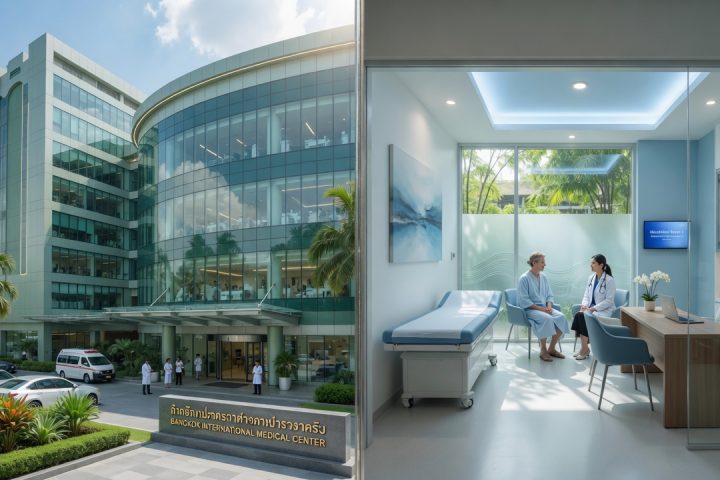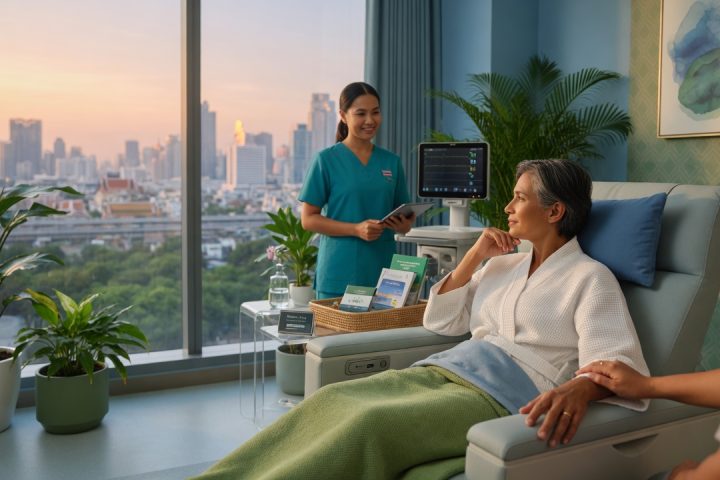

Cataract Surgery in Thailand: A Complete Guide for Travelers
If you’re struggling with blurry, dimming vision and considering treatment abroad, you’ve likely heard that cataract surgery in Thailand can save you thousands of dollars. But is it safe? Are the hospitals world-class? How do you navigate the choices? Without a clear plan, you risk choosing a clinic that doesn’t meet your standards, paying hidden fees, or facing a recovery that ruins your trip. The wrong lens choice can leave you unhappy with your vision for life. By the end of this guide, you’ll have a complete framework – the SightScore Framework – to evaluate your options on Cost, Quality, Comfort, and Logistics, so you can book with confidence. We’ll cover why Thailand stands out, lens types, costs, recovery, and how to pick the best hospital and surgeon – all in one place.
This article is for informational purposes only and does not constitute medical advice. Always consult a qualified ophthalmologist.
Key Takeaways
Cataract surgery in Thailand offers world-class care at 60–80% less than US prices, with costs ranging from $1,200 to $4,000 per eye depending on lens choice.
- The SightScore Framework helps you evaluate providers on Cost, Quality, Comfort, and Logistics.
- Premium lenses (multifocal/toric) reduce glasses dependency but cost 2–3x more.
- Recovery is quick – most patients see clearly in 24 hours and can fly home within a week.
- Always choose a JCI-accredited hospital for international safety standards.
Why Thailand for Cataract Surgery?
Thailand has become a leading destination for cataract surgery due to its combination of internationally accredited hospitals, experienced surgeons, and dramatically lower costs. With over 60 JCI-accredited facilities, Thailand offers world-class care at 60–80% less than US prices (JCI, 2025). This means you can receive the same advanced lens technology found in Europe or North America for a fraction of the investment – often including your travel and accommodation.
What Makes Thailand a Top Destination?
JCI accreditation – the global gold standard for hospital quality – ensures strict safety protocols, modern equipment, and highly trained staff. Thailand’s leading hospitals, such as Bangkok Hospital and Bumrungrad International Hospital, have specialized ophthalmology centers that handle thousands of cataract procedures each year. Cost-wise, US cataract surgery averages $3,500–$5,000 per eye, while Thailand’s packages start at $1,200–$1,500 per eye for a standard lens (FlyMedi, 2025). Thailand attracts over 2.5 million medical tourists annually, making it one of the most experienced destinations in the world. Leading Countries for Cataract Surgery reports that Thailand consistently ranks among the top choices for safety and value.
While Thailand’s overall value is clear, the real decision point comes down to the type of lens you choose – and how it fits your lifestyle.
Thailand vs. Other Popular Destinations
When comparing the best country for cataract surgery 2026, Thailand edges ahead for English-speaking travelers due to its balance of quality, cost, and convenience. Below is a quick comparison:
| Destination | Typical Cost (per eye) | Quality of Care | Language Barrier | Travel Ease (from US/Europe) |
|---|---|---|---|---|
| Thailand | $1,200–$4,000 | JCI-accredited, high | Minimal (English widely spoken) | Good (direct flights, tourism hub) |
| India | $800–$2,500 | Variable, some JCI | Moderate | Moderate |
| Mexico | $1,000–$3,000 | Some JCI, variable | Moderate (border states easier) | Good (from US) |
| Turkey | $1,000–$2,500 | Many JCI-accredited | Moderate | Good (from Europe) |
| South Korea | $2,500–$5,000 | Excellent, high tech | Moderate | Good |
Thailand’s medical tourism infrastructure, combined with its reputation for hospitality and safety, makes it a top pick for cataract patients. Amedical comparison highlights Thailand as a sweet spot between cost and quality.
Once you’ve chosen your destination, the next big choice is the lens itself – it determines not only your vision outcome but also the total cost.
Understanding Your Lens Options
The best IOL for cataract surgery depends on your lifestyle and budget. The lens you choose – monofocal, multifocal, or toric – determines how well you see after surgery and whether you’ll still need glasses. Your choice also heavily influences the final price. Using the SightScore Framework, the Quality pillar examines how each lens type impacts your daily vision, while the Cost pillar attaches a clear price tag.
Monofocal Lenses: The Standard Option
A monofocal lens in Thailand provides sharp vision at a single distance – typically far. You will need reading glasses for near tasks. This is the most affordable choice, included in basic packages starting at $1,200–$1,500 per eye. Best for budget-conscious patients who don’t mind glasses for close work. Bangkok Hospital lens guide explains that monofocals remain the most common option worldwide due to their reliability and cost.
Multifocal Lenses: Correcting Near and Far
Multifocal lenses in Thailand offer multiple focal zones, reducing your dependence on glasses for distance, intermediate, and near vision. They are ideal for active lifestyles. However, they come at a premium – $2,500–$4,000 per eye – and some patients may experience temporary glare or halos at night. Premium multifocal lenses can reduce the need for glasses by up to 90% for both distance and near vision (Bangkok Hospital, 2025). Best for those who prioritize convenience over cost.
Toric Lenses: For Astigmatism
Toric lenses in Thailand correct both cataracts and astigmatism in a single lens. They can be combined with multifocal technology for full vision correction. Costs range from $3,000–$4,500 per eye. Best for patients with pre-existing astigmatism who want to reduce or eliminate glasses entirely.
How Lens Choice Affects Your Surgery Outcome
The table below summarizes the key trade-offs to help you apply the SightScore Framework’s Cost and Quality pillars:
| Lens Type | Best For | Approx Cost (per eye) | Glasses Needed After |
|---|---|---|---|
| Monofocal | Budget, single vision | $1,200–$1,500 | Yes (reading) |
| Multifocal | Active lifestyle, no glasses | $2,500–$4,000 | Minimal |
| Toric | Astigmatism | $3,000–$4,500 | Possibly (depends on prescription) |
Most articles stop at listing lenses; this table helps immediate decision-making by linking cost to outcome.
With a clear picture of lens options, let’s turn to the numbers – what you’ll actually pay and why prices vary.
What You’ll Pay: Costs and Packages
Cataract surgery cost in Thailand varies widely based on lens type, hospital, and package inclusions. Understanding the full breakdown is essential to avoid surprises and to apply the SightScore Framework’s Cost pillar effectively.
Average Cost Breakdown: Standard vs. Premium Lenses
| Lens Type | Typical Cost Per Eye | What’s Typically Included |
|---|---|---|
| Standard monofocal | $1,200–$1,500 | Surgery, standard lens, 1-day hospital stay, basic meds |
| Premium multifocal | $2,500–$4,000 | Surgery, lens, 1-day stay, post-op drops, follow-up |
| Toric (with astigmatism) | $3,000–$4,500 | Same as multifocal plus toric correction |
A standard monofocal package costs $1,200–$1,500 per eye, while premium multifocal lenses can reach $4,000 per eye – still 50% less than similar US procedures (FlyMedi, 2025). FlyMedi pricing data provides current cost ranges for cataract surgery in Thailand.
What’s Included (and What’s Not) in a Package
Most cataract surgery packages in Thailand include: pre‑operative tests, surgeon fee, standard intraocular lens, one night hospital stay, and basic medications. Extras that often add cost include: premium lens upcharges ($500–$1,000 extra), post‑op eye drops, transportation, companion flights, and accommodation. Always ask for a full written quote that itemizes everything.
Hidden Costs to Watch For
Beyond the package, watch for these potential extras: premium IOL surcharge ($500–$1,000), post‑op eye drops ($30–$50), transport to follow-up visits, companion travel costs, and visa fees. For truly affordable cataract surgery in Thailand, request a detailed quote from at least two hospitals and compare them line by line.
With your budget set, it’s time to plan the practical side: how long you need to stay in Thailand and what recovery looks like.
Planning Your Recovery and Travel
A well-planned recovery is essential for good outcomes. Most patients need at least 7–10 days in Thailand after surgery. Using the SightScore Framework’s Comfort pillar, we’ll help you plan a recovery that maximizes safety and minimizes disruption to your trip.
Your Recovery Timeline: Week by Week
Recovery after cataract surgery in Thailand follows a predictable pattern:
- Day 1: Rest, no rubbing, wear protective shield. Vision may be blurry.
- Day 3–5: Follow-up check-up. Vision stabilizes; can walk and do gentle activity.
- Day 7: Most patients are cleared to fly. Avoid heavy lifting, swimming, dusty environments.
- Week 2–4: Continue eye drops. Avoid heavy exercise. Full healing continues.
- Full healing: 1–3 months.
Most patients achieve functional vision within 24 hours and can safely fly home after a 7‑day recovery period, though full healing takes 4–6 weeks (Placidway patient reviews, 2025). Placidway patient advice shares first‑hand experiences from travelers who underwent the procedure.
What to Be Careful of in Thailand
Thailand’s tropical environment requires extra precautions after surgery:
- Dust and pollution: Wear sunglasses and a hat, especially in Bangkok.
- Water quality: Avoid tap water near your eyes. No swimming or beaches for at least 2 weeks.
- Sun protection: Your eyes will be more sensitive to UV during recovery.
- Food hygiene: Avoid street food to prevent stomach issues that could strain your eyes.
These medical tourism recovery tips in Thailand are often overlooked but critical to a smooth recovery.
Travel Insurance and Post-Op Precautions
Standard travel insurance policies often exclude elective surgery. You may need a specialized medical travel plan that covers complications. If you plan to travel after cataract surgery, most airlines allow flying after 7 days if there are no complications. Keep your eye drops in your carry‑on. Always check your policy carefully before booking.
Finally, the most important decision: where to have your surgery and who will perform it.
How to Choose Your Hospital & Surgeon
The safety and success of your surgery depend on choosing a JCI-accredited hospital and a surgeon with specific cataract and premium lens experience. The SightScore Framework’s Quality pillar emphasizes accreditation and expertise as non-negotiable factors.
JCI Accreditation: Your Safety Benchmark
JCI (Joint Commission International) is the gold standard for hospital quality. Thailand has 60+ JCI-accredited facilities, including Bangkok Hospital and Bumrungrad International Hospital. Accreditation ensures international safety protocols, modern equipment, and rigorous staff training. Bangkok Hospital accreditation confirms that the hospital meets these global standards and has a dedicated cataract program.
Questions to Ask Before Booking
Before selecting a surgeon, ask these questions to find the best eye surgeon in Thailand:
- “How many premium IOL implantations have you performed?”
- “What technology do you use for lens power calculation and measurements?”
- “What’s included in the package? Are there any hidden fees?”
- “What follow‑up care is provided, and who handles it?”
- “Do you have an international patient coordinator?”
Top Hospitals in Thailand for Cataract Surgery
- Bangkok Hospital – Largest private hospital network, JCI-accredited, dedicated ophthalmology center with advanced technology.
- Bumrungrad International Hospital – Renowned for medical tourism, high English proficiency, and experienced cataract surgeons.
- Bangkok Pattaya Hospital – Option outside Bangkok; offers lower costs and the advantage of beach-side recovery.
For further detail on Bangkok Hospital cataract surgery and others, consult their official websites or a reputable medical tourism portal.
Even with all this information, it’s important to be aware of the limitations and risks.
Limitations & Risks of Cataract Surgery in Thailand
When Cataract Surgery Might Not Be Right
Not everyone is a candidate. Uncontrolled glaucoma, severe retinal issues, or certain medications may complicate outcomes. Complications are rare but possible: infection, inflammation, or posterior capsule opacification. Most patients see well afterward but may still need glasses for some tasks. Always have realistic expectations.
How to Mitigate Risks
To reduce complications, choose a JCI-accredited hospital, undergo a full pre‑op evaluation, strictly follow post‑op instructions, and have a local contact in Thailand for emergencies. The SightScore Framework’s Logistics pillar emphasizes having a support system in place.
Always Consult Your Doctor
This information is for educational purposes. Always consult a qualified ophthalmologist about your specific condition and risks.
Frequently Asked Questions
Is cataract surgery in Thailand safe?
Yes, cataract surgery in Thailand is very safe when performed at a JCI-accredited hospital like Bangkok Hospital or Bumrungrad. Thailand has over 60 JCI-accredited facilities and experienced surgeons who have performed thousands of procedures. Complication rates are comparable to those in Western countries. Always choose a hospital with international accreditation and verify your surgeon’s credentials.
How much does cataract surgery cost in Thailand per eye?
Cataract surgery in Thailand costs between $1,200 and $4,000 per eye depending on the type of lens you choose. A standard monofocal lens package starts around $1,200–$1,500 per eye, while premium multifocal or toric lenses can cost $2,500–$4,000. This still represents a 60–80% savings compared to the United States. Always ask for a full itemized quote to avoid hidden fees.
How long does it take to recover from cataract surgery?
Most people see clearly within 24 hours and can fly home after 7 days. However, full healing takes 4–6 weeks. During the first week, avoid rubbing your eyes, swimming, dusty environments, and heavy lifting. Your surgeon will schedule follow‑up appointments before you leave. Thailand’s tropical climate means extra precautions for sun and water.
Will cataract surgery affect my travel insurance?
Standard travel insurance policies often exclude elective surgery. You may need a specialized medical travel insurance plan that covers complications from a planned procedure. Check your policy carefully before booking. Some hospitals offer complication cover as part of their package. Always disclose your surgery plans to your insurance provider.
Which country has the best cataract surgery?
For overall value – combining cost, quality, and travel ease – Thailand is among the best. The US and Europe offer top quality but at 2–5 times the cost. India and Mexico are cheaper but may have variable standards and fewer English‑speaking staff. South Korea offers advanced technology but is more expensive. Thailand’s combination of JCI accreditation, English proficiency, affordable premium lenses, and rich travel experience makes it the top choice for many medical travelers.
Conclusion
For travelers seeking affordable, high‑quality cataract surgery, Thailand offers a compelling blend of cost savings (60–80% below the US), JCI-accredited hospitals, and a range of lens options from $1,200 to $4,000 per eye. The SightScore Framework helps you evaluate your choices across Cost, Quality, Comfort, and Logistics, ensuring you make an informed decision.
Remember the SightScore Framework: prioritize JCI accreditation for Quality, get itemized quotes for Cost, plan your recovery environment for Comfort, and choose a hospital with an international patient office for Logistics. This structured approach eliminates guesswork and risk.
Your next step is to shortlist 2–3 JCI-accredited hospitals, request detailed cost breakdowns for your preferred lens type, and schedule a virtual consultation with their ophthalmology department. Ask the questions from our checklist, and you’ll be ready to book with confidence.