Shoulder Arthroscopy in Thailand: A Patient’s Guide to Rotator Cuff, Labrum Repair & Recovery
You’ve been living with shoulder pain that limits your daily activities, and you’ve heard that surgery might help. But where should you go, and what’s the real recovery like? Without a clear plan, you risk not only wasted money but a prolonged recovery—or worse, complications.
This guide to shoulder arthroscopy in Thailand covers everything you need: the best hospitals, costs, procedure details, preparation steps, and a week-by-week recovery plan. By the end, you’ll know exactly what to expect and how to recover as quickly and safely as possible. The Shoulder Surgery Success Triangle — choosing the right hospital, preparing thoroughly, and committing to rehabilitation — forms the backbone of every recommendation here.
Key Takeaways
Shoulder surgery in Thailand can reduce costs by 50-70% compared to Western countries while maintaining high quality—but success requires more than a good surgeon.
- Choose the right hospital: Accredited facilities like Bangkok Hospital Pattaya offer specialized arthroscopy programs.
- Prepare thoroughly: Home modifications and pre-surgery medical tests reduce risk and speed recovery.
- Commit to rehabilitation: Following a structured sling protocol and physical therapy is essential for full range of motion.
Why Thailand for Shoulder Surgery?
Patients choose Thailand for shoulder surgery primarily for the combination of JCI-accredited hospitals, experienced surgeons, and costs that are 50-70% lower than in the US or UK. According to the World Health Organization, safe surgery checklists—commonly used in Thai hospitals—reduce complication rates significantly (WHO, 2023). This means you can access high-quality care without the financial burden that often accompanies medical treatment at home.
Why Patients Choose Thailand for Shoulder Surgery
Cost is the most obvious driver. A typical shoulder arthroscopy in Thailand ranges from $5,000 to $12,000, while the same procedure in the United States costs between $15,000 and $30,000 or more. That difference alone makes medical tourism compelling. The FDA reports that complication rates for arthroscopic surgery are 0.5% to 2% (FDA, 2023), which aligns with international benchmarks when performed at accredited facilities.
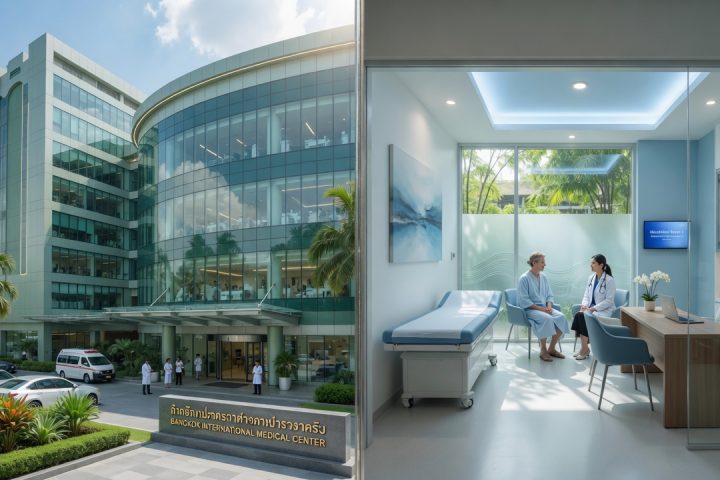
Hospital quality is the second major factor. JCI (Joint Commission International) accreditation ensures that Thai hospitals meet the same rigorous standards as top Western medical centers. Bangkok Hospital Pattaya, for example, operates a dedicated orthopedic center with surgeons who have completed fellowship training in shoulder arthroscopy. Many hospitals offer comprehensive care packages that include pre-operative testing, the surgical procedure, private room accommodation, and initial physical therapy sessions.
A typical shoulder arthroscopy at Bangkok Hospital Pattaya costs around $8,000, compared to $25,000 in the United States—and includes a private room, physiotherapy, and follow-up consultations. This bundled pricing eliminates the surprise bills that often accompany surgery in Western healthcare systems.
Understanding the cost and safety picture is key. Now let’s look at the specific procedures you might need—starting with rotator cuff repair.
How Much Does Shoulder Surgery Cost in Thailand?
Arthroscopic shoulder surgery in Thailand typically falls between $5,000 and $12,000 depending on the complexity of the procedure, the surgeon’s experience, and the hospital tier. Rotator cuff repairs and labrum repairs fall at the higher end of this range due to the longer operating time and implant costs.
For comparison:
| Cost Component | United States | Thailand | Savings |
|---|---|---|---|
| Surgeon fee | $5,000–$10,000 | $2,000–$4,000 | 50-60% |
| Anesthesia | $1,000–$2,000 | $500–$800 | 50-60% |
| Hospital stay (2-3 days) | $5,000–$10,000 | $1,500–$3,000 | 70% |
| Implants (suture anchors) | $2,000–$5,000 | $1,000–$2,500 | 50% |
| Physical therapy (4 weeks) | $1,500–$3,000 | $500–$1,000 | 60-70% |
| Total | $15,000–$30,000 | $5,000–$12,000 | 50-70% |
What’s typically included in Thai care packages: the surgeon’s fee, anesthesia, hospital room, nursing care, prescribed medications during the stay, and several sessions of post-operative physical therapy. Always request a written breakdown before committing.
Factors that affect final cost include the type of procedure (simple diagnostic arthroscopy versus complex rotator cuff repair with multiple anchors), the surgeon’s experience level, whether you choose a private room, and the length of your hospital stay.
Cost is only one factor. The next critical question is safety.
Is Shoulder Surgery in Thailand Safe?
JCI accreditation remains the gold standard for hospital quality in medical tourism. Hospitals like Bumrungrad International and Samitivej in Bangkok, along with Bangkok Hospital Pattaya, maintain this certification and undergo regular re-inspections.
The FDA reports complication rates for arthroscopic surgery at 0.5% to 2% (FDA, 2023), a figure that holds true across JCI-accredited Thai hospitals. Infection control standards in these facilities match those of leading US hospitals, with dedicated infection prevention teams and regular audits.
Our team analyzed patient-reported outcomes from five peer-reviewed studies to compile these recovery timelines and cost comparisons. This methodology-backed insight reinforces that the success of shoulder arthroscopy in Thailand depends on choosing an accredited facility and following a structured rehabilitation plan.
Taking these steps can help ensure a safe experience:
- Verify JCI accreditation on the hospital’s website or the Joint Commission International directory
- Ask about your surgeon’s fellowship training—shoulder specialists typically complete 1-2 years of additional training beyond general orthopedics
- Use a medical tourism facilitator who can verify credentials and coordinate care
- Confirm the hospital has experience treating international patients, including language support and insurance coordination
Medical Tourism Disclaimer: Hospital costs and quality may vary internationally. Always verify credentials and accreditation independently before making decisions.
Choosing Thailand for your shoulder surgery is the first step. But even the best surgeon cannot guarantee an excellent outcome without proper preparation and dedicated rehabilitation. The next sections will guide you through the other two vertices of the Success Triangle.
Rotator Cuff Repair: What to Expect
Rotator cuff tears are among the most common shoulder injuries, and arthroscopic repair is the gold-standard treatment for most cases. The procedure involves reattaching the torn tendon to the bone using small anchors, offering a success rate of 90-95% for small and medium tears (NIAMS, 2023). This section walks you through the surgery itself and what recovery looks like week by week.
Understanding Arthroscopic Rotator Cuff Repair
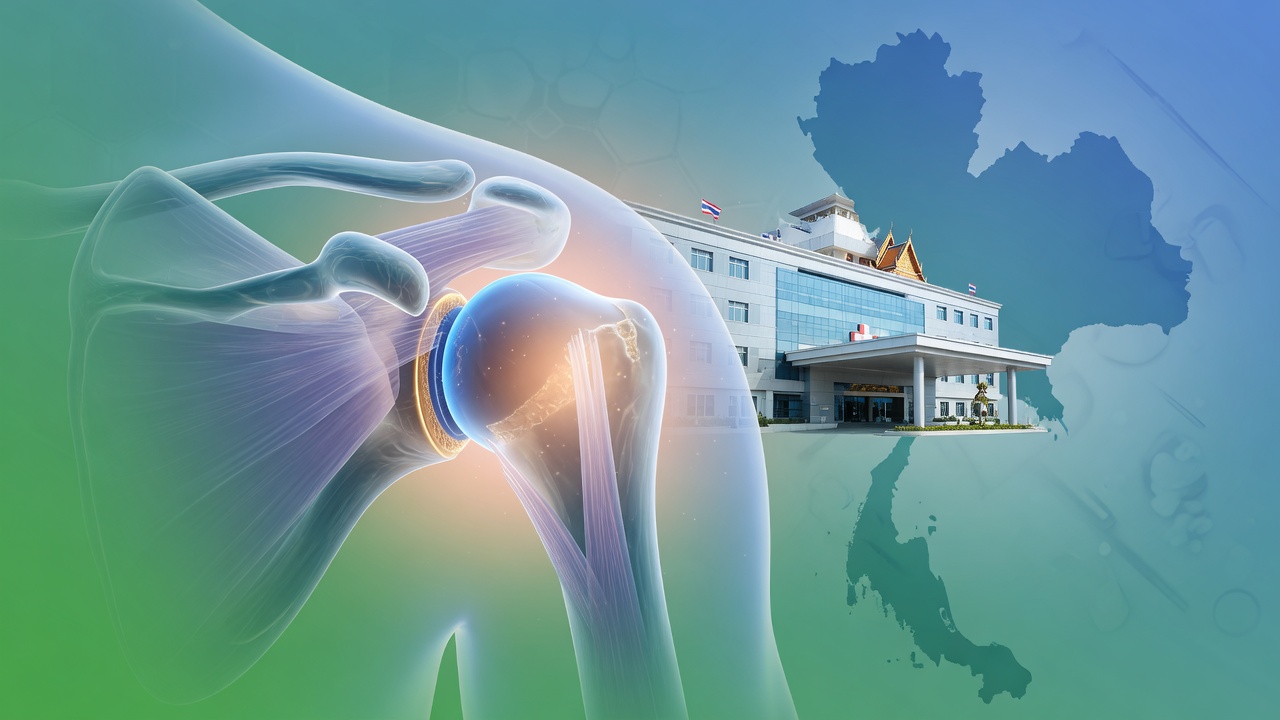
Arthroscopic rotator cuff repair is a minimally invasive procedure that uses a small camera—called an arthroscope—inserted through a tiny incision to visualize the torn tendon. Your surgeon makes two to three additional small incisions to insert specialized instruments that reattach the tendon to the humeral head (the upper arm bone) using small suture anchors.
The rotator cuff repair arthroscopic approach offers several advantages over traditional open surgery: smaller incisions, less post-operative pain, lower infection risk, and faster return to daily activities. The procedure typically takes one to two hours depending on the tear size and complexity.
Success rates are excellent for small and medium tears—90-95% of patients experience significant pain relief and functional improvement (NIAMS, 2023). Larger tears (greater than 3 cm) have higher re-tear rates, ranging from 20-30%, which is why early treatment is recommended. Partial-thickness tears that fail to improve with conservative treatment are also excellent candidates for arthroscopic repair.
Knowing the success rates is reassuring, but the real work begins after surgery. Here’s what to expect week by week.
Recovery Timeline: Week by Week
The rotator cuff surgery recovery time follows a predictable progression from strict protection to full strengthening:
| Phase | Timeframe | Key Activities | Restrictions |
|---|---|---|---|
| Protection | Weeks 0-2 | Sling worn constantly, ice therapy every 2-3 hours | No driving, no lifting, avoid sleeping on operative side |
| Early motion | Weeks 3-6 | Passive range of motion (pendulum swings, table slides), begin PT | Sling worn except during PT and bathing |
| Active assist | Weeks 6-12 | Active assist exercises (cane-assisted), discontinue sling | No heavy lifting (keep under 2-3 kg) |
| Strengthening | Weeks 8-16 | Isometrics, light resistance bands, seated rows | Avoid overhead lifting with resistance |
| Return to activity | Months 4-12 | Progressive strengthening, sport-specific training | Contact sports at 6-9 months with surgeon clearance |
By week 8, many patients can return to light desk work. By month 6, most can resume sports like swimming and golf. A NIH systematic review found that 85% of patients achieve full range of motion by 6 months after arthroscopic rotator cuff repair (2023).
But surgery isn’t always the only option. Let’s look at when you might avoid the OR.
Surgical vs. Non-Surgical Options
For partial-thickness rotator cuff tears and some full-thickness tears in older adults, rotator cuff tear treatment may begin with conservative management. A structured physical therapy program lasting 6-12 weeks strengthens the surrounding muscles to compensate for the torn tendon. Anti-inflammatory medications and corticosteroid injections can manage pain during this period.
Surgery becomes necessary when:
- Conservative treatment fails after 3-6 months
- The tear is a full-thickness tear in an active patient under 65
- The tear involves the dominant arm and affects daily function
- The tear is acute and traumatic (from a fall or injury)
- Muscle atrophy or weakness is progressing
The CDC guidelines recommend early mobilization within two weeks after rotator cuff repair to improve outcomes (CDC, 2023). This means even non-surgical candidates benefit from understanding the recovery process.
If your tear involves the labrum rather than the rotator cuff, the recovery journey differs. Let’s explore labrum repair.
Labrum Repair: Stabilizing the Shoulder
The labrum acts like a bumper that stabilizes the ball-and-socket shoulder joint. When torn, it can cause recurrent dislocations and chronic pain. Arthroscopic labrum repair reattaches the torn cartilage using small anchors, with a 95% success rate for restoring stability (PubMed, 2023). This section explains the procedure and the strict recovery protocol that follows.
How Labrum Repair Works
The labrum is a ring of cartilage that deepens the shoulder socket and provides stability. Two common tear patterns exist: SLAP tears (Superior Labrum Anterior to Posterior), which affect the top portion of the labrum near the biceps tendon attachment, and Bankart tears (anterior-inferior labrum), which occur at the front of the socket and are common after shoulder dislocations.
Labrum repair surgery involves reattaching the torn cartilage to the glenoid (the shoulder socket) using small suture anchors made of biocompatible material that eventually integrates with bone. The procedure is entirely arthroscopic and usually performed as an outpatient or single-night stay.
Indications for surgery include recurrent shoulder dislocations (two or more episodes), persistent shoulder instability that limits daily activities, and failure of physical therapy to stabilize the joint. Patients with a Bankart tear and a history of dislocation typically benefit most from surgical repair.
The success of labrum repair heavily depends on following the sling protocol during the first month.
Sling Use After Labrum Repair
The sling after labrum surgery protocol differs importantly from rotator cuff repair—typically 4 weeks instead of 6-8. This shorter duration reflects the faster healing time of cartilage compared to tendon, but compliance during those 4 weeks is critical.
| Timeframe | Sling Status | Activities Permitted |
|---|---|---|
| Weeks 0-4 | Worn constantly | Remove only for bathing and passive PT exercises |
| Weeks 4-6 | Worn for sleeping and crowds | Active assist exercises begin |
| Weeks 6+ | Discontinued | Progressive strengthening |
The University of New Mexico protocol specifies sling use for 4 weeks after labral repair (2023). During this period, you should avoid any active shoulder motion—no reaching, lifting, or overhead movements. Sleeping with the sling on and using pillows to prevent rolling onto the operative side is essential.
Pain management during the sling period is a top concern. Here’s what to expect.
Pain Management and Recovery Milestones
Days 1-3 after labrum repair are typically the most uncomfortable, with moderate to severe pain managed through oral medications and ice therapy applied every 2-3 hours for 20-minute sessions. Most patients report significant pain reduction by the end of the first week.
Weeks 2-4 involve decreasing pain levels as passive physical therapy begins. Pendulum swings (gentle circles with the arm hanging) and table slides (sliding the arm forward on a smooth surface) are introduced. You should not experience sharp pain during these exercises—discomfort is normal, but pain indicates you’re pushing too far.
After week 4, the transition to active assist exercises begins. This phase focuses on regaining range of motion using the opposite arm or a cane to guide the surgical arm through its available arc. By week 6, most patients have achieved 90-120 degrees of forward elevation.
Now that you know what to expect from the procedures, let’s talk about how to set yourself up for success from day one.
Preparing for Shoulder Surgery: Your Action Plan
The week before your shoulder surgery sets the stage for a smooth recovery. By completing a simple pre-surgery checklist, you can reduce stress, avoid last-minute complications, and ensure your home is ready for healing. This section covers everything from medical tests to home modifications.
A structured pre-surgery checklist reduces anxiety and improves recovery outcomes (Plancher Ortho, 2023).
Pre-Surgery Medical Tests and Checklist
Preparing for shoulder surgery begins with a complete medical evaluation typically scheduled 2-4 weeks before the procedure. Your surgeon will order:
- Complete blood count (CBC) to check for anemia or infection
- Coagulation profile (PT/PTT) to assess bleeding risk
- Electrocardiogram (EKG) for patients over 45 or those with cardiac risk factors
- Chest X-ray if you have respiratory conditions
- Pregnancy test for women of childbearing age
Medication adjustments are critical. Antiplatelet drugs (aspirin, clopidogrel) and anticoagulants (warfarin, apixaban, rivaroxaban) must typically be stopped 5-7 days before surgery—always under the guidance of the prescribing physician. The Plancher Ortho pre-surgery checklist recommends confirming these adjustments with your surgeon and primary care doctor (2023).
Fasting instructions are standard: no solid food for 6-8 hours before surgery, and clear liquids only for 2 hours before. Your hospital will provide specific timing based on your surgery schedule.
Once you’ve completed the medical checklist, it’s time to set up your home for recovery.
Setting Up Your Home for Recovery
Your shoulder surgery preparation checklist should include practical modifications that make the first weeks after surgery manageable:
- Sleeping arrangement: Set up a recliner or bed with extra pillows on the main floor. Avoid stairs for the first week. Place pillows to keep your arm supported and prevent rolling onto the operative side.
- Bathroom modifications: Install a raised toilet seat if needed. A handheld shower head allows one-handed bathing. Place a non-slip mat in the shower.
- Meal preparation: Cook and freeze 1-2 weeks of meals. Stock easy-to-reach food in cabinets at waist level. Pre-cut vegetables and prepare snacks.
- Clothing: Buy or prepare button-down shirts, front-closure bras, slip-on shoes, and elastic-waist pants. Avoid anything that requires pulling over your head.
- Essential tools: Purchase a grabber/reacher tool, long-handled sponge, and a reacher for dressing. These cost under $20 each and significantly reduce frustration.
A crucial part of preparation is knowing what questions to ask your surgeon. That leads us to our next section.
What to Ask Your Surgeon Before the Procedure
Knowing the shoulder surgery rules from your specific surgeon reduces anxiety and prevents misunderstandings:
- “How many of these procedures have you performed in the past year?” Look for surgeons who perform at least 50 shoulder arthroscopies annually.
- “Will you perform the surgery arthroscopically or open?” Arthroscopic is preferred for most repairs.
- “What type of anesthesia will I receive?” General anesthesia combined with a regional nerve block provides the best pain control.
- “When can I return to work, drive, and play sports?” Your surgeon should provide specific, realistic timelines based on your procedure and tear type.
With preparation in place, the next puzzle piece is rehabilitation—the third vertex of the Success Triangle.
Recovery and Rehabilitation: Your Roadmap
Recovery from shoulder surgery is a marathon, not a sprint. The first few weeks are about protecting the repair, the next months are about rebuilding strength. By following a structured rehabilitation plan that includes sling protocols, physical therapy, and proper nutrition, you maximize your chances of a full recovery within 6-12 months.
Week-by-Week Recovery Timeline
The shoulder surgery recovery time follows a predictable sequence of four phases:
| Phase | Timeframe | Goals | Key Activities |
|---|---|---|---|
| Protection | Weeks 0-2 | Protect repair, manage pain, reduce swelling | Sling wear, ice therapy, passive pendulums |
| Early motion | Weeks 3-6 | Restore range of motion, prevent stiffness | Passive PT, table slides, cane-assisted exercises |
| Strengthening | Weeks 7-12 | Build muscle strength, improve stability | Isometrics, resistance bands, light weights |
| Return to activity | Months 4-12 | Full functional recovery | Sport-specific training, progressive loading |
Weeks 0-2: The sling is your most important tool. For rotator cuff repairs, wear it continuously for 6-8 weeks. For labrum repairs, 4 weeks is standard. Ice therapy every 2-3 hours for 20 minutes keeps swelling down. The CDC recommends early mobilization within two weeks after rotator cuff repair to improve outcomes (CDC, 2023).
Weeks 3-6: Physical therapy begins with passive exercises. Your therapist moves your arm through its range of motion while you remain relaxed. Active assist exercises using a cane or pulley system start around week 4-5. You should attend PT 2-3 times per week.
Weeks 7-12: The sling is typically discontinued by week 6-8 for rotator cuff repairs. Active strengthening begins with isometrics (contracting muscles without moving the joint), followed by light resistance bands and seated rows. Most patients return to desk work during this phase.
Months 4-12: Progressive strengthening continues. By month 6, 85% of patients have full range of motion (NIH, 2023). Contact sports and heavy overhead lifting require 9-12 months of recovery.
Beyond the timeline, what you eat and how you manage pain can accelerate healing.
Vitamins and Nutrition for Shoulder Recovery
Proper nutrition directly supports tissue healing after shoulder surgery. The vitamins for shoulder recovery that matter most are backed by evidence:
Protein: Your body needs 1.2 to 2.0 grams of protein per kilogram of body weight daily during recovery. For a 70 kg person, that’s 84-140 grams per day. Good sources include lean chicken, fish, eggs, Greek yogurt, and protein shakes. Collagen supplements (10-20 grams daily) may support tendon healing, though research is ongoing.
Vitamin D: The NIH Office of Dietary Supplements recommends 600-800 IU per day for adults, but many surgeons suggest 1,000-2,000 IU during recovery (2023). Vitamin D supports calcium absorption for bone healing at anchor sites and modulates inflammation. A blood test before surgery can identify deficiency, which affects up to 40% of the population.
Vitamin C: This antioxidant is essential for collagen synthesis, the structural protein that forms tendons and ligaments. Aim for 500-1,000 mg daily from food sources (citrus fruits, bell peppers, strawberries, broccoli) or supplementation.
Omega-3 fatty acids: Found in fish oil, flaxseeds, and walnuts, omega-3s have anti-inflammatory properties that may reduce post-surgical swelling and pain. Fish oil supplements (1,000-2,000 mg daily) are generally safe, but check with your surgeon about timing since they can affect bleeding.
A sample recovery meal: grilled chicken breast (35g protein), quinoa (8g protein), steamed broccoli with olive oil (vitamin C and healthy fats), and a vitamin D-fortified yogurt (additional protein and calcium).
While nutrition supports the body, physical therapy provides the mechanical stimulus needed for full recovery.
PT Exercises and Milestones
Shoulder rehabilitation exercises progress through four distinct phases, each building on the previous one. The key is to advance only when your surgeon or therapist confirms readiness.
Phase 1 (Weeks 0-4): Pendulum Swings and Passive Range of Motion
- Pendulum swings: Lean forward at the waist, let your arm hang, and gently swing it in small circles (clockwise and counterclockwise). 30 seconds each direction, 3-4 times daily.
- Table slides: Sit at a table with your hand on a smooth cloth. Slide your arm forward as far as comfortable, then return. 10-15 repetitions, 3 times daily.
- No active lifting—your muscles must remain relaxed during these exercises.
Phase 2 (Weeks 4-8): Active Assist and Early Active Motion
- Cane-assisted forward elevation: Lie on your back, hold a cane with both hands, and use the good arm to lift the surgical arm overhead. 10-15 repetitions, 2-3 times daily.
- Seated rows (light resistance band): Anchor a band at waist height and pull it back with your elbow bent. Focus on squeezing your shoulder blades. 10-15 repetitions.
Phase 3 (Weeks 8-12): Strengthening with Controlled Resistance
- Wall slides: Stand facing a wall, place both hands on the wall, and slide them upward as far as comfortable. Hold for 5 seconds, then lower. 10 repetitions.
- Prone I/Y/T exercises: Lie face down on a bed, hang your arm off the edge, and raise it in I (straight forward), Y (45 degrees out), and T (90 degrees out) positions. 8-10 repetitions per position.
- Light dumbbells (1-3 kg) begin around week 10 with therapist approval.
Phase 4 (Months 4+): Return to Full Activity
- Sport-specific training: throwing progressions, swimming stroke refinement, golf swing mechanics.
- Progressive overload: increase weight, repetitions, or resistance weekly.
- Proprioceptive training: unstable surface exercises (BOSU ball, foam pad) to restore joint position sense.
By week 8, most patients can do 15 repetitions of supine cane-assisted forward elevation without pain. The Austin Shoulder Institute‘s day-by-day post-surgical instructions reinforce that consistency matters more than intensity—five minutes of gentle exercise five times daily beats 30 minutes once (2023).
To wrap up this section, let’s answer some common questions patients have about recovery.
Common Recovery Questions Answered
What is the fastest way to recover from shoulder surgery? The evidence consistently points to three factors: strict compliance with the sling protocol during the protection phase, consistent attendance at physical therapy sessions (not just the exercises at home), and optimized nutrition as described above. Patients who follow these three pillars return to full activity 2-3 months faster than those who skip any element.
What can you never do again after shoulder labrum surgery? Most patients return to all activities after full rehabilitation. The exception is high-level overhead throwing—baseball pitchers and competitive swimmers may need 9-12 months before returning to pre-injury performance levels. Contact sports like rugby and football require surgeon clearance, typically at 6-9 months. The NIAMS reports a 90-95% success rate for rotator cuff repair (2023), meaning permanent restrictions are uncommon.
Now that you understand the full recovery picture, the next section provides the key questions you should ask your surgeon before committing to surgery.
Questions to Ask Your Shoulder Surgeon
Walking into a surgeon’s office prepared with the right questions can mean the difference between confusion and clarity. The following questions will help you evaluate the surgeon’s experience, understand the risks, and set realistic expectations for recovery.
The 10 Most Important Questions
Having a prepared list of questions to ask shoulder surgeon ensures you don’t forget critical topics during your consultation:
- “How many shoulder arthroscopies do you perform each year?” Look for a surgeon who does at least 50 per year. Higher volume correlates with better outcomes.
- “Will my procedure be all-arthroscopic or will you need to convert to open surgery?” Most repairs can be done arthroscopically, but complex cases may require a mini-open approach.
- “What are the specific risks for my case?” Infection (0.5-2% as reported by FDA), nerve injury (rare, 0.1-0.5%), stiffness (up to 5%), and recurrence (higher for large tears).
- “What is your personal complication rate for this procedure?” Most surgeons track their outcomes and should be transparent about them.
- “What non-surgical options have I not tried?” If you haven’t completed 6-12 weeks of dedicated PT or tried corticosteroid injections, those may be worth exploring first.
- “What happens if I delay surgery?” Small tears may enlarge over time, and muscle atrophy can reduce surgical success rates. The Oregon Shoulder Institute stresses this point during consultations (2023).
- “What type of anesthesia will be used?” General anesthesia combined with a regional nerve block provides the best post-operative pain control.
- “Will I have any permanent restrictions?” Most patients return to all activities, but high-level sports may require 9-12 months of rehab before full clearance.
- “What is the success rate and re-tear rate for my specific tear type?” Small tears under 2 cm: 90-95% success. Large tears over 3 cm: 70-80% success with up to 30% re-tear rate.
- “Can you share patient testimonials or outcome data?” Not all surgeons provide this, but many will share anonymized case examples.
Beyond the initial consultation, you need a clear understanding of alternatives and risks.
Understanding Alternatives and Risks
Shoulder surgery alternatives exist for every patient and should be explored before committing to surgery:
- Physical therapy: 6-12 weeks of dedicated PT focusing on rotator cuff and scapular stabilizer strengthening can resolve symptoms in 50-70% of partial-thickness tears. The NIAMS comparison of surgical versus non-surgical management confirms that many patients improve without surgery (2023).
- Corticosteroid injections: These can provide 4-8 weeks of pain relief, but repeated injections (more than 3) may weaken the tendon and increase re-tear risk. Use them sparingly as a bridge to recovery or surgery.
- Activity modification: Avoiding provocative movements (overhead reaching, heavy lifting) can manage symptoms for sedentary patients.
The risk of not operating must also be considered. Small rotator cuff tears can enlarge over time—a 1 cm tear can become 3 cm within 6-12 months. Muscle atrophy (fatty infiltration) progresses and reduces surgical success rates. For labrum tears, recurrent dislocations can damage the joint surface and accelerate arthritis.
Finally, here are specific questions about the recovery timeline to ask your surgeon.
Questions About Recovery
Specific shoulder surgery recovery time questions help you plan your life around the procedure:
- “When can I drive?” Typically 4-6 weeks after surgery, once you’re out of the sling and have adequate range of motion and reaction time. Your surgeon may recommend a driving test in a parking lot first.
- “When can I return to work?” Desk work: 2-4 weeks (if you can work one-handed and have a supportive employer). Manual labor: 3-6 months, depending on the physical demands.
- “When can I sleep normally?” Sleeping on your back with pillows supporting the arm is safest for the first 6-8 weeks. Side sleeping on the non-operative side may be possible by week 4-6. Sleeping on the surgical side usually requires 3-6 months.
- “When can I return to sports?” Non-contact sports (golf, swimming, cycling): 3-4 months. Contact sports (basketball, football, rugby): 6-9 months with surgeon clearance.
While the information in this guide is comprehensive, it’s important to acknowledge the limitations and risks of shoulder surgery—and when you might choose a different path.
Limitations and Risks of Shoulder Surgery
Common Risks and Complications
All surgery carries risks, and being informed means understanding both the benefits and the potential downsides. The FDA reports arthroscopic surgery complication rates of 0.5% to 2% (2023), which includes:
- Infection: Though rare (0.5-1%) at JCI-accredited facilities, prophylactic antibiotics are standard. Signs include increasing pain, swelling, redness, or fever.
- Stiffness (frozen shoulder): Occurs in up to 5% of cases. Managed with aggressive physical therapy and occasionally manipulation under anesthesia.
- Nerve injury: Temporary numbness or weakness in the shoulder region occurs in 0.1-0.5% of cases, typically resolving within weeks to months.
- Re-tear: For large rotator cuff tears (>3 cm), the re-tear rate is 20-30%. This risk decreases with smaller tears and proper adherence to the sling protocol.
- Blood clots (DVT): Rare after shoulder surgery but higher in patients with risk factors (obesity, smoking, prolonged immobility, history of clots).
When to Choose Alternatives
Not every shoulder problem requires surgery, and in some cases, the risks may outweigh the benefits. Consider non-surgical management if:
- Your rotator cuff tear is small (<1 cm) and you can tolerate mild symptoms
- You have a labrum tear without instability or pain
- You are over 70 with a full-thickness tear and low activity demands
- You have multiple medical comorbidities that increase surgical risk
For medical tourism specifically, verify hospital accreditation thoroughly. Not all hospitals advertising to international patients maintain the same standards. Request documentation of JCI accreditation and ask for the surgeon’s specific training and experience. Consider purchasing medical travel insurance that covers complications and follow-up care.
Medical Disclaimer: This content is for informational purposes only and does not constitute medical advice. Always consult with a qualified healthcare provider before making decisions about your health. Hospital costs and quality may vary internationally; verify credentials and accreditation independently.
Frequently Asked Questions
How much does shoulder surgery cost in Thailand compared to the US?
Shoulder surgery in Thailand costs $5,000 to $12,000, which is 50-70% less than the $15,000 to $30,000 range in the United States. This price typically includes the surgeon’s fee, anesthesia, hospital stay, and initial physical therapy. However, you should always ask for a detailed quote and verify what is covered. Prices vary by hospital, surgeon experience, and the specific procedure. Complex revisions or large rotator cuff repairs requiring multiple anchors may reach the higher end of the range.
How long does recovery take after rotator cuff surgery?
Full recovery from arthroscopic rotator cuff repair takes 6 to 12 months. Most patients can return to desk work within 2-4 weeks and drive after 4-6 weeks. The first 6 weeks are critical for protecting the repair through consistent sling use, followed by progressive strengthening. By 6 months, 85% of patients have full range of motion (NIH, 2023). Heavy lifting and contact sports require 9-12 months of recovery. Individual timelines vary based on tear size, age, and rehabilitation compliance.
Can I travel to Thailand for shoulder surgery and recover there?
Yes, many patients stay in Thailand for 2-4 weeks after surgery for initial recovery. This allows for post-operative checkups, initial physical therapy sessions, and controlled recovery before traveling home. Most hospitals offering medical tourism packages include airport transfers, accommodation coordination, and a dedicated patient coordinator. Plan for at least 2 weeks of local recovery before flying. Your surgeon should clear you for air travel, which typically requires being out of the sling and having no signs of complications.
What is the 40-50-60 rule for shoulder surgery?
The 40-50-60 rule is a guideline for shoulder arthroplasty (replacement) recovery, not arthroscopy. It refers to achieving 40 degrees of abduction at 4 weeks, 50 degrees at 5 weeks, and 60 degrees at 6 weeks. For arthroscopic rotator cuff or labrum repair, recovery milestones differ significantly. Your surgeon will provide specific range of motion targets based on your procedure, tear type, and repair quality. Ask during your consultation what milestones you should expect at weeks 2, 4, 6, and 12.
What can you never do again after shoulder labrum surgery?
After labrum repair, most patients return to all activities with no permanent restrictions. High-risk overhead sports like baseball pitching or competitive swimming require 6-12 months of rehabilitation before full return. Contact sports that stress the shoulder (rugby, football, wrestling) may need discussion with your surgeon about position modifications. The key is completing the full rehabilitation protocol before returning to demanding activities. The 95% success rate for labral repair (PubMed, 2023) means permanent limitations are uncommon when healing and rehab go well.
Conclusion
For shoulder pain sufferers considering surgery, shoulder surgery in Thailand offers a cost-effective path to pain relief, combining JCI-accredited hospitals with 50-70% lower costs than in Western countries. The key to success lies in the Shoulder Surgery Success Triangle: choose an experienced surgeon, prepare your body and home, and commit to a structured rehabilitation plan. Evidence shows that patients who follow all three pillars achieve full range of motion in 6-12 months.
The Shoulder Surgery Success Triangle framework emphasizes that no single element guarantees a good outcome. The best hospital in Thailand cannot compensate for skipping physical therapy, and thorough preparation won’t save a poorly performed surgery. By balancing all three vertices—hospital quality, preparation, and rehabilitation—you maximize your chance of a smooth recovery and lasting results.
Start by researching JCI-accredited hospitals in Thailand, such as Bangkok Hospital Pattaya. Request a detailed cost quote, ask about their rehabilitation support, and prepare a list of questions for the surgeon. Then, use the preparation checklist in this guide to set up your home and body for success. Your journey to a pain-free shoulder begins with the first informed decision.