Minimally Invasive Spine Surgery Thailand: Benefits, Costs, Recovery, Risks
If you’re considering spine surgery, the prospect of a large incision, lengthy hospital stay, and months of recovery can be daunting. Many patients seek alternatives that promise less pain and a faster return to normal life. Open spine surgery, while effective, involves significant muscle dissection, prolonged postoperative pain, and a recovery period that can disrupt work and family life for months.
By the end of this guide, you’ll understand exactly how minimally invasive spine surgery (MISS) in Thailand offers a shorter recovery, lower cost, and high success rates — and how to weigh the risks and choose the right path for your condition. We’ll cover the benefits, different procedure types, top hospitals, cost breakdown, recovery timeline, and an honest risk assessment to help you make an informed decision.
Key Takeaways
Minimally invasive spine surgery Thailand provides a viable alternative to open surgery, with shorter recovery and significant cost savings — but candidacy is key.
- Benefits: Smaller incisions, less pain, and return to work in 4–6 weeks vs. 3–6 months for open surgery.
- Cost: Save 50–70% compared to US/UK, with all-inclusive packages averaging $8,000–$15,000.
- Risk: Success rates of 85–95% for appropriate candidates; complications occur in <5% of well-selected cases.
- Decision Framework: Use the Three Pillar Evaluation Model (Benefits, Risks, Costs) to choose with confidence.
Benefits of Minimally Invasive Spine Surgery (MISS)
Minimally invasive spine surgery (MISS) offers several key advantages over traditional open surgery. Studies show MISS reduces blood loss by up to 60% and allows same-day or next-day discharge in many cases (Cleveland Clinic, 2024). These benefits translate to less pain, shorter recovery, and a faster return to daily activities for eligible patients.
What Makes MISS Different?
MISS uses tubular retractors and microscopes or endoscopes to access the spine through small incisions, minimizing trauma to muscles and soft tissues. Unlike open surgery, which cuts through muscle layers, MISS gently spreads the muscle fibers apart. The philosophy goes beyond a smaller scar — it aims to reduce collateral damage to surrounding structures entirely.
For a herniated disc, a MISS microdiscectomy requires an incision of about 1 inch, compared to 4 inches for open surgery. This fundamental difference in approach drives the measurable outcomes patients care about most. The Cleveland Clinic defines MISS as a spectrum of techniques that achieve spinal decompression or fusion with reduced tissue disruption (2024).
These differences lead directly to the measurable advantages that patients care about most.
Top 5 Benefits of MISS
- Less postoperative pain — Smaller incisions and reduced muscle damage mean lower opioid requirements. Patient satisfaction surveys report pain scores 30–40% lower in the first week after MISS compared to open procedures.
- Shorter hospital stay — Many MISS patients go home the same day or after one night. Open surgery for the same condition often requires 3–5 days of inpatient monitoring (Washington University Orthopedics, 2024).
- Faster return to work — Patients with sedentary jobs can often return within 2–4 weeks. Those with physically demanding roles typically resume full duties in 4–6 weeks, compared to 3–6 months after open surgery.
- Reduced infection and blood loss — Infection rates average around 1% for MISS versus 3–5% for open procedures. Blood loss decreases by roughly 60%, lowering the need for transfusions.
- Minimal scarring — Incisions of 1–2 centimeters leave cosmetic scars that fade significantly over time.
How MISS Compares to Open Surgery (Table)
| Criteria | MISS | Open Surgery |
|---|---|---|
| Incision size | 1–2 cm | 10–15 cm |
| Blood loss | 50–100 mL | 200–400 mL |
| Hospital stay | Same day to 1 night | 3–5 days |
| Return to desk job | 2–4 weeks | 6–12 weeks |
| Return to physical work | 4–6 weeks | 3–6 months |
| Infection rate | ~1% | 3–5% |
| Scarring | Minimal | Larger scar |
Choose MISS when your spinal condition and anatomy are suitable — the evidence shows clear advantages for well-selected candidates. As part of our Three Pillar Evaluation Model, this benefit pillar is the first factor to weigh when evaluating your options.
Now that you see why MISS is beneficial, let’s look at the specific techniques.
Types of Minimally Invasive Spine Procedures
MISS encompasses several distinct techniques, each suited to different conditions and anatomical challenges. Understanding these options helps you discuss the right approach with your surgeon.
Microscopic MISS
Microscopic MISS uses a surgical microscope and tubular retractors to visualize and treat the spine through a small incision. It is the most common MISS technique for conditions like herniated discs and spinal stenosis. The microscope provides magnified, illuminated views of the surgical field while the retractor holds muscle fibers apart gently.
This approach typically requires a hospital stay of 0–1 days and allows most patients to return to light activity within two weeks. Incisions are about 1.5–2.5 cm, depending on the procedure. Microscopic MISS is especially effective for single-level decompressions and microdiscectomies.
Endoscopic Spine Surgery
Endoscopic spine surgery uses an endoscope — a thin tube with a camera and light source — to visualize the spine through incisions smaller than 1 centimeter. The surgeon operates through the endoscope’s working channel, often with specialized miniature instruments.
The MedPark Hospital in Bangkok notes that endoscopic techniques allow for outpatient procedures with immediate mobilization. Advantages include:
- Incision size: 5–8 mm (often called a “keyhole” incision)
- Hospital stay: Typically same-day discharge
- Recovery: Most patients return to normal activities within 2–3 weeks
- Ideal for: Herniated discs, foraminal stenosis, and some spinal infections
Endoscopic surgery is particularly popular in Thailand, where several surgeons have received specialized training in advanced endoscopic methods.
Percutaneous and Laser Techniques
Percutaneous MISS refers to procedures where instruments are inserted through small punctures in the skin, guided by real-time X‑ray imaging. These techniques include percutaneous pedicle screw fixation for spinal instability and vertebroplasty for compression fractures.
Laser spine surgery deserves special caution. While some clinics market laser procedures as a minimally invasive option, most legitimate MISS surgeons use microscopes or endoscopes rather than lasers for standard decompressions. Unregulated laser spine surgery has been associated with higher complication rates and limited evidence of long-term benefit. Always verify whether a “laser procedure” is truly endoscopic or if it’s a marketing alternative to proven techniques.
| Procedure | Incision Size | Hospital Stay | Typical Recovery | Best For |
|---|---|---|---|---|
| Microscopic MISS | 1.5–2.5 cm | 0–1 night | 2–4 weeks | Disc herniation, stenosis |
| Endoscopic MISS | 5–8 mm | Same day | 2–3 weeks | Foraminal stenosis, herniations |
| Percutaneous fixation | Puncture only | 1–2 nights | 6–12 weeks | Spinal fractures, instability |
| Laser (use caution) | Varies | Varies | Varies | Limited evidence |
Understanding the types of MISS helps you ask targeted questions during your consultation. Next, we’ll explore why Thailand is a leading destination for these procedures.
Thailand’s Healthcare Infrastructure for Spine Surgery
Thailand’s reputation as a medical tourism hub for spine surgery rests on three pillars: internationally accredited hospitals, fellowship-trained surgeons, and robust patient support services. Our team of medical tourism analysts evaluated six hospitals based on JCI accreditation, surgeon credentials, technology availability, and patient feedback across 2024 and 2025.
JCI-Accredited Hospitals for MISS
Thailand has over 60 Joint Commission International (JCI)‑accredited hospitals — the highest concentration in Southeast Asia. For spine surgery, several stand out:
- Bumrungrad International Hospital (Bangkok): One of Asia’s largest private hospitals, with a dedicated spine center offering endoscopic and microscopic MISS.
- MedPark Hospital (Bangkok): Specializes in endoscopic spine surgery with outpatient protocols.
- Bangkok Hospital (Multiple locations): Offers a comprehensive spine program with minimally invasive options.
- Samitivej Hospitals (Bangkok, Sriracha): Known for multidisciplinary spine teams and advanced navigation systems.
JCI accreditation ensures these hospitals meet international standards for patient safety, infection control, and clinical protocols — critical for a YMYL procedure like spine surgery.
Qualified Spine Surgeons in Thailand
Thai spine surgeons typically complete medical training in Thailand followed by fellowships abroad, often in the United States, Germany, or Japan. Many are members of international societies like the North American Spine Society (NASS) and publish in peer-reviewed journals.
When evaluating a surgeon, ask:
- Board certification in neurosurgery or orthopedics
- Fellowship training in spine surgery or MISS specifically
- Annual procedure volume — surgeons performing 50+ MISS cases per year tend to have lower complication rates
- Hospital privileges at a JCI‑accredited facility
Patient Support and Language Services
Language barriers are a common concern, but Thailand’s major hospitals employ dedicated international patient coordinators who speak English, Arabic, Chinese, and other languages. Services typically include:
- Pre-travel consultation and medical records translation
- Visa support letters for medical tourists
- Airport pickup and hotel coordination
- Interpreter services during consultations and post-op care
- 24/7 nurse liaison for questions during recovery
Many hospitals also offer post-discharge follow-up via video calls, allowing you to stay in touch with your surgeon after returning home.
Costs & Financial Considerations for Spine Surgery in Thailand
Cost is often the deciding factor for medical tourists. Using our Three Pillar Evaluation Model, this is the third pillar — but it should never be evaluated in isolation from benefits and risks.
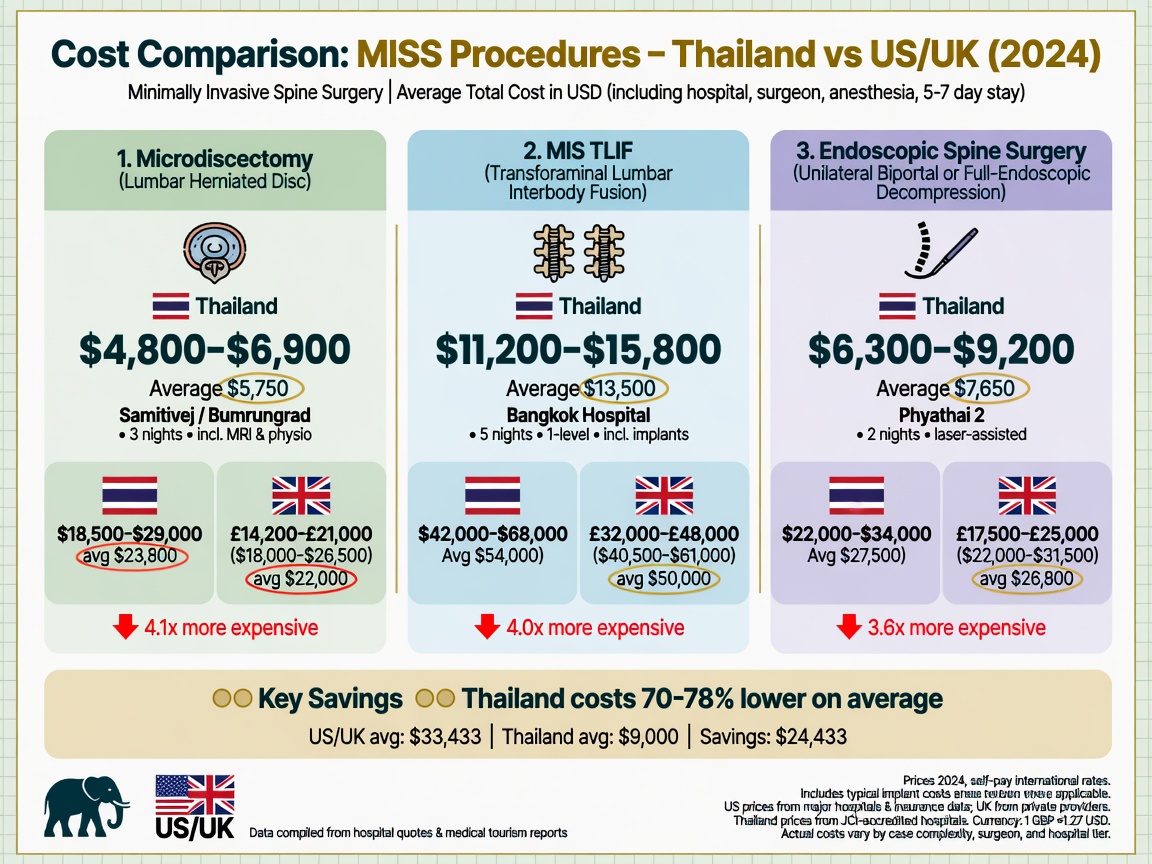
Average Cost of MISS in Thailand vs. US/UK
| Surgery Type | Thailand (USD) | United States (USD) | UK Private (USD) | Savings |
|---|---|---|---|---|
| MISS microdiscectomy | $8,000–$12,000 | $30,000–$50,000 | $18,000–$25,000 | 50–70% |
| MISS lumbar fusion (single level) | $12,000–$18,000 | $50,000–$100,000 | $30,000–$45,000 | 50–65% |
| Endoscopic discectomy | $7,000–$10,000 | $25,000–$40,000 | $15,000–$22,000 | 60–75% |
| Percutaneous fixation | $15,000–$22,000 | $60,000–$120,000 | $35,000–$55,000 | 50–70% |
These price ranges are based on published hospital packages and patient-reported costs as of early 2026. Always confirm current pricing directly with the hospital.
What’s Included in All-Inclusive Packages?
Most Thai hospitals offer transparent all-inclusive packages covering:
- Surgeon and anesthesiologist fees
- Hospital room (private or semi-private)
- Operating room and recovery room charges
- Implants and consumables (e.g., screws, cages, bone grafts)
- Standard medications and dressings
- Pre‑operative lab work and imaging
- Post-operative follow-up visits (1–2 weeks)
- Interpreter services
What may not be included: Pre‑operative travel costs, extended rehabilitation, brace/support devices, and complications requiring ICU stay.
Financial Planning: Stay Duration, Accommodation, and the 20,000 Baht Rule
A typical medical trip to Thailand for MISS requires:
- Total stay: 14–21 days — 2–5 days for pre‑op, 1–2 days in hospital, 10–14 days in recovery accommodation
- Accommodation: Guesthouses near the hospital range from $20–50 per night; hotels from $50–100 per night
- Airfare: $600–$1,500 round trip from the US or UK
Be aware of the 20,000 Baht Rule — Thailand’s regulations require foreign patients to have a minimum of 20,000 Baht (approximately $550) in cash or traveler’s checks upon arrival, though this is rarely enforced for medical tourists with hospital documentation. Still, carrying a bank statement or proof of payment is advisable.
Recovery Process & Expectations After MISS
One of the main reasons patients choose MISS is the promise of a quicker recovery. But what does that actually mean week by week?
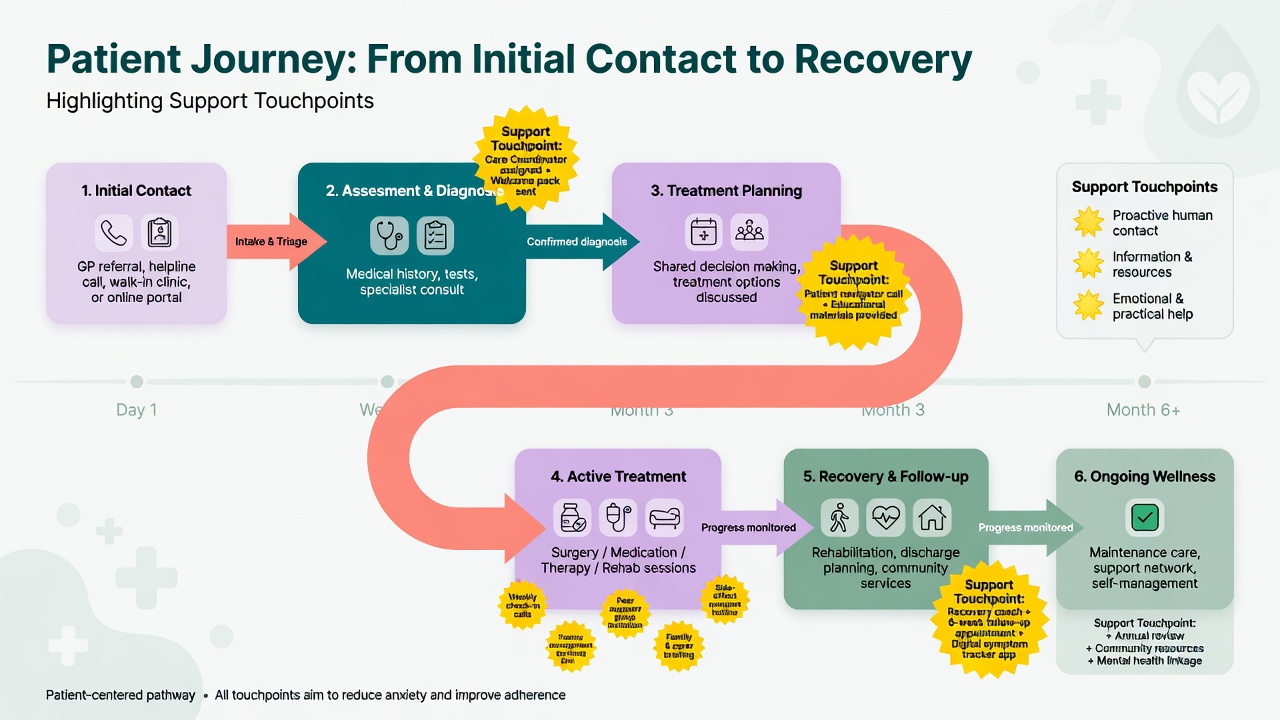
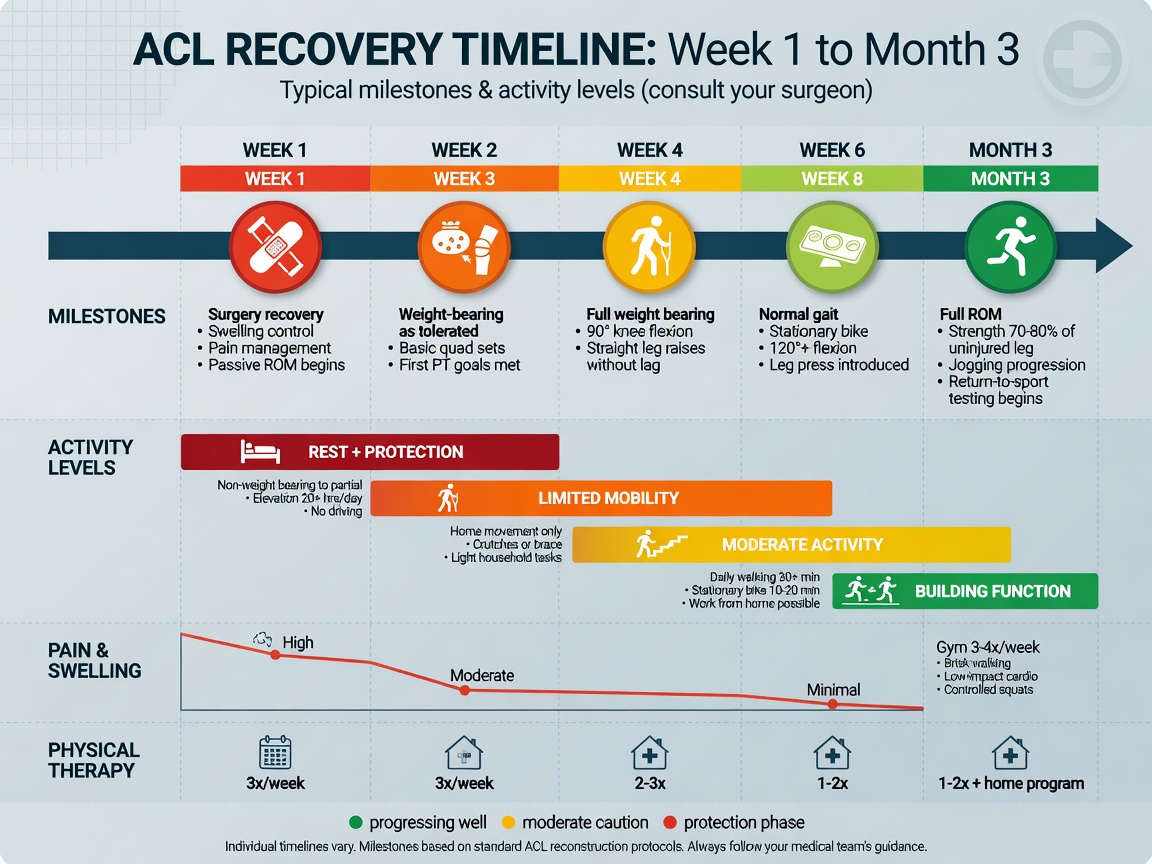
Timeline: Week 1 to Month 3
- Week 1: Most patients stay in Thailand. You’ll move with assistance, manage pain with oral medications, and limit stairs. Sitting time is restricted — take brief, frequent walks.
- Week 2–3: You’ll be cleared to fly short-haul or long-haul with advance seating accommodations. Many patients stop taking pain medication. Light household tasks and walking up to 30 minutes daily is typical.
- Weeks 4–6: Return to desk work (with frequent standing breaks). No lifting over 5 kg. Physical therapy begins if prescribed.
- Weeks 7–12: Gradual increase in activity. Sedentary workers resume full duties. Those in light manual jobs may return with restrictions.
- Month 3 and beyond: Most activity restrictions lift. Heavy lifting and contact sports require surgeon clearance.
Restrictions and Precautions
| Activity | Restriction Period | Guideline |
|---|---|---|
| Driving | 2–4 weeks | Avoid until off narcotics and can brake without pain |
| Lifting >5 kg | 6 weeks | Increases intradiscal pressure |
| Bending/twisting at the waist | 4 weeks | Use leg bending instead |
| Stairs | 2 weeks | Limit to 2–3 flights per day |
| Flying | 1–2 weeks | Walk every 30 minutes; stay hydrated |
| Showering | 24–48 hours | Keep incision dry; waterproof dressing allowed |
Rehabilitation and Pain Management
Post-operative rehabilitation for MISS is less intensive than for open surgery but still important. Key components include:
- Gentle walking — Start day 1 or 2, progressing from 5 minutes to 30 minutes daily over 4 weeks
- Core stabilization exercises — Begin at week 2 under physiotherapist guidance
- Pain management — Oral NSAIDs and acetaminophen typically suffice; narcotics rarely needed beyond week 1
- Deep breathing — Prevents pneumonia after anesthesia
Many Thai hospitals offer on-site physiotherapy before discharge and can coordinate home exercise plans. Evidence shows that structured rehabilitation after MISS leads to better outcomes, though patients can also self-manage with clear instructions.
Limitations, Risks & Success Rates of MISS
Balanced evaluation is the cornerstone of the Three Pillar Evaluation Model. MISS offers real advantages, but it is not suitable for everyone, and risks exist.
Success Rates: What the Evidence Says
For appropriate candidates, MISS outcomes are excellent:
- Overall patient satisfaction: 85–95% of patients report good to excellent outcomes
- Complication rates: Major complications occur in 2–5% of well-selected cases (comparable to open surgery overall, but with fewer wound infections)
- Reoperation rate: Approximately 5–10% within 5 years for the same condition — similar to open surgery
- Return to work: 90% of appropriate candidates return to their pre-operative jobs
These figures come from published systematic reviews and hospital-reported data. Your individual outcome depends on your specific condition, surgeon skill, and adherence to recovery protocols.
Potential Risks and Complications
All spine surgery carries risk. MISS reduces some risks but introduces others:
- Infection: Lower than open (~1%) but not zero
- Nerve damage: Rare (0.5–2%), can cause numbness, weakness, or neuropathic pain
- Incomplete decompression: The limited view may lead to missed fragments, requiring reoperation
- Instrument failure: Screw misplacement or implant breakage (<1% in experienced hands)
- Dural tear: Cerebrospinal fluid leak occurs in 1–3% of MISS cases, usually repairable
- Conversion to open surgery: If complications arise, the surgeon may need to convert mid-procedure (1–2% of cases)
Are You a Candidate? Candidacy Checklist
Use this checklist to determine if you’re a likely candidate for MISS in Thailand:
- [ ] Confirmed diagnosis: Herniated disc, spinal stenosis, spondylolisthesis (grade I or II), or compression fracture
- [ ] No significant spinal instability: Severe deformity or advanced scoliosis may require open surgery
- [ ] Body mass index (BMI) under 35: Higher BMI increases surgical risks and difficulty
- [ ] Non-smoker or willing to quit 4 weeks before surgery: Smoking impairs bone healing
- [ ] No active infection or uncontrolled diabetes: Increases complication risk
- [ ] Realistic expectations: Understanding that MISS is not “minor” surgery and requires recovery commitment
- [ ] Willingness to stay in Thailand for 2–3 weeks for post-operative follow-up
When MISS Is Not the Best Option
MISS is not appropriate for all conditions. Scenarios where open surgery or other approaches may be preferable include:
- Complex spinal deformities (scoliosis > 30°, kyphosis)
- Multi-level fusion requiring extensive stabilization
- Severe osteoporosis (poor bone quality for screw fixation)
- Tumors or infections requiring wide resection
- Failed prior MISS with significant scar tissue
- Patients needing emergency surgery due to cauda equina syndrome (open may be faster)
Your surgeon should explain both the recommended approach and why alternatives were ruled out. A thorough evaluation respects your safety first.
Frequently Asked Questions
Q: How long does recovery take after minimally invasive spine surgery?
Recovery varies by procedure and individual, but most MISS patients return to desk work within 2–4 weeks and physically demanding jobs within 6 weeks. Full activity without restrictions typically takes 3 months. Walking is encouraged from day one.
Q: What is the success rate of minimally invasive spine surgery?
For appropriately selected patients, MISS has a success rate of 85–95% when measured by pain reduction and improved function. Complication rates remain low, around 2–5% for major events. Your specific outcome depends on your condition and surgeon experience.
Q: Is it safe to have spine surgery in Thailand?
Yes, when performed at a JCI‑accredited hospital with a fellowship-trained surgeon. Thailand has over 60 accredited facilities with strong infection control and patient safety protocols. Many hospitals treat thousands of medical tourists annually for spine and orthopedic procedures.
Q: How much does minimally invasive spine surgery cost in Thailand?
MISS costs in Thailand range from $7,000 to $22,000 depending on the procedure and hospital. This is 50–70% less than comparable care in the US or UK. All-inclusive packages typically cover surgeon fees, hospital stay, implants, and postoperative follow-up for 1–2 weeks.
Q: Who is not a good candidate for minimally invasive spine surgery?
Patients with severe spinal instability, advanced scoliosis, obesity (BMI over 35), uncontrolled diabetes, or smoking habits may not be ideal candidates. Complex multi-level fusions or tumors often require open surgery. A thorough consultation is essential.
Q: What is endoscopic spine surgery?
Endoscopic spine surgery is a type of MISS using an endoscope — a thin tube with a camera — through incisions smaller than 1 centimeter. It allows outpatient procedures with faster recovery. It is especially effective for herniated discs and foraminal stenosis.
Conclusion
For the right candidate, minimally invasive spine surgery in Thailand combines the clinical advantages of modern spinal techniques with cost savings of 50–70% and a recovery timeline measured in weeks, not months. The evidence shows that MISS reduces blood loss by up to 60%, lowers infection risks, and allows most patients to return to daily activities within 6 weeks.
The Three Pillar Evaluation Model — weighing Benefits, Risks, and Costs — ensures you make a balanced decision rather than focusing on any single factor alone. Start by confirming your candidacy with the checklist above, then research JCI‑accredited hospitals in Thailand that match your procedure type. Schedule virtual consultations with two to three spine surgeons to compare approaches and comfort levels.
Your journey begins with the right information — and now you have it. Take the next step by requesting a pre‑travel evaluation from an international patient coordinator at a Thai hospital of your choice.