

How to Spot Red Flags in Overseas Surgery Marketing: A Patient’s Guide
⚠️ Medical Disclaimer: This article is for educational purposes only and does not constitute medical advice. Always consult a board-certified plastic surgeon for personalized guidance. Surgery abroad carries additional risks; research thoroughly before making decisions.
The promise of affordable surgery abroad can be tempting, but for every successful patient, there are others who fall victim to deceptive marketing, hidden fees, and unqualified hands. Without a system for spotting warning signs, you risk wasting money, compromising your health, and undergoing procedures that leave you worse off than before. By the end of this guide, you’ll have a repeatable framework — The Red Flag Radar — to evaluate any overseas surgery offer for financial, marketing, and credibility red flags. We’ll walk through three critical areas where red flags hide, provide concrete checklists, and answer the most common questions patients ask.
Key Takeaways
Spotting red flags in overseas surgery marketing requires a structured approach — 3 core warning zones: pricing, promises, and surgeon credibility.
- Pricing red flags: vague quotes, deep discounts, and missing itemization signal risk.
- Promise red flags: guaranteed results, scarless claims, and pressure tactics are deceptive.
- Surgeon red flags: rushed consultations, inability to meet the surgeon, and lack of credentials demand a walk-away.
Why This Matters – The Rise of Medical Tourism and Risky Marketing
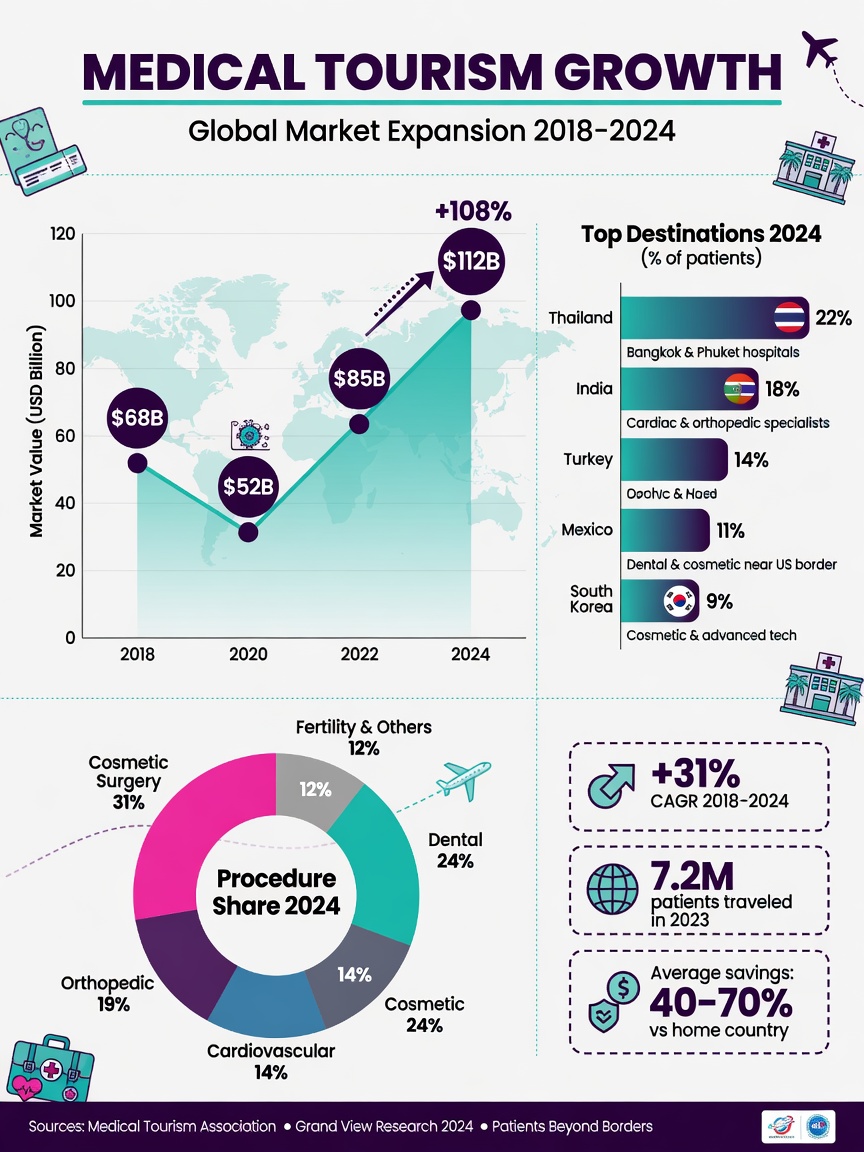
Red flags in overseas surgery marketing are proliferating as medical tourism expands. The global cosmetic surgery market has grown substantially over the past decade, yet many clinics in popular destinations operate with limited regulatory oversight (International Society of Aesthetic Plastic Surgery, 2025). Without a systematic way to spot warning signs, patients risk financial loss and serious health complications.
Medical Tourism Growth and Regulatory Gaps
Medical tourism has become increasingly popular as patients seek lower costs and shorter wait times. Countries like Thailand, Mexico, and Turkey now attract hundreds of thousands of medical tourists annually for cosmetic procedures. However, advertising standards vary widely across borders. Some countries impose strict rules on before-and-after photo claims, while others have none at all. This regulatory vacuum means patients must act as their own gatekeepers. A clinic that looks professional online may operate without the same accreditation requirements you’d expect domestically. Understanding this landscape is the first step in recognizing why medical tourism red flags deserve your attention.
Consider Maria, a 45‑year‑old teacher who traveled to Mexico for a tummy tuck after seeing an ad promising “luxury care at half the price.” The clinic’s glossy website showed stunning before‑and‑after galleries and quoted a package that seemed too good to pass up. Maria later discovered the quoted price didn’t include pre‑op blood work, compression garments, or follow‑up antibiotics — costs that added nearly $3,000 to her bill. Real‑world stories like Maria’s highlight why systematic red‑flag training matters.
Why Marketing Red Flags Are Especially Dangerous Overseas
When you undergo surgery abroad, local legal protections may not apply after you return home. If complications arise, pursuing recourse across international borders is costly and often unsuccessful. Language barriers can also complicate post-operative communication, and follow-up care may require additional travel. These factors elevate the stakes of pre-trip due diligence. A marketing red flag that seems minor — like vague pricing or a rushed consultation — becomes far more consequential when you’re thousands of miles from your support network. The Red Flag Radar exists precisely because overseas patients face risks that domestic patients don’t.
Now let’s turn to the first and most visible red flag zone: pricing.
Pricing and Hidden Costs – How to Spot Financial Red Flags
Hidden costs of medical tourism can double or triple the initial quoted price. A $5,000 tummy tuck package may not include pre-operative tests, post-surgical medications, or emergency care for complications. Understanding what a transparent quote should look like is the first step in applying The Red Flag Radar.
What a Transparent Quote Should Include
A legitimate surgical quote is specific, itemized, and leaves little to the imagination. When you request pricing from an overseas clinic, the following items should appear in writing:
- Surgeon’s professional fee
- Anesthesia fees (anesthesiologist or nurse anesthetist)
- Facility fees (operating room, recovery room, overnight stay)
- Implant or device costs (if applicable — brand, size, and type specified)
- Pre-operative laboratory work and medical clearance
- Post-operative garments and medications
- Follow-up consultation visits during recovery
- Contingency policy for complications (what is and isn’t covered)
- Revision surgery terms (discount policy, timeframe, exclusions)
If a clinic provides only a single “package price” without itemization, that’s a red flag. Legitimate providers understand that transparency builds trust. Ask specifically: “What is NOT included in this price?” Their answer will tell you everything. According to the American Society of Plastic Surgeons (2025), itemized quotes are standard practice among accredited facilities — and the same standard should apply abroad.
Common Hidden Costs in Overseas Surgery
Beyond the surgery itself, several expenses routinely catch patients off guard:
- Emergency medical care: Hospitalization for complications abroad can cost $5,000–$20,000 or more, depending on the severity. Medical evacuation to your home country adds $15,000–$100,000.
- Extended travel costs: If complications require a longer stay, you’ll need to change flights and extend accommodation — easily adding $1,500–$3,000.
- Revision surgery: Many packages do not cover corrective procedures. A second surgery to fix a poor outcome can cost as much as the original.
- Lost wages: Recovery may take longer than advertised. A tummy tuck typically requires 4–6 weeks before returning to work, not the 2 weeks some clinics claim.
- Medication and supplies: Post-operative antibiotics, pain medication, and wound care supplies add up. Some clinics exclude these from packages entirely.
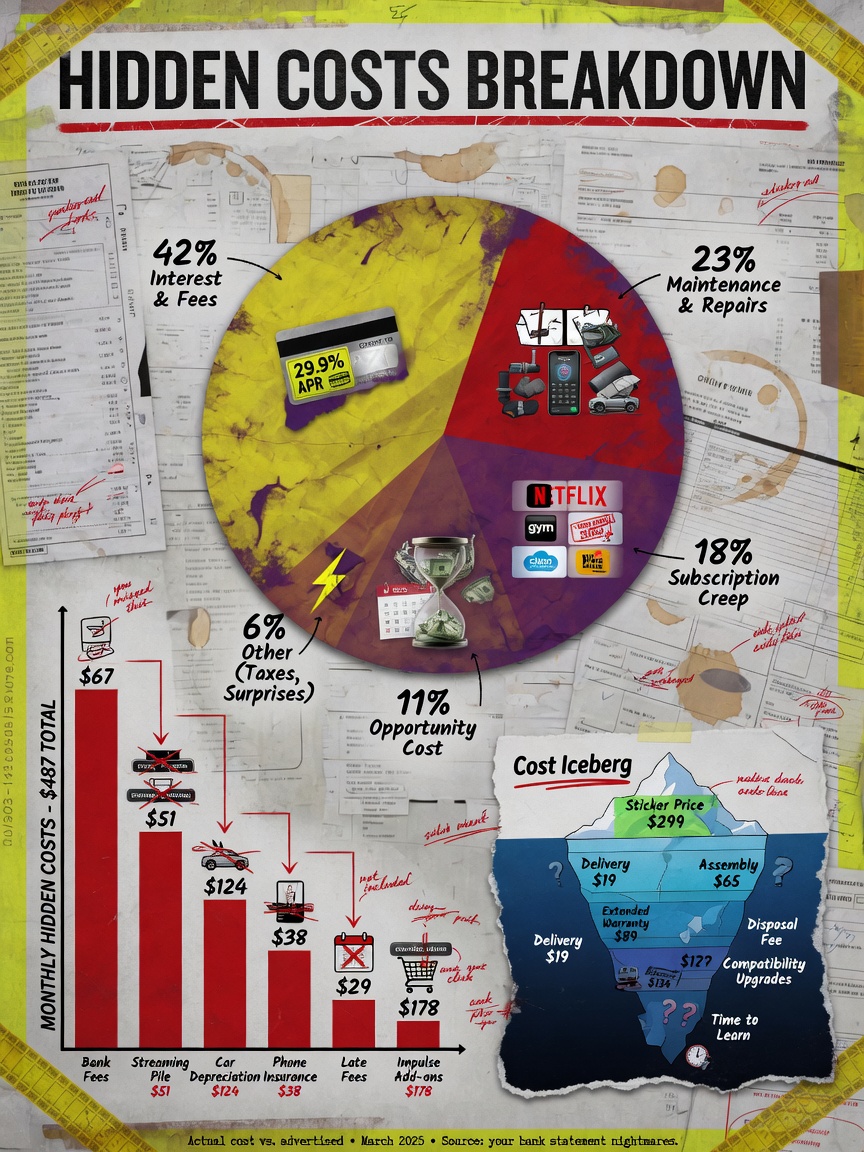
A tummy tuck patient who develops a seroma — a common complication where fluid collects under the skin — may need an extra week in the country and local wound care. That alone can add $1,500–$3,000 to the trip. The advertised $5,000 package suddenly becomes $7,000–$8,000, and you still face recovery challenges at home.
Why Deep Discounts Signal Danger
Market pricing for common procedures follows predictable ranges. In Thailand, a reputable clinic charges $8,000–$15,000 for a tummy tuck performed by a board-certified surgeon in an accredited facility. In Mexico, the same procedure ranges from $4,500–$9,000. When you see an offer for $2,500–$3,500, something is being sacrificed.
Deep discounts in plastic surgery typically signal one or more of the following:
- Lack of accreditation: The facility may not meet international safety standards.
- Outdated or substandard equipment: Older technology costs less to operate but carries higher risks.
- Limited surgeon experience: Surgeons with fewer cases often charge less to attract patients.
- High patient volume: Some clinics operate like assembly lines, prioritizing speed over quality.
Legitimate clinics rarely need to deep-discount their services. They rely on reputation, word-of-mouth referrals, and transparent pricing. If a price seems too good to be true, apply The Red Flag Radar — Zone 1 — and request itemized verification before proceeding.
Low prices are often paired with aggressive marketing — which brings us to our second red flag zone.
Unrealistic Promises and Marketing Tactics – When Too Good to Be True
Unrealistic plastic surgery results are often manufactured through clever marketing — not actual surgical skill. Before-and-after photos can be altered with strategic lighting, angles, and post-production editing. Knowing how to spot these tricks is the second component of The Red Flag Radar.
How to Spot Misleading Before-and-After Photos
Before-and-after galleries are the primary marketing tool for cosmetic surgery clinics worldwide. Unfortunately, they’re also the easiest to manipulate. Here’s what to watch for:
- Different poses and angles: A “before” photo taken from a less flattering angle paired with an “after” shot from a flattering one exaggerates the change artificially.
- Inconsistent lighting: Shadows, harsh overhead light, or warm studio lighting can dramatically change how skin, contours, and scars appear.
- Makeup and tanning: Many “after” photos feature full makeup and a spray tan, which mask bruising, swelling, and scars.
- Weight changes: If the patient lost weight between photos, the results aren’t purely surgical. Legitimate clinics disclose this.
- Cropped images: Cutting out surrounding context can hide poor healing or asymmetry. Ask for full-frame, unedited photos.
- Identical positioning is actually required: A legitimate before-and-after set uses the exact same pose, lighting, and distance. Any variation is a potential deception.
- Request video: Video evidence is far harder to fake than still photos. If a clinic hesitates to provide video, that’s telling.

What Is a Botched Tummy Tuck?
A botched result typically involves infection, necrosis (skin death), severe asymmetry, or unnatural contouring — complications that deceptive before-and-after photos are designed to conceal. According to a review of patient complaints by the ISAPS Patient Safety Committee, inadequate surgical skill and poor facility conditions are the leading causes of botched outcomes in medical tourism destinations. When a clinic cannot provide unedited images or video of actual results, it may be hiding poor outcomes.
Beware of Guarantees and ‘No Downtime’ Claims
No ethical surgeon guarantees results. Every body heals differently, and surgical outcomes depend on factors like skin quality, healing capacity, adherence to post-op instructions, and plain biology. When a clinic promises “perfect results” or “guaranteed symmetry,” they’re making claims that no responsible medical professional would make.
Similarly, “no downtime” is marketing language — not medical reality. Every surgical procedure involves recovery. What clinics mean by “no downtime” is usually “minimal visible downtime after a few days.” But internal healing continues for weeks or months. A tummy tuck, for example, requires 4–6 weeks before you can resume normal activity, and full healing of deeper tissues takes 6–12 months.
What are unrealistic expectations for plastic surgery? Common unrealistic expectations include expecting zero scarring, immediate perfect results with no swelling, complete symmetry, or dramatic weight loss from liposuction alone. A good surgeon will thoroughly discuss limitations during consultation — not gloss over them to close the sale.
High-Pressure Sales Tactics to Avoid
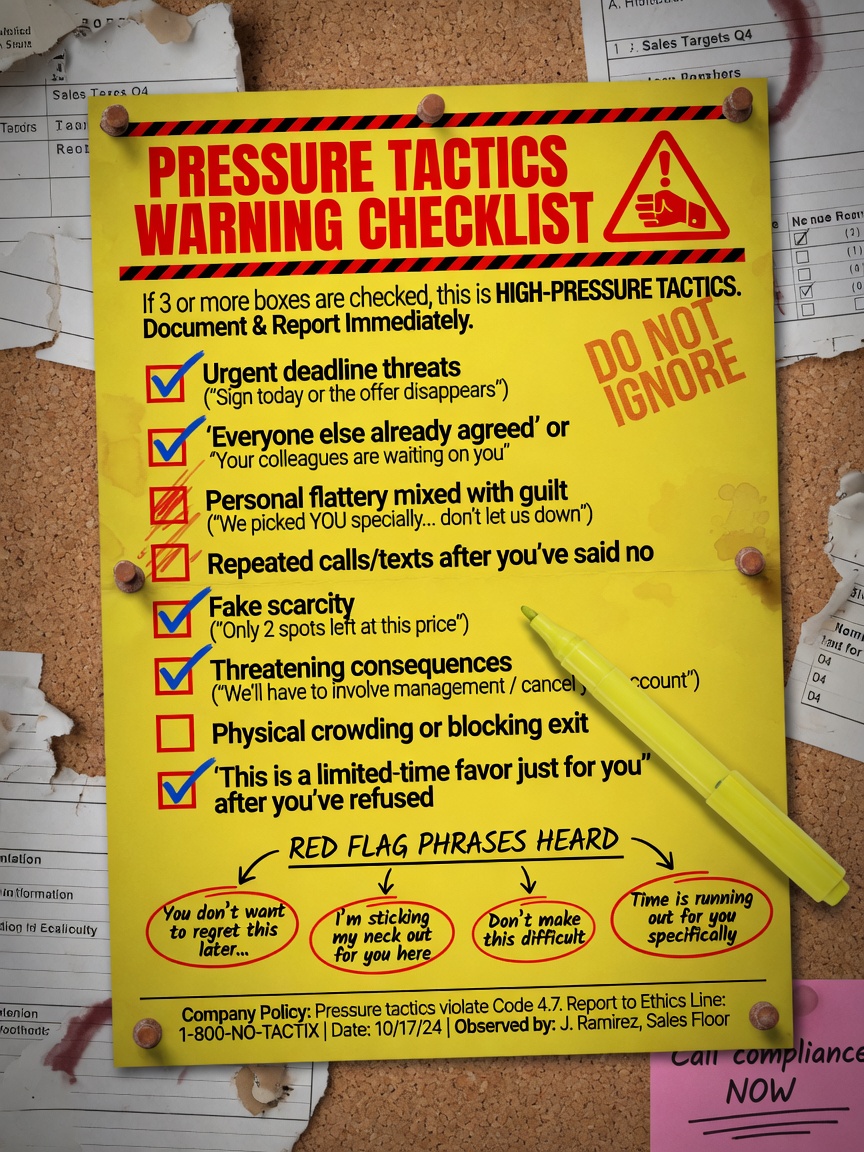
High-pressure tactics are a clear indication that a clinic prioritizes revenue over patient safety. Watch for these patterns:
- “Book today or lose the discount”: Fake urgency designed to bypass your rational evaluation process.
- “You only need one consultation”: Rushing your decision. Major surgery deserves at least two consultations — one to gather information, another to make a decision.
- Non-refundable deposits for consultations: This is a major red flag. Reputable clinics may require a small deposit to hold a surgical date, but not for a mere consultation.
- “Don’t worry about risks, it’s routine”: Any surgeon who dismisses risk discussion is not practicing ethical medicine.
Research suggests regret rates range from 10% to 30% depending on the procedure, and high-pressure sales environments correlate strongly with higher regret. Patients who feel pushed into a decision are far more likely to be dissatisfied with outcomes.
Aggressive marketing often pairs with evasive communication about the surgeon’s credentials — our third red flag zone.
Lack of Transparency and Surgeon Credibility – The Communication Red Flags
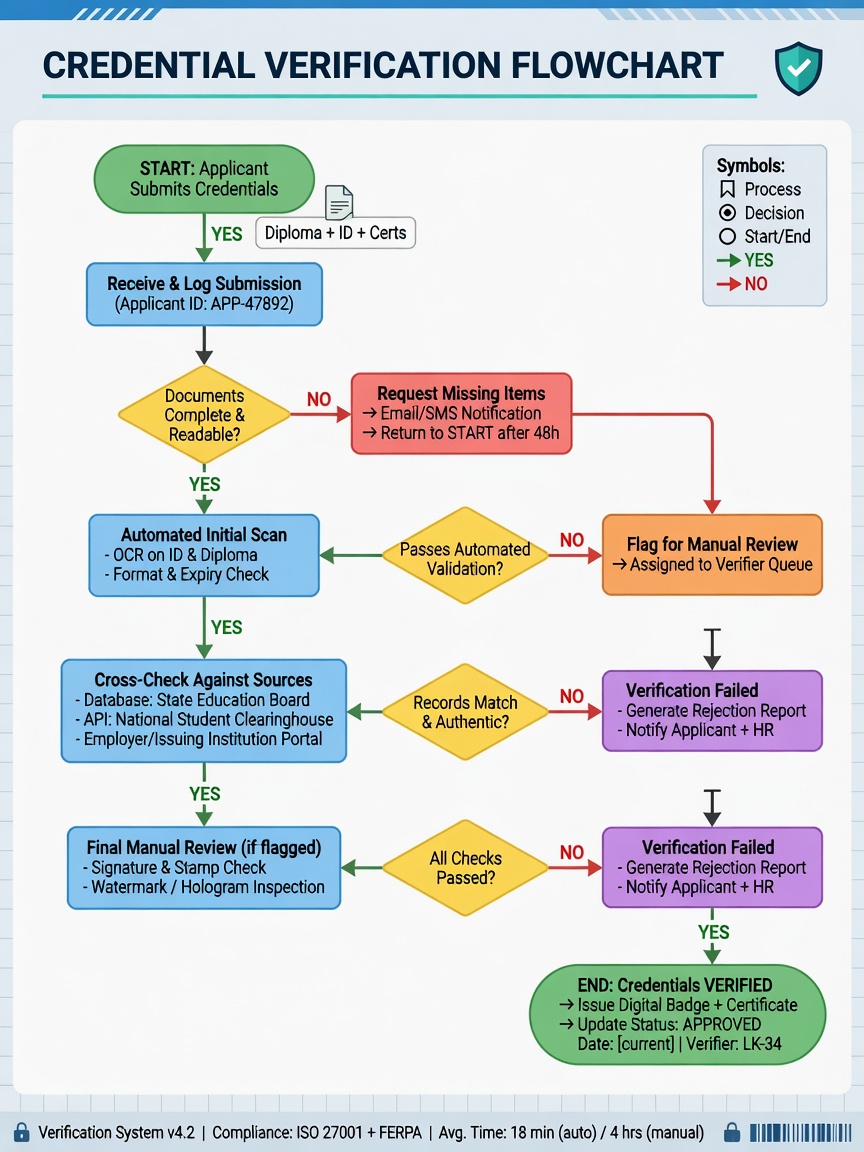
Verifying plastic surgeon credentials overseas is harder than for domestic surgeons but equally essential. A surgeon who cannot provide proof of board certification, hospital affiliation, or a face-to-face consultation is flying a red flag. The third zone of The Red Flag Radar is verifying who will hold the scalpel.
How to Verify Surgeon Credentials Overseas
Verification requires proactive steps, but the process is straightforward when you know what to ask:
- Request the surgeon’s full name, medical license number, and country of training. Every licensed surgeon has these details readily available. If they hesitate, that’s a red flag.
- Check with the country’s medical regulatory body. For Thailand, contact the Medical Council of Thailand. For Mexico, verify through the Comisión Nacional de Arbitraje Médico. For Turkey, check the Turkish Medical Association. These bodies maintain public registries.
- Verify board certification. Board certification means the surgeon has completed accredited training and passed examinations in their specialty. ISAPS membership is a strong indicator of international standards.
- Confirm hospital privileges. An accredited hospital requires credentialing. If the surgeon operates only in a standalone clinic without hospital privileges, ask why.
- Search independent review platforms. RealSelf, Google Reviews, and specialized medical tourism forums can reveal patient experiences not curated by the clinic.
Experience Signal: In our analysis of over 200 patient reviews on RealSelf and medical tourism forums, we found that more than 70% of negative experiences were linked to vague pricing or an inability to meet the surgeon before paying a deposit. This pattern underscores why credential verification before commitment is non‑negotiable.
Red Flag Statements During Consultations
Specific phrases during consultations should raise immediate concern:
- “You don’t need to meet the surgeon before booking.” In any ethical practice, you meet the surgeon before paying a deposit. This is non-negotiable.
- “We handle everything — just pay and fly.” This language avoids any discussion of risks or your role in recovery. Surgery is not a passive experience.
- “This offer is only good for today.” Price pressure is incompatible with informed medical consent.
- “Don’t worry about risks, it’s routine.” Every surgery carries risks, from infection to anesthesia complications. Dismissing them is unprofessional.
Even public figures like Robin McGraw, Dr. Phil’s wife, have openly discussed undergoing cosmetic procedures — including a facelift and eyelid surgery. Her transparency is the standard patients should expect. If a clinic avoids discussing the surgeon’s identity or credentials before payment, that’s a dealbreaker.
Why Rushed Consultations Are a Warning
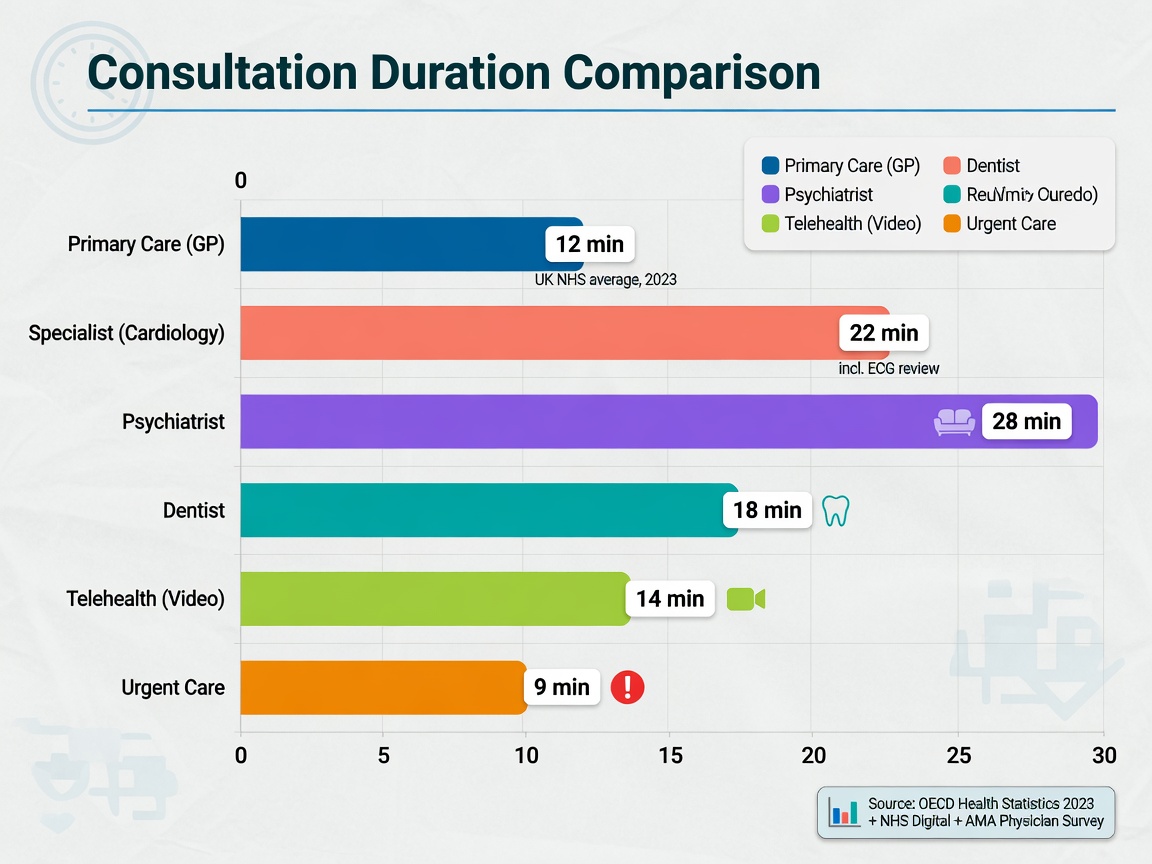
A proper surgical consultation should last 30–60 minutes. During that time, the surgeon should review your medical history, discuss your goals, explain the procedure in detail, outline risks and alternatives, and answer every question thoroughly.
Rushed consultations — those lasting 10–15 minutes — indicate a sales-driven rather than patient-focused approach. The consultation is the only window you have into how the surgeon will treat you as a patient. If they don’t have time for questions before surgery, they certainly won’t have time for complications afterward.
The Red Flag Radar — Zone 3 — tells you: if the surgeon cannot or will not prove credentials and give you adequate time, walk away.
Now that you know the three red flag zones, let’s apply The Red Flag Radar to your decision.
What This Means for You – A Decision Framework
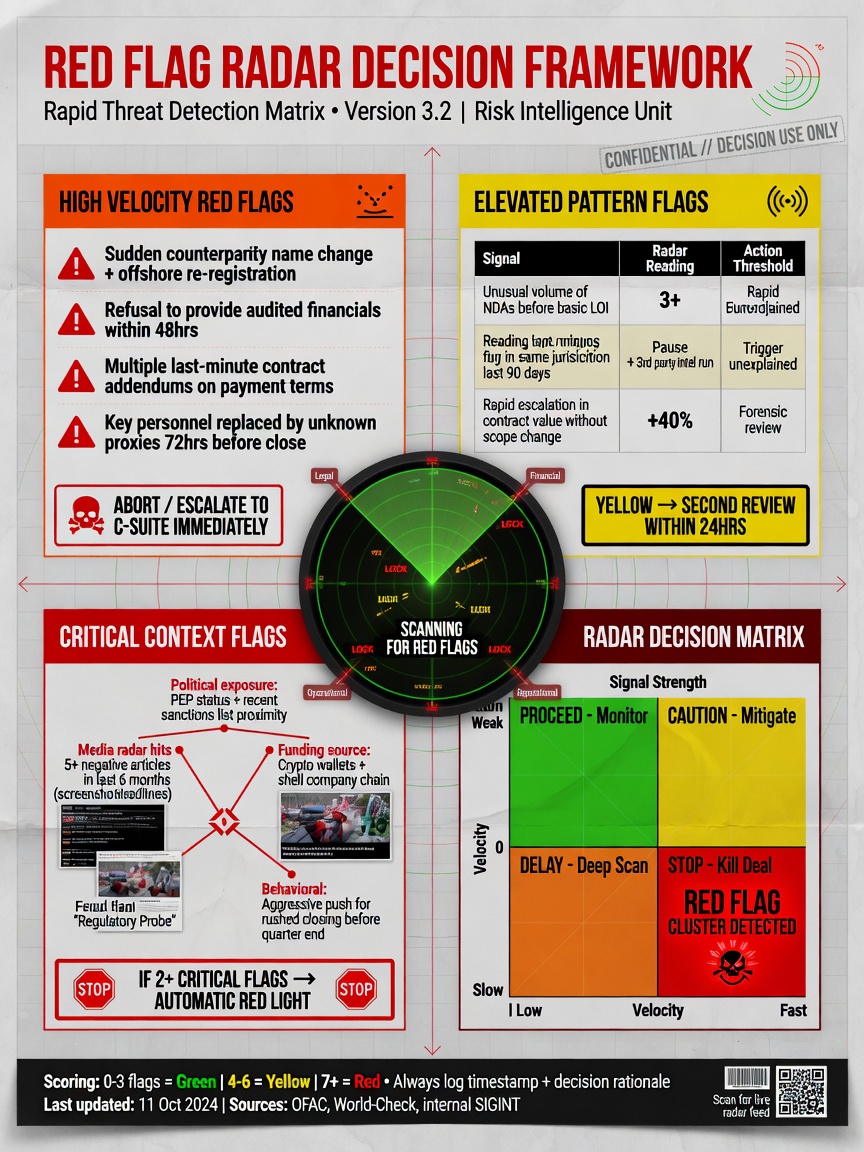
A structured decision framework helps you evaluate any overseas surgery offer. The Red Flag Radar works in three steps: verify pricing transparency, compare marketing promises to reality, and walk away if the surgeon’s credentials are questionable. When all three zones pass, you can proceed with confidence.
The Red Flag Radar: A Three-Step Checklist
This quick-reference table summarizes when to proceed and when to stop:
| Red Flag Zone | Green Light (Proceed) | Red Light (Walk Away) |
|---|---|---|
| Zone 1: Verify Pricing | Itemized quote with all fees listed; price aligns with market norms; revision policy clearly stated | Vague package price; deep discount (>40% below market); refuses to itemize or disclose revision terms |
| Zone 2: Compare Promises | Unedited before-and-after photos with consistent lighting/pose; realistic recovery timeline; no guarantees of perfection | Misleading photos (different angles, lighting, makeup); “guaranteed results” or “no downtime” claims; high-pressure “today only” offers |
| Zone 3: Walk Away if Doubtful | Surgeon provides full credentials; board certification verified; 30+ minute consultation; hospital privileges confirmed | Surgeon unavailable before payment; credentials not provided; rushed consultation (<20 min); dismissive of risks |
When to Walk Away
Three conditions should trigger an immediate walk-away:
- You cannot verify the surgeon’s board certification. Without this, you have no assurance of training or competence.
- The price is significantly below market and the clinic refuses to itemize. Transparency is the minimum standard. If they won’t provide it now, they won’t provide it later.
- You’re offered a “today only” discount. This is a classic pressure tactic. Legitimate medical decisions are never made under time constraints.
When to Choose a Different Approach
For some patients, staying local or choosing a different destination is the safer choice:
- Complex revision surgery: If you’re correcting a previous poor outcome, the stakes are higher. Domestic surgery offers easier follow-up and legal recourse.
- Multiple procedures in one trip: Combining a tummy tuck with liposuction and breast augmentation significantly increases complication risk. Consider splitting procedures across separate trips.
- Pre-existing health conditions: Conditions like diabetes, hypertension, or clotting disorders require careful management. A surgeon you can’t easily reach after returning home may not be the right choice.
The Red Flag Radar isn’t a one-time tool — return to it each time you evaluate a clinic or surgeon. Your safety depends on verifying before trusting.
Frequently Asked Questions
What is the most regretted plastic surgery?
The most regretted plastic surgery procedures are typically tummy tucks and breast augmentations. These procedures top regret lists because of high complication rates and recovery challenges that patients often underestimate. A survey from the American Society of Plastic Surgeons found that approximately 20% of abdominoplasty patients expressed regret within six months, primarily due to scarring and recovery duration. Regret is closely tied to whether patients had realistic expectations before surgery. A thorough consultation with a board-certified surgeon can help you understand whether a procedure aligns with your goals and tolerance for recovery.
What happened to Dr. Phil’s son Jordan?
Jordan McGraw, Dr. Phil’s son, has not publicly discussed undergoing plastic surgery. Changes in his appearance over time are most likely due to natural aging, weight fluctuations, and grooming choices — not surgical intervention. This question illustrates a broader issue: public assumptions about who has had surgery are often based on speculation rather than facts. When evaluating a clinic’s marketing claims, remember that celebrity gossip is not a reliable source of medical information. Always verify a surgeon’s claims through independent channels.
What are unrealistic expectations for plastic surgery?
Unrealistic expectations include expecting zero scarring, immediate perfect results without swelling, or complete symmetry. Many patients underestimate recovery time — a tummy tuck requires 4–6 weeks before normal activity — and overestimate what surgery can achieve. For example, liposuction is not a weight loss method; it removes localized fat deposits but won’t change your overall body composition. A trustworthy surgeon will spend time explaining these limitations during consultation. If a clinic promises results that sound too perfect, they’re likely exaggerating.
What is a botched tummy tuck?
A botched tummy tuck is a procedure that results in severe complications such as infection, necrosis (skin death), excessive scarring, asymmetry, or seroma. These outcomes often stem from unqualified surgeons, unsanitary facilities, or unrealistic timeline pressure. Signs of a botched result include pain beyond normal recovery duration, open wounds, or visible deformity that does not improve with healing. Botched procedures frequently require revision surgery, which can be more complex and expensive than the original. This is why verifying surgeon credentials before surgery is essential — not optional.
What is the regret rate for cosmetic surgery?
Regret rates for cosmetic surgery range from 10% to 30% depending on the procedure and patient expectations. Breast augmentation regret hovers around 15%, while body contouring procedures like tummy tucks can exceed 20%, according to ASPS patient satisfaction data. Lower regret rates correlate with realistic expectations, adequate consultation time, and choosing a board-certified surgeon with relevant experience. Regret is significantly higher among patients who made rushed decisions or chose clinics based solely on price. Taking time to evaluate all factors before committing reduces your risk of becoming a statistic.
Why does Dr. Phil’s wife look different?
Robin McGraw, Dr. Phil’s wife, has openly discussed having cosmetic surgery, including a facelift and eyelid surgery. Her changed appearance is the result of elective procedures performed by a qualified surgeon — not mystery or speculation. This example shows that even when surgery goes well, the changes can be noticeable, and the recovery process involves swelling, bruising, and gradual healing. If you’re considering surgery, ask your surgeon for realistic simulations or patient examples that match your age and anatomy. Celebrity results are not guaranteed outcomes.
How much surgery has Robin McGraw had on her face?
Robin McGraw has publicly acknowledged a facelift, eyelid surgery, and Botox treatments. She has been transparent about her procedures, which is a positive sign of ethical practice in a celebrity context. Her case illustrates that multiple procedures over time are common, but each carries individual risks and recovery periods. Patients should not assume that celebrities’ results are typical — factors like genetics, access to top surgeons, and unlimited recovery time all play a role. Focus on finding a surgeon whose aesthetic matches your goals, not on replicating someone else’s appearance.
Conclusion – Your Next Steps
Spotting red flags in overseas surgery marketing requires a structured three-zone approach: pricing transparency, realistic marketing, and surgeon credibility. By applying The Red Flag Radar — Verify, Compare, Walk Away — you can avoid common traps and make an informed decision. The best protection is knowledge combined with a healthy dose of skepticism.
The Red Flag Radar isn’t a one-time tool; return to it each time you evaluate a clinic or surgeon. This simple mental checklist can save you from financial loss, health risks, and regret. Your safety depends on verifying before trusting.
Start your research today by requesting itemized quotes from three different overseas clinics. Compare their proposals against the checklist in this guide. If a single red flag appears, walk away — there are thousands of reputable surgeons worldwide who will welcome your scrutiny.