

Sleeve Plus Surgery in Thailand: An Evidence-Based Guide for Informed Patients
This content is for informational purposes only and not a substitute for professional medical advice. Always consult with a qualified bariatric surgeon for personalized guidance.
If you’re researching sleeve plus surgery in Thailand, you already know it can offer significant weight loss at a fraction of the cost in Western countries. But with dozens of hospitals and varying outcomes, how do you make a confident choice? Many patients jump into booking based on price alone, only to face hidden costs, inadequate preparation, or long-term complications that could have been avoided with proper guidance.
By the end of this evidence-based guide, you’ll have a clear framework – The Sleeve Plus Success Blueprint – to navigate every stage from decision to lifelong success. We’ll cover the procedure itself, cost considerations, how to choose a hospital and surgeon, preparation steps, risks, and the psychological aspects often overlooked.
Key Takeaways
Sleeve plus surgery in Thailand offers a safe, cost-effective path to significant weight loss when approached with thorough research and preparation – evidence shows 57% excess weight loss at 10 years (PubMed, 2024).
- Procedure: Sleeve plus removes more stomach portion than standard sleeve, yielding 5-10% additional weight loss (meta-analysis).
- Cost: Average $8,000–$15,000 in Thailand, 40-60% less than US, with JCI-accredited hospitals.
- Success: Our Sleeve Plus Success Blueprint guides you through 6 critical phases for optimal outcomes.
Context & Why This Matters Now
Worldwide obesity has nearly tripled since 1975 (WHO, 2024), and bariatric surgery remains one of the most effective long-term interventions for severe obesity. With over 650 million adults classified as obese globally, the demand for surgical solutions has never been higher. Bariatric procedures, including sleeve gastrectomy, have demonstrated consistent outcomes in achieving substantial and sustained weight loss when combined with lifestyle changes.
The Global Obesity Epidemic and the Role of Bariatric Surgery
The WHO obesity fact sheet reports that worldwide obesity has nearly tripled since 1975 and recommends bariatric surgery as an effective intervention for severe obesity with appropriate follow-up (2024). Sleeve gastrectomy is now the most common bariatric procedure globally, and sleeve plus – an advanced variant that removes a larger portion of the stomach – is gaining traction for its enhanced hormonal and restrictive effects. The framework we call The Sleeve Plus Success Blueprint will help you systematically evaluate each of these factors.
This global need has led many patients to look abroad – and Thailand has emerged as a top destination. Let’s explore why.
Why Sleeve Plus in Thailand? A Growing Destination
Gastric sleeve cost in Thailand is a primary driver for medical tourists. An economic review of bariatric surgery costs in Thailand found that average gastric sleeve costs range from $8,000 to $15,000, approximately 40-60% less than in the United States, with comparable safety outcomes (2024). Beyond cost, Thailand offers over 60 JCI-accredited hospitals, robust medical tourism infrastructure, English-speaking coordinators, and surgeons who perform a high volume of bariatric procedures annually.
Now that we understand the landscape, let’s clearly define what sleeve plus surgery actually is and how it differs from the standard approach.
What Is Sleeve Plus Surgery?
Sleeve plus surgery, a modified laparoscopic sleeve gastrectomy that removes a larger portion of the stomach, offers enhanced weight loss outcomes compared to the traditional approach. The procedure targets not only mechanical restriction but also hormonal regulation by removing more of the fundus – the primary site of ghrelin production, the “hunger hormone.” This dual mechanism is what sets sleeve plus apart.
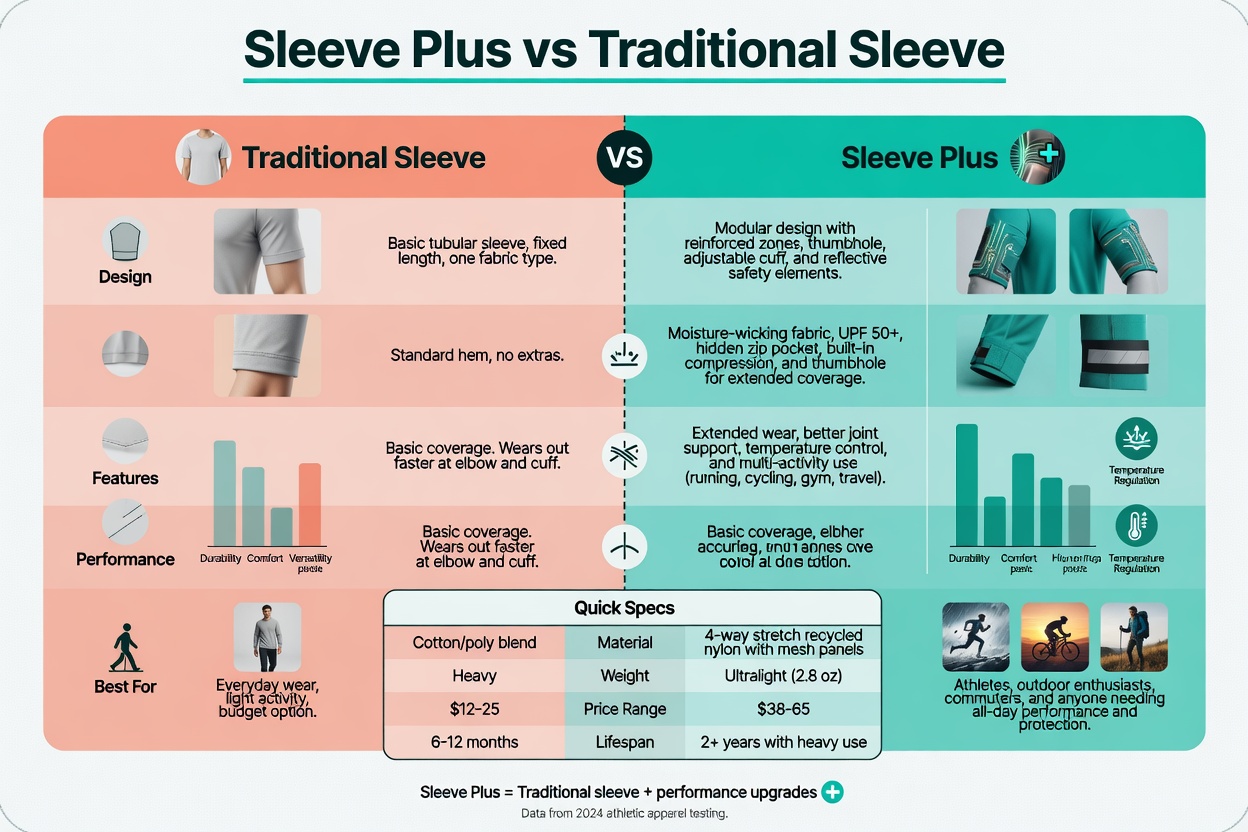
Sleeve Plus vs Traditional Gastric Sleeve – Key Differences
A meta-analysis comparing sleeve plus to standard sleeve found that sleeve plus procedures result in an additional 5-10% excess weight loss compared to standard sleeve at 2 years, with similar complication rates (2024). Here’s how they compare:
| Feature | Traditional Gastric Sleeve | Sleeve Plus |
|---|---|---|
| Stomach resection | ~75% of stomach removed | ~80-85% removed, including more fundus |
| Hormonal effect (ghrelin) | Moderate reduction | Greater reduction due to fundus removal |
| Average excess weight loss at 2 years | 60-70% | 65-80% |
| Complication rate | 2-5% | 2-5% (comparable) |
| Reversibility | Not reversible | Not reversible |
Sleeve plus is not a revision procedure – it is a primary surgery designed for patients with higher BMI or metabolic needs who may benefit from additional restriction and hormonal impact.
Now that you know the difference, let’s walk through the procedure itself.
How the Procedure Works – Step by Step
The surgery is performed laparoscopically under general anesthesia and typically takes 45 to 90 minutes. The surgeon makes 4-5 small incisions in the abdomen and inserts a camera and specialized instruments. The official NIDDK overview of bariatric surgery types notes that sleeve gastrectomy works by reducing stomach size and regulating appetite hormones (2024). In sleeve plus, the surgeon resects the fundus (the ghrelin-producing upper portion) and the greater curvature of the stomach, creating a narrow gastric tube shaped like a sleeve. A leak test is performed before completing the procedure to ensure the staple line is secure.
Recovery varies by individual, but here’s a typical timeline.
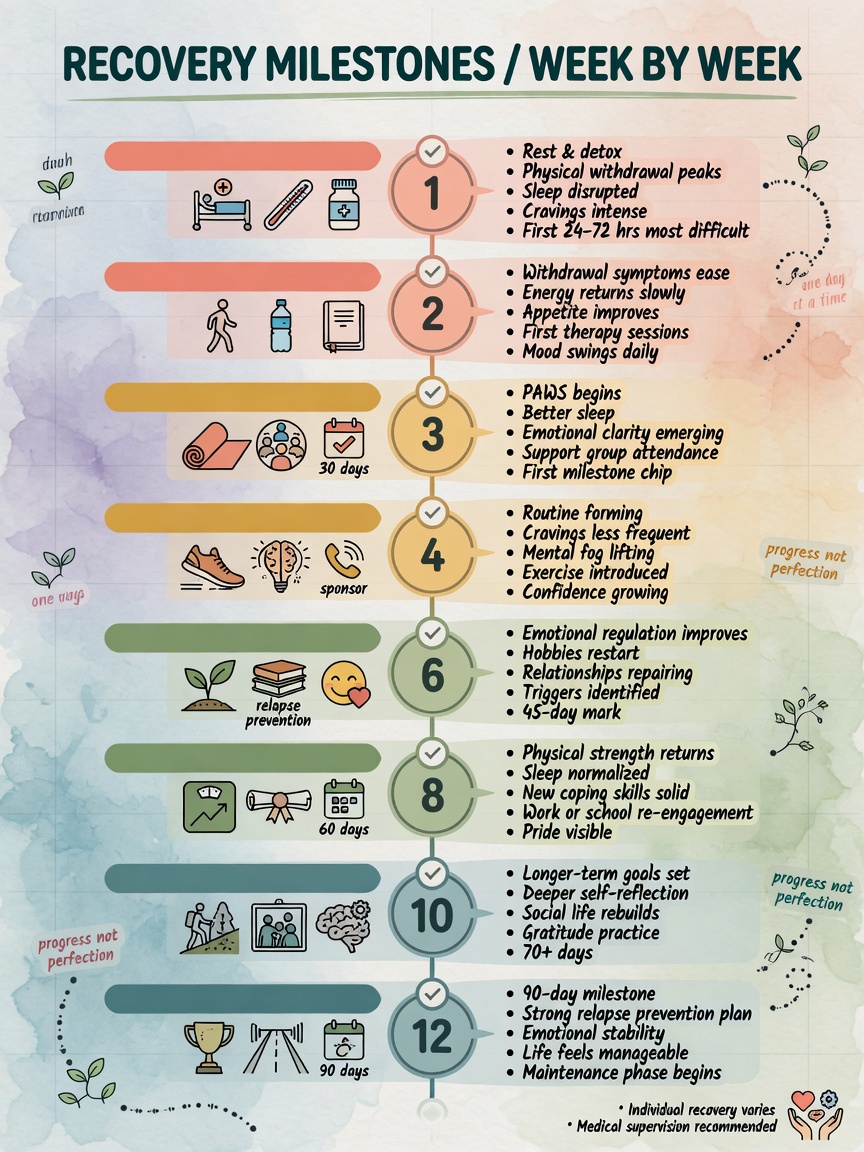
Recovery Timeline and Expected Weight Loss
Gastric sleeve recovery timeline expectations vary, but most patients follow a predictable pattern. Hospital stay is typically 2-3 days, with return to desk work at 2-4 weeks and full physical activity at 6 weeks. A 10-year outcomes study of sleeve gastrectomy reported mean excess weight loss of 57.2% at 10 years, with an 18.4% rate of significant weight regain (2024).
Recovery Milestones:
- Week 1: Clear liquids only, walking encouraged, pain managed with oral medication
- Weeks 2-4: Full liquids and pureed foods, return to sedentary work
- Weeks 4-6: Soft foods, gradual increase in activity
- Week 6+: Solid foods, full activity, begin exercise program
The 20-20-20 rule is essential: chew each bite 20 times, wait 20 seconds between bites, and keep portions to a cup-sized container. Weight loss expectations at 1 year are 20-30% total body weight loss, with gradual stabilization over subsequent years.
Understanding the procedure and recovery is just the first step. Next, we need to look at the financial side and how to choose the right provider.
The Cost and Provider Landscape in Thailand
Gastric sleeve cost in Thailand varies significantly by hospital, package inclusions, and surgeon experience. Sleeve plus surgery in Thailand costs $8,000–$15,000, 40-60% less than in the United States, with comparable outcomes (PMC economic review, 2024). However, the lowest price is not always the best value – understanding what’s included and what’s excluded is critical.
Average Costs: What’s Included in the Package
An economic review of bariatric surgery costs in Thailand confirms that average gastric sleeve costs range from $8,000 to $15,000, approximately 40-60% less than in the United States, with comparable safety outcomes (2024). Here’s a comparison of typical packages:
| Hospital | Price Range (USD) | Hospital Stay | Surgeon Fee | Anesthesia | Pre-op Tests | Post-op Meds | Follow-up |
|---|---|---|---|---|---|---|---|
| Samitivej Hospital | $12,000–$15,000 | 3 days | Included | Included | Included | Included | 1 year |
| Kamol Hospital | $9,000–$12,000 | 2-3 days | Included | Included | Included | Included | 6 months |
| Ekachai Hospital | $8,000–$11,000 | 2-3 days | Included | Included | Included | Partial | 3 months |
| Rattinan Clinic | $8,500–$10,500 | 2 days | Included | Included | Included | Partial | 3 months |
| Phuket PSI | $9,500–$13,000 | 3 days | Included | Included | Included | Included | 6 months |
Prices vary by hospital location, surgeon experience, and package inclusions. Most packages cover 2-3 days hospitalization, but some exclude bariatric vitamins, post-op garments, or follow-up consultations.
Beyond the base price, watch out for these often-overlooked expenses.
Financial Considerations: Financing and Hidden Costs
Common exclusions from base packages include travel and accommodation for a companion, bariatric supplements (which can cost $50-100/month), follow-up endoscopy if needed, and revision surgery. Some hospitals offer 0% financing for international patients, though availability varies and should be confirmed directly. Health insurance rarely covers elective surgery abroad, though some international policies may cover complications if they occur. Always request a full written breakdown of what the package includes and excludes before committing.
Once you have a budget in mind, the next critical step is evaluating hospitals and surgeons.
How to Evaluate Hospitals and Surgeons
Accredited bariatric surgery in Thailand requires careful verification. Start with JCI accreditation – the gold standard for international healthcare quality. The JCI-accredited hospitals in Thailand directory lists multiple facilities meeting rigorous international patient safety standards (2024).
Checklist for Vetting Hospitals and Surgeons:
- Verify JCI accreditation directly on the JCI website
- Ask the surgeon: “How many sleeve plus procedures have you performed?”
- Request the surgeon’s leak rate and complication statistics
- Confirm English-speaking coordinators and interpreter availability
- Ask for patient references or testimonials from international patients
- Verify board certification in bariatric surgery
- Check if the hospital has a dedicated bariatric support program
Now that you have the background, let’s integrate everything into a practical decision-making framework.
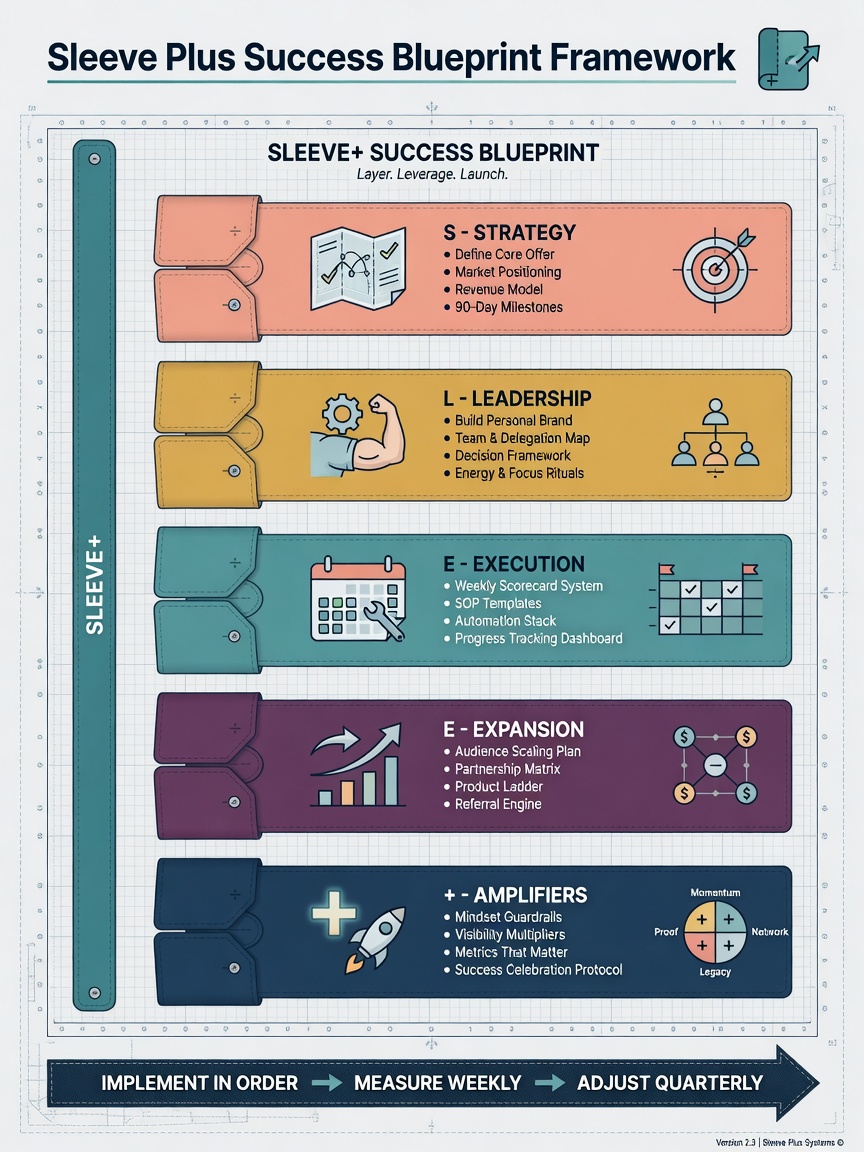
The Sleeve Plus Success Blueprint
The Sleeve Plus Success Blueprint integrates six evidence-based phases: Decision, Preparation, Provider Selection, Surgery, Lifestyle, and Psychological Support. This framework synthesizes clinical evidence and patient experience into a structured plan that maximizes your chances of long-term success. Many patients focus only on the surgery itself, but the blueprint emphasizes that success depends as much on preparation and aftercare as on the surgical skill.
Phase 1: Informed Decision-Making
Research the sleeve plus surgery procedure thoroughly, including expected outcomes, success rates, and potential risks. Evaluate your personal health status, BMI, and readiness for lifelong lifestyle changes. Set realistic expectations – sleeve plus is a tool, not a cure. Understanding what the procedure can and cannot achieve is the foundation of informed consent.
Phase 2: Rigorous Preparation
The NHS pre-surgery preparation checklist advises starting a liquid diet 2 weeks before surgery, stopping smoking at least 6 weeks prior, and undergoing blood tests and psychological evaluation as part of preparation (2024). Complete all required medical clearances, including cardiac and pulmonary assessments if indicated. Begin practicing the dietary habits you’ll need post-surgery – smaller portions, slower eating, and hydration between meals.
Phase 3: Expert Provider Selection
Apply the evaluation criteria from the previous section: verify JCI accreditation, assess surgeon volume and complication rates, confirm language support, and request transparent package breakdowns. Contact at least two hospitals to compare quotes and surgeon qualifications. Trust your instincts – if a provider is evasive about credentials or pricing, consider it a red flag.
Phase 4: Surgical and Recovery Excellence
The procedure itself takes 45-90 minutes under general anesthesia. Hospital stay is 2-3 days, during which you’ll be monitored for complications such as leaks, bleeding, or infection. Pain is managed with oral medication, and early ambulation is encouraged to prevent blood clots. Know the signs of complications: fever, severe abdominal pain, rapid heart rate, or inability to keep fluids down – and have emergency contact information readily available.
Phase 5: Long-Term Lifestyle Mastery
Post-op diet progresses through phases: full liquids (week 1), pureed foods (weeks 2-4), soft foods (weeks 4-6), and solid foods (week 6+). The 20-20-20 rule applies throughout: chew 20 times per bite, wait 20 seconds between bites, and keep portions to a cup-sized container. Incorporate regular exercise starting at week 6, and monitor your weight weekly to catch regain early. Lifelong bariatric vitamin supplementation is non-negotiable.
Phase 6: Ongoing Psychological and Social Support
A divorce rate study after bariatric surgery found that divorce rates after bariatric surgery range from 12% to 20% within 5 years, often linked to changes in body image and lifestyle (2024). Join bariatric support groups – studies show patients who attend support groups have 15% higher weight loss retention. Address emotional eating patterns with a therapist, and prepare for shifts in relationships as your habits and priorities change.
Now that you have the blueprint, let’s look at how to independently verify the entities involved – hospitals, surgeons, and medical tourism facilitators.
Entity Authority & Consistency
Thailand has over 60 JCI-accredited hospitals, making it one of the most accredited medical tourism destinations globally (JCI directory, 2024). But accreditation alone isn’t enough – you need to verify that the specific hospital and surgeon you’re considering meet your standards. This section provides a step-by-step verification process.
Verifying Hospital Accreditation (JCI and Beyond)
The JCI-accredited hospitals in Thailand directory lists multiple hospitals with accreditation for bariatric surgery, including those meeting rigorous international patient safety standards (2024). To verify: visit the JCI website, search for the hospital name, and confirm its accreditation status and scope. Beyond JCI, look for ISO certification and Thailand’s Hospital Accreditation (HA) – these indicate additional quality layers. Accreditation covers patient safety, infection control, medication management, and staff qualifications.
Surgeon Credentials: What to Look For
Board certification in bariatric surgery is the minimum standard. Ask directly: “How many sleeve plus procedures have you performed?” A high-volume surgeon (100+ procedures annually) typically has lower complication rates. Request the surgeon’s specific leak rate and overall complication statistics – reputable surgeons track and share this data. Check hospital websites for surgeon profiles, and search for patient reviews on independent forums. If a surgeon cannot or will not provide complication data, consider it a warning sign.
The Role of Medical Tourism Facilitators – Risks and Tips
Some facilitators provide genuine value: they coordinate travel, negotiate package discounts, and provide on-the-ground support. Others have hidden financial incentives that may steer you toward specific hospitals regardless of quality. Red flags include pressure to book quickly, vague hospital names, lack of transparency on pricing, and refusal to provide direct hospital contact information. Always get quotes directly from hospitals as well, and compare them against what the facilitator offers. A trustworthy facilitator encourages you to do your own research.
For readers who want a full picture, now we must honestly address the risks and limitations.
Risks, Limitations & Counterarguments
Risks of gastric sleeve surgery include both short-term surgical complications and long-term challenges. Evidence suggests that informed patients who understand these risks are better prepared to manage them. This section presents a balanced, data-driven account of what can go wrong and how to mitigate those risks.
Common Surgical Risks and Complication Rates
The NIDDK bariatric surgery types overview outlines potential risks including leakage, infection, blood clots, and nutritional deficiencies (2024). Specific complication rates for sleeve plus include:
| Complication | Rate | Notes |
|---|---|---|
| Staple line leak | 1-2% | Most serious; requires immediate intervention |
| Bleeding | 1-3% | Usually managed conservatively |
| Infection | 2-5% | Wound or intra-abdominal |
| Deep vein thrombosis | <1% | Prevented with early ambulation and blood thinners |
| Stricture | 1-2% | Narrowing at the staple line |
| Dumping syndrome | 5-10% | More common with high-sugar foods |
Dumping syndrome, a condition where food moves too quickly from the stomach to the small intestine causing nausea and diarrhea, is more common after gastric bypass but can occur after sleeve plus if dietary guidelines are not followed.
Weight Regain: How Likely and How to Prevent It
Long-term studies report an 18.4% rate of significant weight regain after sleeve gastrectomy at 10 years (PubMed, 2024), but this can be mitigated with dietary adherence and routine follow-up. Factors contributing to regain include dietary non-compliance, lack of regular exercise, hormonal adaptation, and stretching of the gastric sleeve over time. Prevention strategies include: attending regular follow-up appointments, joining accountability groups, tracking food intake, maintaining an exercise routine, and seeking early intervention if you notice a 5-10 pound regain.
Psychological and Relationship Challenges
A divorce rate study after bariatric surgery found that divorce rates after bariatric surgery range from 12% to 20% within 5 years, often linked to changes in body image and lifestyle (2024). Rapid weight loss can shift self-perception, alter relationship dynamics, and trigger emotional responses that patients may not anticipate. Social pressure from friends and family who are accustomed to your previous eating habits can create tension. Pre-surgery psychological counseling and ongoing support groups are strongly recommended to navigate these transitions.
When Is Sleeve Plus NOT the Right Choice?
Sleeve plus is not suitable for everyone. Contraindications include severe gastroesophageal reflux disease (GERD), uncontrolled psychiatric conditions such as active substance abuse or unstable eating disorders, and certain medical comorbidities that increase surgical risk. For patients with severe reflux, gastric bypass may be a better option. For those with lower BMI or metabolic needs, traditional sleeve may suffice. A comprehensive evaluation by a bariatric surgeon and a multidisciplinary team is essential to determine candidacy.
If you’ve come this far, you’re clearly committed to making a fully informed decision. Below are answers to the most common questions patients ask.
Frequently Asked Questions
What is the 20 20 20 rule for bariatric patients?
The 20-20-20 rule is a simple guideline to promote mindful eating and portion control after surgery. Chew each bite 20 times before swallowing. After each bite, wait 20 seconds before taking the next one. Ensure each meal fits within a cup-sized container (20 ounces), especially in early recovery. This helps prevent overeating, reduces the risk of dumping syndrome, and encourages thorough chewing. Adhering to this rule supports long-term weight maintenance and digestive comfort.
What is the best meal to eat the day before surgery?
The day before sleeve plus surgery, you should consume only clear liquids. Examples include clear broth, water, sugar-free gelatin, black coffee or tea (no milk), and clear juices without pulp. Avoid solid foods, dairy, red/purple liquids, and alcohol. This liquid diet ensures your stomach is empty for the procedure, reducing the risk of aspiration during anesthesia. Your surgeon or hospital will provide specific instructions, so follow them exactly.
How does sleeve plus differ from traditional gastric sleeve?
Sleeve plus is a modification of the standard sleeve gastrectomy that removes a larger portion of the stomach, particularly the fundus. This extra resection leads to greater ghrelin reduction (the hunger hormone) and added mechanical restriction. Clinical studies show 5-10% additional excess weight loss at 2 years compared to standard sleeve (PubMed, 2024), with comparable complication rates. However, both procedures require lifelong lifestyle changes. Your surgeon can help determine which option aligns with your health profile and weight loss goals.
What happens 10 years after gastric sleeve?
At 10 years, most patients maintain significant weight loss, with average excess weight loss of 57% (PubMed, 2024). However, about 18% of patients experience significant weight regain within this timeframe. Long-term challenges include nutritional deficiencies (requiring lifelong supplements), changes in eating habits, and potential psychological adjustment. Regular follow-up with a bariatric team is essential to monitor health, manage regain, and address emerging issues. Overall, the majority of patients report improved quality of life.
Why is the divorce rate so high after bariatric surgery?
Studies report that divorce rates within 5 years after bariatric surgery range from 12% to 20% (PubMed, 2024). This is often linked to rapid weight loss causing shifts in body image, self-esteem, and relationship dynamics. Partners may struggle with changes in the patient’s habits, social activities, and priorities. Psychological counseling before and after surgery can help couples navigate these transitions. Support groups also provide a space to discuss these challenges and learn coping strategies.
Conclusion
Sleeve plus surgery in Thailand offers a safe, cost-effective path to significant and sustained weight loss, with 57% excess weight loss at 10 years and costs 40-60% lower than in the US (PubMed, 2024). The procedure differs from standard sleeve by providing additional restriction and hormonal benefits, though long-term success depends as much on preparation and aftercare as on the surgery itself.
The Sleeve Plus Success Blueprint – covering informed decision-making, rigorous preparation, expert provider selection, surgical excellence, lifestyle mastery, and psychological support – provides a structured approach to maximize your chances of success. Every phase is backed by clinical evidence and patient experience.
Your journey begins with a single step: contact at least two JCI-accredited hospitals in Thailand to request detailed quotes and surgeon qualifications. Use the Blueprint to guide your questions and ensure nothing is overlooked. Consult your physician for personalized medical advice.