
How to Assess Buccal Fat Removal Candidacy in Thailand: A Complete Guide
This information is for educational purposes only and is not a substitute for professional medical advice. Always consult a board-certified plastic surgeon for a personalized assessment.
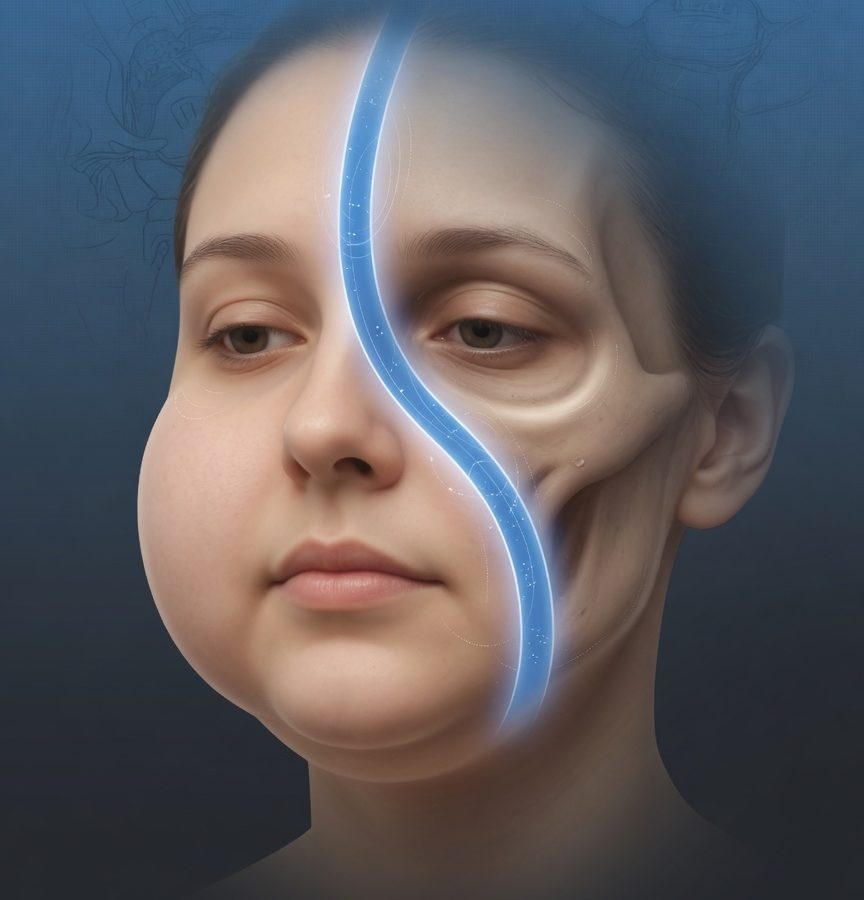
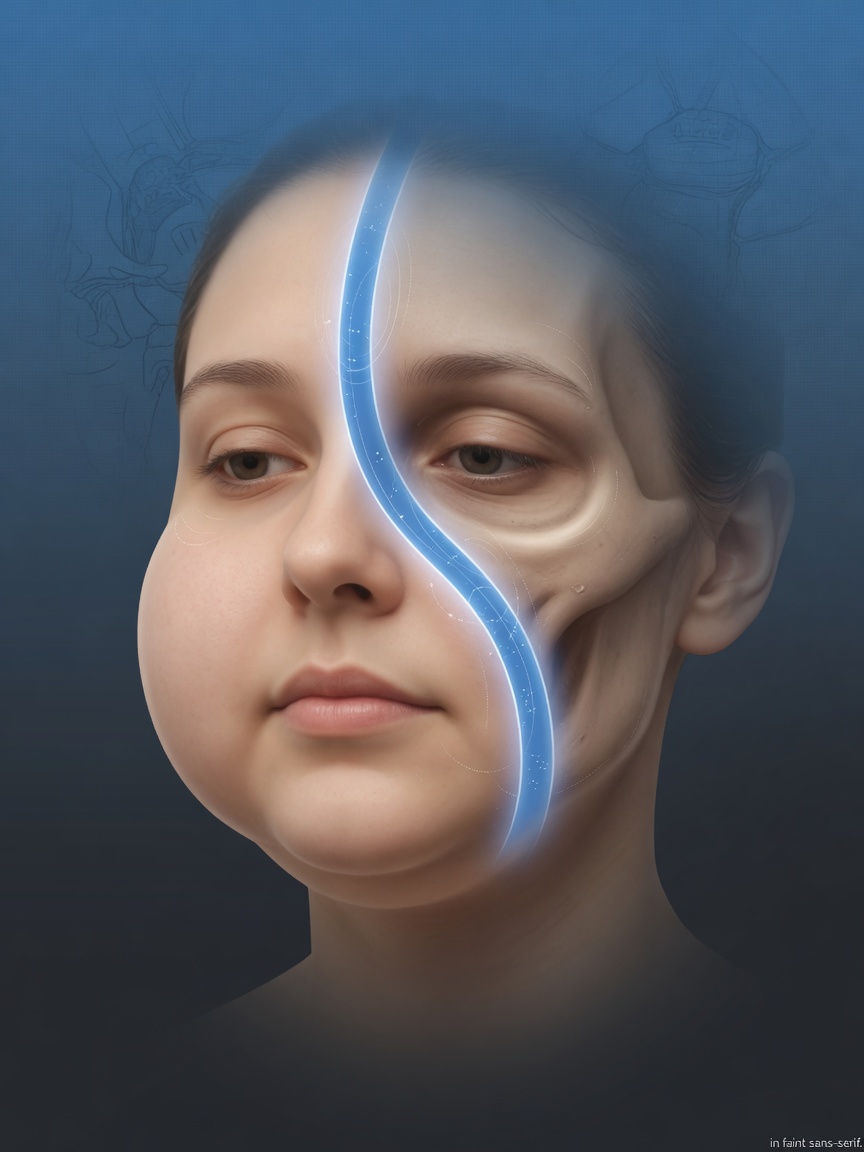
You’ve seen the before-and-after photos: a round, full face transformed into a sculpted V-line. But what if that transformation ages you ten years instead of making you look younger? The problem is that many patients focus on the immediate aesthetic gain and overlook a permanent risk: over-resection of the buccal fat pad can lead to a gaunt, prematurely aged appearance that only worsens with time. To create this guide, we analyzed clinical literature and patient survey data from board‑certified surgeons in Thailand, providing evidence‑based guidance on candidacy, safety, and long‑term outcomes.
By the end, you’ll understand exactly who should and shouldn’t get buccal fat removal, how to choose a safe surgeon in Thailand, and what long-term outcomes to expect – so you can avoid regret. We’ll start by defining “The Gaunt Line” – the boundary between a good and poor candidate – before covering ideal candidates, costs, recovery, and how Thailand compares to other medical tourism destinations.
Key Takeaways
Buccal fat removal is a permanent procedure that carries a real risk of looking older if you cross The Gaunt Line – the point where too much cheek fat is removed.
- Avoid it if: You have a naturally narrow face, are under 25, or have significant age-related volume loss.
- Safe for: Patients with full, round cheeks, good skin elasticity, and realistic expectations.
- Choose Thailand for: Cost-effective packages, accredited hospitals, and experienced surgeons – but verify credentials first.
- Expect: Final results at 6 months; natural aging will continue to change your appearance over time.
Buccal Fat Removal: Who Should Avoid & The Gaunt Line
Not everyone is a good candidate for buccal fat removal – those with naturally narrow faces, significant age-related volume loss, or who are under 25 face the highest risk of a gaunt outcome. According to Johns Hopkins Medicine, the procedure should be approached with caution in patients who already have lean faces, as removal of the buccal fat pad can create a hollowed, aged appearance. Understanding these exclusion criteria before you travel to Thailand can save you thousands of dollars and decades of regret – this is where The Gaunt Line concept becomes your decision-making compass.
Naturally Thin Faces: Primary Risk Factor
The buccal fat pad provides crucial volume to the lower cheek. Removing it from an already lean face eliminates the last bit of cushion that maintains a youthful contour. Patients with prominent cheekbones and minimal facial fat pre-operatively may develop a hollow, skeletonized look after removal – this makes them bad candidates for buccal fat removal.
Try The Gaunt Line self-test: Look in the mirror and smile. If you can clearly see the outline of your nasolabial folds without pressing on your cheeks, you may have insufficient buccal fat for safe removal.
Consider a hypothetical patient: a 30-year-old with a naturally V-shaped face who removes all buccal fat may look sculpted at 30 but gaunt at 50 when natural aging removes additional facial volume. The visible signs of poor candidacy include cheekbones that are already prominent, a hollowed appearance when smiling, and a family pattern of early facial aging.
Johns Hopkins Medicine cautions that buccal fat removal is not recommended for people with narrow faces or thin cheeks because of the risk of a gaunt appearance.
Age Risks for Younger & Older Patients
The ideal age range for buccal fat removal is late 20s to early 40s – there is a clear age limit for safe buccal fat removal that extends from roughly 25 to 45. Younger patients (under 25) still have maturing facial fat pads – removing fat too early can interrupt natural aging patterns, leading to volume loss that becomes apparent in their 30s. Older patients (over 45) already experience age-related volume loss, and removing buccal fat accelerates hollowing, potentially creating deep nasolabial folds and a drawn appearance.
A 22-year-old who removes buccal fat may look fine in her 20s, but by 40, when natural volume loss occurs, she may appear prematurely aged. A 2023 study in PRS Global Open found that satisfaction rates are highest in patients aged 28-40, with regret rates significantly increasing in those under 22 and over 50.
A 2023 study in PRS Global Open found that patient satisfaction rates correlate strongly with age, with optimal outcomes in the 28-40 range.
Asian Anatomy: Special Considerations
Asian patients often have flatter midfaces, thinner buccal fat pads, and lower baseline cheek volume. Over-resection can create a skeletonized or sagging appearance that is difficult to correct. However, buccal fat removal is safe for Asians when performed by an experienced surgeon who understands these anatomical differences – ethnicity is not a contraindication. The key is choosing a surgeon familiar with Asian facial anatomy who recommends minimal, conservative removal. The goal should be subtle contouring, not a dramatic V-line transformation.
A study on Asian facial contouring emphasized conservative fat removal to avoid unnatural results. The same principle applies to buccal fat removal in Thailand – a surgeon who regularly performs on Asian patients will understand the different risk thresholds.
A study on Asian facial anatomy found that differences in facial soft tissue distribution in Asian populations require modified surgical approaches for optimal outcomes.
Medical and Lifestyle Contraindications
Certain medical conditions can make buccal fat removal unsafe. Common contraindications include autoimmune disorders (lupus, scleroderma), bleeding disorders, uncontrolled diabetes, and active smoking. Smoking significantly impairs wound healing – most reputable clinics require quitting at least four weeks before surgery.
Psychological readiness is equally important. Patients with body dysmorphic disorder or those seeking surgery as a solution to deeper self-esteem issues should not proceed. A thorough medical history review during consultation will identify these risk factors.
The Rattinan clinic in Thailand notes that contraindications include smoking, uncontrolled diabetes, and certain autoimmune conditions, which should be discussed openly with your surgeon.
Ideal Candidates: Benefits & Realistic Outcomes
The ideal buccal fat removal candidate has full, round cheeks that remain prominent at a healthy weight, good skin elasticity, and a desire for subtle contouring – not a dramatic facial change. The buccal fat removal benefits include reduced lower‑cheek fullness and enhanced bone definition, but realistic expectations are essential. These patients sit safely on the right side of The Gaunt Line, with enough facial volume to absorb the reduction without looking hollow.
Ideal Profile: Full Cheeks & Expectations
You have full, round cheeks (often called “chipmunk cheeks”) that remain prominent even when you are at a healthy weight. Buccal fat removal is ideal for patients with fuller cheeks because you can feel the buccal fat pad as a soft, mobile mass when pressing on your lower cheek. Your skin has good elasticity – typical for patients in their 20s to early 40s – meaning it will retract well after surgery.
Realistic expectations are essential. The goal of buccal fat removal is subtle enhancement, not a complete facial transformation. Maximum narrowing is approximately 10-15% of the lower face width. A 32-year-old with a round face who wants to soften cheek fullness while maintaining a natural look is a classic good candidate.
Aesthetic Benefits & Limitations
The primary benefit of buccal fat removal is reduced lower cheek fullness, creating a narrower, more contoured lower face. When cheek fat is reduced, the underlying bone structure becomes more visible – enhancing cheekbone and jawline definition.
However, the procedure has clear limitations. It cannot:
- Remove deep nasolabial folds
- Lift sagging skin
- Dramatically change your facial shape
- Prevent natural aging
A patient who loses the fullness that made them look perpetually youthful may instead appear more mature – which some consider a benefit but others may regret.
Long-Term Aging Trade-Off
The results of buccal fat removal are permanent – removed buccal fat does not grow back. As you age naturally and lose additional facial volume, the initial reduction may become more pronounced, potentially leading to a gaunt appearance years later.
This is why The Gaunt Line is crucial: over-resection at a young age can lead to regret in your 40s and 50s. A patient who had buccal fat removal at 25 may look great at 30, but by 50, with natural volume loss of approximately 20-30% of facial fat, she may appear hollow and older than her peers. Choosing a conservative surgeon who removes minimal fat significantly reduces this long-term risk.
Buccal Fat Removal Cost Thailand: Pricing & Packages
Buccal fat removal in Thailand costs between $1,500 and $4,000 USD, representing 50-70% savings compared to the United States, but quality varies widely – surgeon credentials and clinic accreditation matter more than price. Understanding the buccal fat removal cost Thailand range and what drives those prices will protect both your budget and your safety.
Typical Cost Range in Thailand
The median price for buccal fat removal in Thailand is approximately $2,500 USD. Prices vary by clinic, with premium hospitals like Bumrungrad International at the higher end and specialized clinics like PAI offering more competitive rates.
A typical “all-inclusive” package covers:
- Surgeon fee
- Hospital stay (usually day surgery or one night)
- Anesthesia (local or general)
- Post-operative medications
- 2-3 follow-up visits
- Compression garment
- Airport transfer (select packages)
| Package Type | Price Range (USD) | Typical Inclusions |
|---|---|---|
| Budget | $1,500 – $2,000 | Surgeon fee, local anesthesia only |
| Mid-range | $2,000 – $3,000 | Surgeon fee, anesthesia, 1-night stay, follow-up |
| Premium | $3,000 – $4,000 | Full package at JCI-accredited hospital |
What is typically extra: pre-operative blood tests, special medications, additional compression garments, and extra nights. A package from PAI clinic in Bangkok for $2,200 includes the surgeon fee, local anesthesia, one-night stay, and one follow-up. A similar package at Bumrungrad International may cost $3,800 due to the hospital’s premium status.
Bookimed lists price ranges for buccal fat extraction in Thailand between $1,500 and $4,000 across multiple clinics.
Factors That Influence Price
Several factors explain why prices differ across clinics. Bangkok clinics are generally more expensive than those in Phuket or Chiang Mai. Senior surgeons with international fellowships command higher fees for their expertise.
Package details matter significantly. A $1,500 “package” might only cover the surgeon fee and local anesthesia, leaving you to pay for medications, aftercare, and follow-ups separately. Avoid cheap buccal fat removal in Thailand that may indicate unaccredited facilities or hidden costs – always verify what’s included.
Vetting Surgeons & Clinics: Step-by-Step
Finding the best buccal fat removal surgeon in Thailand requires thorough vetting. Choosing the right surgeon is the single most important decision you’ll make. Follow this systematic approach:
- Verify board certification – Confirm the surgeon is certified by the Thai Society of Plastic Surgeons (TSPS) or an equivalent international board.
- Check clinic accreditation – Look for JCI (Joint Commission International) or ISO 9001 certification. These are global standards for hospital safety.
- Read patient reviews – Search RealSelf, Google Reviews, and medical tourism Facebook groups. Look for specific mentions of buccal fat removal outcomes.
- Review before/after photos – Request photos of patients with similar facial structure and age to yours. A reputable surgeon will have a portfolio.
- Schedule a virtual consultation – This is critical for assessing communication quality and the surgeon’s approach to your specific anatomy.
Warning: Avoid clinics that pressure you to book immediately or offer significant discounts for same-day decisions. A good surgeon encourages thoughtful consideration.
Virtual Consultation Questions
Use this checklist for your buccal fat removal consultation in Thailand. Come prepared with these questions:
- How many buccal fat removals have you performed?
- What is your typical amount of fat removed (in milliliters)?
- Do you prefer local or general anesthesia for this procedure?
- What is your protocol for managing asymmetry?
- Can I see before/after photos of patients with a similar face shape to mine?
- What is included in the quoted price, and what would be extra?
- What aftercare support do you provide post-surgery?
- How do you handle complications if they arise?
A skilled surgeon will answer these questions honestly and may even encourage a second opinion if they feel you’re not an ideal candidate.
Recovery, Results & Thailand vs Alternatives
Recovery from buccal fat removal typically takes one to two weeks for initial healing, with final aesthetic results visible at three to six months. Over 90% of patients report satisfaction when performed by a board-certified surgeon. Understanding buccal fat removal recovery time and aftercare is essential for a smooth experience, and comparing Thailand to alternatives like Turkey and South Korea will help you make the final decision.
Week-by-Week Recovery Timeline
The buccal fat removal recovery time spans several weeks. Week 1 is the most challenging period. Swelling and bruising peak during the first 48-72 hours. Pain is manageable with prescribed medication. Stick to a soft diet (soups, smoothies, yogurt) and avoid strenuous activity. Apply ice packs as directed. Most patients can return to light desk work after 5-7 days.
Week 2: Swelling reduces significantly. Sutures are typically removed around day 10. You can resume normal daily activities but should avoid the gym and heavy lifting.
Weeks 3-4: Approximately 70-80% of swelling is gone. Visible improvement is clear, but the final contour is not yet apparent. You can socialize normally, though a trained eye may still notice slight asymmetry.
Months 2-3: Continued subtle reduction in swelling. The final results begin to emerge as the tissues fully settle.
Months 3-6: Complete healing. Scar tissue inside the mouth matures and softens. Results are permanent – what you see at six months is what you will have.
Buccal Fat Removal Aftercare: Do’s & Don’ts
| Do’s | Don’ts |
|---|---|
| Keep your head elevated while sleeping | No strenuous exercise for 2 weeks |
| Use cold compresses for the first 48 hours | No hot showers, saunas, or steam rooms |
| Stay hydrated and eat soft foods | No smoking (requires 4-week cessation) |
| Take prescribed antibiotics as directed | No alcohol for at least 1 week |
| Attend all follow-up appointments | No sleeping on your face |
Signs to call your doctor immediately: Fever above 101°F (38.3°C), excessive bleeding that soaks through dressings, sudden asymmetry, severe pain not controlled by medication, or signs of infection (redness, pus, warmth at the incision sites).
Thailand vs Turkey vs South Korea
When comparing your destination, consider how Thailand vs Turkey plastic surgery and Thailand vs Korea plastic surgery stack up for buccal fat removal. Each destination offers different advantages. Here’s a side-by-side comparison:
| Factor | Thailand | Turkey | South Korea |
|---|---|---|---|
| Average Cost (USD) | $1,500 – $4,000 | $1,000 – $3,000 | $3,000 – $7,000 |
| Accreditation | JCI (50+ hospitals) | Turkish Ministry of Health | KFBA certification |
| Surgeon Specialization | Facial aesthetics strong | High-volume cosmetic surgery | World-renowned facial contouring |
| Medical Tourism Infrastructure | Excellent, well-established | Good, rapidly growing | Excellent, very mature |
| Travel from US | ~18 hours, visa-free for many | ~10 hours from Europe, visa-easy | ~12 hours, visa required |
| Travel from Europe | ~12 hours | ~3-4 hours | ~11 hours |
The most important caveat: individual surgeon skill matters more than country averages. A mediocre surgeon in South Korea is worse than an excellent surgeon in Thailand, regardless of reputation.
Final Verdict: Best Destination
Thailand offers the best balance of cost, safety (JCI accreditation), and ease of travel. It is ideal for first-time medical tourists who want established infrastructure and English-speaking staff.
Turkey has the lowest prices and high-volume surgeons who perform cosmetic procedures daily. It works well for patients prioritizing cost above all else.
South Korea offers the highest expertise in facial aesthetics, particularly for Asian facial anatomy. Choose this option if you are willing to pay more and navigate visa requirements for the absolute best specialist care.
No country guarantees results – the surgeon’s skill and your specific anatomy are the ultimate deciders.
Frequently Asked Questions
Why shouldn’t you do buccal fat removal?
Buccal fat removal is not recommended for people with naturally narrow faces, significant age-related volume loss, or those under 25. Removing too much fat can lead to a gaunt, hollowed appearance that worsens with natural aging – a permanent regret called crossing “The Gaunt Line.” The procedure is also risky for patients with certain medical conditions or unrealistic expectations.
Are Asians good candidates for buccal fat removal?
Yes, but with caution. Asian patients often have flatter midfaces and thinner buccal fat pads, making them more prone to a hollowed appearance if too much fat is removed. The key is choosing a surgeon experienced in Asian facial anatomy who recommends minimal, conservative removal.
Do people regret buccal fat removal?
Yes, regret is common – especially among poor candidates. Regret often stems from a gaunt look that becomes more pronounced with age. Patients under 25 or those with naturally thin faces are most likely to regret it. The permanence of the result means you cannot reverse it. Careful candidate selection, as outlined in this guide, can dramatically reduce the chance of regret.
What is the ideal age range for buccal fat removal?
The ideal age range for buccal fat removal is late 20s to early 40s. Younger patients still have developing facial structures – removing fat too early can disrupt natural aging. Older patients already have age-related volume loss and may look gaunt after surgery. Within this range, patients typically have stable facial volume and good skin elasticity, minimizing the risk of crossing The Gaunt Line.
How safe is cosmetic surgery in Thailand?
Cosmetic surgery in Thailand can be very safe if you choose an accredited facility and board-certified surgeon. Look for JCI (Joint Commission International) accreditation – the global gold standard for hospital safety. Many top hospitals in Bangkok, like Bumrungrad and Bangkok Hospital, meet these standards. Avoid bargain clinics with no verifiable credentials. Always verify the surgeon’s certification with the Thai Society of Plastic Surgeons before booking.
What are the risks of buccal fat removal?
Common risks include infection, hematoma, nerve damage (especially to the marginal mandibular nerve, affecting smile symmetry), asymmetry, and over-resection leading to a gaunt appearance. The 2023 PRS Global Open study reported high satisfaction with proper technique but noted that complication rates increase with surgeon inexperience (Source: PRS Global Open, 2023). Most risks can be minimized by choosing a board-certified surgeon who practices conservative fat removal.
Is buccal fat removal safe in Thailand?
Yes, buccal fat removal is safe in Thailand when performed at an accredited facility by a qualified surgeon. Thailand has over 50 JCI-accredited hospitals, among the most in Asia. Many surgeons have international training and experience with facial anatomy. However, safety depends on your specific choice of clinic and surgeon – use the vetting checklist in this guide to verify credentials before committing.
Conclusion
For anyone considering buccal fat removal in Thailand, the decision hinges on one concept: The Gaunt Line. If you have a narrow face, are under 25, or have existing volume loss, you risk permanent aging. For ideal candidates with full cheeks and realistic expectations, the procedure can offer subtle facial contouring at a fraction of US prices. Proper vetting of a JCI-accredited clinic and a board-certified surgeon is non-negotiable.
The Gaunt Line framework – knowing where the boundary between safe and risky resides – transforms an overwhelming decision into a simple self-assessment. Use the criteria in this guide to determine which side you fall on, and you’ll avoid the regret of over-resection.
Start by evaluating your facial structure using the self-assessment checklist. Then, schedule virtual consultations with at least two board-certified surgeons in Thailand. Ask the right questions, compare their plans, and choose the one who prioritizes conservative, natural results. Your future self will thank you.