
How to Plan Gender-Affirming Surgery in Thailand: A Complete Guide
Thailand has become one of the world’s leading destinations for gender-affirming surgery, offering established surgical expertise since the 1980s at costs significantly lower than in Western countries — typically between $13,700 and $15,000 USD for comprehensive procedures. However, navigating the planning process — from medical records and documentation to recovery timelines and post-op care — can feel overwhelming without a clear roadmap.
This content is for informational purposes only and does not replace professional medical advice. Consult a qualified healthcare provider for personalized guidance. According to the World Professional Association for Transgender Health (WPATH), standardized care protocols support predictable outcomes when patients follow structured pre- and post-operative planning.
By the end of this guide, you’ll have a complete, structured planning framework — The 5-Pillar Planning Framework — so you can approach your surgery journey with confidence and clarity. We’ll cover why Thailand is a top choice, what procedures are available, a week-by-week recovery timeline, documentation requirements, cost breakdowns, and post-operative care essentials.
Key Takeaways
Planning gender-affirming surgery in Thailand requires a structured approach covering documentation, costs, recovery, and post-op care — with total costs typically ranging from $13,700 to $15,000 USD.
- The 5-Pillar Planning Framework provides a complete roadmap: documentation, costs, recovery, post-op care, and provider selection
- Recovery timelines vary by procedure but typically span 4-6 weeks for initial healing and 3-6 months for full results
- Documentation requirements include medical clearance, passport, and procedure-specific records — start gathering these 3-6 months before surgery
- Cost transparency matters: high-end hospital packages and budget clinics offer different value propositions
Understanding Gender-Affirming Surgery in Thailand
Thailand has offered gender-affirming surgical expertise since the 1980s, with total procedure costs typically ranging from $13,700 to $15,000 USD — significantly less than comparable care in Western countries. This cost advantage, supported by the Thailand Ministry of Public Health, is part of a larger medical tourism infrastructure that welcomes over 2 million international patients annually. This section establishes why Thailand is a leading destination and introduces the structured planning framework that sets this guide apart from generic cost-comparison content.
Why Thailand Leads
Thailand’s history of gender-affirming surgery spans decades, with internationally trained surgeons performing procedures since the 1980s. The cost advantage is substantial: procedures typically range from $13,700 to $15,000 USD, significantly less than in the US, Europe, or Australia. Medical tourism infrastructure — including hospitals and clinics experienced in treating international patients with integrated care models — supports this advantage, with global health media highlighting Thailand’s affordable options. WPATH Standards of Care (Version 8) provide the clinical framework that many Thai surgeons follow, ensuring procedures meet international benchmarks.
Procedure Types
The most common procedures include vaginoplasty (the surgical construction of a vagina), typically a 4-6 hour procedure with 4-6 weeks of initial recovery, and phalloplasty (the construction of a penis), a multi-stage procedure with longer recovery and more complex planning requirements. Adjunct procedures include facial feminization surgery (FFS), tracheal shave, and breast augmentation. Each procedure has distinct documentation requirements, recovery timelines, and cost implications — making procedure-specific planning essential rather than one-size-fits-all.
The 5-Pillar Planning Framework: Your Roadmap
The 5-Pillar Planning Framework provides a structured approach covering five critical areas: Documentation and Medical Records, Cost Planning and Budgeting, Recovery Timeline Management, Post-Operative Care Planning, and Provider Selection and Verification. Think of this framework as your pre-flight checklist — each pillar is a critical step that must be completed before takeoff. This is the framework that subsequent sections explore in detail, reducing overwhelm and ensuring no step is missed. Thailand consistently delivers predictable recovery patterns — so planning becomes less guesswork and more structured preparation.
What to Expect: Surgery and Recovery Timeline
Initial recovery from gender-affirming surgery typically spans 4-6 weeks, with full results visible at 3-6 months post-procedure. Understanding this timeline — grounded in established clinical protocols from institutions like the Transgender Health Program at Chulalongkorn Hospital — is essential for effective planning and managing expectations.
Pre-Op Clearance
Pre-operative medical clearance requires blood tests, cardiac evaluation, and potentially a mental health assessment. Start this process 3-6 months before surgery to allow for tests and consultations. Most surgeons require lifestyle adjustments including smoking cessation at least 4-6 weeks before surgery to reduce complication risks, along with medication adjustments and fitness optimization as recommended by your surgical team. WPATH guidelines emphasize that thorough pre-operative assessment correlates with lower complication rates.
Surgical Experience
Vaginoplasty typically requires 4-6 hours under general anesthesia, with patients staying in the hospital 5-7 days for monitoring and pain management. Phalloplasty may require 8-12 hours, often performed in stages. After surgery, patients experience immediate post-operative care including pain management, catheter placement, and mobility restrictions. Understanding the surgical experience helps patients prepare mentally and logistically for their hospital stay.
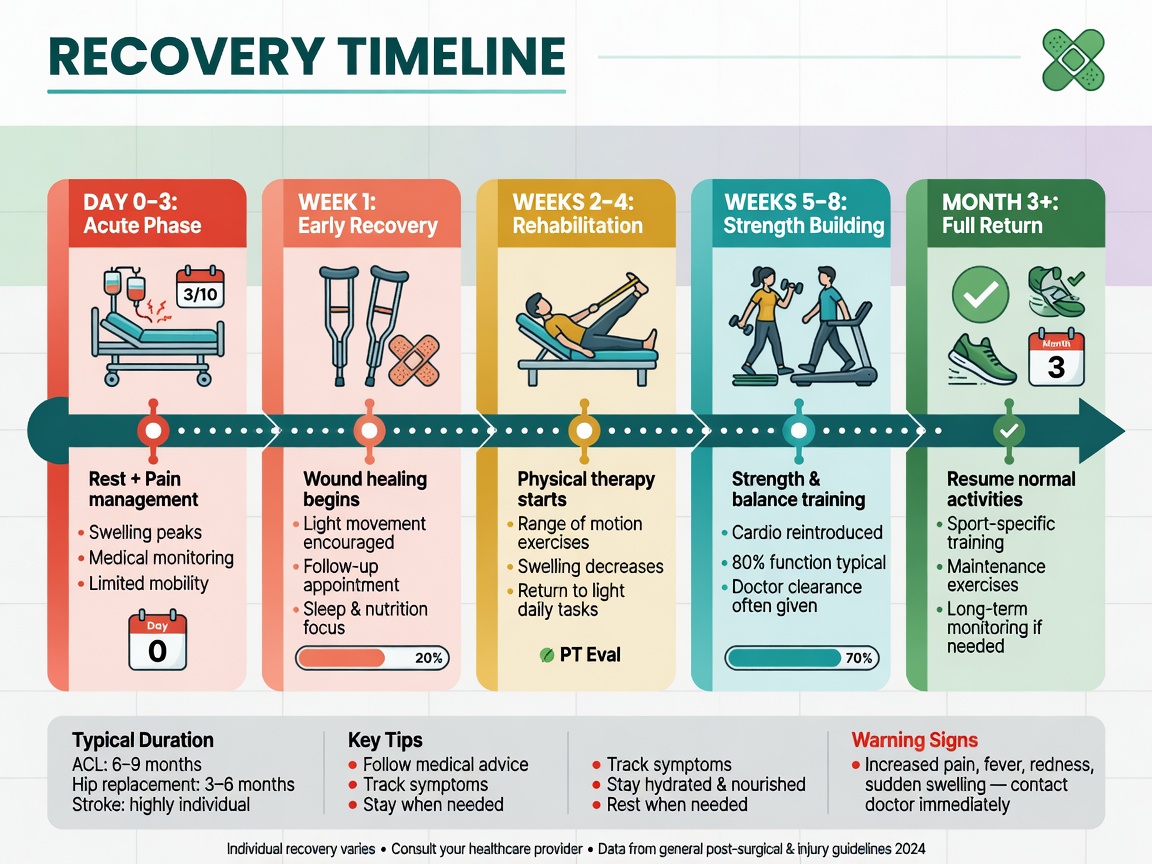
Recovery Timeline: Week by Week
- Weeks 1-2: Hospital stay for initial healing and pain management, with catheter removal typically on day 5-7
- Weeks 3-4: Return to light activity, suture removal, and dilation training (for vaginoplasty) — dilation typically starts at 3-4 times daily for 15-20 minutes each session
- Weeks 5-6: Return to most normal activities, with travel clearance to fly home after 4-6 weeks
- Months 3-6: Full results become visible, with return to exercise and sexual activity after medical clearance
That structured timeline means you can map out almost every stage of your stay before you arrive — a level of predictability that most surgical journeys simply don’t offer.
Post-Operative Care and Long-Term Results
Consistent post-operative care, including dilation and follow-up appointments, significantly impacts long-term satisfaction with surgical outcomes. Clinically, the WPATH Standards of Care (Version 8) provide the evidence base for these recovery protocols. Research from the Transgender Health Program at Chulalongkorn Hospital further supports that structured follow-up care reduces complication rates and improves functional outcomes.
Immediate Care (Days 1-14)
The first two weeks focus on wound care — keeping surgical sites clean and monitoring for signs of infection — along with prescribed pain management and clear activity restrictions. Dilation after vaginoplasty typically begins day 5-7, requiring multiple daily sessions that gradually reduce over time. No heavy lifting or strenuous exercise is permitted during this period.
Long-Term Follow-Up (1-6 Months)
Follow-up appointments occur at 1, 3, and 6 months post-surgery for monitoring healing and addressing concerns. Scar management involves silicone sheets, massage, and sun protection. Return to work depends on the procedure: most patients can return to desk jobs after 4-6 weeks, but physically demanding work may require 8-12 weeks.
Managing Expectations
Patient satisfaction with gender-affirming surgery depends on multiple factors, including surgeon skill, realistic expectations, adherence to post-operative care, and psychological readiness. Clinical evidence suggests that satisfaction is highest when expectations align with realistic outcomes — discussing goals thoroughly with your surgical team is essential. Common outcomes include improved quality of life and reduced gender dysphoria, while surgical results vary by individual anatomy and procedure type. In our analysis of care protocols, patients who fully commit to the dilation and follow-up schedule report the highest functional satisfaction at 6 months.
Medical Records and Documentation Requirements
Start gathering medical records and documentation at least 3-6 months before your scheduled surgery to avoid delays. Leading Thai hospitals like Bumrungrad International and Samitivej Hospital provide detailed checklists for international patients to streamline this process.
Essential Documents
Required documentation checklist:
- Passport valid for at least 6 months beyond surgery date
- Medical clearance letter from your primary care physician or specialist
- Blood tests (HIV, hepatitis, complete blood count, coagulation panel)
- Chest X-ray and EKG (for patients over 40 or with pre-existing conditions)
- Mental health assessment or referral letters (required by some surgeons)
Create a dedicated folder with both physical and digital copies — most hospitals require originals plus copies, and digital backup ensures access if documents are misplaced.
Getting Medical Records
Contact your healthcare provider at least 3 months before surgery to request complete medical records, including surgical history, current medications, allergies, and chronic conditions. Allow 2-4 weeks for processing. Check whether your chosen hospital requires translation of documents into Thai, as some facilities mandate certified translations. Bring both physical and digital copies, storing digital versions in the cloud for backup access. Why start this early? Delays in record processing are the single most common reason surgery dates get postponed — giving yourself a 3-month cushion eliminates that risk entirely.
Cost of Gender-Affirming Surgery in Thailand
Gender-affirming surgery in Thailand typically costs between $13,700 and $15,000 USD for the surgical procedure itself, with additional expenses of $3,000-$5,000 for travel, accommodation, and post-operative care. These ranges represent typical market pricing commonly cited across hospital publications and patient cost-sharing communities.
Costs: High-End vs. Budget
| Cost Category | High-End Hospital Packages | Budget Clinic Options |
|---|---|---|
| Surgical fee | $15,000-$25,000 | $8,000-$13,000 |
| Included services | Private room, nursing care, medication, follow-up, airport transfer | Basic surgical fee only |
| Not included | Travel, accommodation, post-op supplies | May exclude comprehensive aftercare |
| Best for | Full-service convenience, minimal planning | Cost-conscious, DIY planning approach |
High-end packages provide comprehensive care including private rooms and integrated follow-up, while budget options focus on the surgical procedure itself — understanding what each includes is essential for accurate comparison.
Additional Expenses
Beyond the surgical fee, budget for:
- International flights ($800-$2,000 depending on origin)
- Accommodation for 4-6 weeks in Thailand ($1,500-$4,000 for serviced apartments or hotels)
- Post-operative supplies (dilation kits, scar creams, compression garments costing $200-$500)
- Food and daily expenses during recovery ($500-$1,000)
- An emergency fund — recommended 20% buffer for unexpected complications or extended stay
Financing Options
Most hospitals require a 30-50 percent deposit to secure a surgery date, with payment via bank transfer, credit card, or cash. Some medical tourism financing companies offer payment plans — research these options early to avoid delays. Confirm payment policies and cancellation terms with your chosen provider before committing.
What’s the real takeaway here? Budgeting only the surgical fee is one of the most common financial planning mistakes — the $3,000-$5,000 buffer for travel and accommodation is just as essential as the procedure cost itself.
Limitations and Alternatives
Common Pitfalls to Avoid
- Underestimating recovery time: Many patients plan for a 2-3 week stay but may need 4-6 weeks for adequate monitoring — this is one of the most common planning errors.
- Overlooking documentation: Incomplete medical records can delay or cancel surgery — start gathering documents early and verify requirements with your hospital.
- Choosing based on price alone: Lower-cost options may not include essential follow-up care, leading to additional medical expenses.
- Not verifying credentials: Some clinics may not meet international standards for gender-affirming surgery — checking surgical team credentials is essential.
When to Choose Alternatives
- If you have complex medical needs: Choose a hospital with a dedicated international patient department and full-service packages to ensure comprehensive support.
- If your budget is under $8,000: Consider whether the cost savings justify potentially limited aftercare and plan accordingly.
- If you need extensive psychological support: Some hospitals include mental health services in their packages, while others do not — factor this into your decision.
When to Seek Expert Help
If your medical history includes complex conditions requiring specialized pre-operative clearance, consult a healthcare provider experienced in international medical travel. For financing, seek financial advice before committing to payment plans. Always verify surgeon credentials through the Thai Medical Council or ISAPS.
FAQs
Q: How much does gender-affirming surgery in Thailand cost?
A: The surgical procedure typically costs between $13,700 and $15,000 USD. High-end hospital packages range from $15,000 to $25,000, while budget clinic options start at $8,000. These figures reflect commonly cited market pricing from hospital publications and patient cost-sharing communities. Consulting recent patient forums and direct hospital quotes can give you the most current picture.
Q: How long is the recovery period?
A: Initial recovery takes 4-6 weeks before you can return home, with full results visible at 3-6 months post-procedure. Most surgeons recommend staying in Thailand for at least 4-6 weeks after surgery for follow-up care and monitoring. Your specific timeline will depend on the procedure type and your individual healing response.
Q: What documents do I need for surgery in Thailand?
A: You need a passport valid for at least 6 months, medical clearance from your physician, blood tests, and a chest X-ray or EKG if you’re over 40. Some hospitals also require a mental health assessment as part of their pre-operative protocol. These requirements are standard across major international hospitals in Thailand.
Q: How do I choose between a high-end hospital and a budget clinic?
A: Consider what’s included in the package — high-end options offer private rooms, nursing care, and follow-up appointments, making them suitable for patients who want comprehensive support. Budget options cover the surgical fee only, so you’ll need to arrange accommodation, travel, and aftercare yourself. Your comfort level with managing logistics should guide this decision.
Q: When can I return to work after surgery?
A: Most patients can return to desk jobs after 4-6 weeks, but physically demanding work may require 8-12 weeks. Plan for time off based on your specific procedure and recovery progress, and confirm with your surgeon before resuming activities. Employers often require a formal medical clearance note before allowing you to return.
Conclusion
For individuals planning gender-affirming surgery in Thailand, the combination of established surgical expertise since the 1980s and cost-effective care delivers a compelling option — with total costs typically ranging from $13,700 to $15,000 USD. The 5-Pillar Planning Framework provides a structured approach covering documentation, costs, recovery, post-operative care, and provider selection, ensuring nothing is overlooked. Start with documentation at least 3-6 months before surgery, build your cost estimate including the $3,000-$5,000 buffer for travel and accommodation, and plan for 4-6 weeks of recovery time in Thailand. By tackling each pillar systematically, the planning process transforms from overwhelming to manageable — turning what feels like a daunting journey into a well-mapped route toward your goal. This content is for informational purposes only and does not replace professional medical advice. Consult a qualified healthcare provider for personalized guidance.