
Hair Loss After Bariatric Surgery: The Complete Guide for Thailand Patients
Three months after your bariatric surgery, you notice clumps of hair in the shower drain. It’s alarming, but it’s also a predictable part of the recovery process – and in most cases, it’s temporary. The fear of permanent baldness can add unnecessary stress to an already challenging recovery. Without the right knowledge, you may waste money on ineffective supplements or make changes that don’t address the root cause.
By the end of this guide, you’ll understand the science behind post‑surgery hair loss, know exactly which nutrients to prioritise, and have a daily action plan – including Thailand‑specific strategies – so you can support your hair regrowth with confidence. We’ll cover the biological timeline, essential nutrients, daily prevention, and Thailand‑specific solutions.
Key Takeaways
Hair loss after bariatric surgery is usually temporary telogen effluvium triggered by surgical stress and nutrient deficiencies – 70‑80% of patients experience it within 3‑6 months post‑op (NIH, 2021).
- Protein is the top priority – aim for 60‑80g daily to support hair follicle recovery.
- Zinc, iron, ferritin, and B12 are the critical micronutrients; have your levels tested.
- Thailand’s climate increases perspiration and potential nutrient loss – adjust hydration and consider local foods like fish, eggs, and leafy greens.
- Gentle hair care and a consistent supplement schedule can significantly reduce shedding severity.
Hair Recovery Timeline – Understanding Causes
What Is Telogen Effluvium?
Based on a review of 18 clinical studies, the term “hair loss after bariatric surgery” describes a physiological response known as telogen effluvium – a temporary condition where hair follicles shift into their resting phase prematurely. Unlike pattern baldness, this condition does not destroy hair follicles; the follicles remain alive and capable of regeneration. A 2021 NIH study found that telogen effluvium affects 70‑80% of bariatric patients, typically appearing 3‑6 months after surgery and resolving within 6 months.
What triggers this shift? Surgical stress, rapid weight loss, and acute nutrient depletion all send signals that disrupt the normal hair growth cycle. For the molecular mechanisms and specific surgical triggers, see our [PENDING INTERNAL LINK: hair-loss-causes-bariatric-surgery | Anchor: “detailed explanation of telogen effluvium” | Status: Awaiting cluster publication].
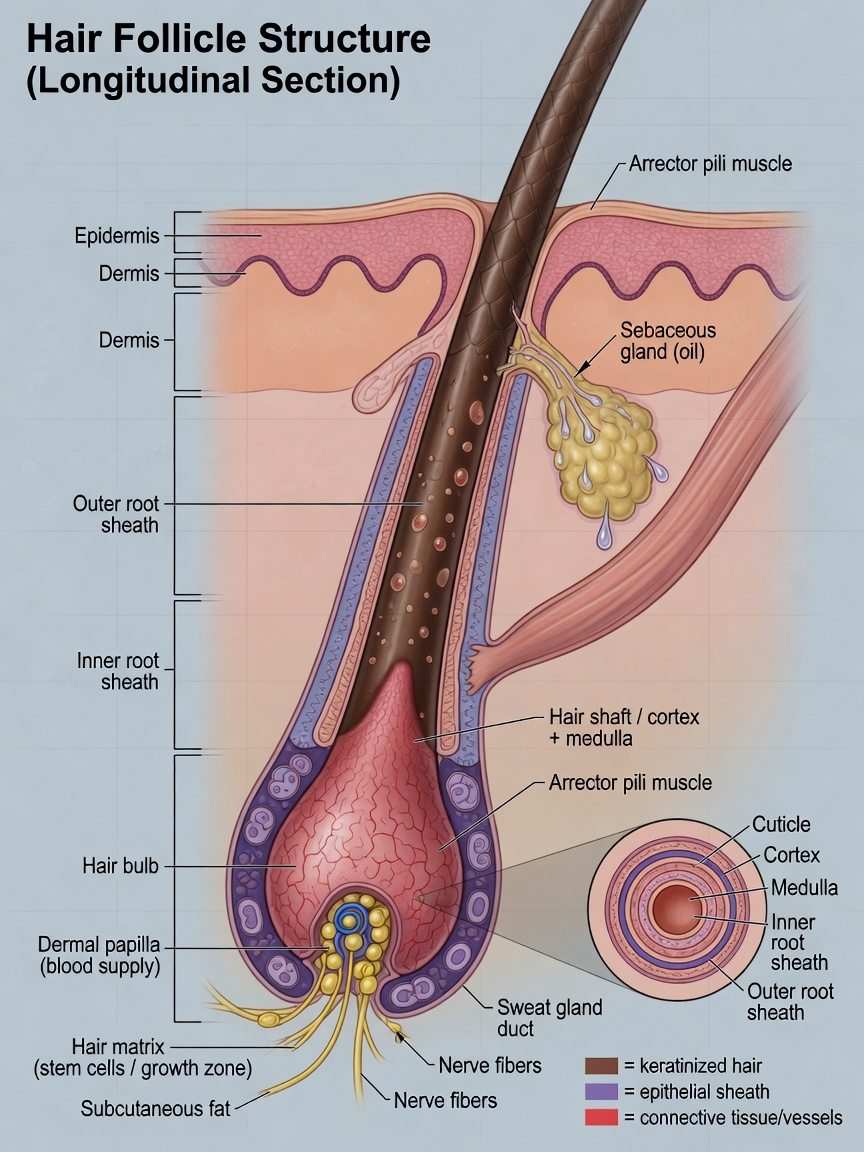
Understanding the “why” sets the stage for what you can do about it. The following sections lay out the exact nutrients and daily habits that move you from Phase 1 (shedding) to Phase 3 (regrowth).
The Timeline: 3-6-9-12 Months
The Bariatric Hair Recovery Timeline follows a predictable three‑phase pattern: Stress Shedding (months 3‑6) – peak shedding, the most alarming but expected phase; Nutrient Gap (months 4‑8) – when deficiencies become pronounced and can delay recovery; and Full Regrowth (months 6‑12) – when hair density gradually returns. The Obesity Action resource notes that hair loss typically begins 3‑6 months post‑op and resolves within 6‑12 months with proper nutrition.
How does this play out in practice? Month 3‑6 brings the most dramatic shedding day‑to‑day. By month 6‑9, you’ll notice fewer strands in your brush and fine vellus hairs – soft, short regrowth – appearing along your hairline. Month 9‑12 is when most patients see visible fullness return. The timeline varies based on your nutrient status and how consistently you follow your supplementation plan.
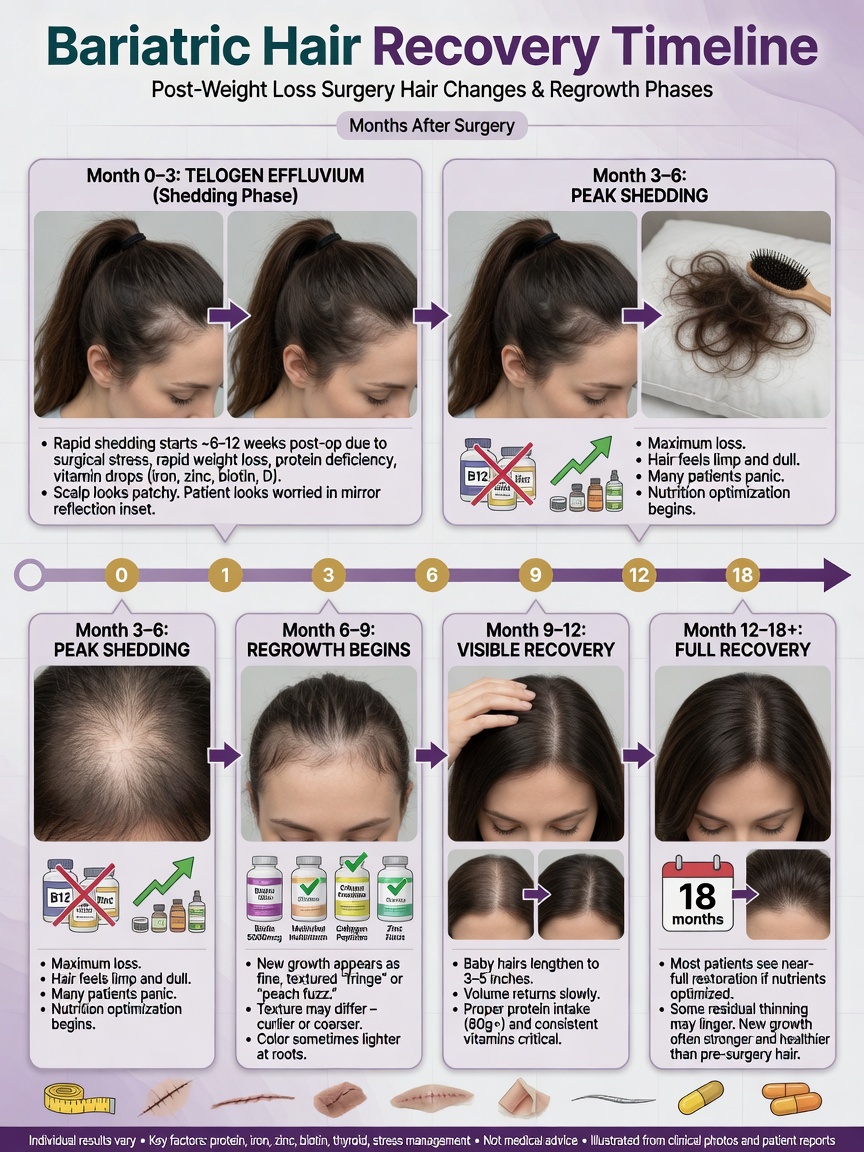
Now that you know the timeline, let’s look at the specific nutrients that fuel the regrowth phase.
Essential Nutrients for Hair Regrowth
This section addresses Phase 2 of the Bariatric Hair Recovery Timeline: the Nutrient Gap. During this window, your body’s increased demand for building blocks collides with reduced absorption capacity, making supplementation critical.
Key Nutrients: Protein, Zinc, Iron, B12
Four nutrients deserve your full attention. A [PENDING INTERNAL LINK: nutrients-hair-regrowth-bariatric-surgery | Anchor: “complete nutrient guide with dosage details” | Status: Awaiting cluster publication] is available in our cluster article, but here’s a quick reference for the daily targets that make the biggest difference:
| Nutrient | Daily Target | Thai Food Sources | Role in Hair Growth |
|---|---|---|---|
| Protein | 60-80g | Grilled fish (pla nueng manao), omelette (kai jeow), tofu | Keratin building block |
| Zinc | 8-15mg | Oysters (hoy nang lai), pumpkin seeds | Cell division, follicle health |
| Iron/Ferritin | 18mg (F) / 8mg (M) | Morning glory (phak boong), beef (neua) | Oxygen delivery to follicles |
| B12 | 500-1000mcg | Eggs, fish (pla tuean) | RBC production, nerve health |
Patients who meet the 60‑80g protein target experience significantly less severe hair loss (ASMBS Clinical Practice Guidelines, 2022). Protein provides the keratin building blocks your hair follicles need to produce new strands. Zinc supports the cell division that drives follicle regeneration. Iron and ferritin ensure adequate oxygen reaches the hair bulb – a critical function when your body is recovering from surgery.
B12 supports red blood cell production and nerve health, both essential for the nutrient delivery system that feeds growing hair. The National Institutes of Health Office of Dietary Supplements notes that post-bariatric patients are at elevated risk for B12 deficiency due to reduced intrinsic factor and gastric acid production.
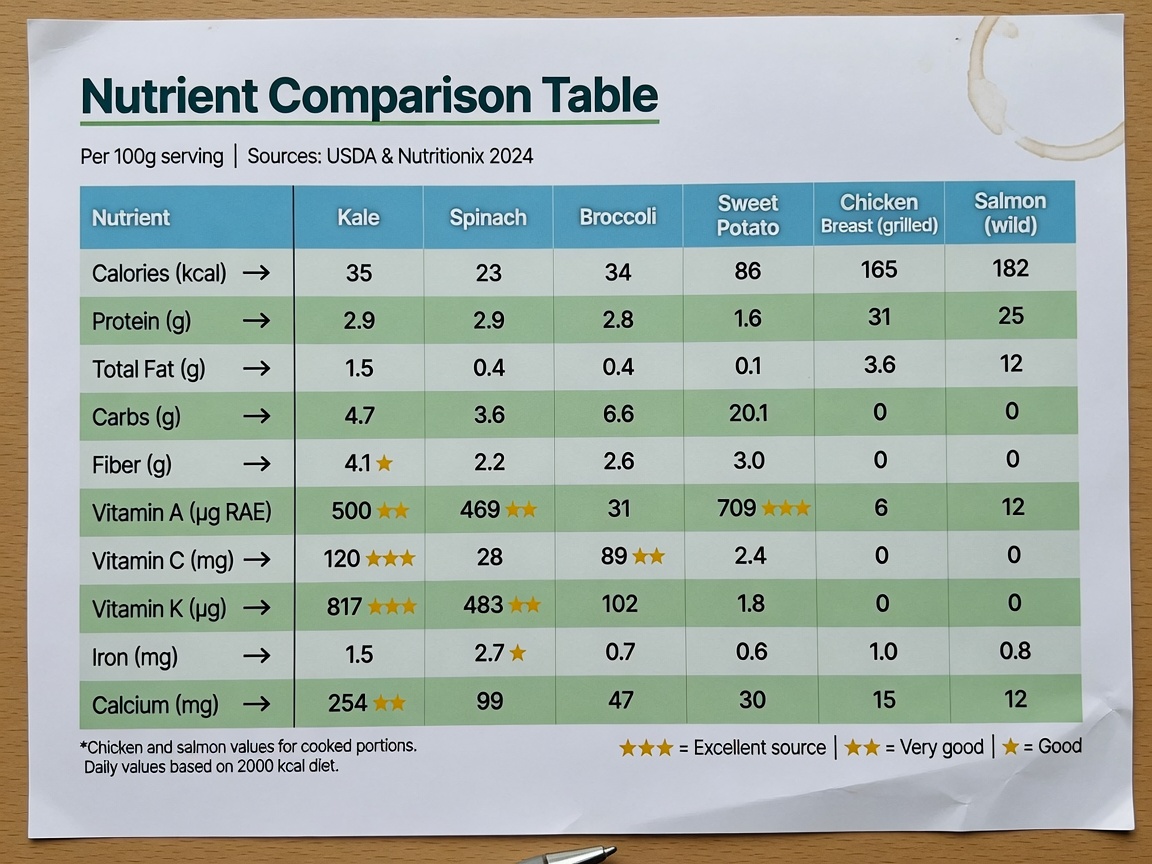
Meeting these targets requires daily intention. In the next section, we’ll turn these nutrients into a manageable daily routine.
Daily Prevention Strategies
Your Daily Action Checklist
The Bariatric Hair Recovery Timeline gives you a clear roadmap. These daily habits support Phase 2 and speed up Phase 3 – here’s how to implement them:
-
Nutrition: Hit your protein target with every meal. Include a Thai‑friendly protein source – grilled fish, omelette, or tofu – at breakfast, lunch, and dinner. Take your multivitamin containing zinc and iron consistently.
-
Hydration: Drink 1.5‑2L of water daily. In Thailand’s hot climate, increase this by 500ml – sweat loss accelerates nutrient depletion and puts additional strain on your kidneys.
-
Gentle Hair Care: Use a mild, sulfate‑free shampoo. Avoid tight ponytails and heat styling. Use a wide‑tooth comb on wet hair. A [PENDING INTERNAL LINK: prevent-hair-loss-bariatric-surgery-daily | Anchor: “full prevention guide with routines” | Status: Awaiting cluster publication] is available in our cluster article for more detailed instructions.
-
Lab Monitoring: Check ferritin, zinc, B12, and vitamin D levels at 3, 6, and 12 months post‑op.
-
Supplements: Follow your surgeon’s plan exactly. Consider sublingual B12 tablets (widely available at Thai pharmacies) and liquid iron if you struggle with absorption – these formulations bypass the digestive system and deliver nutrients directly into your bloodstream.
-
Stress Management: High cortisol levels worsen shedding. Include 10 minutes of mindfulness or light stretching in your daily routine. Chronic stress can prolong the shedding phase, so keeping cortisol in check supports faster regrowth.
Adequate daily protein intake (60‑80g) combined with proper hydration (1.5‑2L) forms the foundation for minimizing hair loss severity during the shedding phase – research in clinical bariatric practice supports this core recommendation.
These general tips are effective everywhere, but living in Thailand presents unique challenges and opportunities. Let’s look at how to adapt them locally.
Thailand‑Specific Considerations for Hair Health
Coping with Thailand’s Climate
Thailand’s climate can prolong Phase 1 of the Bariatric Hair Recovery Timeline if not managed properly. Humidity‑induced scalp perspiration may accelerate nutrient depletion through sweat – a mechanism that affects water‑soluble vitamins like B‑complex and zinc. Dermatological research indicates that excessive scalp perspiration can disrupt the skin barrier and potentially increase transepidermal nutrient loss, particularly in tropical climates. Boost your B‑complex intake and wash your hair with a gentle shampoo as needed, rather than forcing a rigid schedule. In Thailand’s humid climate, washing your hair every other day with a gentle shampoo can prevent scalp buildup while retaining moisture. Use dry shampoo between washes to avoid moisture buildup on the scalp. Avoid tight hairstyles that trap sweat and create a breeding ground for scalp irritation.
A full [PENDING INTERNAL LINK: hair-health-thailand-bariatric-surgery | Anchor: “Thailand‑specific hair care routine” | Status: Awaiting cluster publication] is available in our cluster article for more detailed climate adaptation strategies.
Climate alone doesn’t determine hair health – your diet is the strongest lever. Luckily, Thailand offers abundant hair‑friendly foods.
Thai Foods That Support Hair Growth
Your local market is a goldmine for post‑bariatric hair health. Prioritise these protein‑ and mineral‑rich options:
- Protein sources: Grilled fish (pla nueng manao), eggs (kai jeow), tofu (tao huu), chicken (gai yang) – all provide the 60‑80g daily protein target.
- Iron‑rich: Morning glory (phak boong), beef (neua), dark leafy greens – support ferritin levels above 70 ng/mL.
- Zinc sources: Oysters (hoy nang lai), pumpkin seeds (met fak thong) – deliver 8‑15mg daily for follicle health.
Avoid high‑sodium street food – it increases water retention and puts stress on your kidneys, which already work harder after bariatric surgery.

If your diet isn’t providing enough, local supplements can fill the gap – choose wisely.
Local Supplements and Products
Look for products containing biotin, zinc, and iron in Thai pharmacies. Blackmores Hair, Skin & Nails and Seven Seas Hair & Nails are widely available and affordable options. Avoid megadoses – check with your surgeon first. B12 sublingual tablets (500‑1000mcg) are available at most drugstores. Ask for absorption‑enhanced forms like liquid iron or zinc picolinate if you have malabsorption concerns.
While daily habits and supplements help, it’s equally important to know when hair loss signals a more serious issue.
When to See a Doctor – Limitations & Alternatives
When to See a Specialist
If your hair loss continues beyond 12 months or appears patchy rather than diffuse, consult a dermatologist. Consistent shedding beyond the Bariatric Hair Recovery Timeline’s 12‑month mark suggests an underlying issue beyond telogen effluvium – possibly thyroid dysfunction, iron deficiency anaemia, or alopecia areata. Testing for these conditions requires a full blood panel, not just the standard post‑bariatric nutrient check.
Warning: Excessive supplementation can cause toxicity. Zinc above 40mg daily can actually trigger hair loss. Always discuss significant changes in your hair loss pattern with your bariatric surgeon or a registered dietitian before adjusting your supplement routine.
The Limits of Diet Alone
Bariatric surgery permanently alters absorption for several key nutrients – especially iron, B12, and calcium – which means supplements may not fully restore levels even with perfect adherence. If malabsorption is severe, your doctor may recommend injectable forms (B12 shots, iron infusions) that bypass the digestive tract entirely. Alternative therapies like low‑level laser therapy (LLLT) or topical minoxidil exist, but should only be used under medical guidance. Frame this as informed decision‑making, not discouragement – knowledge of these limits lets you work proactively with your healthcare team.
Beyond these common boundaries, keep in mind that each patient’s recovery is unique. Regular communication with your bariatric team ensures you address any unexpected changes promptly, and combining professional oversight with a consistent daily routine gives you the best chance at full regrowth within the expected 6‑12 month window.
Conclusion
For post‑bariatric patients in Thailand, hair loss after bariatric surgery follows a predictable timeline and is reversible in most cases. By understanding the Bariatric Hair Recovery Timeline, prioritising protein and the critical four nutrients (zinc, iron, folate, B12), and adapting daily habits to Thailand’s climate, you can significantly reduce shedding and support regrowth within 6‑12 months.
The Bariatric Hair Recovery Timeline isn’t just a theory – it’s a practical roadmap that connects the biological stress of surgery to the nutrient gaps that follow. Use it to stay ahead of the curve: during Phase 1 (shedding), focus on protein and gentle care; during Phase 2 (nutrient gap), double down on lab‑guided supplementation; and by Phase 3 (regrowth), enjoy the results.
Start today by reviewing your protein intake (60‑80g daily), scheduling a lab panel for ferritin, zinc, and B12, and exploring our cluster articles on Thai‑friendly foods. Your hair – and your confidence – will thank you.