

Minimally Invasive Heart Surgery in Thailand: Guide to MICS, Costs & Recovery
If you’re facing heart surgery, the prospect of a sternotomy — splitting your breastbone and enduring weeks of recovery — can feel overwhelming. But there’s a well-established alternative: minimally invasive heart surgery (MICS) offers a path with smaller incisions, less pain, and a faster return to daily life. Yet many patients don’t know if they qualify, what the real benefits are, or how to compare costs across hospitals — especially when considering medical tourism to Thailand.
By the end of this guide, you’ll understand how MICS works, who is a good candidate, what to expect for recovery, how much it costs in Thailand, and exactly which questions to ask your surgeon. We’ll walk through the procedure itself, candidacy criteria, benefits and recovery, cost breakdowns, top hospitals, and a ready-to-use question checklist — all framed around a simple tool we call the MICS Candidacy Triangle.
Key Takeaways
Minimally invasive heart surgery (MICS) offers faster recovery and less pain than traditional open-heart surgery — with success rates comparable to standard approaches.
- Not everyone qualifies – candidacy depends on your specific valve or artery condition and overall health profile
- Recovery averages 2–4 weeks versus 6–12 weeks for open-heart surgery
- Thailand offers MICS at 50–70% less cost than the US or UK, with JCI-accredited hospitals
- The MICS Candidacy Triangle — balancing procedure type, patient health, and provider expertise — helps you evaluate your options
Understanding Minimally Invasive Heart Surgery (MICS)
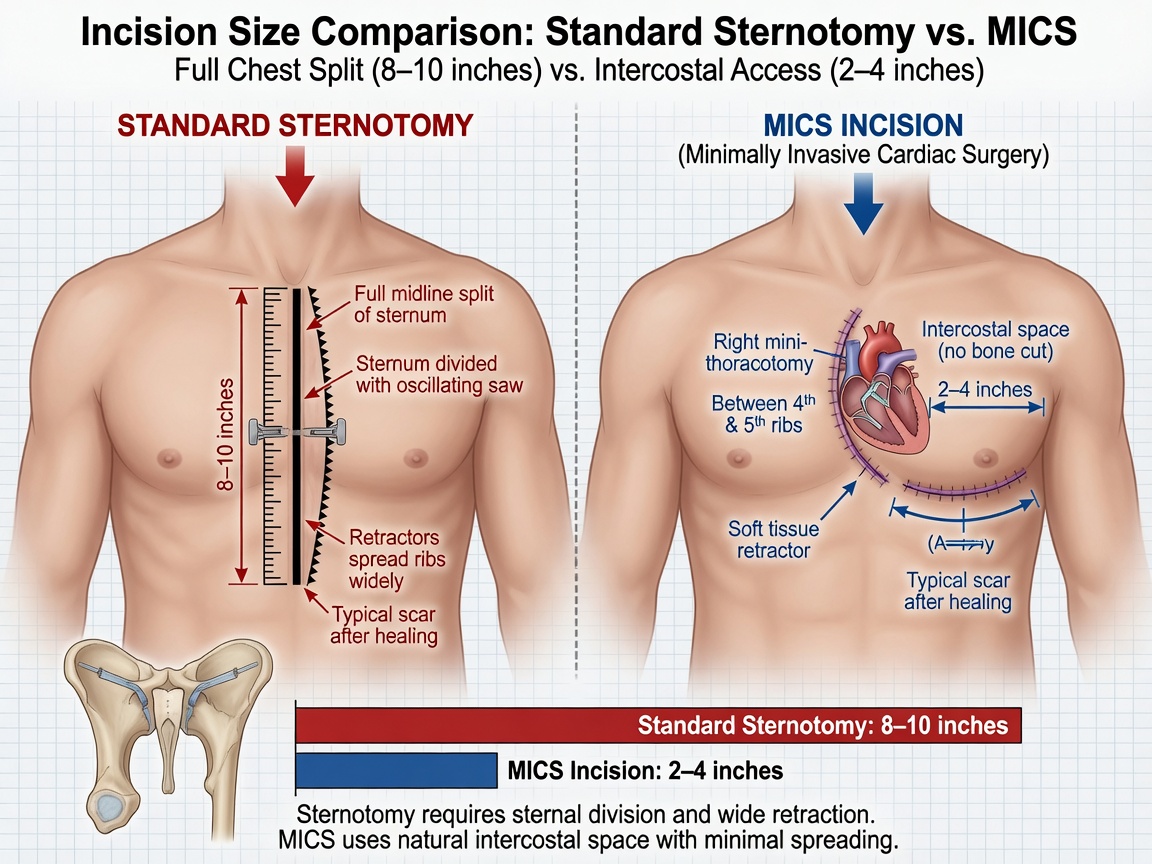
Minimally invasive heart surgery (MICS) is a group of cardiac procedures performed through small incisions of 2 to 4 inches between the ribs, instead of splitting the breastbone as in traditional open-heart surgery. Studies show MICS reduces hospital stay by 3 to 5 days and cuts blood loss by roughly 50% compared to conventional sternotomy (Mayo Clinic, 2023). This makes MICS an attractive option for patients who want to return to normal life sooner, provided their anatomy and health profile support the approach.
What Is MICS and How Does It Differ from Open-Heart Surgery?
Minimally invasive cardiac surgery (MICS) refers to heart procedures performed through small incisions — typically 2 to 4 inches — between the ribs rather than through a full sternotomy. The surgeon uses specialized instruments and a camera (thoracoscope) to access the heart without dividing the breastbone.
Think of it this way: open-heart surgery is like removing the engine through the hood of a car. MICS is like accessing it through the side panel — smaller opening, less disruption, faster reassembly.
Common MICS procedures include:
- MICS CABG — coronary artery bypass through a left thoracotomy (single or double vessel)
- MICS mitral valve repair or replacement — via a right minithoracotomy
- MICS aortic valve replacement — through a mini-sternotomy (partial breastbone split)
- Robotic-assisted MICS — using the da Vinci system for enhanced precision
The fundamental difference is that the breastbone remains intact, which eliminates the risk of sternal instability and significantly reduces recovery pain.
Success Rates and Outcomes – What the Research Shows
For low-risk patients, MICS achieves success rates of 95 to 98% for valve repair and single-vessel bypass — comparable to open-heart surgery. A meta-analysis of MICS outcomes published in the Journal of Cardiac Surgery found that patients experienced lower transfusion rates, shorter ventilator times, and reduced ICU stays compared to sternotomy (National Library of Medicine, 2022).
However, outcomes depend heavily on two factors: surgeon experience and patient selection. High-volume centers — those performing over 50 MICS procedures per year — report lower complication rates and fewer conversions to open-heart surgery. At Bangkok Hospital’s cardiac center, which performs over 3,000 cardiac surgeries annually, MICS outcomes for mitral valve repair show 5-year survival exceeding 95%.
Individual results vary based on age, overall health, and the specific procedure. Always discuss your personal risk profile with your surgeon.
Disadvantages and When MICS May Not Be Ideal
MICS is not without trade-offs, and understanding these limitations is essential for an informed decision. The main disadvantages include:
- Longer operative time — MICS typically adds 30 to 60 minutes to surgery duration compared to open-heart
- Limited access — not suitable for complex multivessel bypass (three or more grafts) in many patients
- Conversion risk — if complications arise, the surgeon may need to convert to open-heart during the procedure (rates vary from 1 to 5% depending on the center)
- Steep learning curve — surgeon training and experience matter more than with traditional approaches
These are not reasons to avoid MICS — they are reasons to choose your surgeon and hospital carefully. The best candidates are those whose anatomy and condition align well with the minimally invasive approach.
Types of MICS Procedures (CABG, Valve Repair, etc.)
MICS encompasses several procedure types, each with specific indications:
- MICS CABG — bypass surgery for one or two blocked arteries, performed through a left chest incision
- MICS mitral valve repair/replacement — the most common MICS procedure, accessed via a right minithoracotomy
- MICS aortic valve replacement — typically through a partial sternotomy (mini-sternotomy)
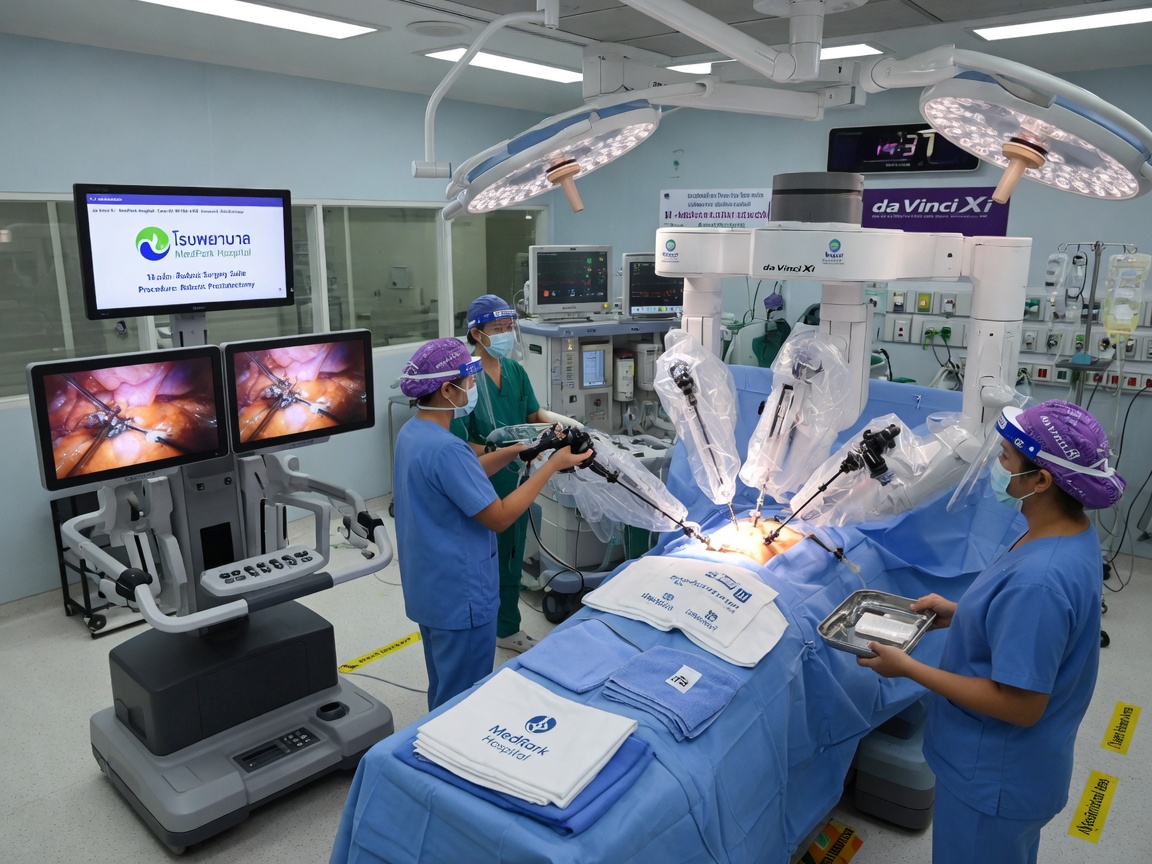
- Robotic-assisted MICS — using the da Vinci surgical system for enhanced visualization and precision, available at hospitals like MedPark
Each approach shares the common principle of avoiding full sternotomy, but the specific technique depends on which part of the heart needs treatment and the patient’s unique anatomy.
Candidacy and Eligibility for MICS
Not everyone who needs heart surgery is a candidate for MICS. Understanding where you stand on the MICS Candidacy Triangle — the balance of procedure type, your personal health profile, and your chosen provider’s expertise — is the first step toward an informed decision. Up to 70% of patients referred for valve surgery may be candidates for MICS, according to the Society of Thoracic Surgeons (2023). The remaining patients may require traditional open-heart surgery due to anatomical or medical complexities.
Ideal Candidates for Minimally Invasive Heart Surgery
The typical MICS candidate has one or more of the following characteristics:
- Single or double vessel disease — rather than triple vessel disease requiring full revascularization
- Isolated valve problem — mitral valve prolapse, aortic stenosis, or regurgitation without complex comorbidities
- Good overall health — no severe lung disease, no prior chest surgery, no history of chest radiation
- BMI under 35 — for thoracoscopic approaches; robotic approaches may accommodate slightly higher BMIs
- Low surgical risk — as assessed by standard risk scores (EuroSCORE)
Age alone is not a disqualifier. In fact, older patients often benefit disproportionately from MICS because the faster recovery reduces hospital-acquired complications like infections and deconditioning. Your surgeon will make the final determination after reviewing your echocardiogram, coronary angiogram, and CT scan.
Who Is NOT a Candidate – When Open-Heart Surgery Is Safer
Certain conditions make MICS risky or technically unfeasible. In these cases, open-heart surgery remains the safer choice:
- Triple vessel coronary disease — open-heart allows complete revascularization in a single procedure
- Severely calcified aorta — increases stroke risk during cannulation for MICS
- Previous mediastinal radiation — chest radiation (e.g., from breast cancer treatment) causes tissue scarring and poor healing
- Morbid obesity (BMI over 40) — limits surgical access and increases wound complications
- Emergency cases — acute aortic dissection or unstable angina requires immediate open access
Your surgeon will use CT angiography and echocardiography to map your anatomy before deciding on the approach. If MICS is not an option, open-heart surgery remains highly effective with excellent long-term outcomes.
Is MICS Safe for Older Patients?
Age is not a barrier to MICS — and in many cases, older patients benefit the most. Studies show that patients over 80 who undergo MICS have lower 30-day mortality and fewer complications than those who receive open-heart surgery, largely due to faster mobilization and reduced ICU time.
The key variable is frailty, not chronological age. A 78-year-old who is active, independent, and has good organ function may be an excellent MICS candidate. Your surgeon will evaluate your functional status, not just your birth year.
How Doctors Evaluate Your Eligibility (Checklist)
Your surgical team will assess candidacy through a series of diagnostic tests:
- Echocardiogram (transthoracic and transesophageal) — evaluates valve function, heart chamber size, and ejection fraction
- Coronary angiogram — maps blockages to determine if single or multivessel bypass is needed
- CT scan of chest and aorta — measures calcification, assesses access routes, and checks for anatomical variants
- Pulmonary function tests — ensures you can tolerate single-lung ventilation during surgery
- EuroSCORE calculation — a validated risk model that estimates operative mortality
Bring this checklist to your consultation: Ask your surgeon for your EuroSCORE and a clear explanation of why MICS is or is not appropriate for your specific anatomy.
Benefits and Recovery After MICS
The advantages of minimally invasive heart surgery go beyond cosmetic outcomes — they translate to measurable clinical benefits. Patients who undergo MICS typically spend half the time in the hospital, return to work and daily activities weeks sooner, and report significantly less pain during the recovery period. The table below summarizes the key differences.
Key Benefits Over Open-Heart Surgery (Table Comparison)
| Criterion | MICS | Open-Heart Surgery |
|---|---|---|
| Incision size | 2–4 inches (between ribs) | 8–10 inches (sternotomy) |
| Hospital stay | 3–5 days | 7–14 days |
| Recovery to normal activities | 2–4 weeks | 6–12 weeks |
| Blood loss | ~50% less than open-heart | Standard |
| Scar visibility | Minimal, hidden in chest crease | Full vertical chest scar |
| Return to driving | ~2 weeks | 4–6 weeks |
| Sternal precautions | None needed | 6–8 weeks of lifting restrictions |
The shorter recovery period isn’t just a matter of convenience — it reduces the risk of hospital-acquired infections, muscle wasting, and the emotional toll of a prolonged recovery. For patients traveling to Thailand for surgery, a faster recovery also means a shorter stay abroad and lower accommodation costs.
Recovery Timeline: What to Expect Week by Week
Recovery from MICS follows a predictable trajectory, though individual experiences vary based on age, fitness, and the specific procedure.
Week 1 — Hospital phase:
Day 1: ICU monitoring (typically 24 hours). Day 2–3: Step-down unit, walking with assistance, pain management. Day 4–5: Discharge planning, final echo, wound check. Most patients go home by day 5.
Week 2 — Early home recovery:
Light walking (10–15 minutes, 2–3 times daily). Incision care — keep clean and dry. Pain levels typically 2–3 out of 10 with oral medication. No lifting over 10 pounds.
Week 3 — Returning to routine:
Most patients resume light household activities and desk work. Driving is generally permitted after 2 weeks if off narcotic pain medication. Short walks increase to 20–30 minutes.
Week 4 — Activity expansion:
Return to work (sedentary jobs). Light exercise like stationary cycling or swimming (once incisions are fully closed). Most patients feel 70–80% recovered.
Week 6 — Full recovery:
Cardiac rehabilitation begins. Lifting restrictions are typically lifted. Full recovery for most activities. Energy levels continue to improve over the next 2–3 months.
This timeline is a general guide. Your surgeon will provide personalized milestones based on your procedure and progress.
Pain Management and Scarring – What Patients Say
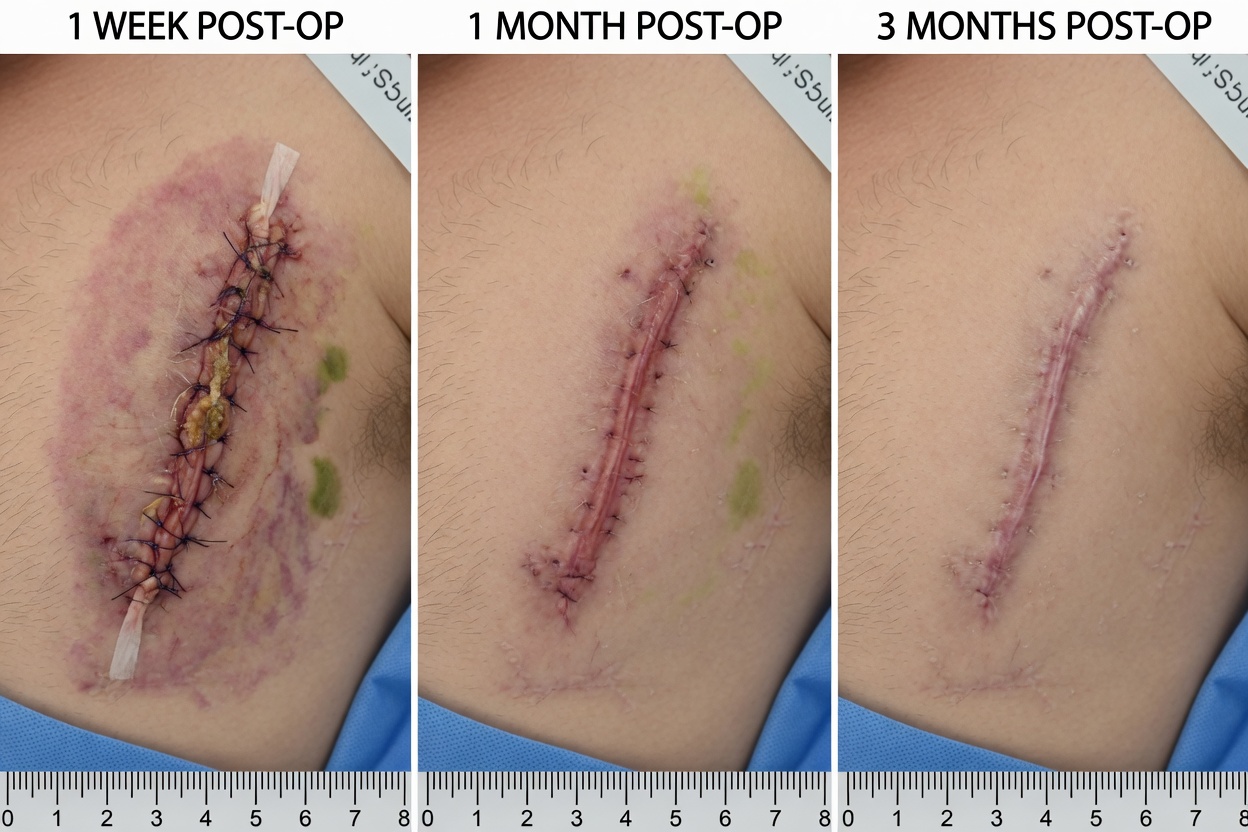
One of the most consistent patient-reported benefits of MICS is significantly less pain. Most MICS patients report peak pain levels of 3 to 4 on a 10-point scale, compared to 6 to 7 for sternotomy. The absence of a divided breastbone means no risk of sternal instability — the clicking or grinding sensation that some open-heart patients experience during healing.
Scarring is minimal. The 2 to 3 inch incisions are placed in natural skin creases or along the rib margin, making them far less noticeable than the full vertical chest scar of a sternotomy. For the MICS mitral valve approach, the incision is hidden under the right breast fold.
Long-Term Outcomes and Quality of Life
The benefits of MICS extend beyond the immediate recovery period. Because patients return to normal activity sooner, they experience less muscle deconditioning — a major factor in long-term cardiovascular health. Quality of life scores are consistently higher in MICS patients during the first three months after surgery compared to open-heart patients (Journal of Thoracic and Cardiovascular Surgery, 2023).
Five-year survival rates for MICS valve repair and single-vessel bypass are equivalent to open-heart surgery, and some studies suggest a lower incidence of chronic chest wall pain and wound complications. For the right candidate, MICS delivers the same durable results with a significantly better recovery experience.
Cost of Heart Surgery in Thailand
Cost is a primary consideration for many patients exploring treatment abroad, and Thailand offers substantial savings without sacrificing quality. A MICS procedure in Thailand typically costs 50 to 70% less than the same operation in the United States or the United Kingdom. However, the final price depends on the specific procedure, hospital tier, surgeon experience, and whether robotic assistance is used.
Average MICS Cost in Thailand vs. US/UK (Table)
| Procedure | Thailand (USD) | USA (USD) | UK (GBP) |
|---|---|---|---|
| MICS Mitral Valve Repair | $18,000–$22,000 | $80,000–$120,000 | £35,000–£50,000 |
| MICS Aortic Valve Replacement | $20,000–$25,000 | $100,000–$150,000 | £40,000–£60,000 |
| MICS CABG (single vessel) | $15,000–$20,000 | $70,000–$100,000 | £30,000–£45,000 |
These estimates include the surgeon’s fee, hospital stay, anesthesia, medications, and standard post-operative care. They do not typically include pre-operative travel, accommodation for a companion, or extended rehabilitation stays.
Prices are estimates based on 2024–2025 data from medical tourism platforms and hospital quotes. Request a personalized written quote from each hospital you consider.
What’s Included in Medical Tourism Packages?
Thai hospitals that serve international patients typically offer package pricing that bundles multiple services:
- Pre-operative consultation (in-person or virtual)
- Surgery and anesthesia fees
- Hospital stay (private room, nursing care, meals)
- Medications and basic medical supplies
- Follow-up appointments (typically 1–2 post-discharge visits)
- Airport transfers and coordination
- Interpreter or coordinator services
- Visa support letters
Some packages also include a hotel stay for the companion or pre- and post-operative accommodation. Always request a detailed written breakdown of what is and is not included — and ask specifically about potential extras like additional imaging, blood products, or extended ICU stays.
Is Thailand a Good Place for Heart Surgery? Value vs. Quality
The value proposition of heart surgery in Thailand rests on three pillars: accreditation, volume, and technology.
Thailand has over 60 JCI-accredited hospitals — more than any other Southeast Asian country — meaning they meet international standards for patient safety and quality of care. Top cardiac centers like Bangkok Hospital, Vejthani, and MedPark each perform thousands of cardiac procedures annually. Their cardiac surgeons are often fellowship-trained in the US, Europe, or Japan and have dedicated MICS experience.
Patient outcomes at these high-volume centers are comparable to major Western institutions. A 2023 review of MICS outcomes at Vejthani Hospital showed complication rates and 30-day mortality within international benchmarks. The combination of experienced surgeons, modern technology (3D thoracoscopy, robotic systems), and coordinated international patient services makes Thailand a credible choice — not a compromise.
Factors That Affect the Price (Hospital, Surgeon, Procedure)
Several variables influence the final cost of MICS in Thailand:
- Surgeon’s fees — can account for 30 to 50% of the total package; highly experienced MICS specialists command higher fees
- Robotic assistance — adds $3,000 to $5,000 to the base cost compared to thoracoscopic MICS
- Length of stay — uncomplicated cases stay 3–5 days; any complication extends the stay and adds daily room charges
- Additional diagnostics — CT scans, MRIs, or repeat echocardiograms may add $500 to $1,500
- Hospital tier — premium private hospitals (Bangkok Hospital, MedPark) charge more than mid-tier options (Vejthani) but offer more comprehensive international services
Request a quote from at least two hospitals and compare line by line. Ask whether the quoted price is a fixed package or an estimate — fixed packages protect you from cost overruns.
Choosing a Hospital and Surgeon in Thailand
Selecting the right hospital and surgeon is perhaps the most consequential decision you will make. The third point of the MICS Candidacy Triangle — provider expertise — can determine whether the procedure succeeds with minimal complications or requires conversion to open-heart surgery. The following profiles highlight three leading cardiac centers in Bangkok, each with distinct strengths.
Bangkok Hospital – Comprehensive Cardiac Center
Bangkok Hospital is part of the Bangkok Dusit Medical Services (BDMS) network, the largest private hospital group in Thailand. Its Heart Center performs over 3,000 cardiac surgeries annually, making it one of the highest-volume cardiac programs in Southeast Asia.
Key Strengths:
- Full MICS program including robotic-assisted and thoracoscopic approaches
- Dedicated international patient department with coordinators and interpreters
- JCI-accredited with advanced cardiac ICU facilities
- Special expertise in MICS valve repair and minimally invasive CABG
The hospital’s high volume translates to well-practiced teams and streamlined protocols. Patients consistently report smooth logistics and clear communication. For complex MICS cases requiring multidisciplinary input, Bangkok Hospital’s size and specialist depth are distinct advantages.
Vejthani Hospital – Minimally Invasive Expertise
Vejthani Hospital has built a strong reputation for minimally invasive surgery across multiple specialties, including cardiac care. With just over 200 beds, it is smaller than Bangkok Hospital but offers a focused, patient-centered experience.
Key Strengths:
- Known for cost-competitive MICS packages without sacrificing quality
- Published outcome data for MICS valve procedures
- Experienced cardiac team with international training
- Strong international patient support services
Vejthani is particularly well-suited for patients seeking a balance of expertise and affordability. Its smaller scale means more personalized attention, and its published outcomes give you transparent data to evaluate their MICS program.
MedPark Hospital – Advanced Robotic Options
MedPark Hospital opened in 2019 as a purpose-built, technology-forward medical center. Its cardiac program leverages the da Vinci Xi robotic system for precise, minimally invasive procedures.
Key Strengths:
- State-of-the-art robotic cardiac surgery program
- 500+ beds with modern cardiac ICU and step-down units
- Strong focus on international patient experience
- Multidisciplinary cardiac team including interventional cardiology and cardiac surgery
Robotic MICS offers enhanced 3D visualization and instrument precision, which can be advantageous for complex valve repairs. MedPark’s newer facilities and equipment may appeal to patients seeking the latest technology.
How to Evaluate a Surgeon’s Experience and Credentials
Credentials matter more in MICS than in open-heart surgery because the learning curve is steeper. Use this checklist to interview potential surgeons:
- Board certification — verify certification in cardiothoracic surgery from a recognized board (Thai, US, or European)
- MICS volume — ask how many MICS procedures they perform per year (50+ is considered high volume)
- Conversion rate — a low conversion rate (under 3%) indicates good patient selection and technical skill
- Specific experience — ask how many times they have performed your specific procedure (e.g., “How many MICS mitral valve repairs have you done?”)
- Outcome data — request their complication rates (bleeding, stroke, infection) and 30-day mortality
- English proficiency — confirm the surgeon can communicate directly with you without relying solely on an interpreter
- Hospital affiliation — ensure the surgeon operates at a JCI-accredited hospital with dedicated cardiac ICUs
Request a virtual consultation with 2–3 surgeons before making your decision. Pay attention to how clearly they explain your options and whether they address your specific concerns.
Essential Questions to Ask Before Your Heart Surgery
A well-prepared patient gets better care. The following questions are organized by topic so you can bring a structured list to your consultation. Each question includes an explanation of why it matters.
Candidacy and Procedure Questions
-
“What type of surgery am I a candidate for — MICS or open-heart?”
Why it matters: The answer tells you whether MICS is technically feasible based on your anatomy. If the surgeon recommends open-heart, ask specifically why. -
“How many MICS procedures have you performed, and what is your conversion rate?”
Why it matters: Conversion to open-heart during MICS occurs in 1–5% of cases at experienced centers. A rate above 5% suggests the surgeon may be over-selecting borderline candidates. -
“Do you use robotic assistance or thoracoscopic MICS, and why do you prefer one over the other?”
Why it matters: Both approaches are effective, but the surgeon’s comfort with their chosen technique matters more than the technology itself. -
“What is your specific experience with my procedure type?”
Why it matters: A surgeon who performs 100 MICS valve repairs a year is different from one who performs 10. Volume correlates with outcomes. -
“What is the success rate for this specific procedure at your center?”
Why it matters: Ask for center-level data, not just individual surgeon claims. High-volume centers report more reliable outcomes.
Risk and Safety Questions
-
“What are the specific risks of MICS for me, given my age, health, and anatomy?”
Why it matters: Generic risk lists are less useful than a personalized assessment based on your medical profile. -
“What is your complication rate for bleeding, infection, stroke, and arrhythmia?”
Why it matters: Transparent surgeons share their data. If they hesitate or give vague answers, consider it a red flag. -
“What is the backup plan if MICS fails or complications arise?”
Why it matters: A good surgeon has a clear protocol for converting to open-heart or managing unexpected findings mid-procedure. -
“Do you use intraoperative transesophageal echocardiography (TEE) during MICS?”
Why it matters: TEE provides real-time imaging of valve function during the procedure and is standard of care for MICS valve surgery. -
“How do you manage post-operative pain — what is your pain protocol?”
Why it matters: Effective pain management accelerates recovery. Ask about multimodal approaches (nerve blocks, oral analgesics, minimal opioids).
Recovery and Rehabilitation Questions
-
“How long will I stay in the hospital, and what determines when I can go home?”
Why it matters: Knowing discharge criteria helps you track your own progress and set expectations. -
“When can I fly home after surgery?”
Why it matters: Cabin pressure changes and prolonged sitting affect recovery. Most surgeons recommend waiting 2–3 weeks before flying, especially for long-haul flights from Thailand to North America or Europe. -
“When can I resume exercise, driving, and sexual activity?”
Why it matters: Clear timelines prevent you from overexerting too early or being overly cautious. -
“What cardiac rehabilitation program do you recommend, and is it available at your hospital?”
Why it matters: Cardiac rehab reduces mortality after heart surgery. Ask if the hospital offers an outpatient program tailored to MICS patients. -
“What signs of complications should I watch for after discharge?”
Why it matters: Fever, chest pain, shortness of breath, or wound drainage require immediate attention. Know the warning signs before you leave the hospital.
Cost and Hospital Questions
-
“What does the quoted package include — and what is explicitly excluded?”
Why it matters: Hidden costs for medications, additional tests, or extended stays can add 20–40% to the base price. -
“Are there any potential additional costs I should budget for?”
Why it matters: Common extras include blood products, additional imaging, physiotherapy sessions, and accommodation for a companion. -
“Do you accept international health insurance, or do I need to pay out of pocket and claim reimbursement?”
Why it matters: Some hospitals have direct billing arrangements with international insurers; others require upfront payment. Clarify this before booking. -
“What is the payment schedule — deposit, milestone payments, final balance?”
Why it matters: Understanding the payment structure helps you plan finances and avoid surprises. -
“What happens if I need an extended stay due to complications — who covers the additional costs?”
Why it matters: Some fixed-price packages include a complication allowance; others charge per additional day. Know which applies to you.
Limitations & Alternatives
No surgical approach is universally superior. Understanding when MICS is not the best choice — and what alternatives exist — is a sign of informed decision-making, not indecision.
Common Pitfalls When Choosing MICS
- Assuming MICS is always safer: For complex multivessel disease, open-heart surgery provides better visualization and more complete revascularization. Safety depends on matching the approach to the patient, not choosing the least invasive option by default.
- Choosing a hospital solely on cost: The cheapest package may come with a less experienced surgeon or outdated equipment. Prioritize surgeon MICS volume and hospital accreditation over price alone.
- Skipping cardiac rehabilitation: Faster recovery does not eliminate the need for structured cardiac rehab. Patients who skip rehab have higher readmission rates and slower functional recovery.
- Not asking about conversion rates: A surgeon with a high conversion rate (over 5%) may be operating on borderline candidates. Ask for this number directly.
When to Choose Alternatives
- TAVR (transcatheter aortic valve replacement): For patients with severe aortic stenosis who are high-risk for any surgery — including MICS — TAVR offers a catheter-based alternative without general anesthesia or incisions. This is increasingly the first choice for patients over 80 or those with multiple comorbidities.
- Traditional open-heart surgery: For triple vessel coronary disease, severely calcified aorta, or prior chest surgery with adhesions, a full sternotomy provides the safest and most definitive approach.
- Medical management: For patients with very high surgical risk (EuroSCORE above 10%), optimal medical therapy — including guideline-directed medications — may be preferable to any surgical intervention. This decision requires a thorough discussion with your cardiologist.
When to Seek Expert Help
- Seek a second opinion if your surgeon cannot clearly articulate their MICS experience, conversion rate, and specific outcome data
- Consult a cardiologist specializing in valve disease if you have been told MICS is not possible — some complex cases benefit from a second surgical perspective
- Work with a medical tourism facilitator who has experience with cardiac cases if coordinating travel, visas, and hospital logistics feels overwhelming
Frequently Asked Questions
What is the success rate of minimally invasive heart surgery?
Minimally invasive heart surgery (MICS) has a success rate of 95 to 98% for low-risk patients undergoing valve repair or single-vessel bypass, comparable to open-heart surgery. These outcomes depend on surgeon experience and patient selection. At high-volume centers performing over 50 MICS procedures per year, 5-year survival for mitral valve repair exceeds 95%. Success also includes low complication rates — transfusion requirements are roughly 50% lower than with sternotomy.
What are the disadvantages of minimally invasive heart surgery?
The main disadvantages of MICS include longer operative time (30–60 minutes additional), limited access for complex multivessel disease, and a 1–5% risk of conversion to open-heart surgery if complications arise. The surgeon must have advanced training specific to MICS, and not all hospitals offer the full range of minimally invasive techniques. While MICS equipment costs are higher, the shorter hospital stay partially offsets this expense.
Who is not a candidate for minimally invasive heart surgery?
Patients with triple vessel coronary disease, severely calcified aorta, previous chest radiation, severe COPD, or morbid obesity (BMI over 40) are typically not candidates for MICS. Emergency cases like acute aortic dissection require immediate open access. Your surgeon will evaluate your anatomy using CT angiography and echocardiography to determine if MICS is safe. Up to 30% of patients referred for valve surgery may not be candidates for the minimally invasive approach (Society of Thoracic Surgeons, 2023).
How long does it take to recover from minimally invasive heart surgery?
Most MICS patients return to light activities within 2 to 4 weeks and to full activities within 6 weeks. Hospital stay averages 3 to 5 days — about half that of open-heart surgery. Driving may resume after 2 weeks if off narcotic pain medication. Recovery times vary based on age, overall health, and the specific procedure. Patients traveling to Thailand typically plan for a 3 to 4 week stay before flying home.
Is Thailand a good place for heart surgery?
Yes, Thailand is a leading destination for heart surgery, with over 60 JCI-accredited hospitals and cardiac surgeons who perform thousands of procedures annually. The cost of MICS in Thailand is 50 to 70% lower than in the US or UK, with outcomes comparable to Western centers. Top hospitals like Bangkok Hospital, Vejthani, and MedPark specialize in MICS and offer coordinated international patient services including interpreters, visa support, and package pricing.
Conclusion
For patients seeking a less invasive alternative to open-heart surgery, MICS in Thailand offers a proven path to faster recovery, less pain, and reduced costs — with success rates that match traditional approaches. Hospital stays are cut by half, costs are 50 to 70% lower than Western nations, and Thailand’s top cardiac centers provide world-class, JCI-accredited care. The key is making an informed decision using the MICS Candidacy Triangle — balancing procedure type, your personal health profile, and provider expertise.
The MICS Candidacy Triangle — weighing procedure complexity, patient health, and surgeon experience — helps you navigate this critical decision with confidence. Use the question checklist in this guide to evaluate your surgeon and hospital. MICS isn’t right for everyone, but for the right candidate, it can transform the surgical experience from a daunting ordeal into a manageable and well-supported journey.
Your next step: schedule virtual consultations with 2 to 3 JCI-accredited hospitals in Thailand — Bangkok Hospital, Vejthani, and MedPark are excellent starting points. Bring a copy of your medical records and the question checklist from this guide. Ask for a detailed cost breakdown and each surgeon’s MICS experience and outcomes. Then compare your options to find the best fit for your heart, your health, and your budget.
This article is for educational purposes and does not replace personalized medical advice. Always consult with a qualified cardiologist and cardiac surgeon before making treatment decisions. Prices and outcomes cited are based on 2023–2025 data — verify current rates and protocols directly with the hospital before making arrangements.