
Sleep Apnea Surgery in Thailand: UPPP, Recovery & Costs
If you’ve struggled with CPAP — the mask, the noise, the leaks — you’re not alone. Nearly 30% of sleep apnea patients stop using CPAP within the first year (AASM, 2023). That leaves millions without effective treatment, facing health risks like high blood pressure, heart disease, and daytime fatigue. In this guide, you’ll learn which surgical options — UPPP, MMA, nasal surgery, and nerve stimulation — can help, how they interact with CPAP, what recovery looks like, and why Thailand has become a leading destination for these procedures, with costs backed by systematic reviews. We’ll start with the role of surgery, then dive into each option, cost comparisons, and recovery timelines, so you can make an informed decision with your ENT specialist.
Key Takeaways
Sleep apnea surgery in Thailand offers a cost-effective alternative to Western countries, with UPPP reducing AHI by 45-50% in about 55% of patients (PubMed meta-analysis, 2019).
- UPPP works best for palatal-level obstruction; success rates vary by anatomy
- Nasal surgery improves CPAP compliance by 1.5 hours/night (PubMed systematic review, 2018)
- Costs in Thailand are 50-70% lower than in the US for equivalent procedures
Why Consider Sleep Apnea Surgery?
If CPAP is the gold standard, why consider surgery at all? The reality is that CPAP fails for a significant portion of patients — not because the therapy doesn’t work, but because people cannot tolerate it night after night. Surgery addresses the anatomical obstruction directly, potentially reducing or eliminating the need for positive airway pressure. Understanding when surgery becomes appropriate requires looking at both CPAP failure rates and candidacy criteria.
When Surgery Becomes an Option
CPAP is the first-line treatment for obstructive sleep apnea, but nearly one in three patients cannot maintain long-term compliance. The AASM guidelines recommend considering surgery after CPAP failure or intolerance, not as a first approach. Surgical options aim to enlarge and stabilize the airway at specific obstruction sites — the palate, tongue base, or nasal passages. The goal is not necessarily to eliminate CPAP entirely, but to reduce pressure requirements and improve tolerance. For a closer look at what [UPPP surgery involves](PENDING INTERNAL LINK: uppp-surgery-basics), see our dedicated guide. Next, we’ll examine the most common procedure — UPPP — in more detail.
Understanding UPPP and Its Role
Uvulopalatopharyngoplasty, or UPPP, is the most widely performed surgical procedure for obstructive sleep apnea. It targets the soft palate, uvula, and tonsils to widen the retropalatal airway. While UPPP has been around for decades, its effectiveness varies considerably based on patient selection. This section covers what UPPP involves, what the research says about success rates, and how to prepare.
What Is UPPP?
UPPP involves the surgical removal of the uvula, portions of the soft palate, and the tonsils to create a wider opening at the back of the throat. According to the Cleveland Clinic UPPP overview, the procedure typically takes 15 to 45 minutes under general anesthesia. Ideal candidates have moderate OSA with obstruction primarily at the level of the soft palate. Patients with tongue-base collapse or obesity may see less benefit from UPPP alone.
Success Rates: What the Research Says
A systematic review of UPPP long-term effectiveness analyzing 18 studies found that 55% of patients achieved an AHI reduction of 50% or more. Among those who responded initially, 70% maintained improvement at long-term follow-up. Success depends heavily on the specific obstruction site, preoperative BMI, and baseline OSA severity. Patients with palatal-level obstruction tend to fare best, while those with multilevel collapse may require additional procedures.
Preparing for UPPP Surgery
Preparation involves stopping blood thinners and NSAIDs at least one week before surgery, arranging for time off work (typically two weeks), and stocking up on soft foods and cold packs. Smoking cessation is strongly recommended, as smoking delays healing and increases complication risks. Your surgeon will provide a complete preparation checklist tailored to your health status. For a complete preparation checklist and success rate breakdown, see our [detailed UPPP surgery guide](PENDING INTERNAL LINK: uppp-surgery-basics). After UPPP, many patients wonder how it affects their CPAP therapy — let’s explore that next.
How Surgery Affects CPAP Use
One of the most common questions patients ask is whether they will still need CPAP after surgery. The answer depends on the procedure, the outcome, and the severity of the original condition. This section explains how UPPP and nasal surgery influence CPAP tolerance, when to resume therapy after nasal procedures, and what the 4-hour and 21-day rules mean for your treatment plan.
Does UPPP Improve CPAP Tolerance?
Research suggests UPPP can lower the pressure required for effective CPAP therapy. An influence of UPPP on CPAP tolerance study (2006, foundational reference) found that patients who underwent UPPP required lower CPAP pressures afterward, making the therapy more comfortable. Better mask fit after palatal surgery is another reported benefit. For non-compliant CPAP users, a combined approach — surgery followed by CPAP at reduced pressures — may improve long-term adherence significantly.
When to Resume CPAP After Nasal Surgery
After nasal surgery such as septoplasty or turbinate reduction, surgeons typically advise a waiting period before resuming CPAP. A systematic review on CPAP timing after nasal surgery (2018) recommends waiting 2 to 4 weeks to reduce the risk of bleeding and pneumocephalus — a rare but serious complication. The exact timeline depends on the specific procedure and your surgeon’s assessment. Using CPAP too early can disrupt healing and compromise surgical results.
The 4-Hour and 21-Day Rules
The 4-hour CPAP rule is a Medicare compliance standard requiring CPAP usage of at least 4 hours per night on 70% of nights. This threshold determines insurance coverage and is often used as a benchmark for treatment effectiveness. The 21-day rule refers to the adaptation period: if a patient cannot tolerate CPAP after 21 consecutive days of use, it may be time to revisit mask fit, pressure settings, or consider surgical alternatives. These rules directly influence timing decisions — if you cannot meet compliance thresholds, surgery may become a more compelling option. For detailed timing tables and research, see our guide to [CPAP after surgery](PENDING INTERNAL LINK: cpap-after-uppp-surgery). Now that you understand the interaction between surgery and CPAP, let’s look at the specific surgical options available and what they cost in Thailand.
Sleep Apnea Surgery Options in Thailand
Thailand has emerged as a leading destination for sleep apnea surgery, offering procedures at 50-70% of US costs while maintaining international accreditation standards. This section provides a brief overview of the four main surgical options — UPPP, MMA, nasal surgery, and hypoglossal nerve stimulation — along with a cost comparison table and guidance on selecting a hospital and surgeon.
UPPP, MMA, Nasal Surgery, Nerve Stimulation – Overview
Each procedure targets a different anatomical site and severity level. UPPP addresses the soft palate for moderate OSA with palatal obstruction. MMA — maxillomandibular advancement — moves the upper and lower jaws forward, creating space behind the tongue, and achieves success rates around 80% for severe cases according to a comparative meta-analysis of success rates (2019). Nasal surgery — septoplasty and turbinate reduction — improves nasal airflow and CPAP compliance but rarely resolves OSA alone. Hypoglossal nerve stimulation (Inspire device) uses an implanted stimulator to keep the tongue from collapsing during sleep, though availability in Thailand is currently limited.
Cost Comparison: Thailand vs. US
The cost difference between Thailand and Western countries is substantial, as shown in the table below. Prices in Thailand are based on data from systematic reviews and major hospital quotes, while US figures represent typical out-of-pocket costs before insurance.
| Procedure | Cost in Thailand (USD) | Cost in US (USD) | Savings |
|---|---|---|---|
| UPPP | $3,000 | $10,000 – $15,000 | 70-80% |
| MMA | $8,000 – $12,000 | $20,000 – $30,000 | 60-70% |
| Septoplasty | $2,000 – $4,000 | $10,000 – $15,000 | 70% |
| Hypoglossal stimulator | $25,000 – $35,000 | $40,000 – $60,000 | 30-40% |
Source: Systematic review PMC6378231; prices may vary and should be verified with individual hospitals.
For the cost of a single MMA procedure in the US, a patient could undergo the same surgery in Thailand plus cover travel, accommodation, and follow-up care. These savings make Thailand an increasingly attractive option for self-pay patients and those with high-deductible insurance plans.
How to Choose a Hospital and Surgeon
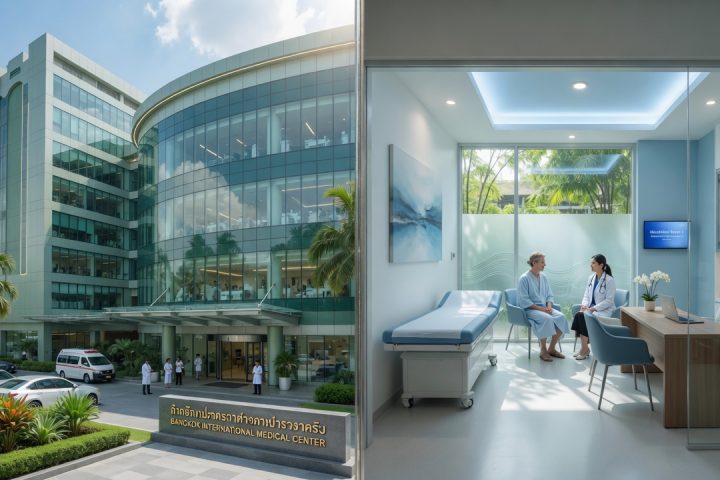
Selecting the right hospital and surgeon is critical for safe outcomes. Look for JCI-accredited hospitals — Bumrungrad International, Bangkok Hospital, and Samitivej are among the most recognized. Seek ENT specialists with fellowship training in sleep surgery. Ask about complication rates and request success statistics specific to the procedure you are considering. For a full comparison of each procedure, including surgeon selection tips, see our [Thailand surgery options guide](PENDING INTERNAL LINK: sleep-apnea-surgery-thailand-cost). After choosing a procedure, you’ll want to know what recovery looks like — here’s the timeline.
Recovery: What to Expect
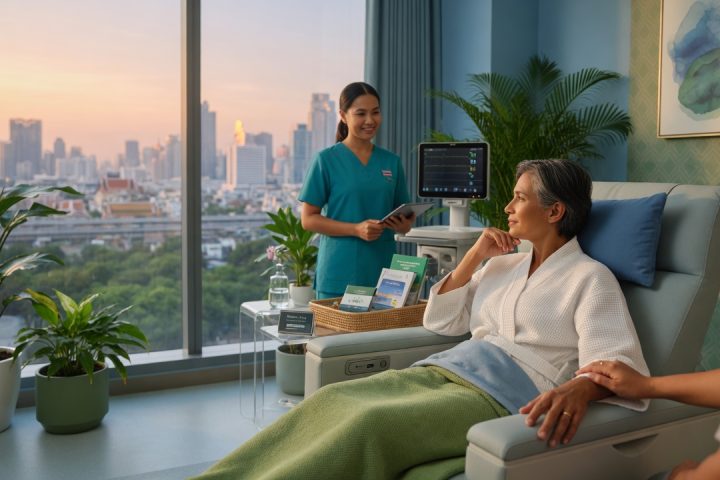
Recovery varies significantly depending on the type of surgery. UPPP is known for substantial pain in the first few days, while nasal surgery tends to be less painful but requires patience with nasal packing and splints. This section outlines a week-by-week timeline, pain management strategies, and lifestyle adjustments that can improve your outcome.
Recovery Timeline for UPPP and Nasal Surgery
For UPPP, the worst pain occurs during the first 48 to 72 hours, with most patients rating it 6 to 8 on a 10-point pain scale. Return to non-strenuous work is typically possible after two weeks, though full healing takes four to six weeks. For nasal surgery, pain is generally milder — splints are removed after one week, and CPAP can usually resume after two to four weeks. Swallowing discomfort is common after UPPP but rare after nasal procedures.
Pain Management Tips
Pre-emptive analgesia — taking pain medication before the anesthetic wears off — is more effective than waiting until pain becomes severe. According to NHLBI post-operative recommendations, post-operative care includes prescription pain medication, ice packs applied to the neck, and a liquid or soft diet for the first several days. Avoid NSAIDs like ibuprofen and aspirin, as they increase bleeding risk. Use pain medication exactly as prescribed and keep a log of your pain levels to help your doctor adjust the plan.
Lifestyle Tips for Better Outcomes
Sleep with your head elevated on two pillows to reduce swelling and improve breathing. Avoid smoking and alcohol for at least two weeks after surgery — both impair healing and increase bleeding risk. Stay well-hydrated, but avoid hot liquids and spicy foods that can irritate surgical sites. Gentle throat exercises, such as swallowing and speaking at low volume, may help restore function after the initial healing phase. Schedule a follow-up sleep study three to six months after surgery to objectively measure the reduction in AHI. For a week-by-week checklist and pain management tips, see our [comprehensive recovery guide](PENDING INTERNAL LINK: sleep-apnea-surgery-recovery). Not everyone is a candidate for surgery — here’s when to consider alternatives.
When to Choose Alternatives
Surgery is not the right path for every patient with sleep apnea. A balanced understanding of when to avoid surgery, and what non-surgical options exist, helps prevent unrealistic expectations and poor outcomes.
When Surgery Is Not for You
Patients with a BMI over 40 face higher complication rates and lower success rates after UPPP and MMA, as reported in a systematic review of obesity and sleep surgery (2017). Central sleep apnea — where the brain fails to signal the muscles to breathe — is not treated by airway surgery, which only addresses obstruction. Mild OSA (AHI under 15) is often better managed with lifestyle changes, positional therapy, or oral appliances rather than surgery. It is also important to have realistic expectations: surgery may reduce your CPAP pressure or eliminate the need for CPAP entirely, but it does not guarantee a cure, and some patients still require some form of therapy afterward.
Non-Surgical Alternatives to Discuss with Your Doctor
Weight loss is one of the most effective interventions for sleep apnea — even a 10% reduction in body weight can significantly lower AHI, according to a study on weight loss and OSA outcomes (2009). Oral appliances (mandibular advancement devices) are a reasonable first alternative for mild to moderate OSA and are covered by many insurance plans. Positional therapy — using a special pillow or wearable device to prevent sleeping on your back — helps patients whose apnea is position-dependent. Hypoglossal nerve stimulation (the Inspire system) is technically a surgical procedure but offers a different mechanism than UPPP or MMA and may be appropriate for patients who cannot tolerate CPAP but are not candidates for traditional airway surgery.
For comprehensive guidelines on when surgery is contraindicated, refer to the AASM clinical practice guidelines.
Disclaimer: This article is for informational purposes only and does not constitute medical advice. Consult a qualified ENT surgeon for personal recommendations.
Frequently Asked Questions
1. How painful is UPPP surgery?
UPPP is moderately to severely painful in the first few days. Most patients report the worst pain during the first 48 to 72 hours, rating it 6 to 8 on a 10-point scale. Prescription pain medication, ice packs, and a soft or liquid diet help manage the discomfort. The intense pain typically subsides within one week, and most patients return to normal eating by day 7 to 10. Over-the-counter NSAIDs are generally avoided due to bleeding risk.
2. What is the success rate of UPPP for sleep apnea?
UPPP successfully reduces AHI by 50% or more in about 55% of patients, according to a meta-analysis of 18 studies published in 2019. Success depends heavily on the patient’s anatomy — palatal-level obstruction responds best — as well as BMI and baseline severity. Long-term follow-up showed that 70% of initial responders maintained their improvement. Success rates are lower for patients with tongue-base collapse or obesity.
3. When can I resume CPAP after septoplasty?
Surgeons typically recommend waiting 2 to 4 weeks after septoplasty before resuming CPAP. This waiting period allows initial healing and reduces the risk of bleeding or pneumocephalus, a rare but serious complication. The exact timing depends on the surgical technique used and how quickly you heal. Your surgeon will provide specific instructions based on your individual case. Using CPAP too early can disrupt the surgical results and delay recovery.
4. What is the 4-hour CPAP rule?
The 4-hour CPAP rule is a Medicare compliance standard requiring CPAP usage of at least 4 hours per night on at least 70% of nights. This threshold determines insurance coverage and is widely used as a benchmark for treatment effectiveness. If you cannot meet this threshold consistently, surgery may be considered to improve CPAP tolerance or as an alternative treatment. The rule does not apply if you have a valid medical indication for surgery.
5. What is the Japanese trick for sleep apnea?
There is no proven “Japanese trick” for sleep apnea. This likely refers to lifestyle practices like side-sleeping (positional therapy), mouth taping, or tongue-strengthening exercises promoted online. While some of these may help mild positional apnea, they do not treat moderate-to-severe OSA. Surgery and CPAP remain the evidence-based treatments. Always consult a doctor before trying unverified methods.
Conclusion
For patients with obstructive sleep apnea who cannot tolerate CPAP, surgery in Thailand offers effective, cost-saving treatment options. A systematic review of 18 studies found that UPPP reduces AHI by 50% or more in 55% of patients, while procedures in Thailand cost 50 to 80% less than equivalent care in the US. The best approach matches the surgical procedure to the patient’s specific obstruction site — palatal, nasal, or tongue-base — and severity level. Success depends on careful patient selection, realistic expectations, and choosing an accredited hospital with an experienced ENT surgeon.
The decision between UPPP, MMA, nasal surgery, or nerve stimulation hinges on your anatomy and goals. Each procedure addresses a different part of the airway, and some patients benefit from combining procedures. Understanding these trade-offs — recovery time, cost, success probability, and how surgery interacts with CPAP — allows you to have a more productive conversation with your surgeon.
Start by finding out whether you are a candidate for surgery. Schedule an evaluation with an ENT surgeon who specializes in sleep procedures — ideally one at a JCI-accredited hospital. Bring your sleep study results, your CPAP compliance data, and a list of questions about the specific procedure recommended for your anatomy. For a deeper look at UPPP, explore our [detailed UPPP surgery guide](PENDING INTERNAL LINK: uppp-surgery-basics). If you are considering medical travel, our [Thailand surgery options guide](PENDING INTERNAL LINK: sleep-apnea-surgery-thailand-cost) covers hospital selection, costs, and travel planning in detail. For further reading, consult the AASM clinical practice guidelines on surgical management of obstructive sleep apnea.