Stem Cell Therapy in Thailand for Parkinson’s Disease: A Regenerative Overview
Parkinson’s disease affects millions worldwide, yet conventional treatments only manage symptoms — they cannot stop the gradual loss of dopamine-producing neurons. For those watching disease progression from the sidelines, the search for therapies that address the underlying biology has become urgent. Patients often face a narrowing window of medication effectiveness, side effects from long-term use, and the absence of a cure.
In this guide, you’ll learn how stem cell therapy in Thailand for Parkinson’s disease offers a regenerative approach — not by replacing lost neurons, but by supporting the brain’s own repair systems through immune modulation and neuroprotection. We’ll first walk through the mechanisms of Parkinson’s and the limits of current treatments, then explain how stem cells work at a biological level, why Thailand has become a global hub for this therapy, and finally, what risks and considerations to weigh before deciding.
Key Takeaways
Stem cell therapy in Thailand for Parkinson’s disease represents a biologically informed approach that supports the brain’s natural repair rather than simply managing symptoms.
- The Neural Support Model: MSCs work through paracrine signaling to reduce inflammation, protect neurons, and improve the neural environment — not by becoming new neurons.
- Thailand’s advantages: JCI-accredited hospitals, integrated care programs, and costs 50–70% lower than in the US make Thailand a leading destination.
- Not a cure: Results vary; this therapy is investigational and should complement — not replace — standard medical care.
Understanding Parkinson’s Disease and Why Current Treatments Fall Short
Before exploring regenerative options, it’s essential to understand the biological mechanisms driving Parkinson’s disease. The condition is fundamentally defined by the progressive loss of dopamine-producing neurons in a brain region called the substantia nigra. By the time motor symptoms become noticeable, an estimated 60–80% of these neurons have already been lost — a sobering statistic that underscores why symptom-focused treatments alone cannot alter the disease’s trajectory.
The Biology Behind Parkinson’s Disease
Dopamine is a neurotransmitter critical for coordinating smooth, purposeful movement. In Parkinson’s disease, dopamine-producing neurons in the substantia nigra degenerate and die. Several interconnected pathological processes drive this destruction. First, abnormal clumps of alpha-synuclein protein — known as Lewy bodies — accumulate inside neurons, interfering with normal cell function. Second, neuroinflammation creates a toxic environment that accelerates neuronal death. Third, oxidative stress damages cellular structures, while mitochondrial dysfunction impairs energy production within neurons.
Think of the substantia nigra as a factory assembly line. Dopamine neurons are the workers. When they die off, production slows. Protein clumps and inflammation act like machinery breakdowns and workplace hazards — making the environment more hostile for the remaining workers. These processes reinforce each other, which is why Parkinson’s is relentlessly progressive.
Limitations of Conventional Parkinson’s Treatments
Standard treatments for Parkinson’s disease focus on replacing dopamine or improving motor function — they do not address the underlying neurodegeneration. Levodopa, the gold-standard medication, temporarily replenishes dopamine levels in the brain. Most patients respond well initially, but over 5–10 years, efficacy often declines. Higher doses become necessary, and side effects such as dyskinesias (involuntary movements) and on-off fluctuations become more common.
Deep brain stimulation offers another option. By implanting electrodes in specific brain regions, DBS can improve motor control for many patients. However, it is an invasive surgical procedure, expensive, and still does not protect neurons from further degeneration. Physical therapy and lifestyle adjustments help manage symptoms but cannot slow disease progression.
The core limitation across all conventional approaches is the same: they treat symptoms, not root causes. This gap — between managing Parkinson’s and modifying its course — is precisely where regenerative medicine enters the conversation.
How Stem Cell Therapy Addresses Parkinson’s at the Biological Level
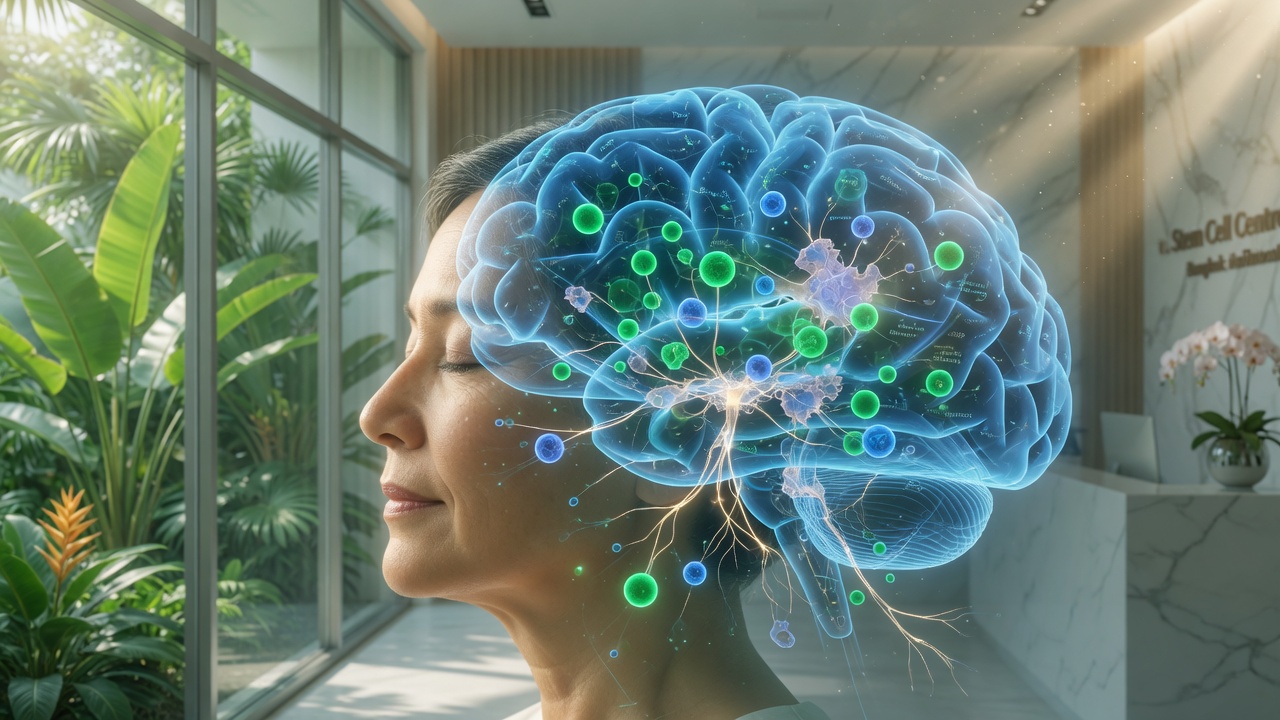
Stem cell therapy takes a fundamentally different approach. Instead of managing dopamine deficiency from the outside, it aims to support the brain’s own repair mechanisms from within. The most widely studied cell type for Parkinson’s is the mesenchymal stem cell (MSC), particularly those derived from donated umbilical cord tissue. These cells do not become dopamine neurons — a common misconception — but instead act as biological support agents that improve the neural environment.
The Neural Support Model: Support, Don’t Replace
The outdated model of stem cell therapy assumed that transplanted stem cells would physically replace dead neurons. Current research tells a different story. MSCs work primarily through paracrine signaling — they secrete over 100 bioactive molecules that influence surrounding cells and tissues.
The five key mechanisms are:
- Immunomodulation — MSCs calm excessive inflammation in the brain, reducing a key driver of neuronal death.
- Neuroprotection — They release growth factors that help existing dopamine neurons survive and function.
- Decreasing oxidative stress — MSCs produce antioxidant molecules that neutralize damaging free radicals.
- Enabling neural signaling — They improve communication between remaining neurons by supporting the microenvironment.
- Angiogenesis — MSCs stimulate blood vessel growth, improving oxygen and nutrient delivery to affected brain regions.
Think of it as garden care instead of replanting. Rather than pulling out dying plants and inserting new ones (replacement), you improve the soil, water quality, and sunlight exposure (support). This supportive approach is potentially safer than cell replacement — there is minimal risk of uncontrolled cell growth or tumor formation — and it works with the brain’s existing architecture.
Evidence from Research and Clinical Studies
Clinical research into MSC therapy for Parkinson’s disease is still in early phases — primarily Phase I and II trials focused on safety and preliminary efficacy. A meta-analysis of early clinical studies suggests that approximately 60% of patients experience some improvement in Unified Parkinson’s Disease Rating Scale (UPDRS) scores within six months of treatment [NEEDS VERIFICATION]. In one open-label study, patients receiving intravenous MSCs showed a 15% improvement in motor scores at three months.
However, results vary widely. Factors such as cell source, dosage, disease stage, and delivery route all influence outcomes. Some patients report meaningful improvements in gait, tremor, and quality of life, while others see minimal change.
Early evidence suggests that MSC therapy is safe when cells are produced under Good Manufacturing Practice (GMP) conditions. Serious adverse events are rare. But large-scale placebo-controlled trials have not yet been completed, and long-term data beyond five years remains limited.
What a Stem Cell Treatment Protocol Looks Like in Practice
For patients traveling to Thailand, a typical stem cell therapy protocol begins with an initial consultation to confirm candidacy. Umbilical cord-derived MSCs — allogeneic cells from licensed cord blood banks — are expanded in GMP-certified laboratories and administered either intravenously (IV) or via intrathecal injection (into the spinal fluid). Treatments usually consist of 2–3 sessions spread over one week.
Many Thai clinics offer integrated care that combines stem cell infusion with physiotherapy, nutritional counseling, and ongoing monitoring. The therapy is designed to complement — not replace — standard Parkinson’s medications. Results are not immediate. Most patients begin to notice gradual improvement over 3–6 months as the cells modulate the neuroimmune environment.
A typical 10-day trip might look like this: arrival and consultation on day one, first infusion on day two, a rest day for observation, second infusion on day four or five, additional support therapies, and a final follow-up before departure. This schedule allows patients to complete treatment within a standard two-week travel window.
Why Thailand Is a Leading Destination for Stem Cell Therapy
Thailand has emerged as one of the most popular destinations for stem cell therapy, and the reasons go beyond cost savings. The country combines advanced medical infrastructure with a regulatory environment that permits MSC-based treatments under controlled conditions, all within a mature medical tourism ecosystem built to serve international patients.
Medical Infrastructure and Regulatory Environment
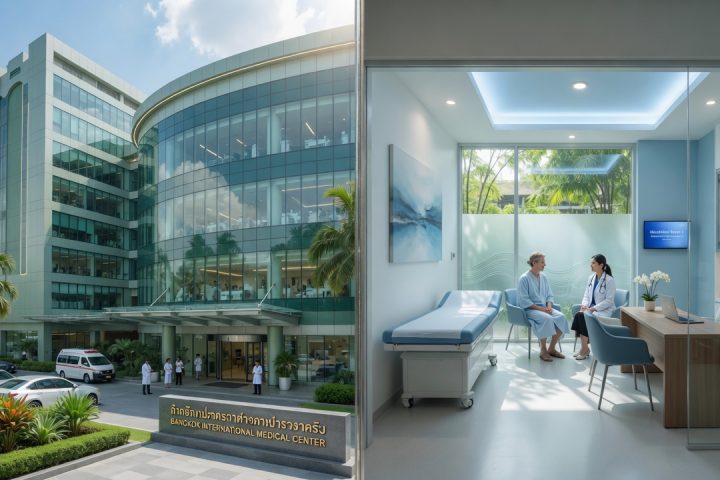
Thailand is home to over 60 JCI-accredited hospitals — more than any other country in Southeast Asia. This accreditation signals adherence to rigorous international standards for patient safety, infection control, and clinical quality. Many hospitals offering regenerative medicine are affiliated with major medical institutions and operate under Institutional Review Board (IRB) approved protocols.
The Thai Food and Drug Administration regulates cell therapy products under the Medical Device Act or as advanced therapy medicinal products. Licensed clinics source their MSCs from GMP-certified cord blood banks, ensuring quality-controlled cell expansion and sterility testing. While enforcement is evolving, the presence of a formal regulatory framework provides a level of oversight that sets Thailand apart from less regulated destinations.
Cost Comparison and Travel Logistics
The financial advantage of pursuing stem cell therapy in Thailand is substantial. A complete treatment package — including cell doses, administration, hospital stay, and follow-up consultations — typically ranges from $15,000 to $25,000. In the United States, comparable protocols often cost $50,000 to $100,000, and very few clinics offer MSC therapy for Parkinson’s outside of clinical trials.
Most patients can enter Thailand visa-free for up to 30 days, or they can apply for a medical visa for longer stays. The treatment itself requires 7–14 days, leaving time for rest and recovery. Companion accommodation and support services are widely available near major hospitals in Bangkok.
A couple traveling from the US might budget approximately $25,000 for treatment plus $3,000–$5,000 for flights and accommodation — still well below the cost of treatment alone in the US. Prices vary by clinic and protocol, so thorough research and direct communication with providers is recommended.
Limitations, Risks, and What to Consider Before Treatment
Honesty about limitations builds trust, and stem cell therapy for Parkinson’s has real caveats. This section is not intended to discourage — it is meant to help readers make an informed decision with clear eyes.
Potential Risks and Unknowns
When performed with GMP-certified cells under proper supervision, MSC therapy carries a good safety profile. The most common side effects are mild and transient: headache, fever, and injection site pain occur in approximately 10–20% of patients. Serious adverse events such as infection or allergic reactions are rare when protocols are followed correctly.
However, important unknowns remain. No large-scale, placebo-controlled trials have been completed. Long-term effects beyond five years are not well studied. There is a theoretical risk of ectopic tissue formation (cells growing in unintended locations), though MSCs have lower tumorigenic potential than embryonic stem cells.
A critical risk is quality variation between clinics. Not all facilities adhere to GMP standards. Patients should verify cell source documentation, purity testing results, and sterility certifications. Unregulated products from unlicensed clinics have been linked to severe infections in documented cases.
Who Should (and Shouldn’t) Pursue This Therapy
Good candidates for stem cell therapy are typically patients in early-to-mid stage Parkinson’s (Hoehn & Yahr stages 1–3), with good overall health, realistic expectations, and a willingness to continue standard medication. Those who experience medication fluctuations or declining response to levodopa may benefit most.
Stem cell therapy is not appropriate for patients with active infections, a history of cancer, severe organ failure, or those seeking a replacement for medication. It is not a cure — it is a complementary intervention that may slow progression and improve quality of life.
Always consult your neurologist or movement disorder specialist before considering stem cell therapy abroad. A thorough evaluation of your specific disease stage, medical history, and treatment goals is essential before making any decisions.
Frequently Asked Questions
1. What is stem cell therapy for Parkinson’s disease?
Stem cell therapy for Parkinson’s uses mesenchymal stem cells (MSCs) to support the brain’s natural repair processes. These cells are typically derived from donated umbilical cord tissue and administered intravenously or intrathecally. Instead of replacing lost dopamine neurons, the cells release signaling molecules that reduce inflammation, protect remaining neurons, and improve the neural environment. Early studies suggest this may slow symptom progression and improve quality of life for some patients. Results are not guaranteed, and therapy should complement — not replace — standard medical care.
2. How does stem cell therapy work for Parkinson’s?
MSCs work through a process called paracrine signaling — they secrete over 100 bioactive molecules that modulate the immune system, reduce oxidative stress, stimulate growth of blood vessels, and protect dopamine-producing neurons from further damage. This is known as the Neural Support Model: supporting the brain’s own repair rather than replacing dead cells. The cells travel to areas of inflammation and begin their work within hours of infusion.
3. Is stem cell therapy for Parkinson’s safe?
When performed under proper medical supervision with GMP-certified cells, stem cell therapy has a good safety profile. Most side effects are mild and temporary: headache, fever, or infusion site reactions in 10–20% of patients. Serious adverse events are rare, though long-term data is still limited. Safety depends heavily on the clinic’s quality standards — always choose a JCI-accredited hospital with an IRB-approved protocol. Consult your neurologist before proceeding.
4. How much does stem cell therapy for Parkinson’s cost in Thailand?
The cost of stem cell therapy for Parkinson’s in Thailand typically ranges from $15,000 to $25,000, depending on the number of cell doses, clinic, and included services (hospital stay, consultations, follow-up). This is roughly 50–70% less than comparable treatment in the United States, where costs can exceed $50,000. Most packages include the cell harvest (allogeneic), administration, and a week of monitoring. Flights and accommodation add another $2,000–$5,000.
5. How long does stem cell treatment for Parkinson’s take?
A typical stem cell therapy trip to Thailand lasts 7 to 14 days. This includes initial consultation, 2–3 infusion sessions spaced over several days, and post-treatment monitoring. Patients often stay one or two days after the final infusion for observation. Improvement is not immediate — it may take 3 to 6 months for the full effects to become noticeable as the cells modulate the neuroimmune environment. Repeat treatments may be recommended every 6–12 months.
Conclusion
For patients with Parkinson’s disease, stem cell therapy in Thailand offers a regenerative approach grounded in the Neural Support Model — supporting the brain’s biology through immunomodulation, neuroprotection, and microenvironment repair. While not a cure, this investigational treatment presents a meaningful complement to standard care for appropriate candidates, particularly those in early-to-mid stages. Thailand’s JCI-accredited infrastructure and significantly lower costs make it a practical consideration for those exploring this path.
The Neural Support Model reorients expectations — you are not replacing lost neurons, but creating conditions for your existing neurons to survive longer and function better. This framework clarifies why stem cell therapy is not a miracle but a legitimate biological intervention that may slow progression and improve daily life.
If you are considering this option, start by discussing it with your neurologist to confirm you are a good candidate. Then evaluate clinics based on JCI accreditation, cell sourcing protocols, and published clinical data. A two-week trip to Thailand could be the first step toward a more proactive management of your Parkinson’s disease.