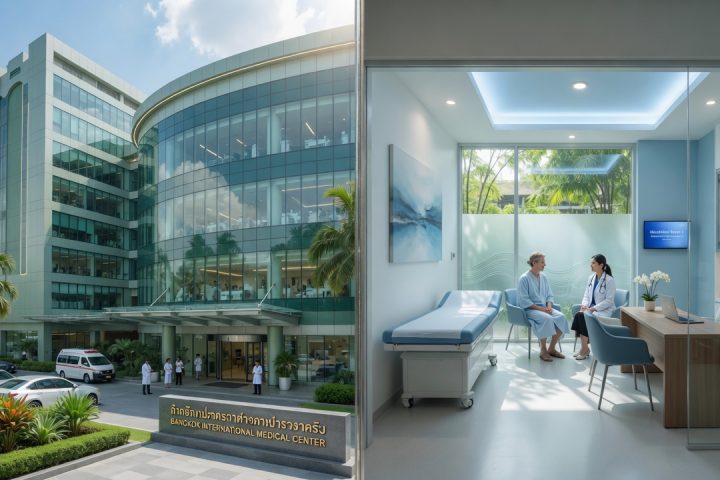

Thailand is preparing to extend the length of its medical visas and overhaul supporting regulations as part of a government push to reposition the country as a “Premium Medical Destination” aimed at long-stay patients and high-spending wellness travelers.[1]
Longer medical visas for long-term care and wellness programs
Thailand’s Department of Health Service Support (DHSS) has announced plans to amend and significantly extend the duration of medical visas so foreign patients can legally stay in the country for several months to a year for treatment, rehabilitation, and anti‑ageing programs.[1]
According to DHSS, the existing framework does not adequately serve patients who need long recovery periods, ongoing rehabilitation, or multi‑stage regenerative and anti‑ageing treatments, many of which require repeated visits or continuous care over many months.[1] Extending medical visas is designed to remove the need for frequent visa runs or complicated extensions, which have long been a pain point for international patients and their families.[1]
Officials frame this move as a core pillar of Thailand’s strategy to upgrade from a traditional medical tourism hub—popular for elective surgeries, dental work, and check‑ups—into a premium‑tier destination that can support complex, long‑term treatment plans and high‑value wellness programs.[1]
For international patients considering orthopedic surgery, weight‑loss surgery, plastic surgery, fertility treatment, or advanced rehabilitation, longer permitted stays could make it easier to:
- Arrive earlier for work‑ups and pre‑operative screening.[1]
- Stay longer for in‑hospital and post‑discharge recovery without overstaying visa limits.[1]
- Combine initial surgery, staged procedures, and rehabilitation within a single continuous stay.[1]
Authorities highlight that the extended visa model is especially aimed at patients and wellness travelers who can benefit from 3–12‑month programs, including chronic disease management, post‑stroke rehab, musculoskeletal recovery, and integrated anti‑ageing and wellness packages offered by leading Thai hospitals and clinics.[1]
New powers for private hospitals: research, training, and medical education
The same policy package includes proposed legal changes that would allow private hospitals in Thailand to establish in‑house research, training, and medical education centers under a more flexible regulatory framework.[1]
Regulators say this is intended to:
- Encourage clinical research and innovation inside private hospital networks.[1]
- Support continuous medical education and specialist training.[1]
- Help attract and retain highly skilled clinicians in key specialties, including surgery, oncology, regenerative medicine, and anti‑ageing medicine.[1]
By embedding research and training into private hospital operations, policymakers aim to shift Thailand further up the value chain—from being primarily a cost‑competitive provider of standard procedures to a regional center for advanced therapies and evidence‑based innovation.[1]
For international patients, this could translate into:
- More access to cutting‑edge treatments and new protocols, particularly in fields such as regenerative medicine, orthopedics, neuroscience, and metabolic disease management.[1]
- Stronger guarantees that surgeons and specialists are engaged in ongoing skills development and updated clinical practice.[1]
Authorities emphasize that any expansion of research and advanced interventions will be tightly bound to upgraded safety and regulatory standards.[1]
Digital links to foreign insurers and 24‑hour language support
Another central part of the “Premium Medical Destination” strategy is the creation of digital platforms connected to foreign insurers, together with a 24‑hour interpretation center serving major international markets.[1]
Officials describe a plan for integrated digital systems that would:
- Link Thai hospitals and clinics with overseas health insurers for pre‑authorization, claims processing, and verification of coverage.[1]
- Streamline financial workflows so patients have clearer information on what their insurance covers before traveling.[1]
- Support seamless sharing of medical documents required for insurance claims and post‑treatment follow‑up back home.[1]
At the same time, the DHSS is working on a 24/7 interpretation and language‑support center, aimed at patients from key source countries.[1] This would provide real‑time assistance with:
- Medical translation during consultations and consent processes.[1]
- Clarification of treatment plans, medication instructions, and discharge summaries.[1]
- Communication between foreign patients, Thai medical teams, and hospital administrative staff.[1]
For medical tourists, these changes are designed to reduce the risk of misunderstandings, unexpected bills, and paperwork delays, while also improving informed consent and patient satisfaction.[1]
Stricter safety rules and near‑fully online licensing
Authorities say the premium repositioning will be underpinned by stricter safety and regulatory standards, particularly for advanced therapies.[1] This includes treatments in regenerative medicine, high‑risk interventions, and other specialized procedures where international demand is growing but clinical oversight is critical.[1]
The DHSS has also highlighted progress toward an almost fully online one‑stop licensing system for health‑service operators.[1] Under this model:
- Clinics, hospitals, and wellness centers will be able to apply for and manage licenses through a central digital portal.[1]
- Regulatory reviews and documentation will be streamlined, enabling faster but more transparent oversight of providers.[1]
The aim is to balance ease of doing business for reputable operators with tougher enforcement against unlicensed clinics and non‑compliant providers, an issue that has periodically raised concerns among foreign patients researching low‑cost treatments in Thailand.[1]
What this means for international patients
For readers planning surgery or long‑term treatment in Thailand, these policy shifts could materially change how you design your trip:
- Longer stays without visa stress: Extended medical visas would make it easier to schedule longer pre‑operative and post‑operative stays, especially for major surgeries that require weeks or months of rehab.[1]
- More sophisticated hospital choices: As private hospitals expand research and training, patients can increasingly prioritize providers involved in clinical innovation, not just competitive pricing.[1]
- Closer integration with your insurer: Digital links to foreign insurers may reduce out‑of‑pocket surprises and help secure pre‑approval for procedures before you book flights.[1]
- Better language support: A 24‑hour interpretation center should improve communication around diagnoses, risks, and aftercare, particularly for complex operations or chronic treatments.[1]
- Higher regulatory expectations: Stricter rules for advanced therapies and a modernized licensing system indicate that authorities expect providers to meet higher safety and compliance benchmarks, which is relevant when assessing clinics offering newer or experimental treatments.[1]
Patients considering Thailand for procedures such as joint replacement, spine surgery, bariatric surgery, cosmetic surgery, IVF, or regenerative therapies should monitor how the new visa rules and digital systems are rolled out, and confirm with their chosen hospital how these tools will apply to their specific treatment plan.[1]
Sources
- Healthcare in this country? It’s tied to your visa … – Instagram
- 5 Years Thai DTV Visa Approved! After a few weeks of … – Instagram
- What visa options are available for a long-term stay in Thailand with …
- Thailand’s tourism sector continues to grow, with higher visitor …
- Thai Enquirer News Summary – June 12, 2026 JAS secures FIFA …
- Notary Public (Notarial Services Attorney) Greek 24/7 Service …
- Moving to Thailand — Visa, Housing & Relocation Guide | GoMate
- Skin Cancer (Y79hqeC9T1y)
- We call Maryam our Asia expert. Just think of any Asian visa, she will …
- https://www.nationthailand.com/health-wellness/40067356