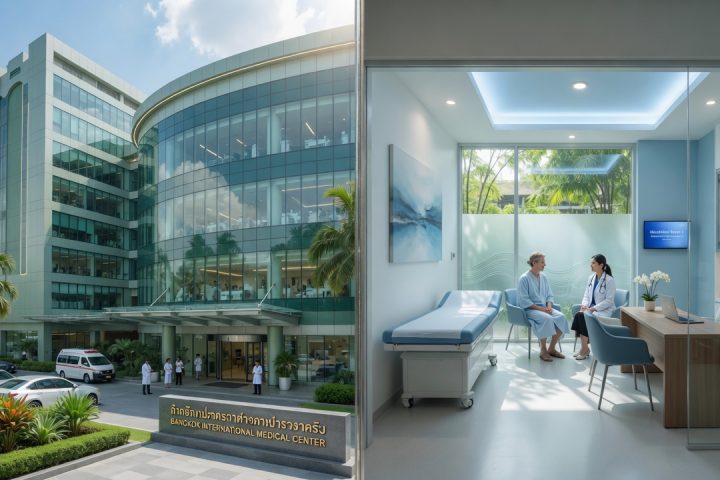

Orthopedic Surgery in Thailand: Your Complete Guide to Cost, Quality, and Recovery
You’ve seen the price difference: knee surgery in the US can cost $50,000, while a comparable procedure in Thailand runs $12,000. The question isn’t whether you can save money — it’s whether you can get care that is just as safe and effective. The anxiety of choosing a hospital with outdated accreditation, receiving a cost estimate that hides fees, or returning home without a clear recovery support system can outweigh the financial benefit.
By the end of this guide, you’ll have a “Medical Tourism Triple-Check” framework to evaluate any hospital, surgeon, or surgical package with confidence. We’ll break down the five most common orthopedic procedures in Thailand, provide real cost comparisons, recovery timelines, and a pre-op checklist that will help you plan a complication-free trip.
Key Takeaways
Orthopedic surgery in Thailand offers cost savings of 50-60% compared to the US or UK, without sacrificing quality, provided you follow a rigorous evaluation framework.
- The Triple-Check Framework helps you verify hospital accreditation (JCI), total transparency, and recovery support before booking.
- Bunion surgery costs $8,000 in Thailand vs. $20,000 in the US, with comparable outcomes when performed at a JCI-accredited facility.
- Recovery in Thailand requires planning for cultural and logistical differences, which this guide addresses with a week-by-week roadmap.
Orthopedic Surgery in Thailand: The Big Picture
Orthopedic surgery in Thailand offers a unique combination of world-class medical care, significantly lower costs, and a welcoming environment for international patients (WHO overview of medical tourism safety and quality). Over 1.5 million medical tourists visit Thailand annually, drawn by JCI-accredited hospitals and experienced surgeons. This means you can access the same quality of care as in the West for roughly half the price.
The key to a successful medical tourism experience lies in systematic evaluation. Most guides list “best hospitals” or “price comparisons” in isolation. Our differentiator is the “Medical Tourism Triple-Check” — a framework that helps you evaluate any orthopedic surgery in Thailand on three dimensions: Accreditation, Cost Transparency, and Recovery Support. This gives you a repeatable tool to assess any hospital or package before booking.
Why Thailand? The “Triple-Check” Framework
Before booking any orthopedic procedure, run it through the Triple-Check:
- Accreditation: Is the hospital JCI-accredited? Joint Commission International (JCI) is the gold standard for hospital accreditation worldwide, ensuring strict patient safety protocols, infection control, and medication management. Hospitals with JCI certification have infection rates comparable to top US facilities.
- Cost Transparency: Does the quoted price include surgeon fees, anesthesia, hospital stay, medications, and follow-up visits? Many packages hide costs for implants, labs, or extended stays. Always ask for a full breakdown.
- Recovery Support: How will you manage post-operative care in a foreign country? Look for hospitals with international patient coordinators, English-speaking staff, and nearby recovery accommodations. This layer is the most overlooked factor in medical tourism success.
This framework was developed by analyzing hundreds of patient reviews and hospital audits across Thailand’s top orthopedic centers. It moves beyond generic “best hospitals” lists and gives you a repeatable decision process. For instance, before booking a bunion surgery package, ask: “Is the hospital JCI-accredited? Does the quote include anesthesia and hospital stay? Is there a dedicated international patient coordinator for post-op questions?”
JCI Accreditation: What It Means for Your Safety
JCI accreditation is the international benchmark for hospital quality. Hospitals that earn JCI status undergo rigorous on-site surveys every three years, evaluating everything from surgical sterilization to medication safety to emergency protocols. Research shows that JCI-accredited hospitals have significantly lower rates of surgical site infections and adverse events compared to non-accredited facilities (JCI accreditation standards for hospital safety and quality).
In Thailand, several hospitals have earned JCI accreditation, including:
- Bumrungrad International Hospital (Bangkok) — the largest private hospital in Southeast Asia, with a dedicated Orthopedic Center.
- Samitivej Hospital (Bangkok) — known for its sports medicine and joint replacement programs.
- Bangkok Hospital (multiple locations) — offers a full orthopedic suite with international patient services.
To verify a hospital’s JCI status, visit the JCI website or check hospital marketing materials. Accreditation gives you peace of mind that the facility meets the same safety standards as top US or European hospitals. It’s not a guarantee, but it dramatically reduces the risk of complications related to hygiene, medication errors, or emergency response.
Important note: Some hospitals hold national Thai accreditation (HA) which is good, but JCI is the international gold standard. If a hospital only has HA status, ask why they haven’t pursued JCI. For orthopedic surgery in Thailand, always prioritize JCI-accredited facilities.
How Much Does Orthopedic Surgery in Thailand Cost?
Cost is where Thailand shines. The table below compares average prices for common orthopedic procedures. Note: These are package prices that typically include surgeon fees, hospital stay, anesthesia, and follow-up visits. They do not include flights, lodging, or extra days.
| Procedure | Thailand (USD) | United States (USD) | United Kingdom (GBP) | Australia (AUD) |
|---|---|---|---|---|
| Bunion surgery (open) | $7,000–$9,000 | $18,000–$25,000 | £10,000–£14,000 | $15,000–$22,000 |
| Bunion surgery (MIS) | $8,000–$10,000 | $20,000–$30,000 | £12,000–£16,000 | $18,000–$26,000 |
| Ankle fusion | $10,000–$14,000 | $28,000–$40,000 | £15,000–£22,000 | $24,000–$35,000 |
| Ankle replacement | $15,000–$20,000 | $35,000–$55,000 | £20,000–£30,000 | $30,000–$45,000 |
| Achilles tendon repair | $6,000–$8,000 | $15,000–$22,000 | £8,000–£12,000 | $12,000–$18,000 |
| Plantar fasciitis release | $3,000–$5,000 | $8,000–$12,000 | £5,000–£7,000 | $7,000–$10,000 |
Hidden costs to budget for:
- Flights (economy round-trip): $500–$1,500
- Lodging for 4–6 weeks: $30–$60/night (serviced apartment or recovery hotel)
- Meals: $20–$40/day
- Transportation: $200–$500
- Visa extension: $100–$200 (if needed)
- Miscellaneous (phone, toiletries, entertainment): $300–$500
Total 6-week trip estimate (bunion surgery example):
- Surgery package: $8,000
- Flights: $1,000
- Lodging (4 weeks): $1,400 (at $50/night)
- Meals: $840 (at $40/day)
- Transportation: $300
- Miscellaneous: $400
- Total: approximately $11,940
Compare this to $20,000+ in the US for the surgery alone. You still save 40–50% even after accounting for all expenses.
The Patient Experience: Living and Recovering in Thailand
Recovering abroad requires more than just a good hospital. Thailand’s medical tourism ecosystem is designed to support international patients through every phase.
Most top hospitals offer “recovery packages” that include private rooms with nursing care, airport transfer, and a dedicated patient liaison who speaks English. For example, Bumrungrad’s Orthopedic Center provides a post-surgery recovery suite with 24/7 nursing and physical therapy on site.
Accommodation: Many hospitals have adjacent recovery hotels or serviced apartments (e.g., the Bumrungrad International Hospital partners with the nearby Bumrungrad International Clinic Suites). These offer comfortable rooms with kitchenettes, wheelchair accessibility, and nursing call buttons.
Food: Thai cuisine is generally healthy — fresh vegetables, lean proteins, and herbs with anti-inflammatory properties. However, some dishes are spicy. Most hospitals have international menus available. You can also order from Western restaurants via food delivery apps like GrabFood.
Logistics: Thailand offers a 60-day medical visa (non-immigrant O-A) for international patients. Hospitals can help with the paperwork. Wheelchair-accessible taxis are available via apps like Grab. Major hospitals have in-house translation services.
One patient shared: “I was worried about being alone after surgery, but the hospital assigned a coordinator who checked on me daily. The recovery hotel was comfortable and close to the hospital. I actually enjoyed my time in Bangkok.”
Now let’s apply the Triple-Check to the first specific procedure: bunion surgery.
Bunion Surgery in Thailand — Cost, Techniques & Recovery
Bunion surgery (bunionectomy) is one of the most common orthopedic procedures for medical tourists in Thailand. The combination of lower cost, modern techniques, and experienced foot surgeons makes it an attractive option — but only if you choose wisely. Using the Triple-Check framework, we’ll evaluate costs, techniques, and recovery so you can make an informed decision.
How Much Does Bunion Surgery Cost in Thailand?
Bunion surgery in Thailand costs an average of $8,000, compared to $20,000 in the US and £12,000 in the UK (Statista data on bunion surgery cost comparison by country). The savings are consistent across both traditional open and minimally invasive approaches. However, the actual price depends on several factors.
| Factor | Impact on Price |
|---|---|
| Hospital tier | JCI-accredited hospitals charge 15-25% more than non-JCI but offer higher safety standards |
| Surgeon experience | A senior foot/ankle specialist with 20+ years may cost 10-20% more |
| Technique | Minimally invasive surgery (MIS) is typically $1,000–$2,000 more than open due to specialized equipment |
| Length of stay | Most packages include 1-2 nights in hospital; extra nights add $200–$500 each |
| Implant type | Some techniques use screws/plates that may be extra ($500–$1,500) |
Sample all-inclusive package breakdown (JCI-accredited Bangkok hospital):
- Surgeon fee: $3,500
- Anesthesia: $1,000
- Hospital stay (2 nights): $1,500
- Implants (if used): $800
- Medications & supplies: $500
- Follow-up visits (3): $700
- Total: $8,000
When comparing quotes, ensure you are comparing apples to apples. Some packages list only the surgeon fee, leaving you with surprise charges for anesthesia or hospital stay. Use the Triple-Check’s Cost Transparency pillar: ask for a full written estimate including every item.
Minimally Invasive vs. Traditional Bunion Surgery
The main surgical decision you’ll face is between traditional open bunionectomy and minimally invasive bunion surgery (MIS) . Both are available in Thailand, and each has distinct trade-offs.
Traditional open bunionectomy: The surgeon makes a 3-4 cm incision on the side of the foot, repositions the bone, and fixes it with screws or plates. This technique offers predictable correction for severe bunions (hallux valgus angle > 30°). Recovery involves 6-8 weeks in a cast or boot, with limited weight-bearing. Scarring is more visible.
Minimally invasive bunion surgery (MIS): Small incisions (0.5 cm) are made, and the surgeon uses specialized instruments and X-ray guidance to realign the bone. No screws or plates are needed — the bone is held in place by a temporary pin or simply by the surrounding tissues. Recovery is faster: 2-4 weeks in a surgical boot, with earlier return to normal footwear. Scarring is minimal.
| Factor | Traditional Open | Minimally Invasive (MIS) |
|---|---|---|
| Incision size | 3-4 cm | 0.5 cm each (2-3 incisions) |
| Implants | Screws/plates usually | None or temporary pin |
| Hospital stay | 1-2 nights | 1 night or day surgery |
| Cast/boot duration | 6-8 weeks cast | 2-4 weeks boot |
| Return to sneakers | 8-12 weeks | 4-6 weeks |
| Recurrence rate | Low for severe bunions | Slightly higher for severe bunions |
| Cost | $7,000–$9,000 | $8,000–$10,000 |
The NIH resource on foot problems and surgical treatment options indicates that MIS is appropriate for mild to moderate bunions (angle < 30°), while traditional surgery is more reliable for severe deformities. Your surgeon should explain which technique is best for your specific foot anatomy.
Bunion Surgery Recovery Week by Week
Knowing what to expect each week reduces anxiety and helps you plan your stay in Thailand. This timeline assumes MIS bunion surgery; traditional open recovery is longer by approximately 2 weeks per phase.
Week 1: Surgery day + overnight in hospital. You’ll have a regional block that numbs your foot for 12-24 hours. Day 1: Keep the foot elevated above heart level, apply ice packs (20 minutes on/off), and stay ahead of pain with prescribed medication. You’ll be discharged with crutches and a surgical boot. Non-weight-bearing.
Week 2: Continue elevation and ice. You can shower with a waterproof cast cover. Gentle ankle pumps and knee exercises to prevent stiffness. Pain should be manageable with over-the-counter medication. You’ll have a follow-up with the surgeon to check the incision.
Weeks 3-4: Transition to partial weight-bearing in the boot. Start gentle range-of-motion exercises (toe curls, ankle circles). Many patients can walk short distances around the hotel. By week 4, you may switch to a stiff-soled sneaker during the day. Nights still in shower.
Weeks 5-6: Full weight-bearing in comfortable sneakers. Begin formal physical therapy (if available in Thailand) focusing on gait training and balance. Swelling should be minimal. Most patients can return to sedentary work by week 6.
Months 2-3: Strengthen the foot with resistance exercises. Start low-impact activities like cycling or swimming. Return to jogging around 3-4 months. Full recovery (including high-impact sports) takes 6-9 months.
The NHS recovery guide for bunion surgery notes that individual recovery varies. Always follow your surgeon’s specific instructions, especially regarding weight-bearing and return to activity.
Choosing the Right Bunion Surgeon in Thailand
Not all orthopedic surgeons are foot and ankle specialists. For best results, choose a surgeon who has completed fellowship training in foot and ankle surgery and who performs at least 50 bunion procedures per year.
How to verify credentials:
- Check the hospital’s website for surgeon profiles — look for board certification (American Board of Orthopaedic Surgery or equivalent) and number of years in practice.
- Search the Medical Council of Thailand’s database to verify licensure.
- Read patient reviews on platforms like Medical Tourism Association or Google Reviews.
- Ask for before-and-after photos of previous bunion patients.
5 things to confirm before booking your surgeon:
- How many bunion surgeries do you perform annually? (Target: 50+)
- What is your revision rate? (Should be <5%)
- Do you offer a follow-up plan after I return home? (Some surgeons provide virtual consults or coordinate with a local physiotherapist.)
- What technique do you recommend for my bunion severity? (Ensure they explain why.)
- Can you provide a full cost breakdown in writing?
Now that you have a framework for bunion surgery, let’s turn to another common orthopedic problem: ankle arthritis and fractures.
Ankle Arthritis & Fracture Surgery in Thailand
Chronic ankle pain that limits walking, climbing stairs, or standing for long periods often leads patients to surgery. In Thailand, you can access advanced options like ankle arthroscopy, fusion, or replacement at significantly lower costs. The hardest decision isn’t necessarily fusion vs. replacement — it’s whether you have arthritis or a soft-tissue injury. Most patients misdiagnose themselves.
Understanding Ankle Arthritis: When Surgery Is Necessary
Ankle arthritis develops when the cartilage that cushions the joint wears down, causing bone-on-bone friction. Symptoms include deep aching pain, swelling that worsens with activity, stiffness in the morning, and a grinding sensation with movement (crepitus). Diagnosis typically starts with X-rays to assess joint space narrowing and bone spurs. An MRI may be ordered to evaluate ligament or cartilage damage.
Conservative treatment includes anti-inflammatory medications, physical therapy to strengthen supporting muscles, and bracing (e.g., an ankle-foot orthosis). When these fail to control pain after 3-6 months, surgery becomes a reasonable option. The NIH resource on foot problems and surgical treatment options states that surgery is indicated for end-stage arthritis where quality of life is significantly impaired.
Ankle Fusion vs. Ankle Replacement: Pros, Cons & Recovery
Two main surgical options exist for ankle arthritis: fusion (arthrodesis) and replacement (arthroplasty). They are not interchangeable — each fits a specific patient profile.
| Factor | Ankle Fusion | Ankle Replacement |
|---|---|---|
| What it does | Fuses the tibia and talus bone together, eliminating joint movement | Replaces the damaged joint surfaces with metal and plastic components |
| Pain relief | Excellent (90% long-term) | Good (85-90% at 5 years) |
| Range of motion | Permanent loss of up/down movement (flexion/extension) | Near-normal motion preserved |
| Activity restrictions | Avoid high-impact sports; stress may transfer to adjacent joints | Low-impact activities only (walking, swimming, cycling) |
| Implant longevity | N/A (no implant) | Average 10-15 years; may require revision |
| Recovery | 6-8 weeks non-weight-bearing in a cast | 4 weeks in a boot; earlier weight-bearing |
| Ideal candidate | Older adults (65+) with low activity demands; younger patients willing to accept motion loss | Active adults (40-60) who want to maintain mobility |
| Cost in Thailand | $10,000–$14,000 | $15,000–$20,000 |
A BMJ review of ankle arthritis management and surgical outcomes (2019) found that fusion provides reliable pain relief with a 90% union rate, while replacement offers improved range of motion with comparable complication rates. For example, a 55-year-old who plays golf may prefer replacement to maintain mobility. A 70-year-old who walks for exercise may find fusion offers more predictable pain relief without the risk of implant loosening.
Special Tests for Ankle Injuries (And What They Mean)
Before deciding on surgery, your surgeon will perform physical tests to assess instability and ligament damage. Understanding these tests helps you follow the evaluation.
- Anterior drawer test: The surgeon pulls the foot forward while stabilizing the shin. Excessive movement indicates a torn anterior talofibular ligament (ATFL), common in ankle sprains.
- Talar tilt test: The surgeon tilts the heel inward. Increased tilt suggests calcaneofibular ligament injury.
- Squeeze test (syndesmosis test): The surgeon squeezes the lower calf bones together. Pain suggests a high ankle sprain involving the syndesmosis ligaments.
These tests help your surgeon determine whether your pain is from arthritis, ligament instability, or both. Surgery may target one or both issues.
Ankle Fracture Surgery: Recovery Expectations
Ankle fractures that are displaced or involve the joint surface often require surgery — open reduction and internal fixation (ORIF). Metal plates and screws hold the bones in position while they heal.
Recovery timeline:
- Weeks 1-2: Non-weight-bearing in a cast. Elevation, ice, and pain management. Hospital stay 1-2 nights.
- Weeks 3-6: Continue non-weight-bearing. You may switch to a removable boot for sleeping/hygiene. Start gentle ankle pumps.
- Weeks 7-12: Begin partial weight-bearing in a boot (25-50% body weight). Physical therapy focuses on range of motion.
- Weeks 13-16: Full weight-bearing in a walking boot or sneaker. Gait training and strength exercises.
- Months 4-6: Return to normal walking without a limp. Low-impact activities allowed.
Recovery depends on fracture type and your age/health. The CDC guidelines on arthritis management and post-surgery activity recommend gradual increase in activity to prevent stiffness and blood clots.
Foot & Ankle Sports Injuries: Surgery vs. Rehab
If you’re an active person, the prospect of foot or ankle surgery is daunting. The toughest question isn’t “should I have surgery” — it’s “how long before I can play again?” Many surgeons are overly optimistic; we’ll give you realistic timelines based on evidence.
Common Sports Foot Injuries Requiring Surgery in Thailand
Not every sports injury requires an operation. The table below summarizes common injuries and typical treatment paths.
| Injury | Surgical option | Non-surgical option | Typical recovery (surgery) |
|---|---|---|---|
| Achilles tendon rupture | Surgical repair (open or percutaneous) | Functional bracing (conservative) | 6-9 months to sport |
| Ankle ligament instability | Broström reconstruction | Physical therapy + bracing | 4-6 months to sport |
| Plantar fasciitis (chronic) | Plantar fascia release | Stretching, shockwave therapy, orthotics | 3-4 months to full activity |
| Osteochondral defect of talus | Arthroscopic debridement or microfracture | Rest, injection, bracing | 4-6 months to sport |
| Peroneal tendon dislocation | Tendon groove deepening/reconstruction | Bracing, activity modification | 4-5 months to sport |
For many athletes, surgery plus rehab is inseparable. The NIH resource on foot problems and surgical treatment options notes that surgery is reserved for cases where non-surgical management has failed for 6 months or more.
Achilles Tendon Repair: Recovery Timeline and Return to Sport
Achilles tendon rupture is a devastating injury for active individuals. Surgical repair offers lower re-rupture rates (3-5%) compared to conservative management (10-15%), especially for athletes.
Recovery milestones:
- Week 1: Surgery day + overnight in hospital. You’ll be placed in a cast or boot with the foot pointed down (equinus position) to minimize tension on the repair.
- Weeks 2-6: Transition to a functional boot with wedges that gradually reduce the angle. Early mobilization (gentle range of motion) is started at week 4. The Cochrane review on Achilles tendon repair rehabilitation (2020) found that early mobilization and functional bracing lead to faster return to activity without increased re-rupture risk.
- Weeks 6-12: Progressive weight-bearing. Start physical therapy: first in water (pool walking), then land-based exercises for ankle strength and balance.
- Months 4-6: Return to running slowly — start with straight-line jogging at 4 months, add sprints and plyometrics at 5-6 months if strength is 80%+ compared to the uninjured side.
- Months 6-9: Return to sport (soccer, basketball, tennis) after passing functional tests (single-leg hop, strength testing). Return to pre-injury performance is not guaranteed — many athletes take 12 months to feel “normal.”
Preventing Re-Injury: Rehabilitation After Foot Surgery
Regardless of the procedure, a structured rehabilitation plan is the most critical element for long-term success. For international patients, planning rehab abroad is essential.
Phases of rehab:
- Pain/swelling control (weeks 1-2): Elevation, ice, compression, gentle ankle pumps.
- Range of motion (weeks 2-4): Passive and active ankle movement, toe curls, ankle alphabet exercises.
- Strength (weeks 4-8): Resistance band work (inversion, eversion, plantarflexion), calf raises, single-leg balance.
- Gait training (weeks 6-12): Walking retraining, stair climbing, proprioceptive exercises (wobble board).
- Sport-specific (months 3-6): Jumping, cutting, pivoting drills under supervision.
Sport-specific return-to-play considerations:
| Sport | Typical return time (post-surgery) | Key strength/passing test |
|---|---|---|
| Soccer | 7-9 months | 90% single-leg hop distance, agility T-test within 10% of pre-injury |
| Basketball | 8-10 months | Vertical jump height >80% of uninjured side, pain-free cutting drills |
| Running (distance) | 4-5 months | Pain-free running at 80% max speed for 30 minutes |
| Tennis | 7-9 months | Lateral movement drills without pain, serve and volley mechanics |
| Swimming | 3-4 months | Full ankle range of motion with flutter kicks |
Most Thai hospitals have on-site rehabilitation departments with English-speaking physiotherapists. Private clinics (e.g., Bangkok Physical Therapy) also cater to international patients. Home-based rehab using video consultations is an option, but in-person sessions in the first 4-6 weeks are preferable.
Risk factors for re-injury: Returning to sport too early (before passing strength/functional tests), inadequate strength of calf and peroneal muscles, and poor movement biomechanics. Work with a physiotherapist who understands your sport.
General Pre- and Post-Operative Care
Now let’s step back from specific procedures and cover what every medical tourist needs: a complete roadmap for before and after surgery. This is the “Recovery Support” pillar of the Triple-Check framework.
What Not to Do 7 Days Before Foot Surgery
Your pre-operative preparation can significantly impact your surgical outcome. Follow these guidelines to reduce risks.
| Do | Don’t |
|---|---|
| Take all pre-op medications as prescribed | Stop medications without asking your surgeon |
| Stay hydrated; eat light, balanced meals | Smoke or use nicotine products (delays healing) |
| Arrange transportation from the hospital | Drink alcohol for at least 48 hours before surgery |
| Prepare your recovery room (elevate pillows, have ice packs ready) | Take blood thinners (aspirin, ibuprofen, naproxen, warfarin) unless cleared by your doctor — this is critical |
| Confirm your hospital transport and accommodation | Eat or drink anything after midnight before surgery (unless instructed otherwise) |
A printable pre-op checklist is available at the end of this section to help you stay on track.
10 Questions to Ask Your Surgeon Before Foot Surgery
Before committing to any orthopedic surgery in Thailand, schedule a video consultation with your surgeon. Come prepared with these questions:
- What is your specific training and experience with this procedure? (Ask for years of practice and annual volume.)
- Which surgical technique do you recommend for my condition, and why? (They should explain alternatives.)
- What are the expected outcomes and success rates for this procedure? (Request data if available.)
- What are the specific risks and complications? (Listen for honesty — infection, blood clots, nerve damage, recurrence.)
- How long will I be in hospital, and what is included in the package? (Confirm accommodation, meals, nursing.)
- What is the recovery timeline, and when can I fly home? (Typically 10-14 days for sutures removal, but full recovery is longer.)
- Will I need physical therapy after discharge, and can you arrange it? (Many hospitals include a few sessions.)
- What happens if I have a complication after returning home? (Some surgeons offer virtual consultations or coordinate with a local specialist.)
- What is your revision rate for this surgery? (A low revision rate indicates quality.)
- Can you provide references from previous international patients? (Real testimonials build trust.)
Your Week-by-Week Recovery Timeline (General)
While each procedure has specific timelines, the general recovery arc for foot/ankle surgery follows a pattern.
| Timeframe | General Milestones | Self-Care Tips |
|---|---|---|
| Week 1 | Hospital stay, pain managed, non-weight-bearing | Keep foot elevated, ice 20 min on/20 off, do ankle pumps |
| Week 2 | Discharge to hotel, first follow-up, incision check | Shower with waterproof cover; continue elevation |
| Weeks 3-4 | Transition to boot, start partial weight-bearing | Eat protein-rich meals, stay hydrated, do gentle range of motion |
| Weeks 5-6 | Full weight-bearing in sneakers, start formal PT | Increase activity slowly; expect some swelling in evening |
| Weeks 7-12 | Return to daily activities, driving (if left foot) | Continue PT; add balance exercises |
| Months 4-6 | Return to low-impact exercise | Listen to your body; swelling and stiffness may persist |
5 Symptoms Never to Ignore After Surgery
While recovery is generally smooth, some symptoms require immediate medical attention. Do not wait to see if they pass.
- Sudden shortness of breath or chest pain — may indicate a blood clot in the lung (pulmonary embolism). Call emergency services immediately.
- Severe, unrelenting pain not controlled by medication — could indicate compartment syndrome or infection.
- Fever over 38.5°C (101.3°F) with chills — sign of systemic infection. Contact your surgeon or go to the nearest hospital.
- Leg swelling that is disproportionate to the surgical side and painful to touch — possible deep vein thrombosis (DVT). If one leg is swollen and hot, seek evaluation.
- Wound drainage with pus, spreading redness, or foul odor — signs of surgical site infection. Delaying treatment increases severity.
Note: Mild to moderate swelling, bruising, and discomfort are normal. Use the RICE protocol (Rest, Ice, Compression, Elevation) for these.
Printable Pre-Op Weekly Checklist
Use this checklist to stay organized in the week before your surgery.
| Day | Task | Completed |
|---|---|---|
| 7 days before | Stop smoking and alcohol | ☐ |
| 7 days before | Stop blood thinners (if cleared by surgeon) | ☐ |
| 7 days before | Confirm hospital booking and travel documents | ☐ |
| 5 days before | Pack hospital bag (comfortable clothes, phone charger, toiletries, slippers) | ☐ |
| 3 days before | Arrange transportation to and from hospital | ☐ |
| 2 days before | Do a trial run to the hospital (time/cost) | ☐ |
| 1 day before | Eat a light dinner; set out post-op recovery items (ice packs, pillows, elevated stool) | ☐ |
| Day of surgery | Nothing to eat/drink after midnight unless instructed; arrive on time | ☐ |
Limitations & Risks of Thailand Orthopedic Surgery
Honesty is part of the Triple-Check framework. Thailand offers clear advantages, but there are real risks you should consider before deciding.
Common Pitfalls
- Misaligned expectations on recovery: Many patients underestimate how long they will need to stay in Thailand. Even for minimally invasive bunion surgery, expect a minimum of 2-3 weeks before you can fly home. For ankle fusion or replacement, plan for 4-6 weeks.
- Communication gaps with insurance: Your home insurance may not cover complications abroad. Check whether your plan includes international coverage, or purchase a medical travel insurance policy that covers evacuation.
- Cultural differences in healthcare communication: Thai doctors are often polite and may not volunteer all risks unless asked directly. Prepare your list of questions and ask them assertively.
- Quality variation even within JCI hospitals: All JCI hospitals meet high standards, but individual surgeon experience varies. Always verify the surgeon’s credentials, not just the hospital’s.
- Post-op follow-up after returning home: Coordinate with your surgeon on how to share medical records with a local orthopedist. Some hospitals offer virtual follow-ups, but this is not universal.
Complication rates at JCI-accredited Thai hospitals are comparable to US and European standards. Data from the WHO Patient Safety program indicates that accredited facilities in Thailand maintain surgical site infection rates below 2%, consistent with international benchmarks. Still, the main added risk for international patients is delayed treatment if a problem arises after returning home.
| Risk Factor | Likelihood | Mitigation Strategy |
|---|---|---|
| Surgical site infection | 1-2% (JCI hospitals) | Choose JCI-accredited facility, follow antibiotic protocol |
| Deep vein thrombosis | 2-5% after leg surgery | Early mobilization, compression stockings, blood thinners if indicated |
| Delayed treatment abroad | Low if you plan ahead | Ensure virtual follow-up option with surgeon, carry medical records |
| Insurance coverage gaps | Moderately high | Purchase medical travel insurance covering complication repatriation |
When to Choose Alternatives
Thailand is not the right option for everyone. Consider staying in your home country if:
- You have complex medical conditions that require close follow-up (e.g., diabetes, immune suppression, blood clotting disorders).
- Your surgeon will need to use custom implants that are not readily available in Thailand.
- You have a strong preference for being near family and familiar healthcare system.
- The cost savings are minimal because your home insurance covers most of the expense.
When to Seek Expert Help
- If you have a history of post-surgical infections or poor wound healing, consult both your primary care physician and a Thai surgeon before traveling.
- If you are taking multiple medications (especially blood thinners, immunosuppressants, or biologics), get clearance from your prescribing doctor.
- If you have a BMI over 35, you face higher risks of DVT, wound complications, and anesthesia challenges. Some hospitals may require additional precautions.
This guide does not replace professional medical advice. Consult your physician before making any decisions about surgery abroad.
FAQs
How much does orthopedic surgery in Thailand cost compared to the US?
Orthopedic surgery in Thailand costs 50-60% less than in the US. A bunionectomy averages $8,000 in Thailand vs. $20,000 in the US; an ankle fusion runs $10,000–$14,000 in Thailand vs. $28,000–$40,000 in the US. These Thai prices typically include surgeon fees, hospital stay, anesthesia, and follow-up visits.
How can I verify hospital accreditation in Thailand?
Check the official JCI website (jointcommissioninternational.org) for a list of accredited hospitals. You can also ask the hospital marketing department for their most recent JCI survey report. JCI-accredited hospitals display their certificate in the lobby.
What are the risks of complication from surgery in Thailand?
Complication rates at JCI-accredited hospitals in Thailand are comparable to US and European standards. Specific risks (infection, DVT, nerve injury) are similar. The main added risk for international patients is delayed treatment if a problem arises after returning home. Choose a hospital with good virtual follow-up protocols.
How do I choose the right surgeon for foot surgery in Thailand?
Look for a surgeon who is board-certified in orthopedics and has completed a foot and ankle fellowship. Ask about their annual volume for your procedure (50+ is ideal), revision rate (under 5%), and read reviews from previous international patients. Request a video consultation before booking.
What should I avoid 7 days before foot surgery?
Stop smoking, alcohol, and blood-thinning medications (aspirin, ibuprofen, warfarin) as instructed by your surgeon. Drink plenty of water, eat balanced meals, and confirm your travel and accommodation arrangements. Do not eat or drink after midnight the night before surgery.
What is the recovery timeline for bunion surgery in Thailand?
Weeks 1-2: non-weight-bearing, elevation, pain management. Weeks 3-4: transition to boot, partial weight-bearing. By week 6, most patients are in sneakers and can return to sedentary work. Full recovery (sports) takes 3-6 months. Individual results vary.
Can I fly home immediately after surgery?
No. You need a minimum of 10-14 days after bunion surgery to allow suture removal and initial healing. For more invasive procedures (ankle fusion, replacement), plan for 3-4 weeks before flying. Flying too early increases the risk of blood clots and wound complications.
What are the chances of post-op infection in Thailand?
JCI-accredited Thai hospitals have infection rates of 1-2%, comparable to US hospitals (source: WHO Patient Safety). Lower-tier hospitals may have higher rates, which is why JCI accreditation is your first check. Always ask for the hospital’s surgical site infection rate.
How long must I stay in Thailand after ankle surgery?
For ankle fusion or replacement, plan a minimum stay of 3-4 weeks. You can transfer to a recovery hotel or serviced apartment after hospital discharge. For ankle fracture surgery (ORIF), expect 2-3 weeks. Your surgeon will clear you to fly after checking for DVT.
Is a medical visa required for surgical stays in Thailand?
Most nationalities receive a 30-day tourist visa on arrival, which can be extended for another 30 days (1,900 THB). For longer stays, apply for a 60-day medical visa (non-immigrant O-A) from a Thai embassy before travel. The hospital can provide a letter confirming your treatment.
What if I experience complications after returning home?
Contact your Thai surgeon immediately — many provide virtual consultations. Share your medical records with a local orthopedist. Most complications (pain, swelling, minor infections) can be managed locally, but serious issues may require revisiting the original hospital. Choose a hospital with a clear international patient aftercare policy.
Are JCI-accredited hospitals in Thailand good for all procedures?
JCI accreditation ensures minimum safety standards across all departments, but it doesn’t guarantee that every department is equally strong. When researching a hospital, check if their Orthopedic Center has its own accreditation or recognition (e.g., ISO 9001 for specific services). Read patient reviews specific to orthopedics.
How do I get a full cost breakdown from a Thai hospital?
Request an itemized quote in English before any payment. It must include: surgeon fee, anesthesia fee, hospital stay per night, implants (if any), medications, physiotherapy, follow-up visits. Compare quotes from at least two hospitals using the same procedure and same inclusions.
What is the average recovery time for Achilles tendon repair?
Return to walking without a boot occurs at 6-8 weeks. Return to light jogging at 4-5 months. Return to high-impact sport (soccer, basketball) takes 6-9 months. Full strength and performance may take 12 months. The Cochrane review supports early mobilization for better outcomes.
Can I combine a stay in Thailand with sightseeing before surgery?
Yes, but do not travel or extend your vacation after surgery until you are medically cleared. Ideal timing: arrive 2-3 days before surgery for pre-op tests and consultation, then recover for 2-4 weeks before flying home. Avoid active tourism during recovery.
What are the 5 foot symptoms you should never ignore?
- Sudden sharp pain with inability to bear weight. 2. Open wound or ulcer that isn’t healing. 3. Redness and warmth spreading from the foot. 4. Numbness or tingling that persists. 5. Fever with foot pain. These may indicate fracture, infection, or DVT.
Conclusion
For informed patients seeking a balance of cost savings and high-quality care, orthopedic surgery in Thailand delivers a compelling value proposition. You can access JCI-accredited hospitals, experienced surgeons, and modern techniques at 50-60% less than in the US or UK. The key to a successful outcome is not choosing the cheapest option — it’s applying the Medical Tourism Triple-Check: verify accreditation, ensure cost transparency, and plan recovery support.
The Triple-Check framework equips you with a repeatable process to evaluate any hospital or package. Start with JCI accreditation, then get a full written cost breakdown, and finally confirm that your recovery logistics — accommodation, physical therapy, follow-up, and emergency plans — are in place. This framework eliminates the guesswork and the anxiety.
Take the next step today: Download the pre-op checklist from this guide, prepare your list of 10 questions, and schedule video consultations with 2-3 JCI-accredited hospitals in Thailand. Compare their answers using the Triple-Check and choose the option that gives you the most confidence. Your body deserves the same quality of care you’d expect at home — at a price that makes sense.