
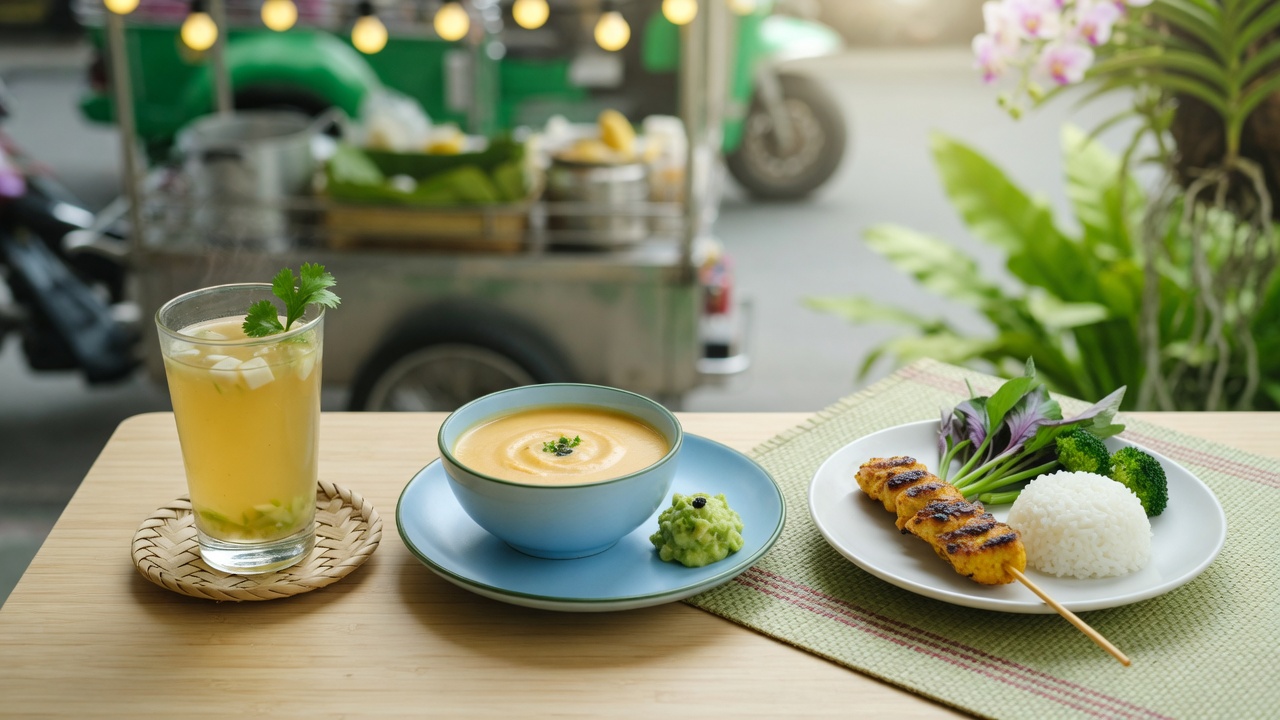
Your Complete Guide to the Gastric Sleeve Diet in Thailand: A 3-Phase Recovery Plan
You’ve had the gastric sleeve surgery in Thailand, and now comes the most critical part: following the right diet to heal safely and lose weight effectively. Without a clear plan, it’s easy to make choices that could slow your recovery or even cause complications. The standard post-op diet can feel confusing — especially when you’re recovering in a country where street food tempts you at every corner, and the hospital’s discharge instructions might not cover Thai cuisine.
By the end of this guide, you’ll have a 3-Phase Post-Sleeve Recovery Map that walks you through exactly what to eat during the first 6 weeks, with practical tips for enjoying safe Thai foods and navigating your new diet in Thailand. We’ll start with the foundation phase (liquids and purees), progress through soft foods, and finish with solid foods — all adapted for the Thai setting.
Consult your surgeon before following any diet plan. This guide is educational, not medical advice.
Key Takeaways
The gastric sleeve diet progresses through three phases over six weeks — clear liquids to solid foods — with protein goals of 60–80g daily (ASMBS, 2025).
- Phase 1 (Days 1–14): Clear liquids → full liquids → pureed foods; focus on hydration and protein.
- Phase 2 (Weeks 3–4): Soft foods like scrambled eggs, mashed vegetables, and tender fish.
- Phase 3 (Weeks 5–6): Solid foods in small portions; learn to eat Thai street food safely.
Phase 1: The Foundation (Days 1–14)
In the first two weeks after gastric sleeve surgery, your diet must start with clear liquids, then progress to full liquids, and finally to pureed foods — a sequence designed to let your stomach heal while providing essential hydration and protein. The American Society for Metabolic and Bariatric Surgery recommends staying on pureed foods for 2–4 weeks before advancing to soft foods (ASMBS, 2025). Following this timeline reduces the risk of leaks, nausea, and stretching your new pouch.
The 3-Phase Post-Sleeve Recovery Map begins here: a week-by-week dietary progression from liquids to solid foods, designed to optimise healing and weight loss. Each phase builds on the previous, with clear goals and allowed foods. Strict adherence to the liquid-to-pureed progression during the first two weeks reduces complication risk by ensuring proper healing (NIDDK, 2025).
What to Drink in the First Few Days
Safe clear liquids include water, clear chicken or vegetable broth, diluted fruit juice (no sugar added), and sugar-free gelatin. In Thailand, you can order a bowl of clear chicken soup without solid bits — ask for no added sugar or MSG. Coconut water is acceptable in small amounts (up to 4 oz per day), but choose unsweetened varieties. Take small sips — no more than 1–2 ounces every 15 minutes. Avoid anything with pulp, seeds, carbonation, or caffeine initially. The ASMBS clinical guidelines for post-operative diet progression recommend clear liquids for 1–2 days post-surgery (ASMBS, 2025).
Transitioning to Pureed Foods
After 7–10 days, most patients can begin pureed foods. Johns Hopkins bariatric surgery diet phase recommendations indicate the pureed phase lasts 2–4 weeks (Johns Hopkins Medicine, 2025). Blend soft foods until smooth with no lumps — focus on protein-rich options like blended lean meat, yogurt, and cottage cheese. Thai adaptations include pureed chicken soup, smooth pumpkin curry (without chili), and mashed papaya with a little salt. Try pureed soft steamed fish (pla nueng) mixed with a bit of broth for a familiar local flavour.
Thai-Friendly Clear Liquids and Purees
Thai clear soups that work well include gaeng jued (clear vegetable soup with soft tofu) and tom yum in its clear version — ask for no chili or solid ingredients, just the broth. For purees, blend steamed fish with a little cooking liquid, or puree cooked pumpkin with a splash of unsweetened coconut milk. Many Thai soups contain hidden sugar or MSG, so always request no added sugar. Avoid tom yum nam khon (creamy version) during this phase — the coconut cream is too rich for a healing pouch.
Phase 2: The Transition (Weeks 3–4)
During weeks 3–4, soft foods are introduced, and protein intake becomes paramount at 60–80g daily. Soft foods allow up to 60–80 grams of protein per day — crucial for healing — and Thai steamed fish provides an excellent low-fat protein source (Obesity Action Coalition, 2025). The 3-Phase Post-Sleeve Recovery Map now shifts from purees to moist, easy-to-chew foods that prepare your digestive system for more solid textures.
Introducing Soft Foods
Soft foods are defined as moist, easy to chew, and free of tough fibers. Safe examples include scrambled eggs, mashed avocado, soft tofu, and tender fish. Transition signs that you’re ready include tolerating purees well with no vomiting or pain. The CDC patient information on bariatric surgery diet and expectations confirms the soft food phase is part of the standard progression (CDC, 2025). Thai soft food options include soft steamed fish, chicken congee (jok) prepared without oil or skin, and silken tofu in clear soups.
Protein First: Reaching Your Daily Goals
Protein is essential for healing and sustained weight loss. Include protein-rich soft foods: eggs, fish, tofu, low-fat dairy, and protein shakes. Thai options like steamed fish (pla nueng) provide roughly 20g of protein per serving, soft tofu in soup adds about 8g, and scrambled eggs with vegetables contribute around 10g. The Obesity Action Coalition bariatric diet progression and protein targets set the standard goal at 60–80g per day for post-bariatric patients (Obesity Action Coalition, 2025). If food intake falls short, protein supplements are recommended — always check with your surgeon first.
Soft Thai Dishes That Are Safe
Safe Thai dishes during this phase include jok (rice porridge) with egg and shredded chicken — request no chili and no fried garlic. Khao tom (rice soup) with sliced fish and steamed vegetables also works well. Mild green curry sauce (without solid vegetable pieces) and tom kha gai (chicken coconut soup) without chicken chunks can be moderately safe if well-blended. Avoid all grilled meats, deep-fried items, raw vegetable salads, and pad thai (hard noodles are difficult to tolerate).
Phase 3: The Maintenance (Weeks 5–6)
By weeks 5–6, most patients can tolerate solid foods in small portions (half a cup or less), but must continue avoiding high-sugar and high-fat foods to prevent dumping syndrome (FDA, 2025). The 3-Phase Post-Sleeve Recovery Map now enters its final structured phase, where you begin incorporating more variety while maintaining strict portion discipline.
Solid Foods and Portion Control
Solid foods at this stage include soft-cooked vegetables, lean meats, fish, and whole grains. Your portion size should remain at half a cup per meal (4–6 oz). The golden rule: fill your pouch with protein first, then add vegetables. Chew thoroughly — each bite merits 20–30 chews before swallowing. Thai options include grilled chicken or fish (remove skin and visible oil), steamed vegetables with garlic, and a small portion of brown rice. Stanford Medicine dietary guidelines after bariatric surgery indicate the solid food phase typically begins after 6–8 weeks per their protocol (Stanford Medicine, 2025).
Street Food Savvy: Tips for Eating Out in Thailand
Navigating Thai street food requires a few key phrases: “mai sai nam tan” (no sugar), “mai phet” (not spicy), and “mai sai nam man” (no oil). Choose grilled or steamed items over fried, and ladle off excess sauce before eating. Safe street food choices include satay (skewered meat with minimal dipping sauce), som tam (papaya salad) prepared without chili and light on dressing, and khao niao (sticky rice) in very small amounts — no more than 2–3 tablespoons. The FDA safety guidelines for diet after weight loss surgery emphasise avoiding high-fat, high-sugar foods to prevent dumping syndrome (FDA, 2025).
When to Move to a Regular Diet
Signs that you’re ready for a more regular diet include tolerating soft foods consistently, no vomiting, and being able to eat 4–6 oz per meal comfortably. Most patients transition to a full balanced diet by week 8–12, though many remain on modified solids for several months. The NIDDK’s step-by-step bariatric diet progression guidelines remind us that every recovery is individual — always follow your surgeon’s personalised timeline rather than any generic schedule (NIDDK, 2025).
Navigating Thai Food After Surgery
Many Thai dishes can be adapted for post-bariatric diets by eliminating sugar, chili, and oil — grilled fish, clear soups, and steamed vegetables are excellent choices (Johns Hopkins Medicine, 2025). This section bridges the gap between standard medical guidelines and the reality of eating in Thailand’s food-rich environment.
Safe Thai Dishes by Phase
During Phase 1 (liquids and purees), choose clear chicken broth, pumpkin puree soup, and thin congee broth. In Phase 2 (soft foods), steamed fish, jok without oil, and silken tofu soups are reliable options. In Phase 3 (solid foods), grilled chicken or fish, steamed vegetables, and small amounts of sticky rice become accessible. Always check with your vendor about hidden ingredients — many Thai dishes use palm sugar or oyster sauce, which add unexpected sugar and fat.
Foods to Avoid (and Why)
Dumping syndrome — nausea, sweating, and diarrhea triggered by rapid sugar or fat intake — is a real risk. Mango sticky rice and fried spring rolls are common culprits. Spicy foods can irritate your healing stomach lining, causing discomfort even in small amounts. Fibrous vegetables like raw cabbage and bamboo shoots, plus tough meats, are difficult to digest and can cause blockage symptoms. High-fat coconut milk soups should be avoided until your pouch is fully healed, typically after week 8.
Hydration in Thailand’s Heat
You need 48–64 oz of fluid daily, sipped between meals — never with meals, as liquid competes for pouch space with nutrient-dense food. Thailand’s tropical climate increases fluid loss through sweat, so monitor your intake carefully. Unsweetened coconut water (limited to 4 oz daily) and oral rehydration salts can help maintain electrolyte balance on hot days. Alcohol is strictly prohibited during the entire recovery period — it provides empty calories, irritates the stomach lining, and can slow healing.
Entity Authority: Where to Find Reliable Post-Sleeve Diet Information
The 3-Phase Post-Sleeve Recovery Map synthesises guidance from the world’s leading bariatric authorities, giving you a consolidated reference point. Knowing which sources to trust helps you navigate conflicting advice online with confidence.
Why Consistency Matters Across Sources
All major guidelines — from the NIDDK, ASMBS, Stanford Medicine, and Johns Hopkins — agree on the core progression: liquid → pureed → soft → solid. Slight timing variations exist (some recommend 2 weeks on purees, others suggest 4), but the fundamental principles are identical. Every authoritative source recommends 60–80g of protein daily and emphasises avoiding sugar and high-fat foods. This consensus across multiple respected organisations reduces confusion and confirms that the phased approach is non-negotiable for safe recovery (NIDDK, 2025; ASMBS, 2025).
Recommended Online Resources
Bookmark these trusted sources to cross-reference with your surgeon’s plan:
- NIDDK (National Institute of Diabetes and Digestive and Kidney Diseases) — U.S. government authority on bariatric care
- ASMBS (American Society for Metabolic and Bariatric Surgery) — professional organisation setting clinical standards
- Johns Hopkins Medicine — top-ranked academic medical centre with detailed post-surgery guides
- Stanford Medicine — research university with evidence-based dietary protocols
- Obesity Action Coalition — patient advocacy group with practical resources
- FDA (Food and Drug Administration) — regulatory body with safety guidelines for weight-loss surgery
Each source publishes regularly updated content, so check back annually for any changes in best practices.
Limitations & Safety Precautions
No diet guide can replace personalised medical advice, and the 3-Phase Post-Sleeve Recovery Map is a general framework, not a prescription. Your individual recovery may differ based on your surgeon’s protocol, any complications, and your body’s unique response.
Common Pitfalls: Dumping Syndrome and Dehydration
Dumping syndrome occurs when high-sugar or high-fat foods move too quickly from your pouch into your small intestine, causing nausea, sweating, abdominal cramps, and diarrhea within 30–60 minutes of eating. Prevention strategies include avoiding concentrated sweets, fried foods, and full-sugar beverages. Dehydration is equally common, especially in Thailand’s heat — symptoms include dark urine, dizziness, dry mouth, and fatigue. The FDA safety guidelines for diet after weight loss surgery explicitly warn against high-sugar and high-fat foods to prevent dumping syndrome (FDA, 2025). The ASMBS clinical guidelines for post-operative diet progression emphasise that bariatric patients need at least 48 oz of fluid daily, sipped throughout the day (ASMBS, 2025).
When to Seek Medical Help
Contact your bariatric team or a local hospital immediately if you experience severe abdominal pain, vomiting that persists beyond 48 hours, inability to keep any liquids down, signs of infection (fever, chills, redness around incision sites), or symptoms of dehydration that don’t improve with increased fluid intake. Thailand has several internationally accredited hospitals with bariatric programs — keep their contact information accessible during your recovery.
Individual Variation: Your Diet May Differ
Every bariatric surgeon follows a slightly different protocol. Some advance patients faster; others keep them on pureed foods longer for safety. Patients with complications like leaks, strictures, or poor healing may need extended phases. The 3-Phase Recovery Map is a general guide — your surgeon’s specific instructions always take precedence. Ask your surgical team these questions before discharge: “How long should I stay on each phase?”, “What protein supplement do you recommend?”, and “What symptoms warrant a call to the clinic?”
Frequently Asked Questions
How soon after gastric sleeve can I eat Thai food?
Most patients can start eating safe Thai foods gradually as they progress through the diet phases — clear liquids immediately, pureed Thai dishes after about a week, soft Thai foods at weeks 3–4, and solid Thai foods after week 5–6. Always start with mild, oil-free options like clear broth or steamed fish, and avoid spicy or fried dishes until your pouch heals. Your surgeon will provide the exact timeline based on your recovery progress. Individual results vary — some tolerate foods faster than others, so listen to your body.
What Thai soups are safe after bariatric surgery?
Safe Thai soups include clear chicken or vegetable broth (gaeng jued), tom yum without chili or solid ingredients, and jok (rice porridge) with egg and chicken. Avoid creamy soups like tom kha nam khon or any soup with skin, oil, or solid vegetable pieces. Always ask for no added sugar or MSG when ordering. Clear broth versions of tom yum are acceptable if strained and served without solid ingredients.
Can I drink coconut water after gastric sleeve?
Yes, coconut water is generally safe in small amounts (no more than 4 oz per day) during the liquid phase — it provides electrolytes that are especially helpful in Thailand’s climate. Choose unsweetened varieties, as some commercial brands add significant sugar. Avoid coconut water if you experience dumping syndrome symptoms, or if your surgeon recommends avoiding all natural sugars during the initial recovery period.
When can I eat sticky rice after surgery?
Sticky rice should be avoided during the first 6 weeks and introduced cautiously afterward — it is dense, starchy, and can stretch your pouch if eaten in excess. When you do add it, typically after week 8, limit to 2–3 tablespoons per meal, chew very thoroughly, and prioritise protein and vegetables first. Many patients find sticky rice harder to tolerate than regular steamed rice due to its glutinous texture.
What happens if I eat something I shouldn’t after gastric sleeve?
Eating the wrong food can cause dumping syndrome (nausea, sweating, diarrhea) or pain from stretching your pouch. If it happens, stop eating immediately, sip water slowly, and rest. Most symptoms resolve within 30–60 minutes. If symptoms are severe or persist beyond a few hours, contact your medical team. Most patients learn quickly which foods trigger discomfort and adjust their choices accordingly — consider keeping a food diary during the first three months.
Conclusion: Your Recovery Roadmap
For your gastric sleeve recovery in Thailand, the 3-Phase Post-Sleeve Recovery Map — from clear liquids to solids over 6 weeks — provides a safe, effective path. Study after study confirms that strict adherence to this phased progression reduces complication risk (NIDDK, 2025). The best approach combines drinking small sips of clear fluids first, progressing to high-protein purees and soft Thai dishes, and finally enjoying solid foods with mindful portion control.
The 3-Phase Recovery Map isn’t just a diet plan — it’s a proven framework that aligns with every major medical guideline worldwide. By following Phases 1, 2, and 3, you’re giving your body the best chance to heal, lose weight effectively, and avoid common setbacks, all while still enjoying the flavours of Thailand.
Your next step: Print this guide and discuss each phase with your bariatric surgeon before you leave the hospital. Then use the safe Thai food lists to plan your first meals. With the right preparation, you can recover with confidence and savour your time in Thailand.
Disclaimer: This guide is for educational purposes only and does not constitute medical advice. Always consult your bariatric surgeon or qualified healthcare provider before making any dietary changes after gastric sleeve surgery. Individual recovery timelines and food tolerances vary.