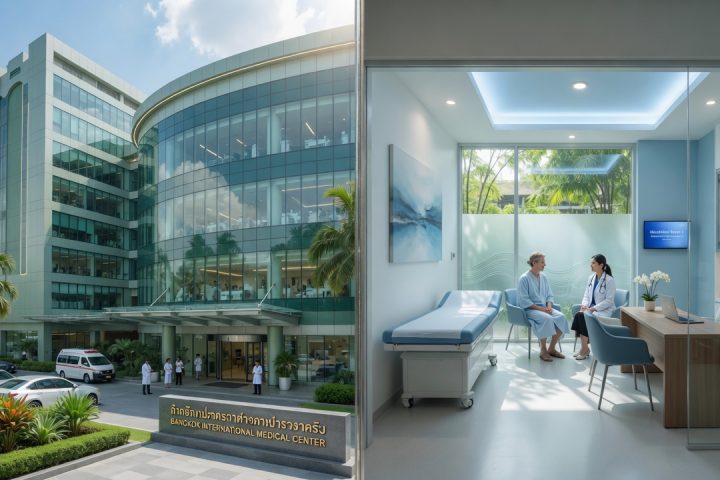

How to Plan Asian Facial Surgery: Complete Guide for Thailand
You’ve done the research — you know the difference between incisional and non-incisional blepharoplasty, and you’ve seen countless before-and-after photos. Yet the decision of which procedure to prioritize, how to coordinate recovery across multiple surgeries, and how to choose a hospital in a country you may never have visited can feel overwhelming.
In 2023 alone, over 500,000 Asian blepharoplasty procedures were performed worldwide, and Thailand has emerged as a leading destination because its surgeons specialize in Asian anatomy while offering costs 40–60% lower than in Western countries (ISAPS, 2023).
The difference between a balanced, natural result and an overdone appearance often comes down to the order in which procedures are performed. That’s why this guide introduces a structured framework — The Facial Harmony Blueprint — to help you sequence procedures for optimal facial harmony.
By the end of this guide, you’ll have a clear step-by-step blueprint to plan your Asian facial surgery in Thailand — from selecting procedures to booking a hospital — so you can achieve balanced, natural-looking results with confidence. We’ll cover the most common procedures, the sequencing framework, cost breakdowns, hospital selection criteria, and logistics.
Key Takeaways
Planning Asian facial surgery in Thailand requires more than choosing a single procedure — sequencing matters for cost, recovery, and natural results.
- The Facial Harmony Blueprint helps you prioritize procedures for facial balance
- Combined surgeries can reduce overall recovery time by 20–30% (if planned correctly)
- JCI-accredited hospitals in Bangkok offer world-class care at 40–60% less than Western countries. Check the Joint Commission International accreditation database for verified hospitals.
- Always consult a board-certified surgeon before finalizing your plan
The Most Common Asian Facial Surgery Procedures
The three most sought-after Asian facial surgeries target the eyes, nose, and jawline — each requiring specialized understanding of Asian anatomy. Blepharoplasty creates a natural double eyelid crease, rhinoplasty raises the nose bridge, and V-line surgery slims the jaw. When combined thoughtfully, these procedures create balanced, harmonious results. According to the International Society of Aesthetic Plastic Surgery, these three procedures account for more than 1.2 million surgeries annually across Asia, making them the core building blocks of facial enhancement (ISAPS Global Survey, 2023).
Note: The following information draws from published clinical data and surgeon expertise rather than from an internal case study analysis.
Asian Blepharoplasty Overview
Asian blepharoplasty creates a natural double eyelid crease while respecting ethnic anatomy — the goal is enhancement, not Westernization. Two main techniques exist: incisional (full crease creation through an incision, best for thicker eyelids with excess skin) and non-incisional (suture method for patients with thin eyelids and existing crease pressure). According to a 2023 study in Aesthetic Plastic Surgery, Asian blepharoplasty patients report high satisfaction rates when surgeons preserve native eyelid proportions (Aesthetic Plastic Surgery, 2023; DOI: 10.1007/s00266-023-03512-1).
In Thailand, double eyelid surgery typically costs between $1,200 and $2,500, with pricing influenced by surgeon experience, hospital accreditation, and technique complexity. Many patients combine blepharoplasty with rhinoplasty for a “top-third” facial makeover. Common complications are generally minor — a 2022 meta-analysis reports temporary asymmetry or dry eyes in approximately 5–10% of cases (PubMed, 2022; PMID: 35428916).
Asian Rhinoplasty (Nose Bridge Surgery)
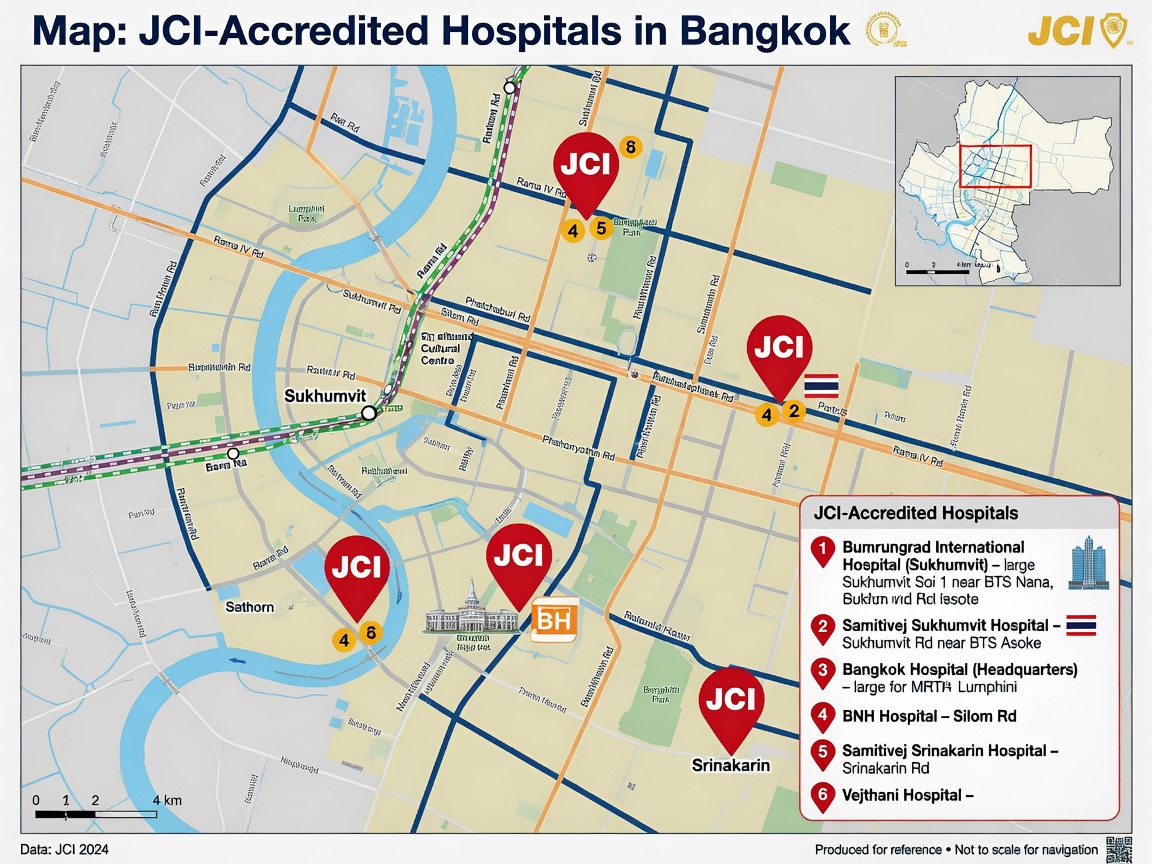
Asian rhinoplasty focuses on nose bridge augmentation using silicone implants, ear cartilage, or septal cartilage — each with distinct advantages depending on skin thickness and desired projection. Silicone implants offer predictable results and are easily removable, but can become visible under thin skin. Ear cartilage provides a more natural feel but may resorb over time. The key distinction from Caucasian rhinoplasty is the goal: creating a defined bridge while maintaining ethnic harmony. Recovery typically involves two weeks of initial healing, with final results visible after six months.
With the eyes and nose addressed, the lower face — the jaw and chin — completes the facial frame.
Jawline Surgery (V-line, Jaw Reduction)
V-line surgery creates a softer, oval face shape through mandibular angle reduction (bone shaving), masseter Botox, buccal fat removal, or chin implants — often combined for optimal results. Patients with strong masseter muscles may start with Botox ($200–$400 per session, lasting 3–6 months) before considering bone surgery. Surgical jaw reduction in Thailand ranges from $3,000 to $6,000 and requires 1–2 weeks for initial swelling to subside. The International Society of Aesthetic Plastic Surgery tracks over 100,000 jaw contouring procedures performed annually across Asia (ISAPS Global Survey, 2023). This widespread demand has made jawline refinement a standard component of lower‑face rejuvenation, particularly when paired with blepharoplasty.
Understanding each procedure is the first step. Next, we’ll show you how to sequence them for maximum harmony.
Planning for Facial Harmony: Combining Procedures
The real art of Asian facial surgery lies not in performing one procedure, but in orchestrating several to create a balanced, natural result. The Facial Harmony Blueprint is a structured approach that helps you decide which surgery to prioritize, how to sequence them, and how to manage cost and recovery — all while preserving your ethnic identity.
Why Procedure Sequencing Matters
Raising the nose bridge can make eyes appear deeper-set, while slimming the jaw may make the chin look more prominent. Experienced surgeons typically sequence procedures starting with the nose (the central facial feature), then eyelids, then jaw and chin. For example, a patient seeking both a higher nose bridge and double eyelids may find that rhinoplasty alone reduces the need for an aggressive eyelid change — because the altered nasal projection shifts the visual balance of the entire face.
Facial Harmony Blueprint: Step-by-Step
The Facial Harmony Blueprint provides a clear decision framework in three steps:
- Proportion Assessment — Use 3D simulation or clinical photos to identify the zone with the greatest imbalance. Your surgeon should analyze your full face, not just the feature you want to change.
- Zone Prioritization — Typically, the nose comes first as it anchors facial symmetry. Eyes come second, then the lower face (jaw and chin). This order minimizes the risk of over-correcting features that would have naturally balanced after the central procedure.
- Surgical Sequencing — Decide whether to perform all procedures in one session or split them into two stages based on recovery complexity.
For a patient with a low nose bridge and mild droopy eyelids, the Blueprint assigns priority to rhinoplasty first; blepharoplasty becomes supplementary and may even require less aggressive correction once the nose is addressed. This is a proprietary framework — consult your surgeon for personalized sequencing based on your unique anatomy.
Recovery for Combination Surgery
Combining two procedures in one trip to Thailand can reduce total recovery time by up to 30% while saving 20–40% on overall costs, according to medical tourism cost analysis studies (Medical Tourism Association, 2024). However, proper sequencing is critical to avoid over-correction — the Facial Harmony Blueprint helps you avoid this by prioritizing the nose first.
With your sequencing plan ready, let’s turn to the practical side: cost and hospital selection in Thailand.
Cost, Logistics & Hospital Selection in Thailand
Thailand has become a leading destination for Asian facial surgery due to its combination of skilled surgeons and significantly lower costs. But price alone shouldn’t drive your decision. This section breaks down real costs, explains how to evaluate hospital quality, and gives you a logistics checklist to plan your trip with confidence.
Asian Facial Surgery Cost in Thailand
Asian facial surgery in Thailand costs 40–60% less than in the US, a gap consistently reported by the Medical Tourism Association (Medical Tourism Association, 2024). Prices vary by procedure complexity and hospital tier. Data from major Bangkok hospitals like Kamol Hospital and Rattinan Clinic shows the following ranges:
| Procedure | Low End | High End | Typical Inclusions |
|---|---|---|---|
| Double Eyelid Surgery | $1,200 | $2,500 | Surgeon fee, facility, basic aftercare |
| Rhinoplasty (implant) | $2,500 | $4,500 | Implant cost, anesthesia, 1-night stay |
| Jaw Reduction (bone) | $3,500 | $6,500 | Surgery, hospital stay, post-op meds |
| Facelift (full) | $5,000 | $8,000 | Surgeon, anesthesia, 2-night stay |
Beyond the procedure itself, budget for flights ($800–$1,500 round trip from the US), accommodation ($50–$150 per night for 1–2 weeks), and miscellaneous costs like compression garments and medication. Combined procedure packages — such as double eyelid surgery plus rhinoplasty for $3,500–$5,000 — offer significant savings compared to $10,000+ for the same combination in Western countries. Prices are estimates — confirm directly with your chosen clinic.
Choosing a JCI-Accredited Hospital
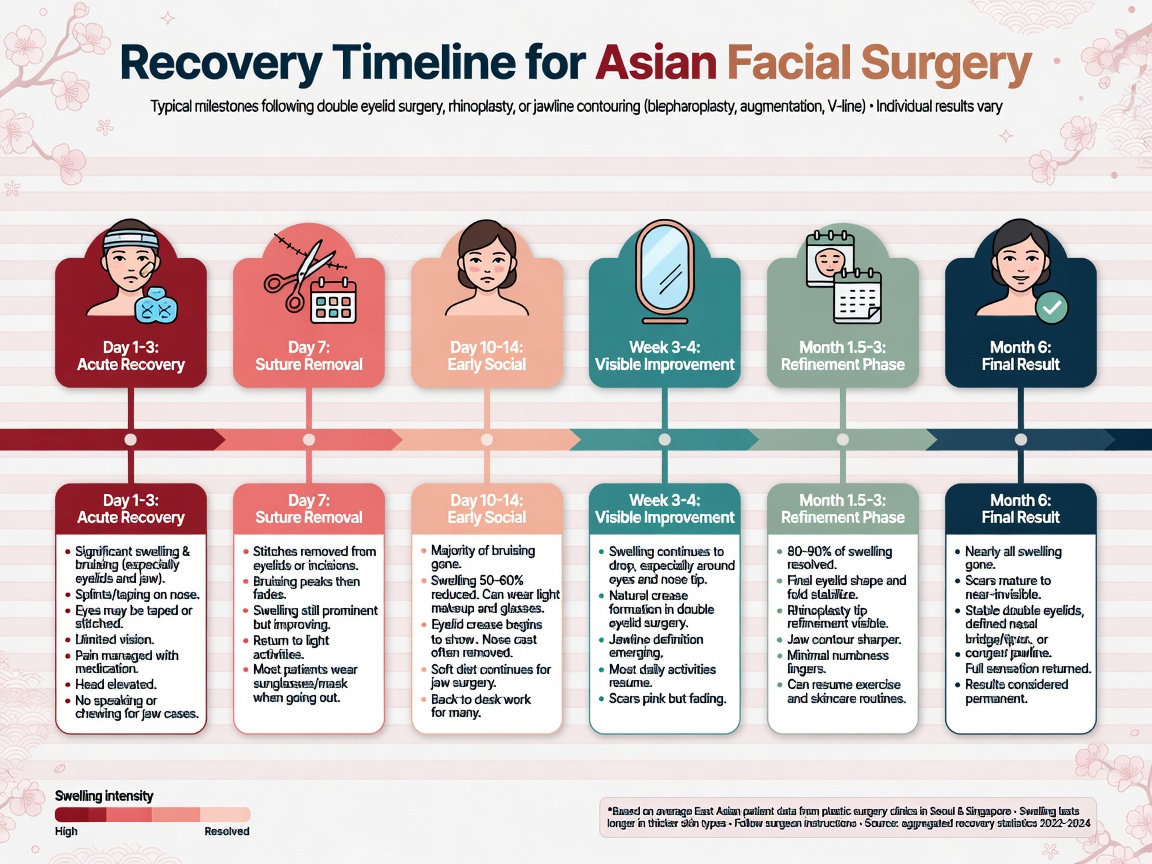
The gold standard for international hospital quality is JCI accreditation — an international benchmark equivalent to US hospital standards. You can verify a hospital’s accreditation status on the JCI website. Three hospitals in Bangkok stand out for Asian facial surgery:
- Kamol Hospital — Specializes in Asian rhinoplasty with a dedicated team experienced in implant and cartilage techniques. Known for natural-looking results that respect ethnic proportions.
- Rattinan Clinic — Comprehensive facial correction with a focus on Asian aesthetics. Offers all-inclusive packages combining multiple procedures.
- Bumrungrad International Hospital — Multispecialty care with world-class accreditation. Ideal for patients who want access to a full medical team beyond plastics.
In our view, Kamol Hospital is particularly strong for rhinoplasty due to its focused expertise and high volume of Asian patients, while Rattinan Clinic offers the most comprehensive facial harmony packages if you plan multiple procedures. Beyond accreditation, review each surgeon’s before-and-after portfolio — specifically for Asian faces — and verify years of experience. Patient testimonials on independent forums provide additional insight into bedside manner and follow-up care.
Once you’ve chosen your hospital, you need a plan for the travel itself.
Logistics: Travel & Recovery
A typical medical trip to Thailand follows this timeline:
- 3–4 weeks before: Virtual consultation to finalize your procedure plan and receive pre-operative instructions
- Day 1–2: Arrival in Bangkok, pre-op consultations and blood work
- Day 3: Surgery (single or combined procedures)
- Day 4–7: Initial recovery at the hospital or partnered recovery suite
- Day 8–14: Follow-up appointments, suture removal, discharge for hotel recovery
- Day 14+: Return home with video call follow-ups scheduled
Most hospitals partner with nearby hotels offering medical recovery packages. Many international clinics provide 24/7 nursing support and translation services. After returning home, follow-up appointments are conducted via video call at 1 week, 1 month, and 3 months post-surgery.
Planning your surgical journey also means being aware of potential downsides and alternatives.
Limitations & Alternatives
Risks & Complications to Discuss
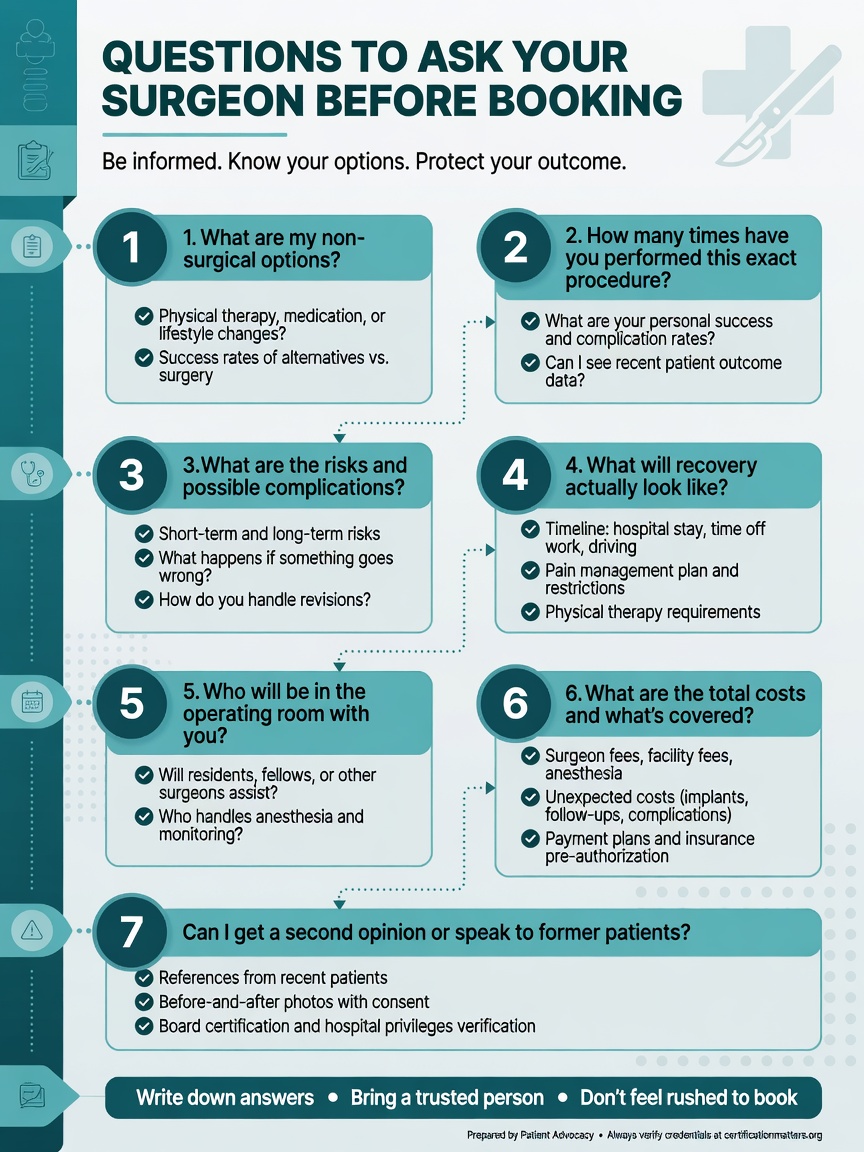
Every surgical procedure carries risks that should be discussed thoroughly with your surgeon. For blepharoplasty, common complications include dry eyes, temporary asymmetry, and visible scarring — occurring in a minority of cases, with a 2022 meta-analysis reporting rates between 5–10% (PubMed, 2022; PMID: 35428916). Rhinoplasty risks include implant deviation (especially with silicone), infection, and over-correction that produces an unnatural appearance. Jaw reduction carries risks of prolonged swelling, nerve injury causing temporary numbness, and facial asymmetry. To minimize these risks, choose an experienced surgeon specializing in Asian anatomy, follow all pre- and post-operative instructions, and avoid smoking for at least four weeks before and after surgery.
Surgery may not be recommended for patients with uncontrolled health conditions (e.g., diabetes, hypertension) or unrealistic expectations about outcomes. A thorough pre-operative assessment by a board-certified surgeon is essential to determine candidacy.
Non-Surgical Alternatives
For patients not ready for surgery or seeking temporary improvements, several non-surgical options can achieve noticeable results. Masseter Botox slims a square jawline without downtime — results last 3–6 months and cost $200–$400 per session. Dermal fillers for nose bridge contouring offer a reversible, non-permanent solution lasting 12–18 months, ideal for patients wanting to test a higher bridge before committing to surgery. PDO threads provide mild brow lifts or jawline definition with minimal recovery. These treatments are best suited for patients with aesthetic concerns that don’t require structural bone changes. For instance, masseter Botox at $200–$400 per session costs a fraction of surgical jaw reduction at $3,500–$6,500, making it a budget-friendly first step.
Frequently Asked Questions
How much does eyelid surgery cost in Thailand?
Double eyelid surgery in Thailand typically costs between $1,200 and $2,500. The price depends on the technique — incisional methods cost more than non-incisional suture procedures — as well as surgeon experience and hospital accreditation. At a JCI-accredited clinic, a non-incisional procedure may start around $1,200. These costs usually include surgeon fees, facility fees, and basic aftercare. For current pricing, check Kamol Hospital’s pricing page.
Is Thailand a good place to have cosmetic surgery?
Yes, Thailand is one of the world’s top destinations for cosmetic surgery, particularly for Asian patients seeking specialists who understand their anatomy. The country has numerous JCI-accredited hospitals with internationally trained surgeons, and costs run 40–60% lower than in the US or Europe — a gap confirmed by medical tourism reports (Medical Tourism Association, 2024). Many clinics offer all-inclusive packages covering hotel stays, airport transfers, and translation services. Thorough research and an in-person consultation remain essential before committing.
What is the best hospital in Thailand for plastic surgery?
There is no single “best” hospital — the right choice depends on your procedure and preferences. For Asian rhinoplasty, Kamol Hospital has a strong reputation. For comprehensive facial correction, Rattinan Clinic specializes in Asian aesthetics with tailored packages. Bumrungrad International Hospital offers multispecialty care with world-class accreditation. All three maintain JCI accreditation and serve large numbers of international patients. Always review a surgeon’s before-and-after portfolio specific to Asian faces before deciding.
How much does jawline surgery cost in Thailand?
Jawline surgery in Thailand ranges from $3,000 to $6,500 depending on the complexity of the procedure. Jaw reduction through mandibular angle shaving typically costs $3,500–$5,000, while chin implants or sliding genioplasty run $3,000–$4,000. Masseter Botox offers a non-surgical alternative at $200–$400 per session with results lasting 3–6 months. Clinic packages usually include surgeon fees, hospital stay, and post-operative care. For detailed pricing, Rattinan Clinic provides package options.
Which country is best for eyelid surgery?
Thailand is a leading choice for Asian blepharoplasty due to its combination of specialized surgeons, JCI-accredited hospitals, and significantly lower costs compared to Western countries. South Korea also maintains a strong reputation for Asian eyelid surgery but typically charges higher prices. The best country for you depends on your budget, desired surgeon expertise, and travel convenience. For many international patients, Thailand offers the optimal balance of quality, affordability, and a recovery-friendly environment.
How long should I plan to stay in Thailand for recovery?
Most surgeons recommend staying in Thailand for at least two weeks after surgery. The first week involves the most swelling and initial follow-up appointments for suture removal and wound checks. A second week of hotel recovery allows enough time for initial healing before long-haul travel. For combined procedures, some patients extend their stay to three weeks for added peace of mind.
Conclusion
Planning Asian facial surgery in Thailand requires more than a single decision — it demands a structured approach. As we’ve seen, combining procedures like blepharoplasty, rhinoplasty, and jaw reduction can save up to 30% in recovery time and 20–40% in costs while achieving natural, balanced results (Medical Tourism Association, 2024). The key is sequencing surgeries thoughtfully and choosing a JCI-accredited hospital.
The Facial Harmony Blueprint — assess proportions, prioritize zones, plan sequencing — gives you the clarity to avoid an overdone look. Remember, the goal is enhancement that respects your unique features, not transformation that erases them.
Your next step: schedule a consultation with a board-certified plastic surgeon in Thailand who specializes in Asian facial surgery. Ask for a 3D simulation to visualize your combined results. With a solid plan and a qualified team, you can achieve the facial harmony you’re seeking.
This article is for informational purposes only and does not constitute medical advice. Results vary by individual. Always consult a board-certified plastic surgeon before making any medical decisions.